¿Qué le sucede a un neumático cuando golpeas un bache a alta velocidad?
El impacto contra un bache puede sentirse como una sacudida rápida, pero las fuerzas involucradas pueden afectar varias partes del conjunto del neumático y la rueda. Cuanto más rápido circula el vehículo, menos tiempo tiene el neumático para absorber el impacto. En algunos casos, los daños son evidentes de inmediato. En otros, los problemas pueden no hacerse notar hasta más adelante.
Raymond’s Tire Shop ayuda a los conductores a inspeccionar neumáticos, ruedas, equilibrado y alineación después de impactos fuertes contra la carretera. Comprender lo que puede suceder durante un golpe contra un bache puede facilitar el reconocimiento de cuándo un neumático necesita atención profesional.
El neumático se comprime extremadamente rápido
Cuando un neumático cae en un bache y golpea el borde opuesto, el flanco y la banda de rodadura pueden quedar comprimidos entre la carretera y la rueda.
Los neumáticos están diseñados para flexionarse, pero un impacto fuerte puede superar lo que su estructura interna puede absorber de manera segura.
El riesgo puede ser mayor cuando la presión del neumático es demasiado baja porque hay menos aire para amortiguar el impacto entre la superficie de la carretera y la rueda. Sin embargo, incluso un neumático correctamente inflado puede sufrir daños al pasar por un bache profundo a suficiente velocidad.

Los daños internos pueden no ser visibles
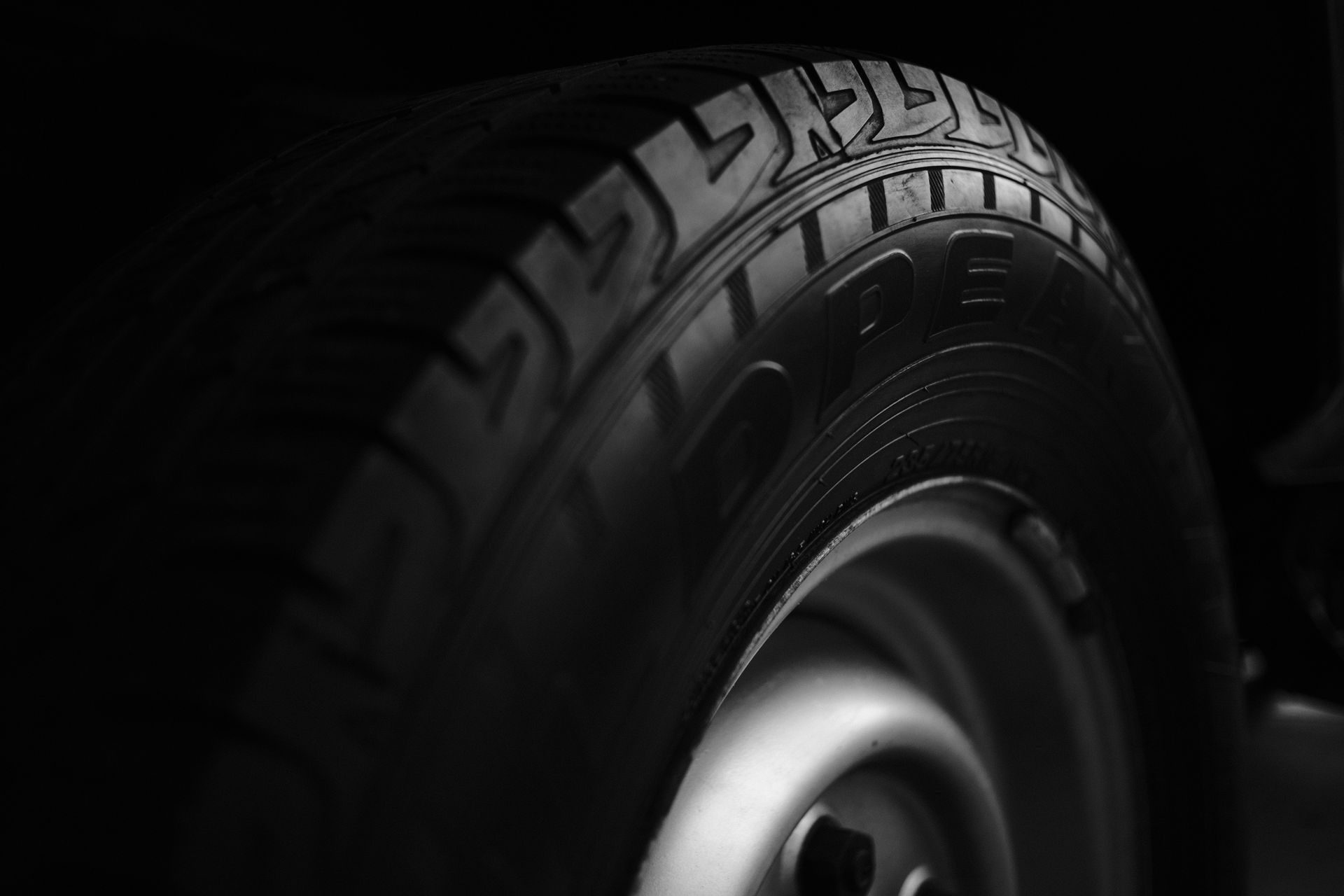
Una de las principales preocupaciones después de un impacto contra un bache son los daños en el interior del neumático.
Un neumático contiene capas de materiales de refuerzo debajo del caucho. Un impacto fuerte puede debilitar o separar algunos de estos componentes internos incluso cuando la superficie exterior inicialmente parece normal.
Más adelante puede aparecer una protuberancia o burbuja en el flanco. Esto puede indicar que la estructura interna se ha visto comprometida y que la presión del aire está empujando hacia afuera contra el material debilitado.
Una protuberancia en el flanco requiere una inspección profesional inmediata, ya que los daños estructurales importantes generalmente no pueden repararse de manera segura.

La rueda también puede sufrir daños
El neumático no es el único componente que absorbe el impacto.
Un golpe fuerte contra un bache puede doblar o dañar la rueda, especialmente si el neumático se comprime lo suficiente como para que la llanta reciba un impacto directo.
Una rueda doblada puede provocar pérdida de aire, vibraciones o dificultades para equilibrar correctamente el neumático. Los daños no siempre son fáciles de detectar sin retirar o hacer girar la rueda durante una inspección.
Por lo tanto, una pérdida repetida de aire después de golpear un bache puede estar relacionada con el neumático, la rueda o el sellado entre ambos.

La alineación puede desajustarse
Un impacto fuerte también puede afectar la alineación de las ruedas.
Si cambian los ángulos de la suspensión o de la dirección, el vehículo puede comenzar a desviarse hacia un lado o el volante puede quedar descentrado cuando se conduce en línea recta.
Los problemas de alineación pueden provocar un desgaste irregular de los neumáticos si no se corrigen. Esto significa que un solo impacto contra un bache podría reducir la vida útil de un conjunto de neumáticos que, por lo demás, estaba en buenas condiciones.
Si el vehículo se siente diferente inmediatamente después del impacto, puede ser conveniente revisar la alineación.

Las vibraciones pueden indicar un problema
Los conductores a veces notan una nueva vibración después de golpear un bache, especialmente a velocidades de autopista.
Esa vibración puede deberse a una rueda doblada, un neumático dañado, la pérdida de un contrapeso de la rueda u otro componente afectado por el impacto.
Un neumático también puede desarrollar daños internos que cambien su forma mientras gira.
Debido a que varios problemas pueden causar síntomas similares, las vibraciones deben ser diagnosticadas en lugar de asumir que se trata simplemente de un problema de equilibrado.

Revise el neumático poco después del impacto
Después de golpear fuertemente un bache, inspeccione el neumático afectado cuando sea seguro hacerlo.
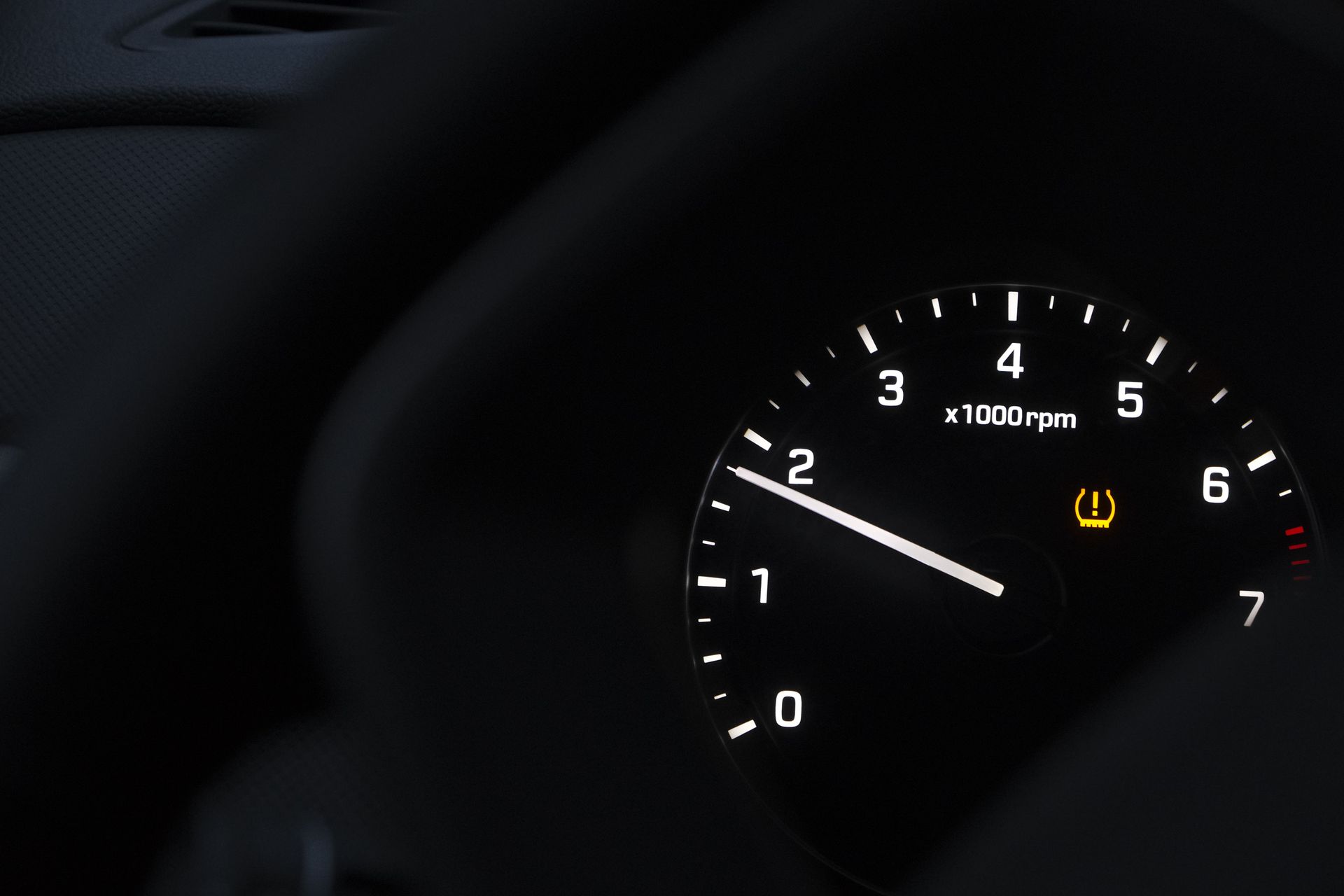
Busque cortes, burbujas, protuberancias, grietas, material expuesto o daños evidentes en la rueda. Compruebe también la presión del neumático, especialmente si se activa el sistema de monitoreo de presión de los neumáticos.
Durante los días siguientes, preste atención a pérdidas repetidas de aire, desviaciones hacia un lado, cambios en la dirección, vibraciones o ruidos inusuales provenientes de los neumáticos.
Incluso si el neumático parece estar en buenas condiciones, un impacto suficientemente fuerte puede justificar una inspección profesional.
No ignore un cambio en la forma de conducir
Un impacto contra un bache no significa automáticamente que sea necesario reemplazar el neumático, pero los síntomas nuevos no deben ignorarse.
Raymond’s Tire Shop ofrece inspecciones de neumáticos, reparación de pinchazos, reemplazo de neumáticos, equilibrado, rotación de neumáticos, servicio de ruedas y alineación. Si su vehículo comienza a vibrar, desviarse hacia un lado, perder presión o simplemente se siente diferente después de golpear un bache, comuníquese con Raymond’s Tire Shop para realizar una inspección. Detectar los daños causados por un impacto de manera temprana puede ayudar a prevenir el desgaste irregular de los neumáticos y reducir la posibilidad de que un neumático dañado provoque un problema mayor en la carretera.