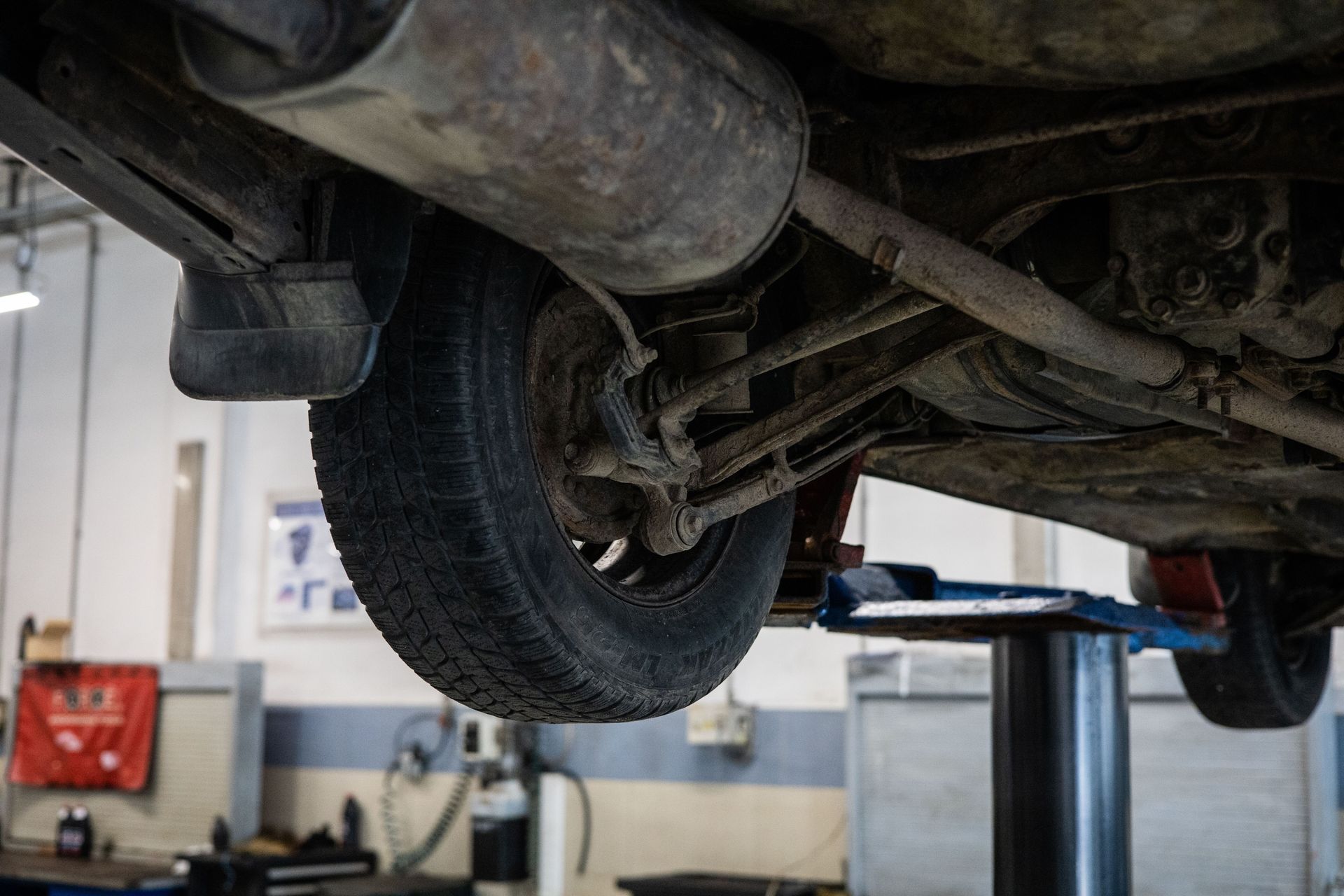
O que acontece com um pneu quando você passa por um buraco em alta velocidade?

O impacto com um buraco pode parecer apenas uma rápida sacudida, mas as forças envolvidas podem afetar várias partes do conjunto do pneu e da roda. Quanto mais rápido o veículo estiver se deslocando, menos tempo o pneu terá para absorver o impacto. Em alguns casos, os danos são imediatamente visíveis. Em outros, os problemas podem não ser percebidos até mais tarde.


A Raymond’s Tire Shop ajuda os motoristas a inspecionar pneus, rodas, balanceamento e alinhamento após impactos fortes contra a estrada. Entender o que pode acontecer durante uma colisão com um buraco pode facilitar a identificação de quando um pneu precisa de atenção profissional.


O pneu é comprimido extremamente rápido

Quando um pneu cai em um buraco e atinge a borda oposta, a lateral e a banda de rodagem podem ser comprimidas entre a estrada e a roda.


Os pneus são projetados para flexionar, mas um impacto severo pode exceder o que a estrutura interna consegue absorver com segurança.


O risco pode ser maior quando a pressão do pneu está muito baixa, pois há menos ar para amortecer o impacto entre a superfície da estrada e a roda. No entanto, até mesmo um pneu calibrado corretamente pode ser danificado por um buraco profundo quando o veículo está em velocidade suficiente.

Empty tree-lined street with cracked pavement and overcast sky, bordered by houses and yellow walls

Os danos internos podem não ser visíveis

Uma das maiores preocupações após um impacto com um buraco são os danos dentro do pneu.


Um pneu contém camadas de materiais de reforço sob a borracha. Um impacto forte pode enfraquecer ou separar alguns desses componentes internos, mesmo quando a superfície externa inicialmente parece normal.


Uma saliência ou bolha pode aparecer posteriormente na lateral do pneu. Isso pode indicar que a estrutura interna foi comprometida e que a pressão do ar está empurrando para fora contra o material enfraquecido.


Uma saliência na lateral do pneu requer uma inspeção profissional imediata, pois danos estruturais significativos geralmente não podem ser reparados com segurança.

Circular patch of orange leaves on dark wet pavement, resembling a small puddle

A roda também pode ser danificada

O pneu não é o único componente que absorve o impacto.


Um impacto forte contra um buraco pode entortar ou danificar a roda, especialmente se o pneu for comprimido o suficiente para que o aro receba um impacto direto.


Uma roda torta pode causar perda de ar, vibração ou dificuldade para balancear corretamente o pneu. Os danos nem sempre são fáceis de identificar sem remover ou girar a roda durante uma inspeção.


Portanto, uma perda repetida de ar após um impacto com um buraco pode estar relacionada ao pneu, à roda ou à vedação entre os dois.

Flat tire on dark floor with a green-handled screwdriver beside it

O alinhamento pode ficar desregulado

Um impacto forte também pode afetar o alinhamento das rodas.


Se os ângulos da suspensão ou da direção mudarem, o veículo pode começar a puxar para um dos lados ou o volante pode ficar fora do centro quando o veículo estiver trafegando em linha reta.


Problemas de alinhamento podem causar desgaste irregular dos pneus se não forem corrigidos. Isso significa que um único impacto com um buraco pode potencialmente reduzir a vida útil de um conjunto de pneus que, de outra forma, estaria em boas condições.


Se o veículo parecer diferente imediatamente após o impacto, pode ser recomendável verificar o alinhamento.

Sunlit wet road curving through lush greenery, with puddles reflecting the light.

Vibrações podem indicar um problema

Os motoristas às vezes percebem uma nova vibração depois de passar por um buraco, especialmente em velocidades de rodovia.


Essa vibração pode ser causada por uma roda torta, um pneu danificado, um contrapeso da roda que se soltou ou outro componente afetado pelo impacto.


Um pneu também pode desenvolver danos internos que alteram seu formato enquanto ele gira.


Como vários problemas podem causar sintomas semelhantes, a vibração deve ser diagnosticada em vez de ser considerada simplesmente um problema de balanceamento.

Black-and-white scene of a shallow puddle or pond in a rough, grassy field

Verifique o pneu logo após o impacto

Depois de um impacto forte com um buraco, inspecione o pneu afetado assim que for seguro fazer isso.


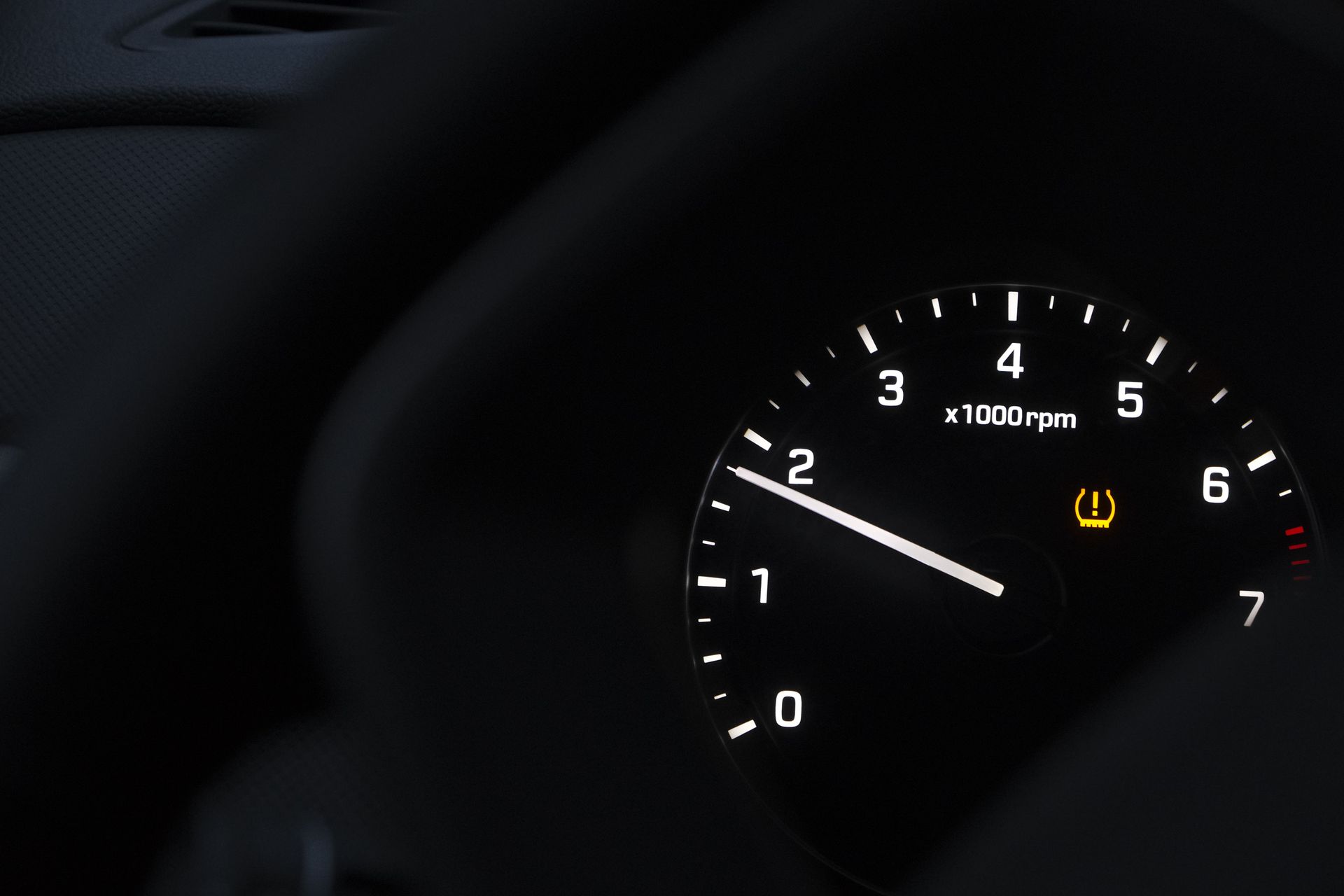
Procure cortes, bolhas, saliências, rachaduras, materiais expostos ou danos evidentes na roda. Verifique também a pressão do pneu, especialmente se o sistema de monitoramento da pressão dos pneus for ativado.


Nos dias seguintes, fique atento a perdas recorrentes de ar, veículo puxando para um dos lados, alterações na direção, vibrações ou ruídos incomuns provenientes dos pneus.


Mesmo que o pneu pareça normal, um impacto suficientemente forte pode justificar uma inspeção profissional.
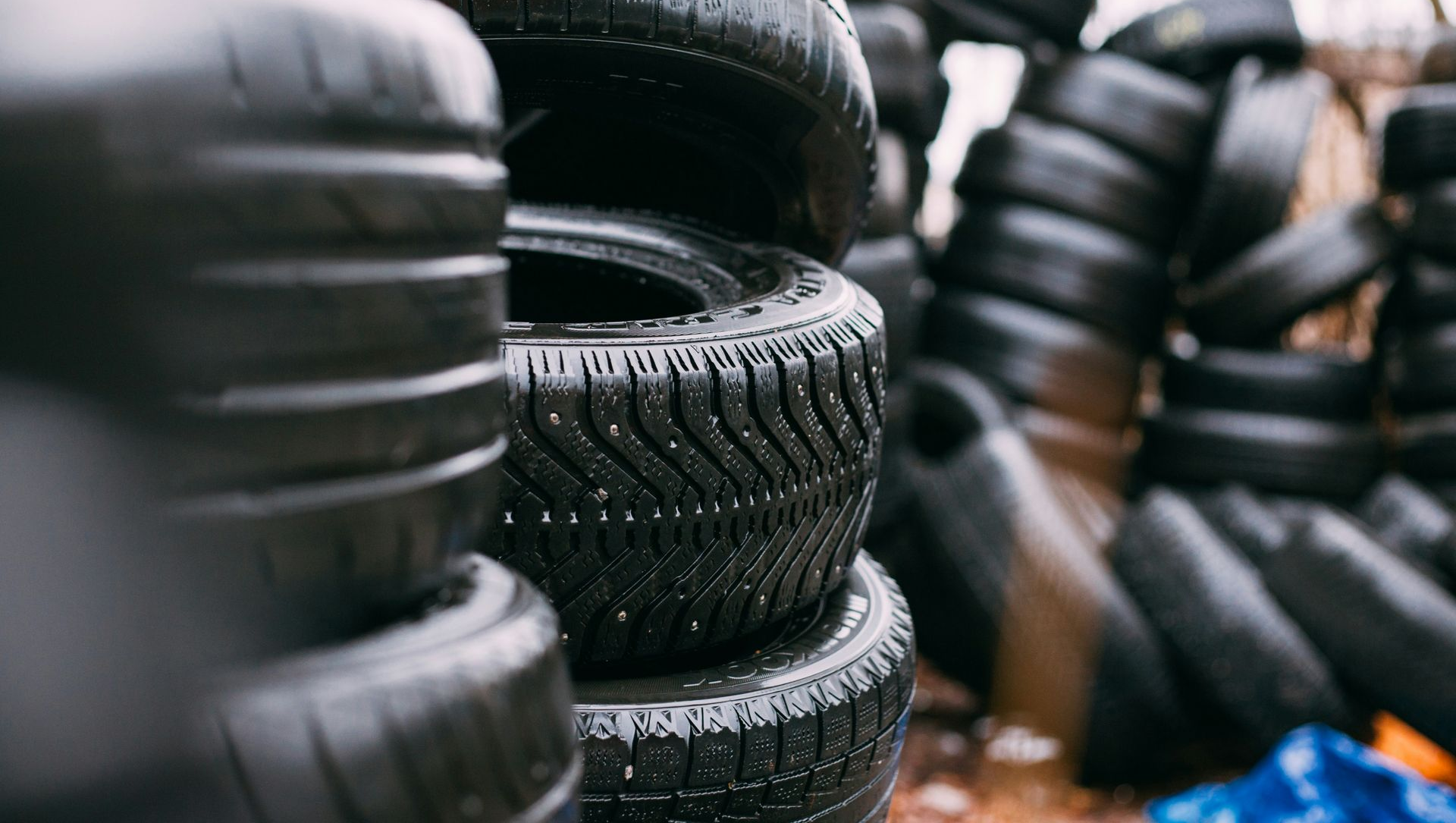
Stacks of black car tires in a tire shop, with one tire centered in the foreground.

Não ignore uma mudança no comportamento do veículo

Um impacto com um buraco não significa automaticamente que o pneu precise ser substituído, mas novos sintomas não devem ser ignorados.


A Raymond’s Tire Shop oferece inspeções de pneus, reparo de pneus furados, substituição de pneus, balanceamento, rodízio de pneus, serviços para rodas e alinhamento. Se o seu veículo começar a vibrar, puxar para um dos lados, perder pressão dos pneus ou simplesmente parecer diferente depois de passar por um buraco, entre em contato com a Raymond’s Tire Shop para uma inspeção. Identificar os danos causados pelo impacto o quanto antes pode ajudar a evitar o desgaste irregular dos pneus e reduzir a possibilidade de que um pneu danificado provoque um problema maior na estrada.

Gravel farm road curving past green trees and a brown field under an overcast sky
Close-up of a black car tire and chrome wheel rim in sunlight
Cracked road with a large puddle reflecting an orange building
Damaged rural road with a large pothole and cracks in the pavement
Close-up of a gray alloy car wheel and tire on a wet floor
Close-up of a car tire beside a white vehicle on a wet road.
Dirt road between green fields under a clear blue sky, leading to leafless trees in the distance
August 23, 2026
A pothole impact can feel like a quick jolt, but the forces involved can affect several parts of the tire and wheel assembly. The faster the vehicle is moving, the less time the tire has to absorb the impact. In some cases, the damage is immediately obvious. In others, problems may not become noticeable until later. Raymond’s Tire Shop helps drivers inspect tires, wheels, balancing, and alignment after hard road impacts. Understanding what can happen during a pothole strike can make it easier to recognize when a tire needs professional attention. The Tire Is Compressed Extremely Quickly When a tire drops into a pothole and strikes the far edge, the sidewall and tread can be compressed between the road and the wheel. Tires are designed to flex, but a severe impact can exceed what the internal structure can safely absorb.  The risk can be greater when tire pressure is too low because there is less air cushioning between the road surface and the wheel. However, even a properly inflated tire can be damaged by a deep pothole at sufficient speed.
August 16, 2026
Tires are one of the most important safety components on any vehicle because they are the only parts that maintain direct contact with the road. As tires wear, their ability to grip pavement, channel water, and respond predictably can gradually decline. The challenge is that unsafe tire conditions are not always obvious until performance has already been affected.  Raymond’s Tire Shop helps drivers evaluate tread wear, tire damage, pressure issues, alignment problems, and other conditions that can affect tire safety. Knowing what to look for can help you recognize when a tire needs professional attention or replacement.
August 7, 2026
Most drivers think of tires simply as the round rubber components that allow a vehicle to roll down the road. In reality, tires are sophisticated pieces of engineering that perform several essential functions every time a vehicle is in motion. They support the weight of the vehicle, transmit steering and braking forces, absorb road irregularities, and maintain traction in changing driving conditions. Every acceleration, turn, and stop depends on these four small contact patches where the tires meet the road.  Understanding the primary functions of a tire helps drivers appreciate why routine maintenance and timely replacement are so important. Raymond’s Tire Shop helps customers choose quality tires and maintain them properly so their vehicles continue to perform safely and efficiently throughout the life of the tire.
July 31, 2026
Understanding how your tires interact with wet pavement is one of the most important parts of safe driving. While most drivers know that rain can make roads slippery, fewer understand how hydroplaning occurs or why it can cause a vehicle to suddenly lose traction. Knowing what causes hydroplaning—and how proper tire maintenance can reduce the risk—can help you stay safer during wet weather.  At Raymond’s Tire Shop, we believe that informed drivers make safer decisions. Keeping your tires in excellent condition is one of the best ways to improve vehicle performance when road conditions are less than ideal.
July 23, 2026
Your tires are one of the hardest-working components of your vehicle. They provide traction, support your vehicle’s weight, absorb impacts from the road, and help you maintain control in a wide range of driving conditions. Because they experience constant wear, replacing tires is an expected part of vehicle ownership. However, proper maintenance can help maximize their lifespan, improve performance, and save you money over time. Many of the factors that affect tire longevity are within a driver’s control. By following a few simple maintenance practices, you can help your tires wear more evenly and perform as intended throughout their service life.
July 17, 2026
Your tires are the only part of your vehicle that remains in constant contact with the road, making them one of the most important components for safety, performance, and fuel efficiency. While many drivers remember to check their oil or schedule routine maintenance, tire pressure is often overlooked until a problem develops.  Maintaining proper tire inflation is one of the simplest and most effective ways to extend the life of your tires. It takes only a few minutes to check your tire pressure, yet this small maintenance task can help improve vehicle performance and protect your investment over the long term.