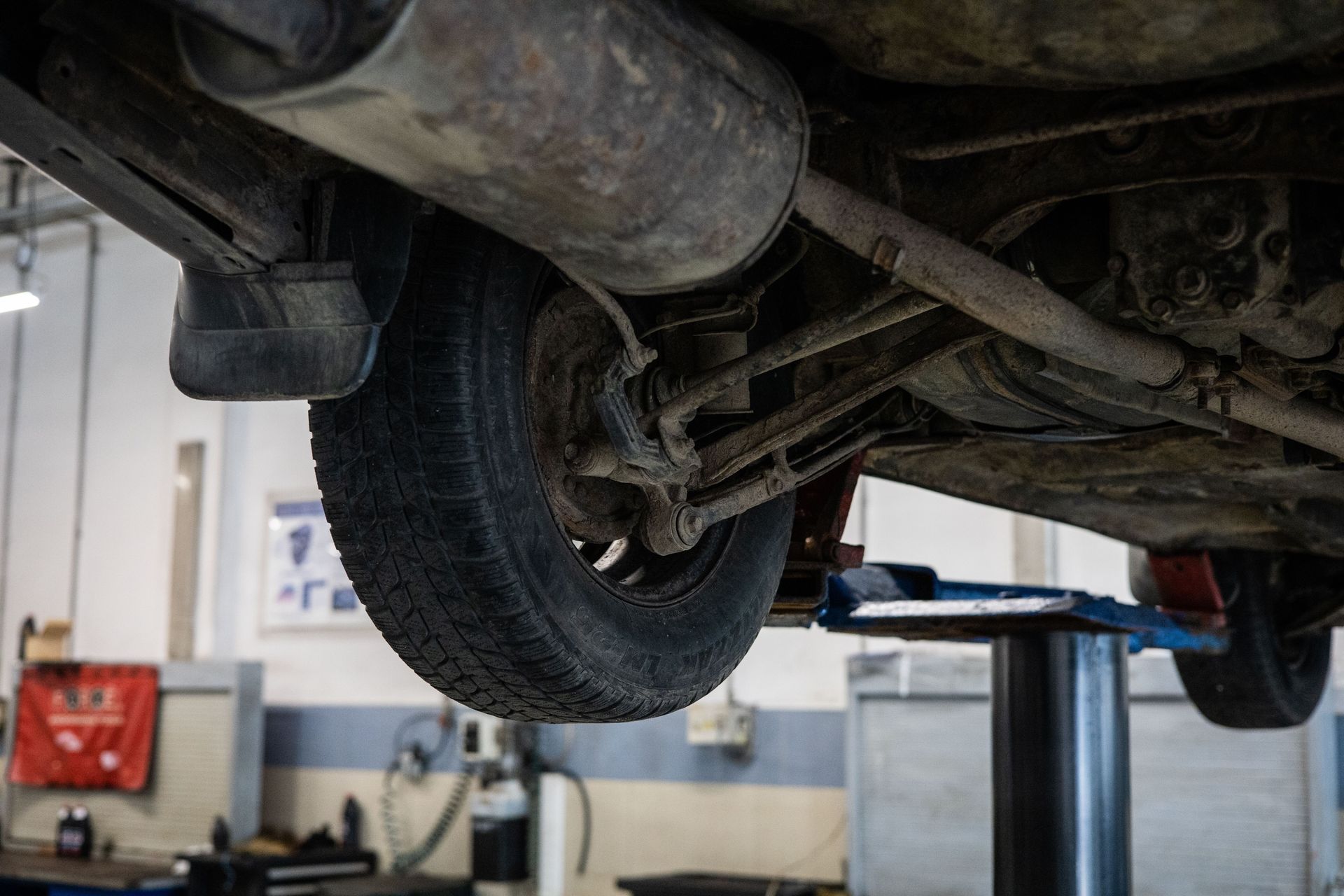
Signes de dommages aux pneus après avoir heurté un nid-de-poule

Reconnaître les premiers signes de dommages aux pneus

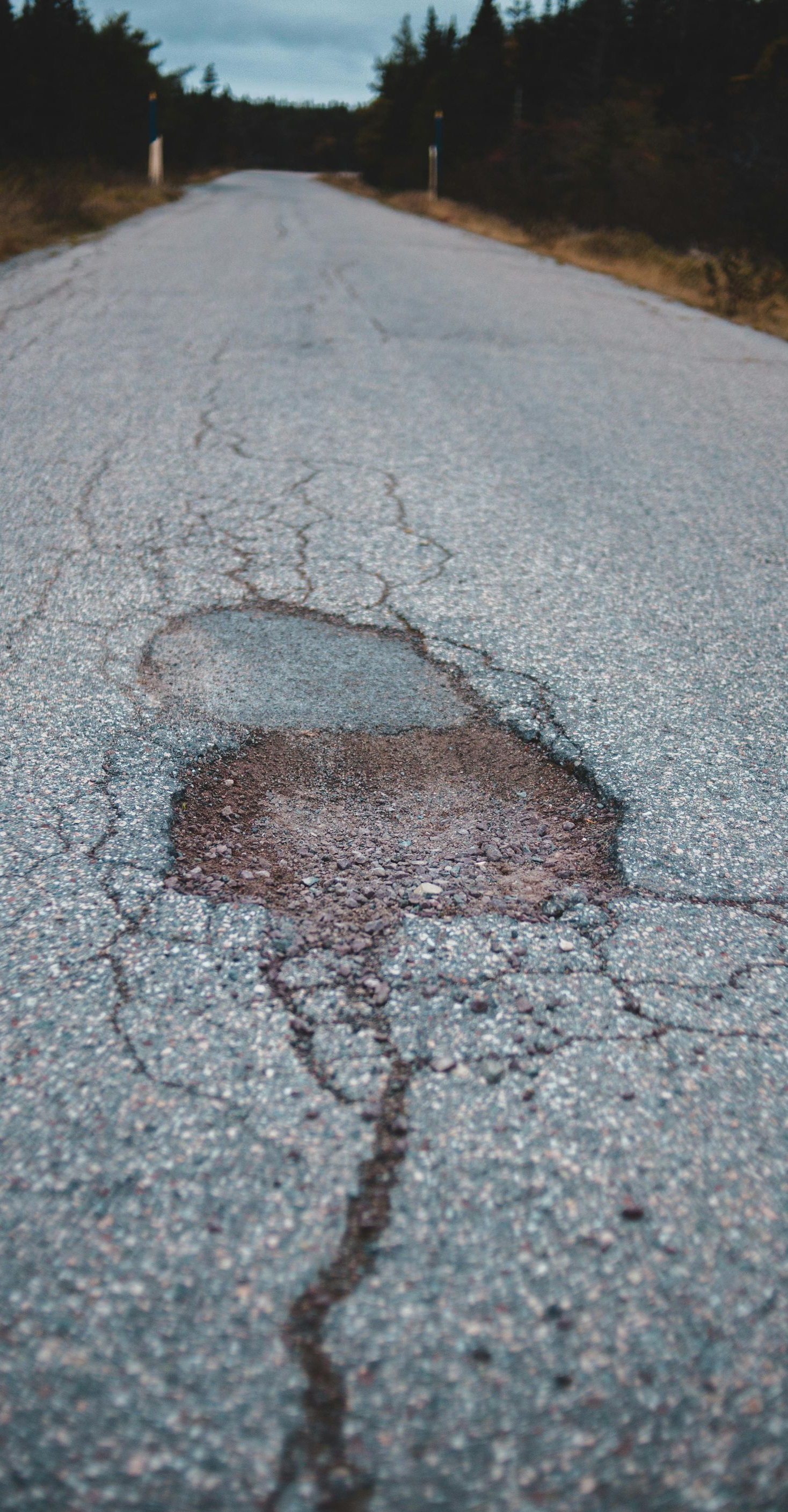
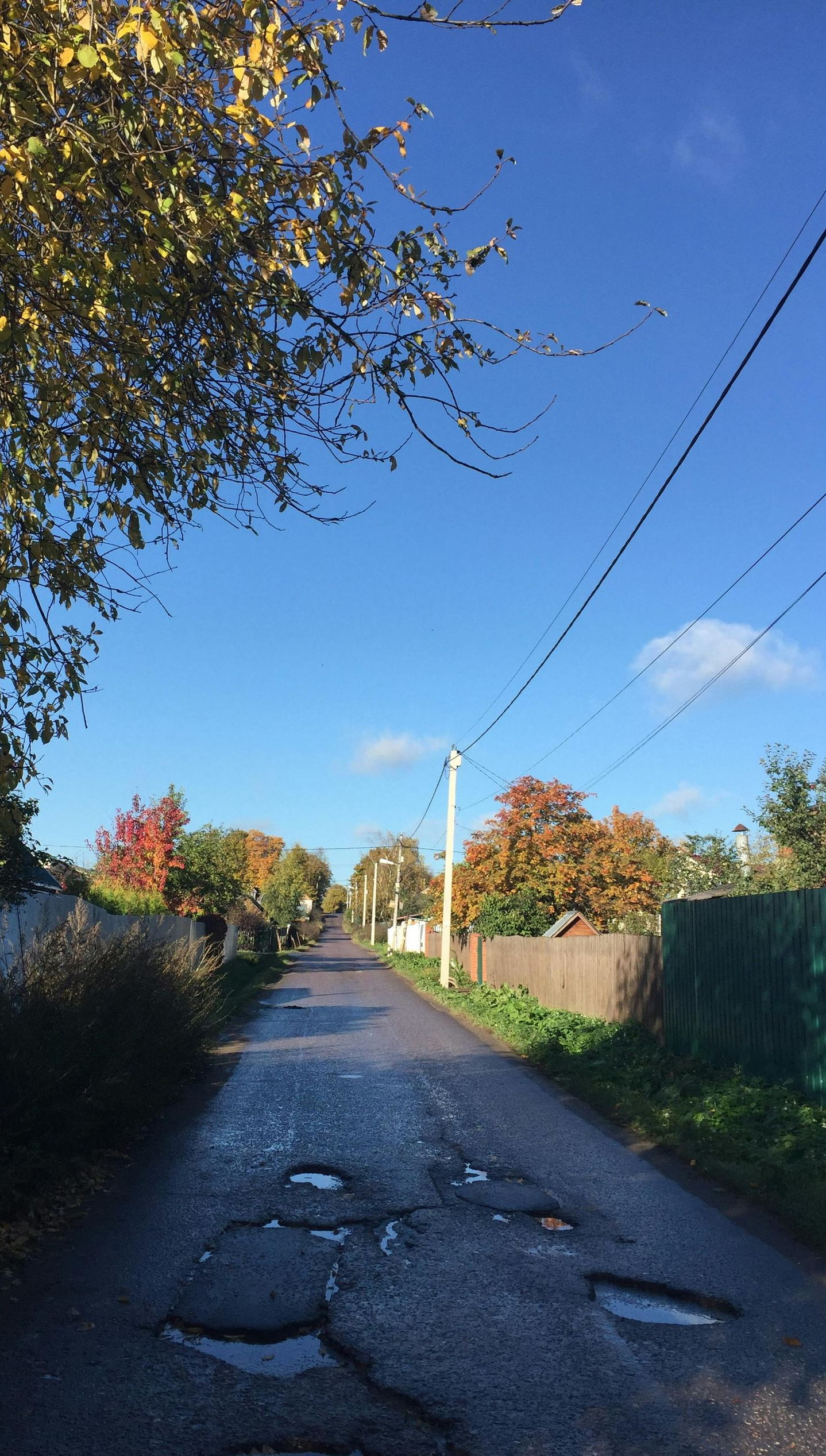
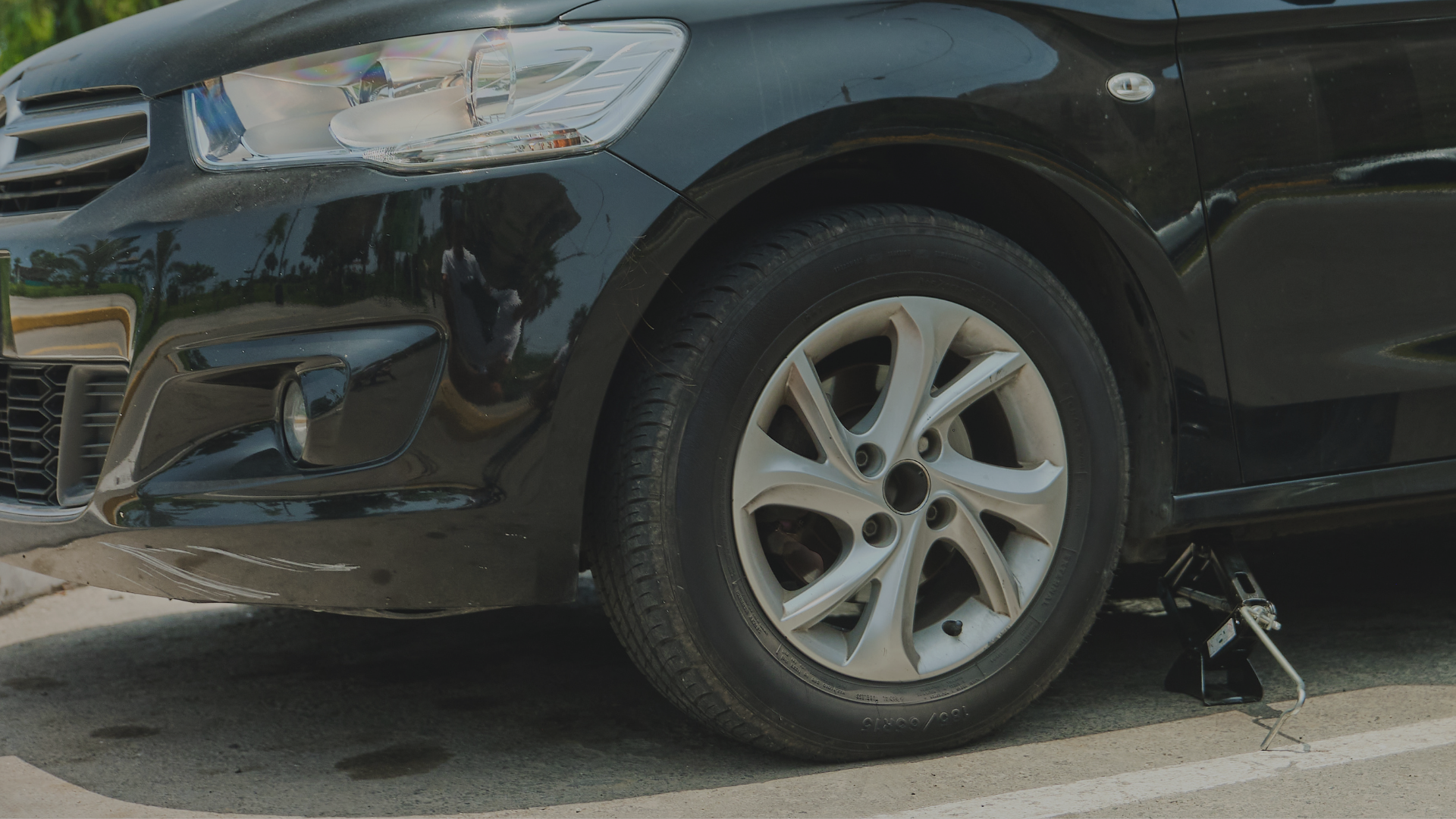
Rouler sur un nid-de-poule est une expérience désagréable que presque tous les conducteurs ont déjà vécue. Parfois, l’impact est mineur, mais dans d’autres cas, heurter un nid-de-poule peut causer des dommages importants à vos pneus et roues. Malheureusement, tous les dommages ne sont pas immédiatement visibles, ce qui rend essentiel de savoir quoi surveiller après un tel incident. Chez Raymond’s Tire Shop, nous voulons que les conducteurs restent en sécurité sur la route en reconnaissant tôt les signes de dommages aux pneus et en prenant des mesures pour éviter d’autres problèmes.
Aerial view of a road with a white van parked on it, surrounded by trees and fields.

Renflements sur le flanc
L’un des résultats les plus courants après avoir heurté un nid-de-poule est l’apparition d’un
renflement sur le flanc du pneu. Cela se produit lorsque l’impact endommage la structure interne, permettant à l’air de traverser les couches et de créer une bulle. Les renflements sur le flanc représentent un grave danger pour la sécurité car ils affaiblissent le pneu et le rendent sujet à une crevaison soudaine. Si vous remarquez un renflement sur vos pneus après avoir heurté un nid-de-poule, ils doivent être inspectés immédiatement.


Usure irrégulière ou excessive de la bande de roulement
Les dommages causés par les nids-de-poule peuvent également affecter l’alignement et la suspension,
entraînant une usure irrégulière de la bande de roulement. Vous pourriez remarquer qu’un côté du pneu s’use plus rapidement que l’autre, ou que le motif de la bande semble irrégulier. Non seulement cela réduit la durée de vie de vos pneus, mais cela diminue aussi la traction et augmente le risque d’accident, surtout par temps de pluie.

Silver sedan speeding on a desert highway, mountains and sparse trees in the background.

Vibrations pendant la conduite
Si vous ressentez une vibration dans le volant ou dans le véhicule après avoir roulé sur un nid-de-poule, cela peut indiquer un dommage aux pneus ou aux roues. Une jante voilée, un dommage interne au pneu ou un problème d’alignement peuvent tous provoquer des vibrations. Même si les pneus semblent intacts à première vue, une inspection professionnelle est nécessaire pour identifier la cause et prévenir une usure supplémentaire ou des problèmes mécaniques.


Perte de pression d’air
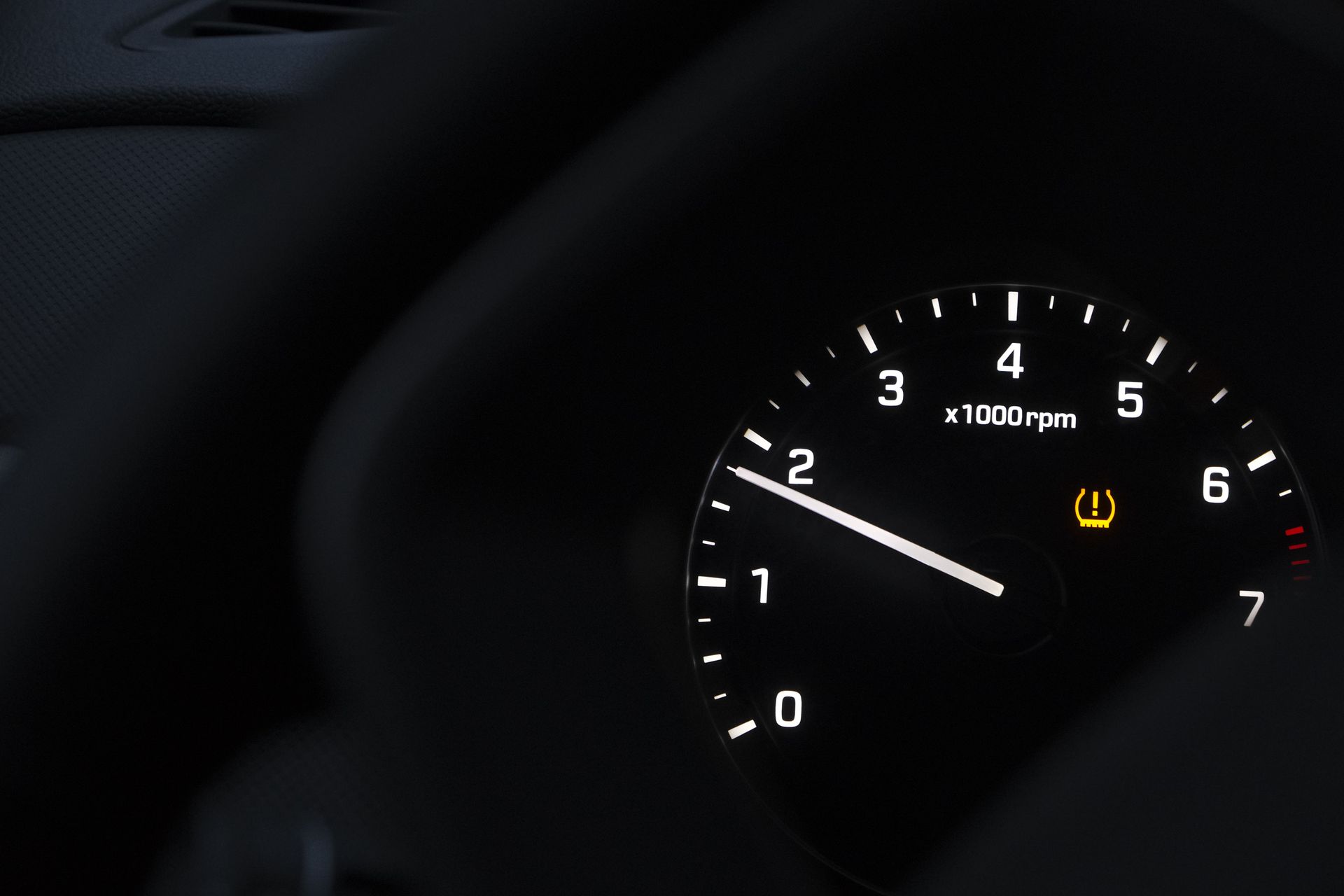
Une perte soudaine ou progressive de pression d’air après un impact avec un nid-de-poule est un autre signe de dommage. Le pneu peut avoir développé une petite perforation, ou le talon qui scelle le pneu à la jante peut avoir été compromis. Conduire avec des pneus sous-gonflés est dangereux, car cela réduit la tenue de route, augmente la consommation de carburant et accroît le risque d’éclatement. Surveiller la pression de vos pneus après avoir heurté un nid-de-poule est une précaution importante.
Tires stacked on yellow metal shelves, close up.

Fissures ou coupures visibles
Dans certains cas, les dommages sont évidents. Les arêtes vives à l’intérieur d’un nid-de-poule peuvent provoquer des fissures ou des coupures dans le caoutchouc du pneu. Même de petites coupures superficielles peuvent s’aggraver avec le temps, surtout sous le stress de la conduite quotidienne. Tout dommage visible doit être pris au sérieux et vérifié par un professionnel pour déterminer si le pneu est encore sûr à utiliser.


Problèmes d’alignement et de direction
Un impact avec un nid-de-poule peut non seulement endommager les pneus, mais aussi perturber
l’alignement des roues. Si votre véhicule commence à tirer d’un côté, ou si le volant semble désaxé, cela peut indiquer des problèmes d’alignement causés par le choc. Un mauvais alignement influence l’usure des pneus et peut compromettre la maniabilité, rendant la conduite plus difficile et moins sécuritaire.
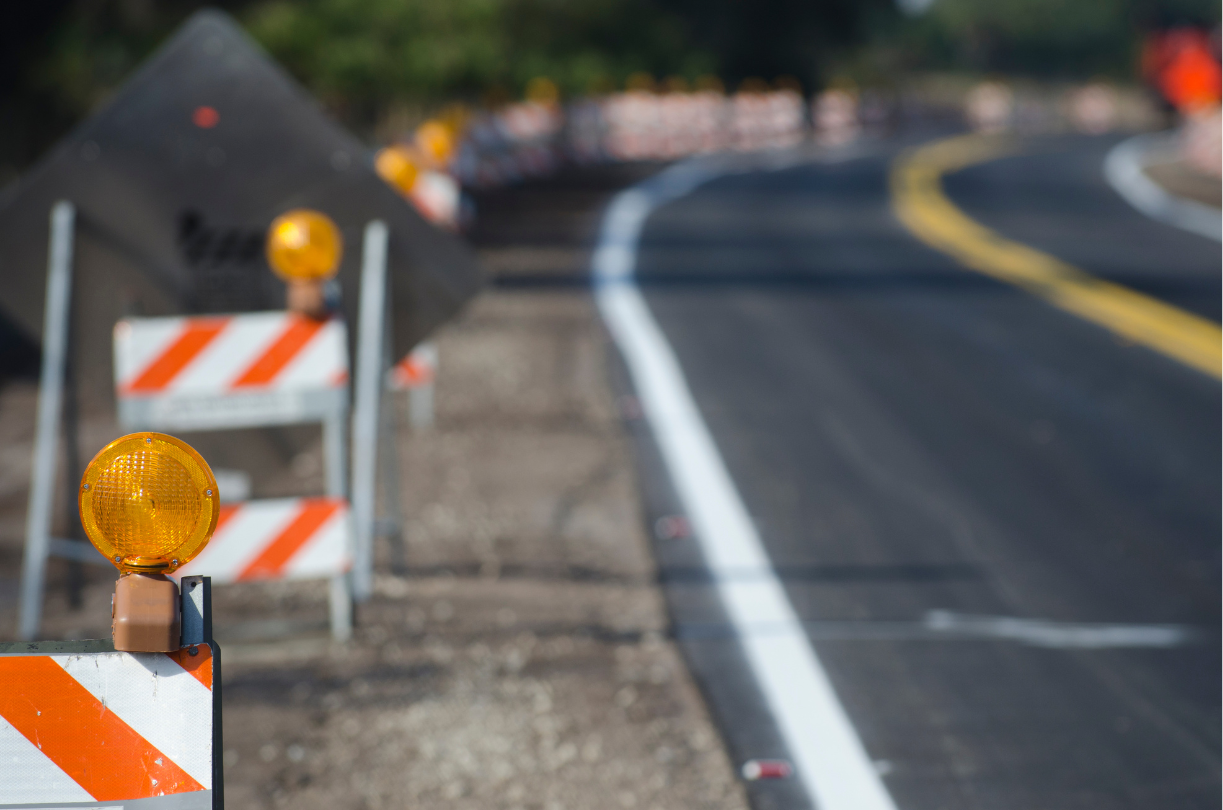
Road construction site with barricades and warning lights on a curved road.

Conclusion
Les nids-de-poule sont un danger inévitable, mais leur impact ne doit jamais être ignoré. Même si un pneu semble intact en surface, des dommages cachés peuvent compromettre la sécurité et les performances. En reconnaissant les signes tels que les renflements, les vibrations, l’usure irrégulière ou la perte de pression, vous pouvez résoudre les problèmes avant qu’ils ne s’aggravent.


Chez Raymond’s Tire Shop, nous offrons des inspections, réparations et remplacements professionnels pour assurer la sécurité des conducteurs après des dommages causés par des nids-de-poule. Si vous soupçonnez un dommage sur vos pneus, notre équipe est prête à évaluer la situation et à recommander la meilleure solution. Protéger votre véhicule commence par prendre les dommages aux pneus au sérieux, et nous sommes là pour vous aider à chaque étape.

Puddle reflecting a bright orange building with windows on cracked asphalt.
Red stop sign on a red pole in front of a street with a car and houses on a sunny day.
Cracked asphalt road with a large pothole, trees in the background, overcast sky.
Paved road with potholes in a rural area, lined with houses, trees with autumn colors, under a blue sky.
Cars in traffic at dusk, lit by streetlights against a colorful sunset sky.
September 23, 2026
Most drivers are familiar with the tire pressure monitoring system , or TPMS, warning light. When it stays on steadily, it usually means one or more tires may be underinflated. A flashing TPMS light often means something different. Instead of simply warning about low tire pressure, a flashing light can indicate a problem with the monitoring system itself. That could involve a sensor, sensor battery, communication issue, or another TPMS-related fault.  Knowing the difference can help drivers avoid assuming that adding air will automatically solve the problem.
September 22, 2026
Tread depth is one of the first things drivers look at when deciding whether a tire still has life left. Deep grooves can make a tire appear healthy, especially if the vehicle is not driven very often. But tread is only part of the picture. Tires age even when they are not being used heavily. Over time, rubber compounds can harden, dry out, and become less flexible. That means an older tire may still have plenty of tread while no longer performing the way it did when it was newer. Rubber Changes With Age Tires are constantly exposed to oxygen, heat, sunlight, moisture, and changing temperatures. Those conditions gradually affect the rubber. As a tire ages, the material can lose some of its elasticity. That may reduce its ability to flex properly as it rolls and responds to the road. A tire that looks acceptable at a quick glance may therefore be significantly older than its appearance suggests. This is especially important for vehicles that accumulate very few miles each year.
September 11, 2026
A flat tire does not always mean the tire has to be replaced. In many cases, a small puncture can be repaired safely and returned to service. The key is where the puncture occurred, how large it is, and whether the tire suffered additional damage while losing air. That is why a professional inspection matters. Two punctures that lo ok similar from the outside may require completely different solutions once the tire is removed and examined internally. Location Matters Most One of the first things a technician looks at is where the puncture is located. Damage in the central tread area is often the best candidate for repair. This part of the tire is designed to handle contact with the road and can sometimes be repaired when the puncture is small and otherwise straightforward. Punctures near the shoulder or sidewall are much more concerning.  These areas flex significantly while the tire is moving and cannot usually be repaired safely using standard puncture-repair methods. If a nail, screw, or other object damages the sidewall or outer shoulder, replacement is often the safer option.
September 6, 2026
A wheel alignment can correct important steering and tire-angle settings, but the alignment itself depends on the suspension being in good mechanical condition. If ball joints, tie rods, control arm bushings, wheel bearings, or other components are worn, the wheels may not stay in the position the technician sets.  That is why some vehicles continue pulling , wearing tires unevenly, or developing an off-center steering wheel even after an alignment. In those cases, the problem may not be the alignment machine or the adjustment. It may be worn suspension or steering components underneath the vehicle.
August 28, 2026
When a tire repeatedly loses air but there is no obvious nail, screw, or visible puncture, the problem may be where the tire meets the wheel. This area is known as the tire bead, and a poor seal between the bead and the rim can allow air to escape gradually. Tire bead leaks are a common cause of slow pressure loss. Understanding why they happen can help drivers recognize when a tire needs professional inspection rather than repeatedly adding air. What Is the Tire Bead? The bead is the reinforced inner edge of the tire that sits tightly against the wheel rim. When a tire is properly mounted and inflated, air pressure helps hold the bead securely against the wheel, creating an airtight seal. If that sealing surface becomes damaged, dirty, corroded, or distorted, a small pathway can develop for air to escape.  Because these leaks may be very small, the tire can lose pressure over several days or weeks rather than going flat immediately.
August 23, 2026
A pothole impact can feel like a quick jolt, but the forces involved can affect several parts of the tire and wheel assembly. The faster the vehicle is moving, the less time the tire has to absorb the impact. In some cases, the damage is immediately obvious. In others, problems may not become noticeable until later. Raymond’s Tire Shop helps drivers inspect tires, wheels, balancing, and alignment after hard road impacts. Understanding what can happen during a pothole strike can make it easier to recognize when a tire needs professional attention. The Tire Is Compressed Extremely Quickly When a tire drops into a pothole and strikes the far edge, the sidewall and tread can be compressed between the road and the wheel. Tires are designed to flex, but a severe impact can exceed what the internal structure can safely absorb.  The risk can be greater when tire pressure is too low because there is less air cushioning between the road surface and the wheel. However, even a properly inflated tire can be damaged by a deep pothole at sufficient speed.