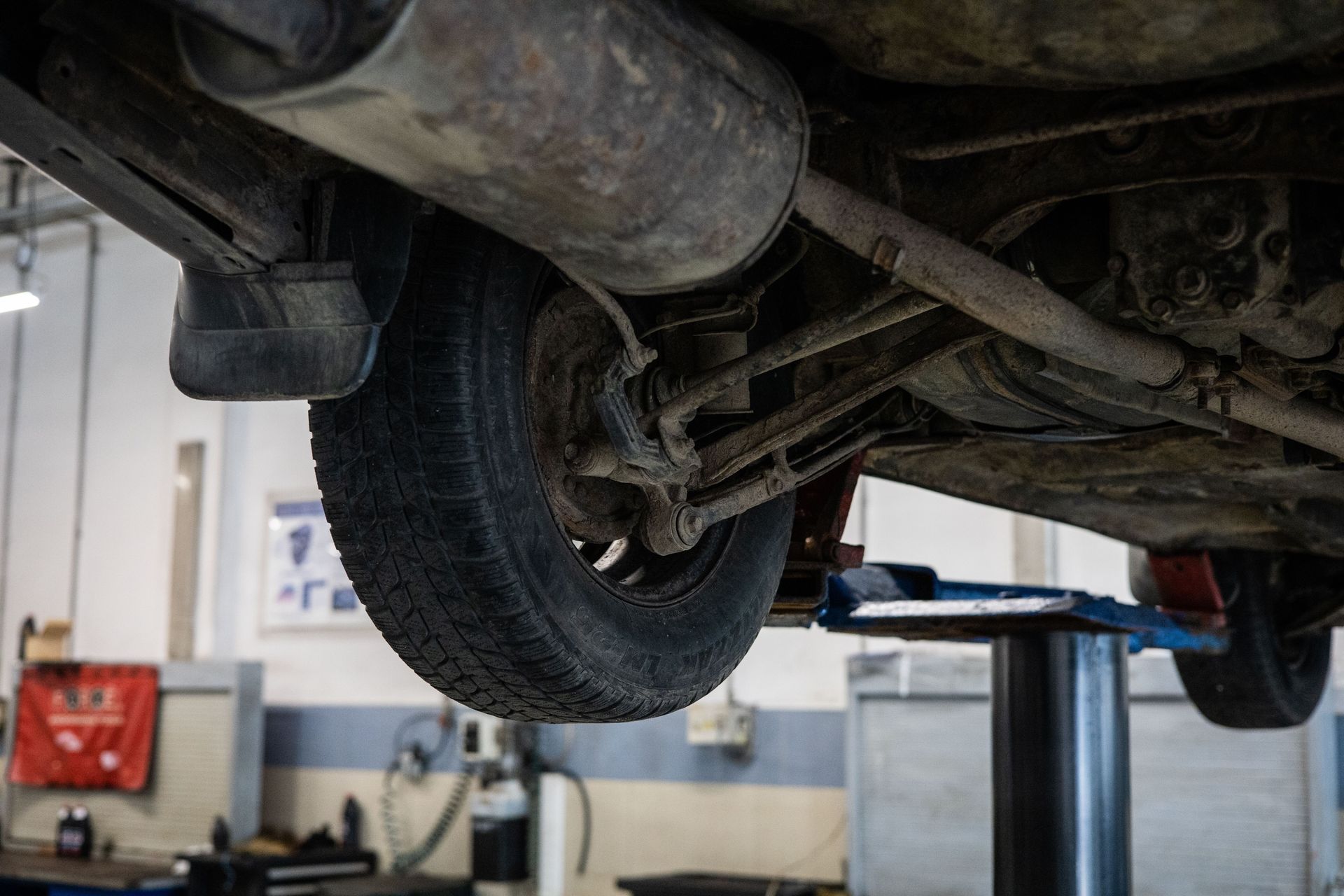
Tire Health Checklist for Holiday Travel

Prepare Your Tires for the Miles Ahead 

The holiday season is one of the busiest times of the year for travel. Families pack their cars, load up luggage, and hit the road to visit loved ones or enjoy a well-deserved getaway. However, before heading out, it is important to make sure your vehicle is ready for the trip, starting with your tires. At Raymond’s Tire Shop, we know that well-maintained tires can make the difference between a safe, smooth trip and an unexpected roadside delay. Here is a complete tire health checklist to help you prepare for holiday travel with confidence.


1. Check Tire Pressure

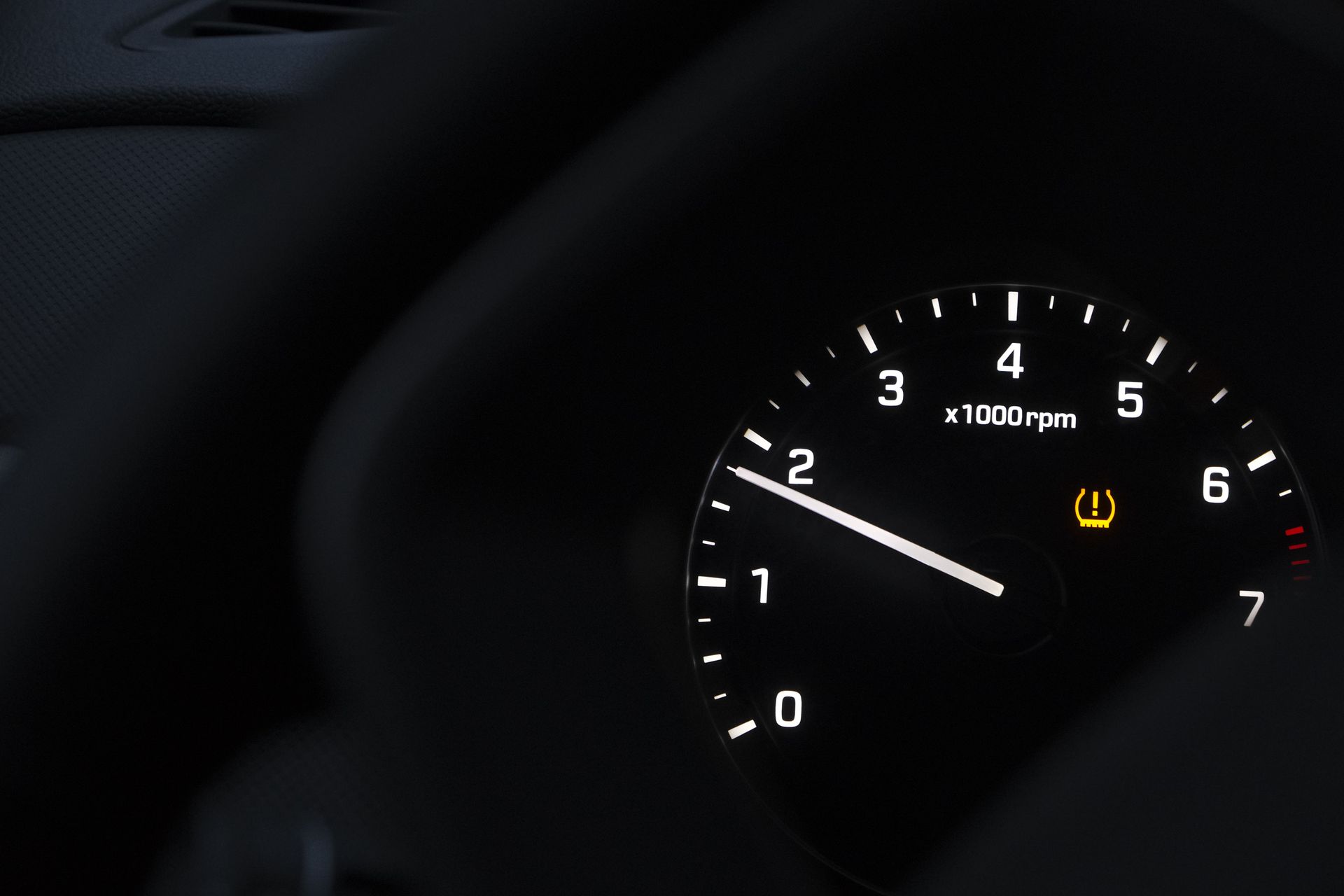
Cold weather affects tire pressure more than most drivers realize. For every 10-degree drop in temperature, tire pressure can decrease by about one pound per square inch. Underinflated tires increase rolling resistance, reduce fuel efficiency, and can cause uneven tread wear. They also make your vehicle harder to handle on wet or icy roads.


Before setting out, check your tire pressure with a reliable gauge and compare it to the manufacturer’s recommended level listed in your vehicle’s owner’s manual or on the driver-side door jamb. If pressure is low, top it off to the proper level. Remember to check your spare tire as well, as many travelers forget it until they actually need it.

Gray car covered in snow parked on a street in front of a building with red window frames.

2. Inspect Tread Depth

Good tread is essential for maintaining traction, especially in winter conditions. Worn-out tread reduces grip on wet or snowy pavement and increases stopping distances. A simple way to check tread depth is the “penny test.” Insert a penny into the tire groove with Lincoln’s head upside down. If you can see the top of his head, the tread is too shallow and it is time to replace the tire.


At Raymond’s Tire Shop, we can perform a professional tread inspection using precise tools to measure wear across the entire tire surface. This ensures you are not only meeting minimum safety standards but also maximizing your tires’ performance and longevity.


3. Look for Visible Damage

Before a long trip, inspect each tire for cracks, cuts, bulges, or embedded objects such as nails or glass. Even small punctures can lead to air loss or blowouts during highway driving. Sidewall damage is especially dangerous because it weakens the structural integrity of the tire.


If you notice any irregularities, visit a professional before driving long distances. Our technicians can determine whether a repair is safe or if replacement is the better option.

Person driving car on snowy road towards mountains.

4. Ensure Proper Wheel Alignment and Balance

Misaligned or unbalanced tires can cause vibrations, uneven wear, and poor handling, all of which can make long drives uncomfortable and unsafe. If your car pulls to one side, or if you feel steering-wheel vibration at certain speeds, it is time to have your alignment and balance checked.


At Raymond’s Tire Shop, we use professional alignment systems to correct uneven angles and ensure each tire contacts the road evenly. This improves steering control and extends the life of your tires.


5. Rotate Tires Before Long Trips

Regular tire rotation promotes even wear across all four tires, improving performance and extending lifespan. Since different tires bear different loads depending on your vehicle’s drivetrain, front and rear tires wear at different rates. Rotating them before a long trip helps maintain consistent traction and ride quality.


We recommend rotating tires approximately every 5,000 to 7,000 miles. If it has been a while since your last rotation, the weeks before holiday travel are an ideal time to schedule this service.

Empty highway through a mountainous, snow-covered landscape under a pale sunset sky.

6. Check Your Spare Tire and Tools

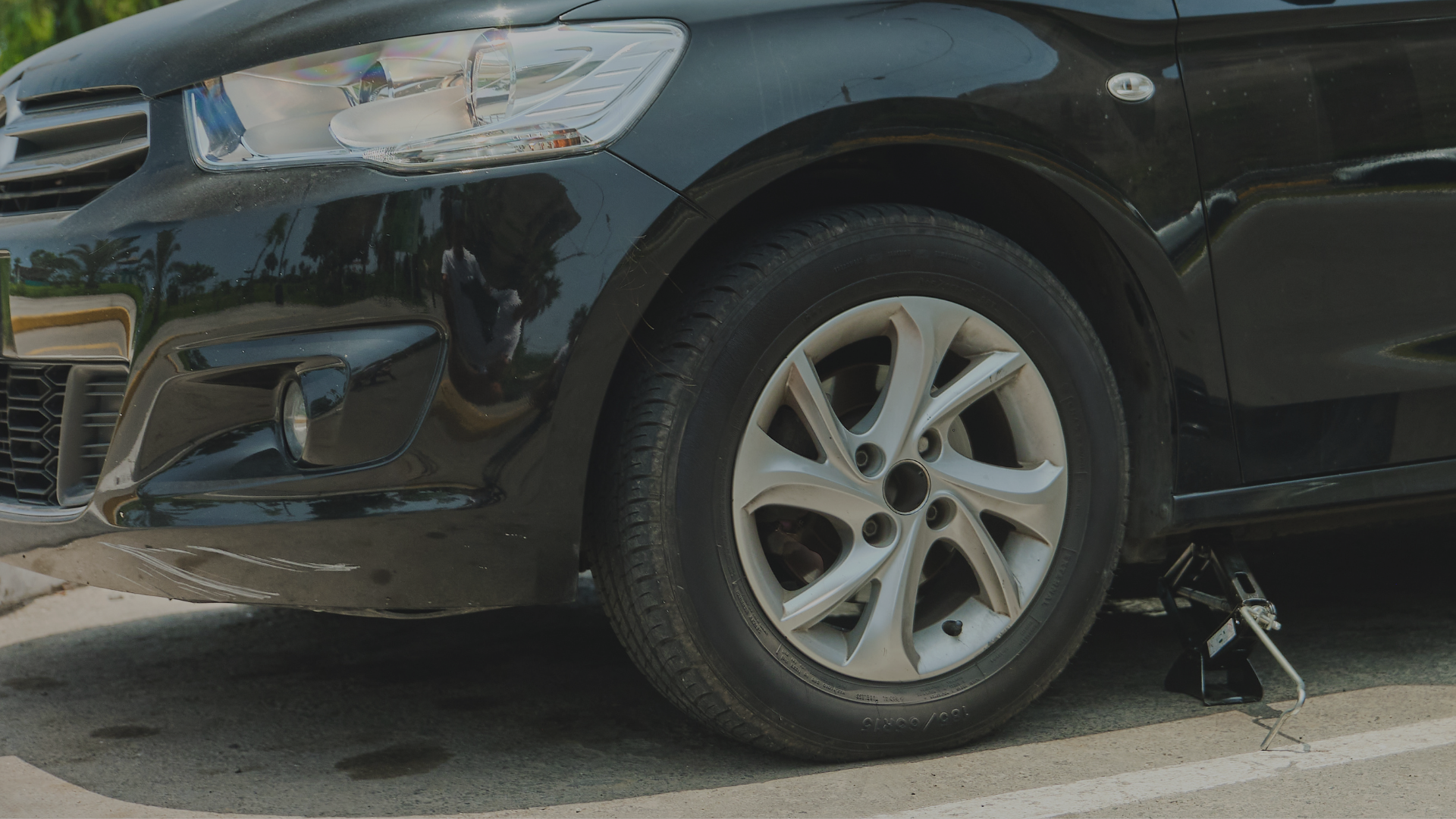
Even the best preparation cannot prevent every flat tire. Before you leave, make sure your spare is properly inflated and in good condition. Also, confirm that your jack, lug wrench, and other tire-changing tools are present and functional. Having these essentials ready can save valuable time if you experience a flat on the road.


Final Thoughts

A holiday road trip should be enjoyable, not stressful. Taking the time to inspect and maintain your tires before departure ensures safety, comfort, and peace of mind for every passenger.


At Raymond’s Tire Shop, we help drivers prepare for seasonal travel by providing expert inspections, replacements, and tire maintenance services. Visit us before your next trip and let our team make sure your vehicle is ready for the miles ahead.

Pathway through trees with patches of snow. Overhead power lines.
Winding road through an autumn forest, with a metal guardrail on the right side.
Black car parked on a road covered in fall leaves; autumn forest in the background.
Snowy street scene, a person walking down a path through deep snow. Buildings and a utility pole line the street.
August 28, 2026
When a tire repeatedly loses air but there is no obvious nail, screw, or visible puncture, the problem may be where the tire meets the wheel. This area is known as the tire bead, and a poor seal between the bead and the rim can allow air to escape gradually. Tire bead leaks are a common cause of slow pressure loss. Understanding why they happen can help drivers recognize when a tire needs professional inspection rather than repeatedly adding air. What Is the Tire Bead? The bead is the reinforced inner edge of the tire that sits tightly against the wheel rim. When a tire is properly mounted and inflated, air pressure helps hold the bead securely against the wheel, creating an airtight seal. If that sealing surface becomes damaged, dirty, corroded, or distorted, a small pathway can develop for air to escape.  Because these leaks may be very small, the tire can lose pressure over several days or weeks rather than going flat immediately.
August 23, 2026
A pothole impact can feel like a quick jolt, but the forces involved can affect several parts of the tire and wheel assembly. The faster the vehicle is moving, the less time the tire has to absorb the impact. In some cases, the damage is immediately obvious. In others, problems may not become noticeable until later. Raymond’s Tire Shop helps drivers inspect tires, wheels, balancing, and alignment after hard road impacts. Understanding what can happen during a pothole strike can make it easier to recognize when a tire needs professional attention. The Tire Is Compressed Extremely Quickly When a tire drops into a pothole and strikes the far edge, the sidewall and tread can be compressed between the road and the wheel. Tires are designed to flex, but a severe impact can exceed what the internal structure can safely absorb.  The risk can be greater when tire pressure is too low because there is less air cushioning between the road surface and the wheel. However, even a properly inflated tire can be damaged by a deep pothole at sufficient speed.
August 16, 2026
Tires are one of the most important safety components on any vehicle because they are the only parts that maintain direct contact with the road. As tires wear, their ability to grip pavement, channel water, and respond predictably can gradually decline. The challenge is that unsafe tire conditions are not always obvious until performance has already been affected.  Raymond’s Tire Shop helps drivers evaluate tread wear, tire damage, pressure issues, alignment problems, and other conditions that can affect tire safety. Knowing what to look for can help you recognize when a tire needs professional attention or replacement.
August 7, 2026
Most drivers think of tires simply as the round rubber components that allow a vehicle to roll down the road. In reality, tires are sophisticated pieces of engineering that perform several essential functions every time a vehicle is in motion. They support the weight of the vehicle, transmit steering and braking forces, absorb road irregularities, and maintain traction in changing driving conditions. Every acceleration, turn, and stop depends on these four small contact patches where the tires meet the road.  Understanding the primary functions of a tire helps drivers appreciate why routine maintenance and timely replacement are so important. Raymond’s Tire Shop helps customers choose quality tires and maintain them properly so their vehicles continue to perform safely and efficiently throughout the life of the tire.
July 31, 2026
Understanding how your tires interact with wet pavement is one of the most important parts of safe driving. While most drivers know that rain can make roads slippery, fewer understand how hydroplaning occurs or why it can cause a vehicle to suddenly lose traction. Knowing what causes hydroplaning—and how proper tire maintenance can reduce the risk—can help you stay safer during wet weather.  At Raymond’s Tire Shop, we believe that informed drivers make safer decisions. Keeping your tires in excellent condition is one of the best ways to improve vehicle performance when road conditions are less than ideal.
July 23, 2026
Your tires are one of the hardest-working components of your vehicle. They provide traction, support your vehicle’s weight, absorb impacts from the road, and help you maintain control in a wide range of driving conditions. Because they experience constant wear, replacing tires is an expected part of vehicle ownership. However, proper maintenance can help maximize their lifespan, improve performance, and save you money over time. Many of the factors that affect tire longevity are within a driver’s control. By following a few simple maintenance practices, you can help your tires wear more evenly and perform as intended throughout their service life.