Understanding Hydroplaning Before It Happens: How Proper Tire Maintenance Improves Wet-Weather Safety
Understanding how your tires interact with wet pavement is one of the most important parts of safe driving. While most drivers know that rain can make roads slippery, fewer understand how hydroplaning occurs or why it can cause a vehicle to suddenly lose traction. Knowing what causes hydroplaning—and how proper tire maintenance can reduce the risk—can help you stay safer during wet weather.
At Raymond’s Tire Shop, we believe that informed drivers make safer decisions. Keeping your tires in excellent condition is one of the best ways to improve vehicle performance when road conditions are less than ideal.

What Is Hydroplaning?
Hydroplaning occurs when a layer of water builds up between your tires and the road surface. Instead of maintaining direct contact with the pavement, the tires begin riding on top of the water. When this happens, steering, braking, and acceleration become much less effective because the tires are no longer gripping the road.
Hydroplaning can range from a brief loss of traction to a more significant loss of vehicle control, depending on road conditions, tire condition, and driving speed.
Why Does Hydroplaning Happen?
Several factors contribute to hydroplaning, with standing water being the most obvious. However, the amount of water is only one part of the equation.
Vehicle speed plays a major role. As speed increases, tires have less time to push water away from the contact patch where the rubber meets the road. If water cannot escape quickly enough through the tire’s tread grooves, it begins to lift the tire off the pavement.
Road surface conditions also matter. Smooth pavement, worn asphalt, and low spots where water collects can all increase the likelihood of hydroplaning during heavy rain.

The Importance of Tire Tread
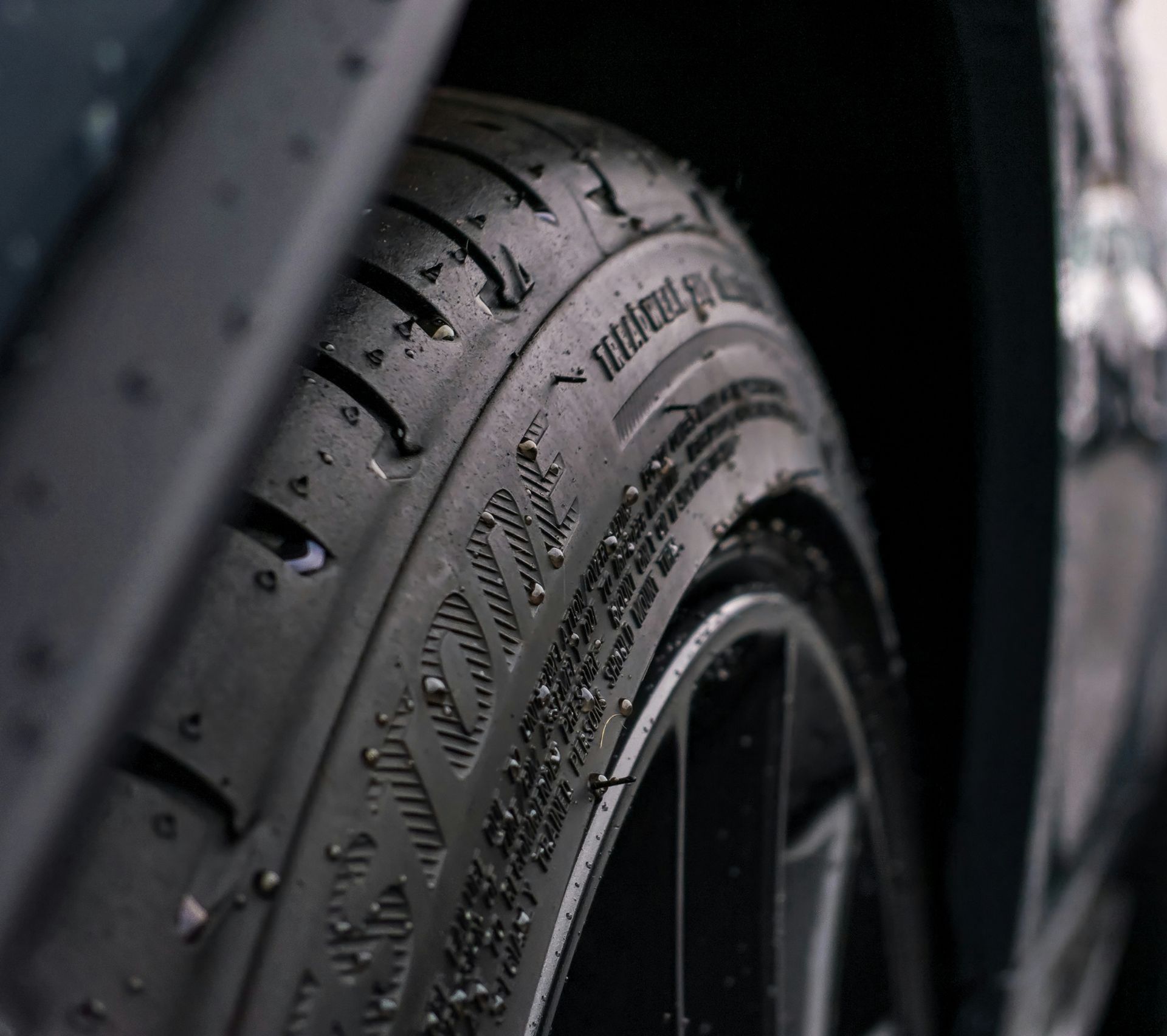
Your tire’s tread is specifically engineered to channel water away from the tire as it rolls across wet pavement. The grooves and channels act like small drainage pathways, helping maintain contact with the road.
As tires wear down, these grooves become shallower and less effective at moving water. With less tread depth available, even moderate rainfall can increase the likelihood of reduced traction.
Regular tire inspections allow technicians to monitor tread wear and recommend replacement before performance is significantly affected.

Tire Pressure Matters More Than Many Drivers Realize
Proper tire inflation also contributes to wet-weather performance.
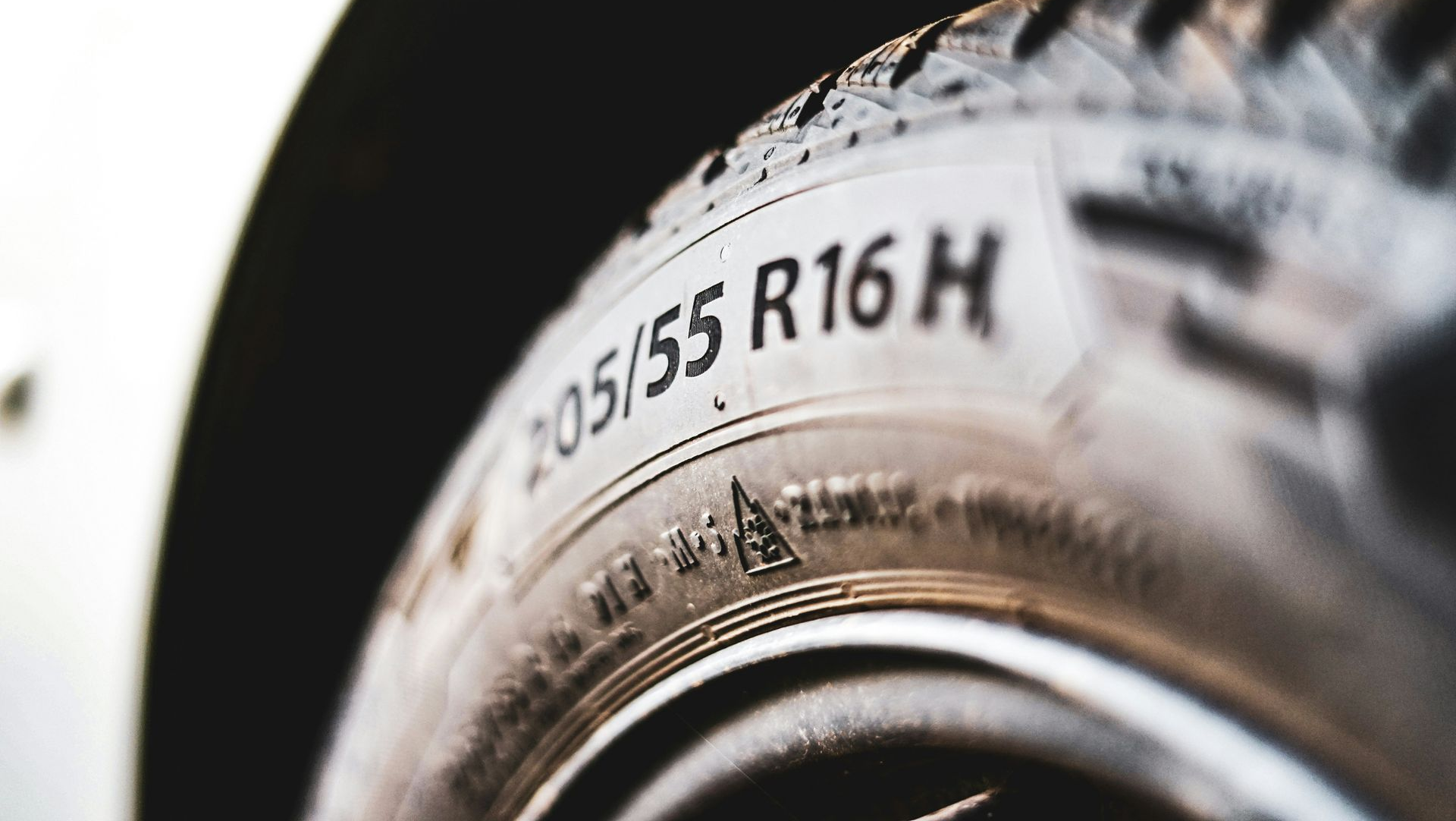
Underinflated tires can change the shape of the contact patch, affecting how efficiently water is dispersed. Overinflated tires may also alter how the tire contacts the road. Maintaining the manufacturer’s recommended tire pressure helps optimize handling, braking, and traction under a variety of driving conditions.
Checking tire pressure regularly is a simple maintenance task that supports both safety and tire longevity.
What Should You Do If Your Vehicle Hydroplanes?
If you experience hydroplaning, remaining calm is essential.
Avoid slamming on the brakes or making sudden steering corrections. Instead, gradually ease off the accelerator and allow the tires an opportunity to regain contact with the road. Keep the steering wheel pointed in the direction you want the vehicle to travel, making only smooth, controlled adjustments as traction returns.
Once you have regained control, reduce your speed and continue driving cautiously until road conditions improve.

Reducing Your Risk Before the Rain Starts
Although no tire can completely eliminate the possibility of hydroplaning, proper maintenance can significantly improve wet-weather performance.
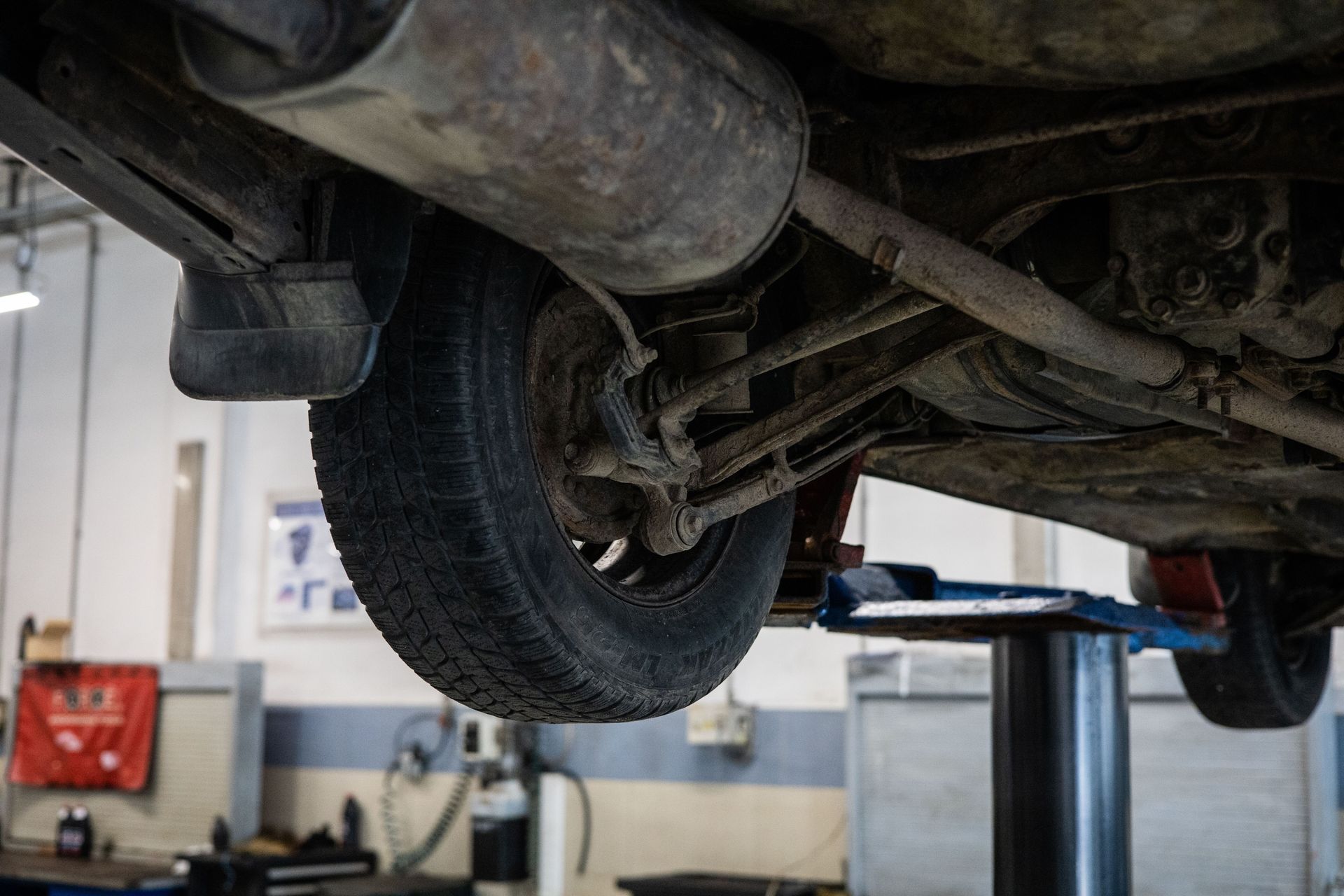
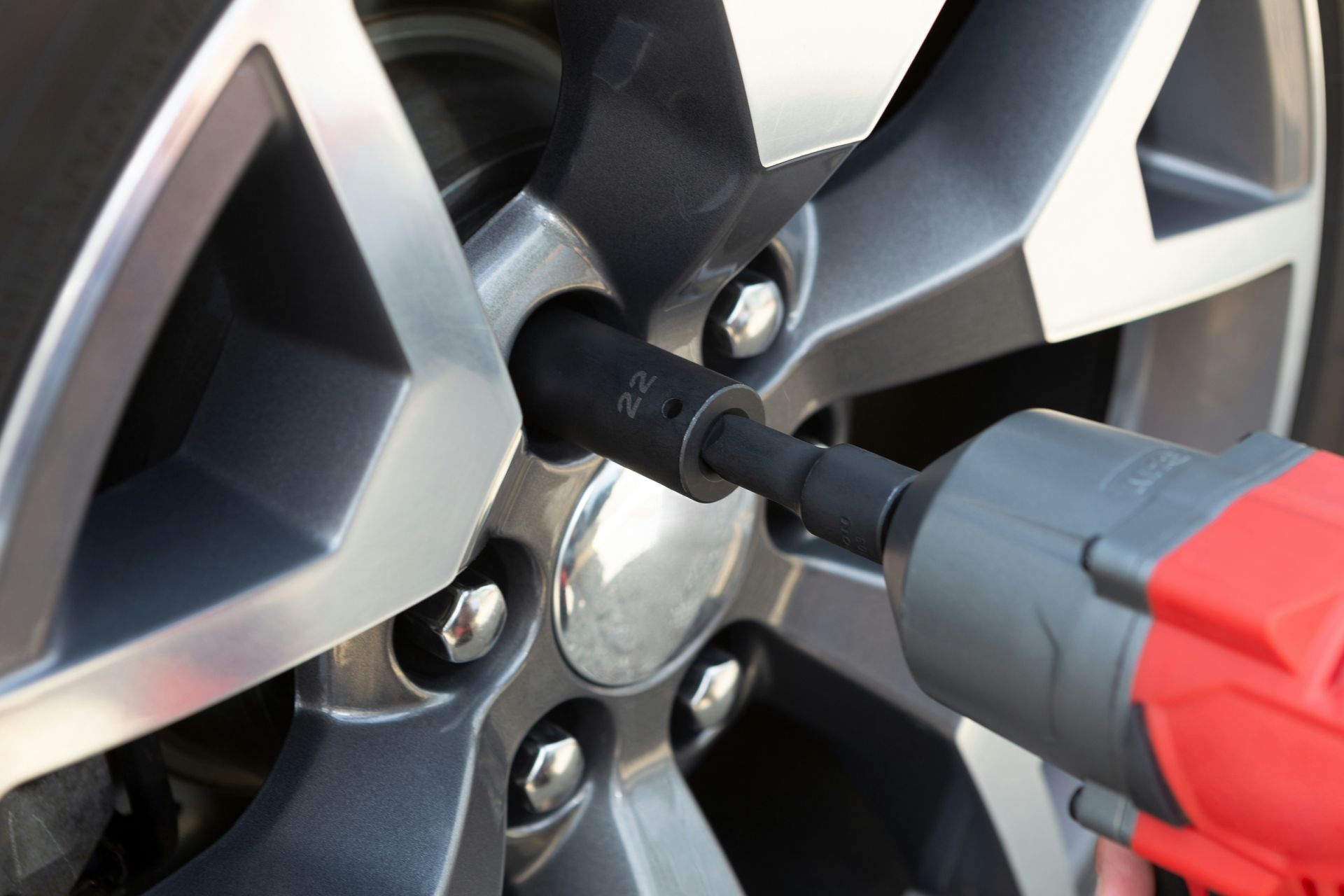
Having your tires inspected regularly allows worn tread, uneven wear patterns, or improper inflation to be addressed before they become larger safety concerns. Routine tire rotations, wheel alignments, and balancing also help promote even tread wear, allowing your tires to perform as intended throughout their service life.
Replacing tires before the tread becomes excessively worn is another important step in maintaining dependable traction during rainy conditions.

Drive With Confidence in Every Season
Rain is an unavoidable part of driving, but hydroplaning does not have to catch you by surprise. Understanding how water, speed, tire tread, and tire pressure work together can help you make safer decisions whenever the roads are wet.
At Raymond’s Tire Shop, our experienced team is here to help you get the most from your tires. Whether you need a tire inspection, wheel alignment, balancing service, or a new set of tires, we are committed to helping you drive with confidence in every season. Contact Raymond’s Tire Shop today to schedule your next tire service and ensure your vehicle is ready for whatever the road brings.