Cómo la instalación de neumáticos en juegos completos suele ofrecer un mejor manejo y un desempeño superior

Maximizar el control del vehículo

Cuando llega el momento de reemplazar neumáticos desgastados o dañados, muchos conductores se preguntan si deben instalar un neumático, un par o un juego completo de cuatro. Aunque hay situaciones en las que el reemplazo parcial es inevitable, instalar un juego completo suele ofrecer ventajas significativas en el manejo, la seguridad y el desempeño a largo plazo. En Raymond’s Tire Shop, ayudamos a los conductores a entender cómo la coincidencia de neumáticos influye en la forma en que un vehículo responde en la carretera. Cuando los cuatro neumáticos comparten el mismo dibujo, edad, compuesto y nivel de desgaste, el vehículo está mejor preparado para funcionar como se espera en una variedad de condiciones de manejo.
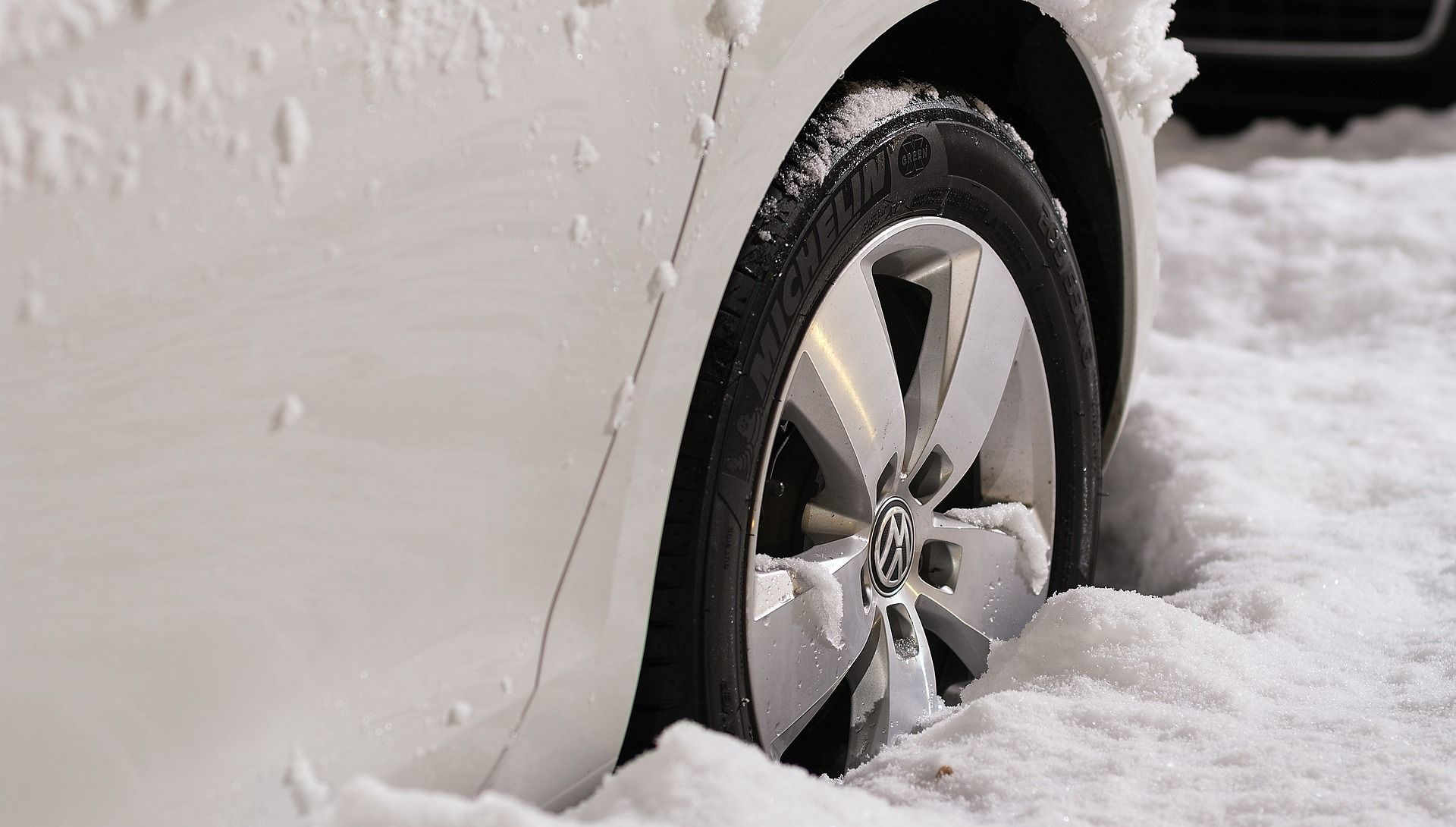
White car wheel stuck in deep snow.

Por qué la coincidencia de neumáticos es importante para la estabilidad del vehículo

Cada neumático contribuye a cómo un vehículo acelera, frena y gira. Cuando los neumáticos difieren en profundidad o diseño de la banda de rodadura, estas funciones esenciales pueden desequilibrarse. Un neumático con una banda más profunda puede agarrarse mejor al camino que uno desgastado, lo que puede hacer que el vehículo se desvíe hacia un lado o se sienta menos estable al tomar curvas. Mezclar diferentes patrones de banda también puede afectar la tracción, ya que cada diseño canaliza el agua de manera distinta e interactúa con el pavimento a su manera.


Al instalar un juego completo, los conductores mantienen una tracción uniforme en las cuatro ruedas. Esto ayuda al vehículo a responder de manera predecible cuando el camino está mojado o irregular. La tracción uniforme también favorece un mejor desempeño de frenado, ya que todos los neumáticos pueden agarrarse al pavimento de manera similar. Un manejo predecible es uno de los beneficios más importantes de reemplazar los cuatro neumáticos al mismo tiempo.
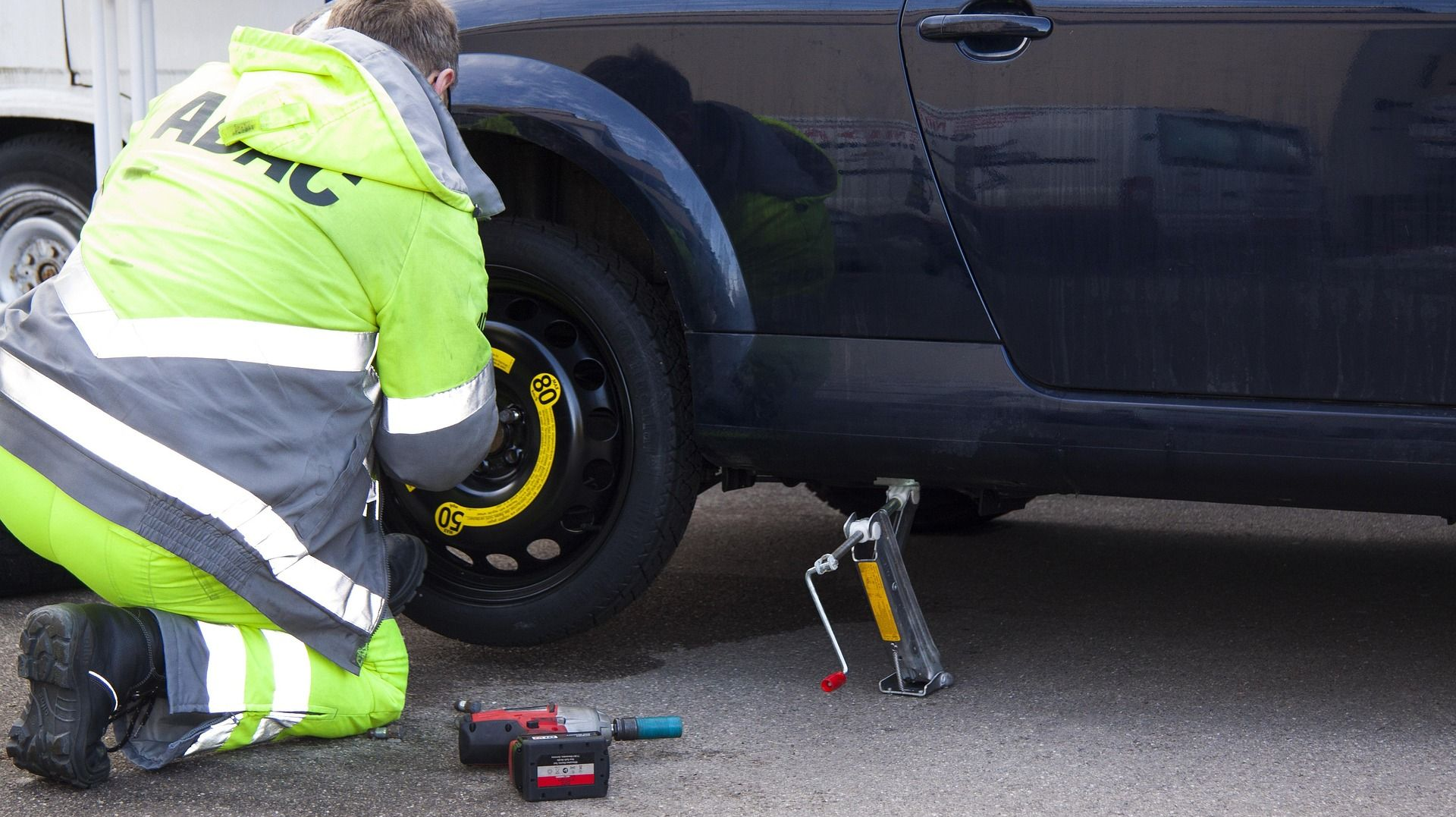
Roadside worker in yellow vest changing a tire on a dark blue car, using tools on pavement.

Cómo la instalación de un juego completo mejora la respuesta de dirección

Los neumáticos influyen en la precisión de la dirección, especialmente a altas velocidades. Cuando se instalan neumáticos con diferente profundidad de banda o niveles de rigidez, el sistema de dirección puede tener dificultades para ofrecer una respuesta clara. El conductor puede notar un ligero retraso en la respuesta de la dirección o una sensación imprecisa al girar el volante.


Con un juego completo de neumáticos coincidentes, el sistema de dirección funciona de manera más natural. Cada neumático responde al camino de la misma forma, lo que permite al conductor mantener cambios de dirección suaves y controlados. Esta consistencia contribuye a una experiencia de conducción más cómoda y segura, especialmente durante maniobras de emergencia.
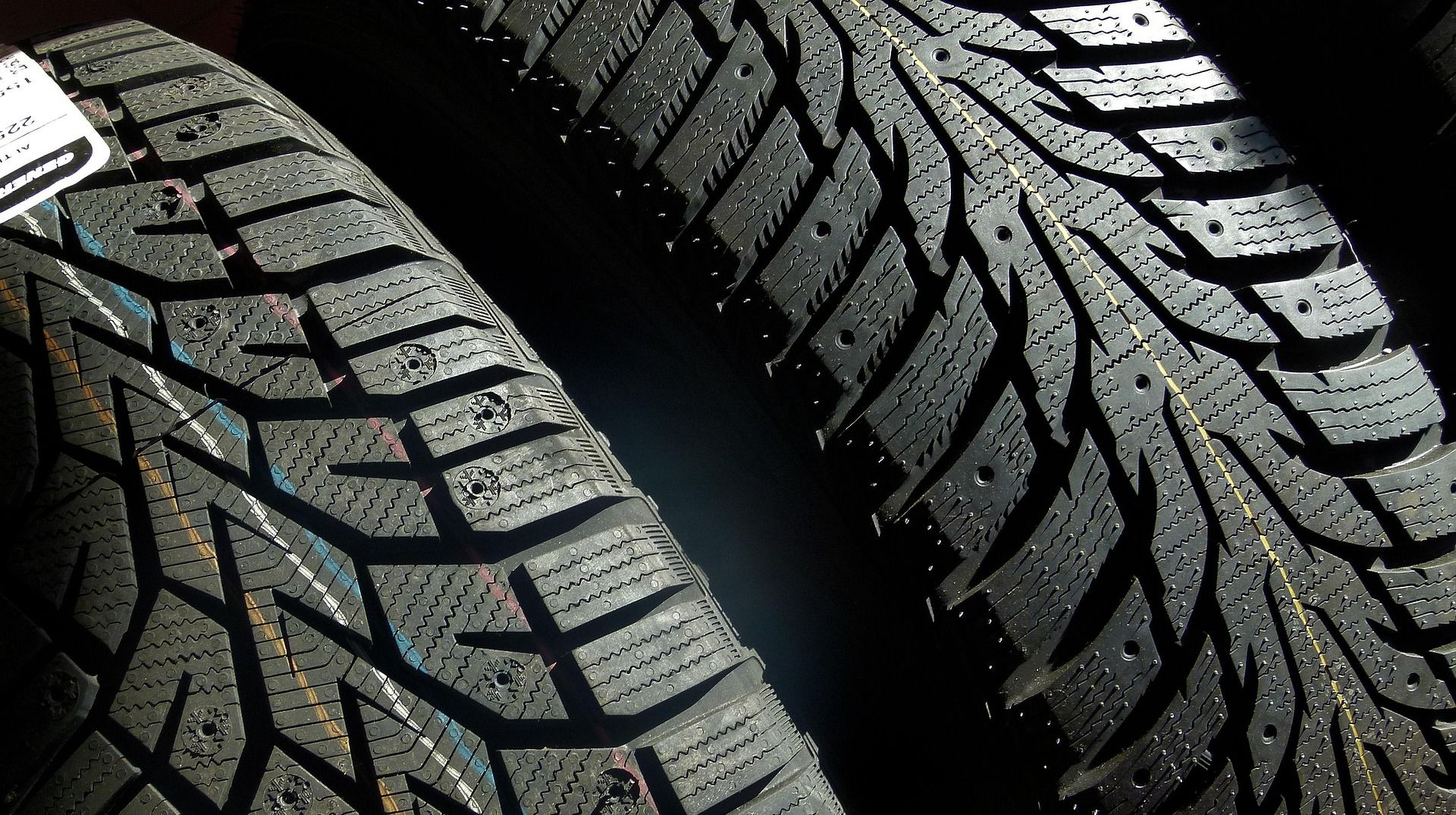
Close-up view of two black car tires with deep treads, likely winter tires.

Mejor desempeño en condiciones húmedas y resbaladizas

Conducir sobre pavimento mojado requiere que los neumáticos canalicen el agua lejos del área de contacto para mantener el agarre del vehículo. Cuando solo uno o dos neumáticos tienen una banda nueva y profunda, pueden canalizar el agua más eficazmente que los anteriores. Este desequilibrio puede causar tracción irregular y reducir el control en superficies resbaladizas.


Instalar un juego completo garantiza que los cuatro neumáticos tengan la misma capacidad para manejar agua, nieve o residuos sueltos. Los vehículos tienen menos probabilidades de perder tracción cuando todos los neumáticos comparten características de desempeño similares. Para los conductores que viajan con frecuencia bajo lluvia o en caminos con acumulación de agua, esta consistencia ofrece una ventaja de seguridad importante.
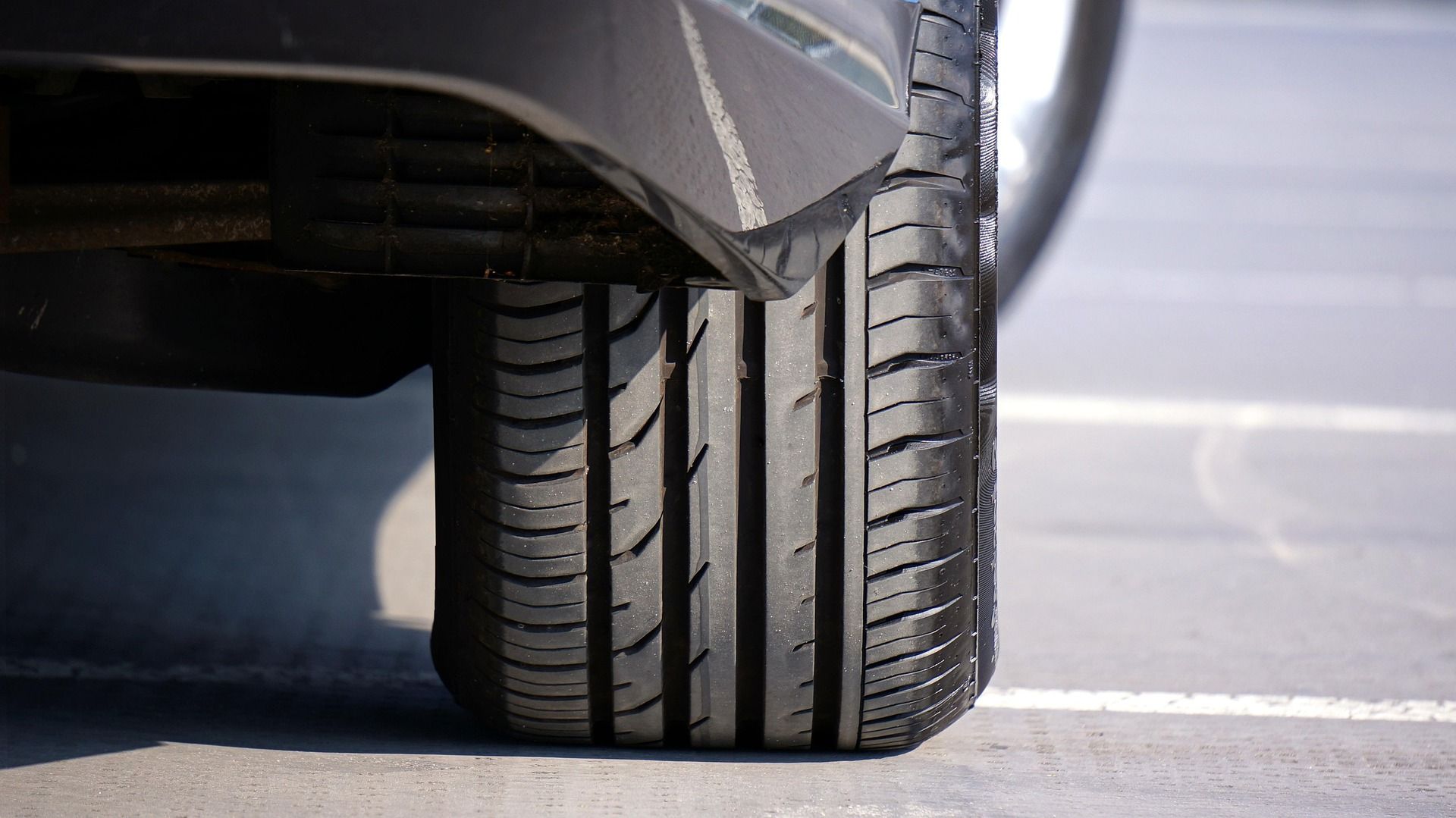
Close-up of a car tire on a concrete surface, showing tire tread.

Beneficios para vehículos con tracción en las cuatro ruedas y tracción delantera

Aunque un juego completo beneficia a cualquier vehículo, es especialmente importante para los sistemas de tracción en las cuatro ruedas. Estos sistemas dependen de una altura y circunferencia de neumático uniformes para funcionar sin problemas. Las diferencias significativas entre neumáticos pueden generar tensión adicional en los componentes del tren motriz. Algunos fabricantes incluso recomiendan reemplazar los neumáticos en juegos completos para proteger la integridad del sistema.


Los vehículos con tracción delantera y trasera también se benefician de neumáticos coincidentes, ya que la tracción desequilibrada entre los ejes puede causar un comportamiento de manejo irregular. Aunque estos sistemas son menos sensibles que los de tracción total, aun así funcionan mejor cuando todos los neumáticos coinciden.
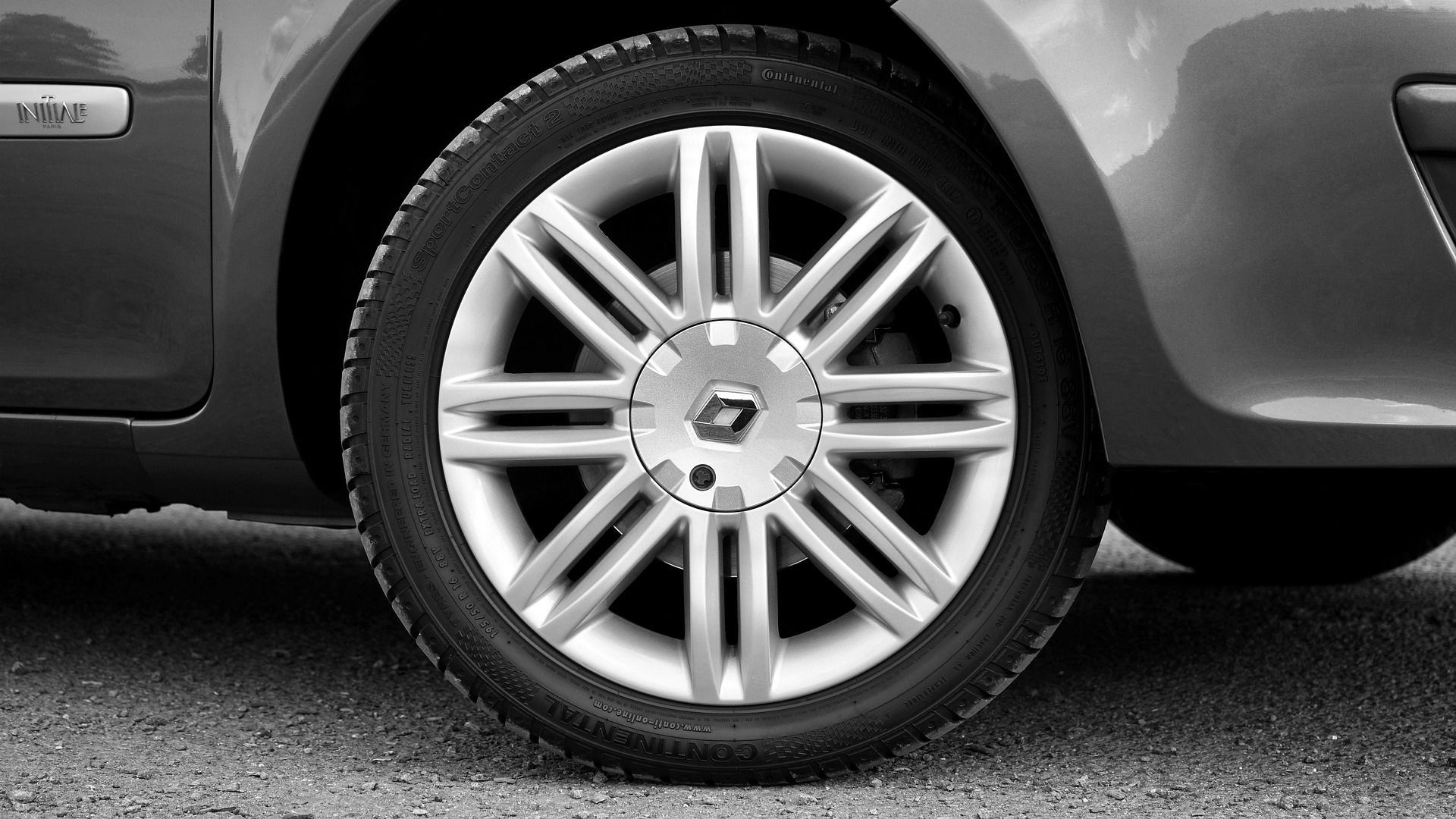
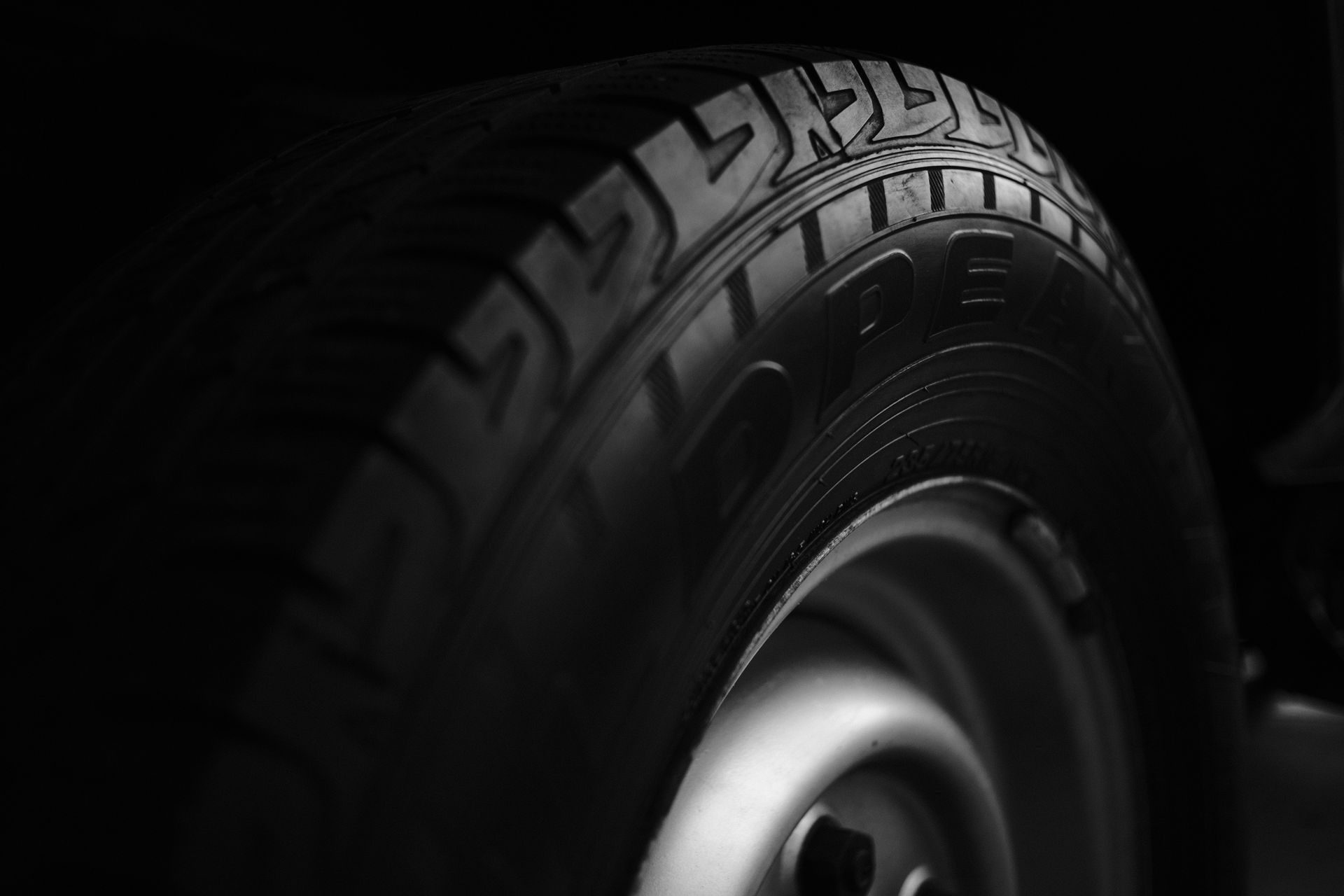
Black and white close-up of a car wheel with a tire and Renault logo, parked on gravel.

Mayor durabilidad de los neumáticos gracias a un desgaste uniforme

Instalar un juego completo al mismo tiempo también ayuda a garantizar un desgaste uniforme. Cuando los neumáticos envejecen juntos, se desgastan a un ritmo similar y ofrecen un desempeño constante durante toda su vida útil. Esto facilita rotarlos de manera regular y prolongar su duración.


Cuando los neumáticos se reemplazan individualmente, los patrones de desgaste pueden desajustarse, lo que puede acortar la vida útil de los neumáticos más nuevos. Un juego completo ayuda a prevenir este desgaste desigual y aporta un mejor valor a largo plazo.


Creando una experiencia de conducción más segura y consistente

Instalar neumáticos en juegos completos ayuda a los conductores a lograr un manejo más suave, una tracción uniforme y un desempeño general mejorado. En Raymond’s Tire Shop, alentamos a los conductores a considerar los beneficios a largo plazo de un juego totalmente coincidente siempre que sea posible. Al elegir cuatro neumáticos diseñados para funcionar juntos, los conductores disfrutan de una experiencia más segura y predecible en cada camino y en cada estación.
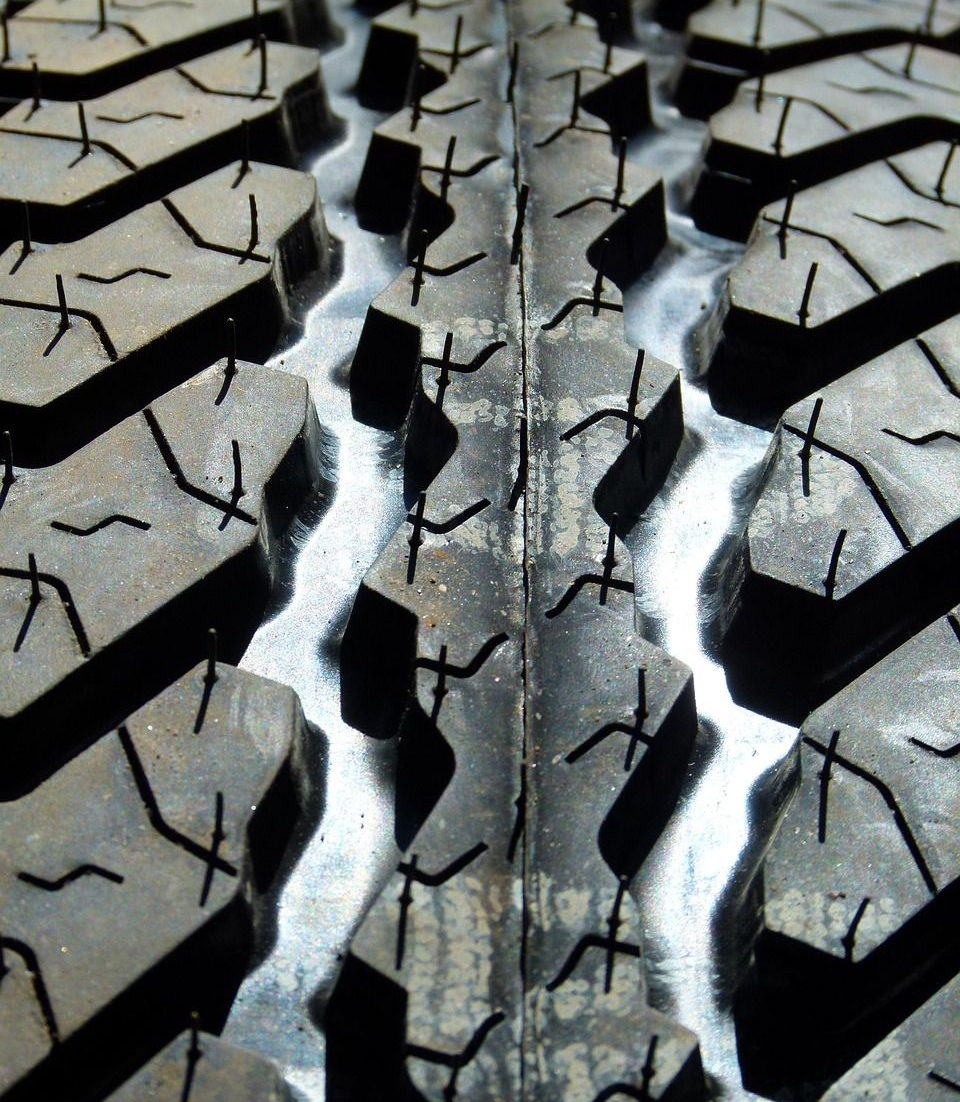
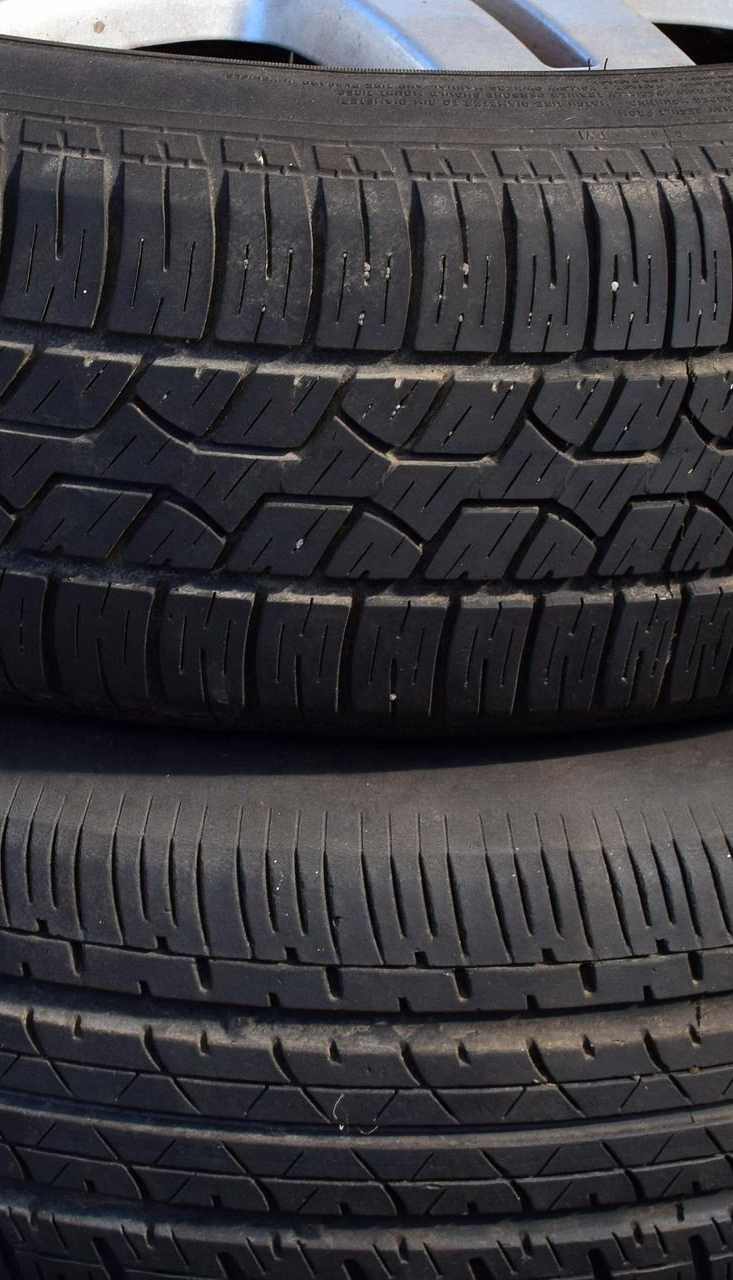
Close-up view of a tire tread with deep, angled grooves and small, textured sipes.
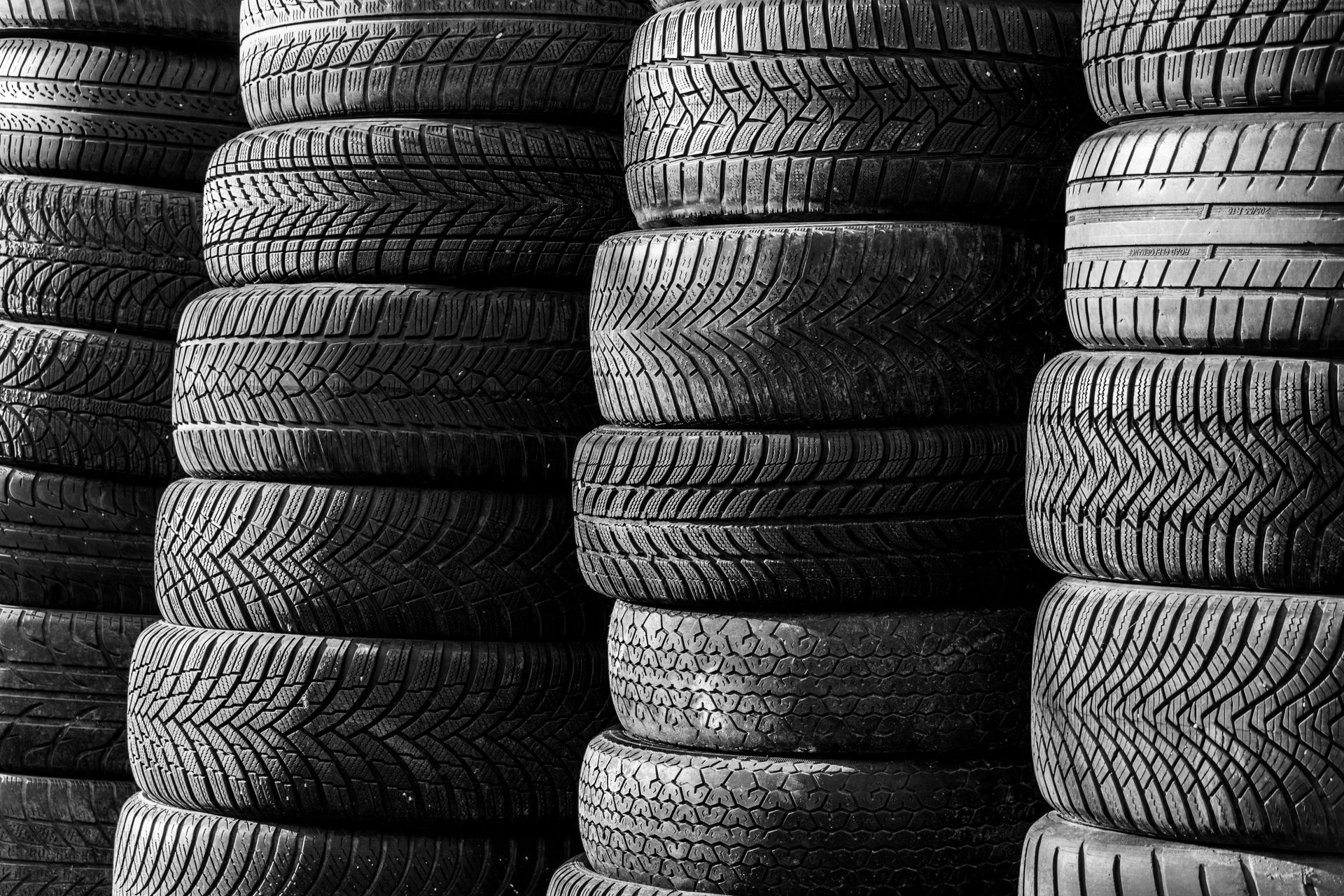
Two stacked black tires with textured treads, resting indoors.
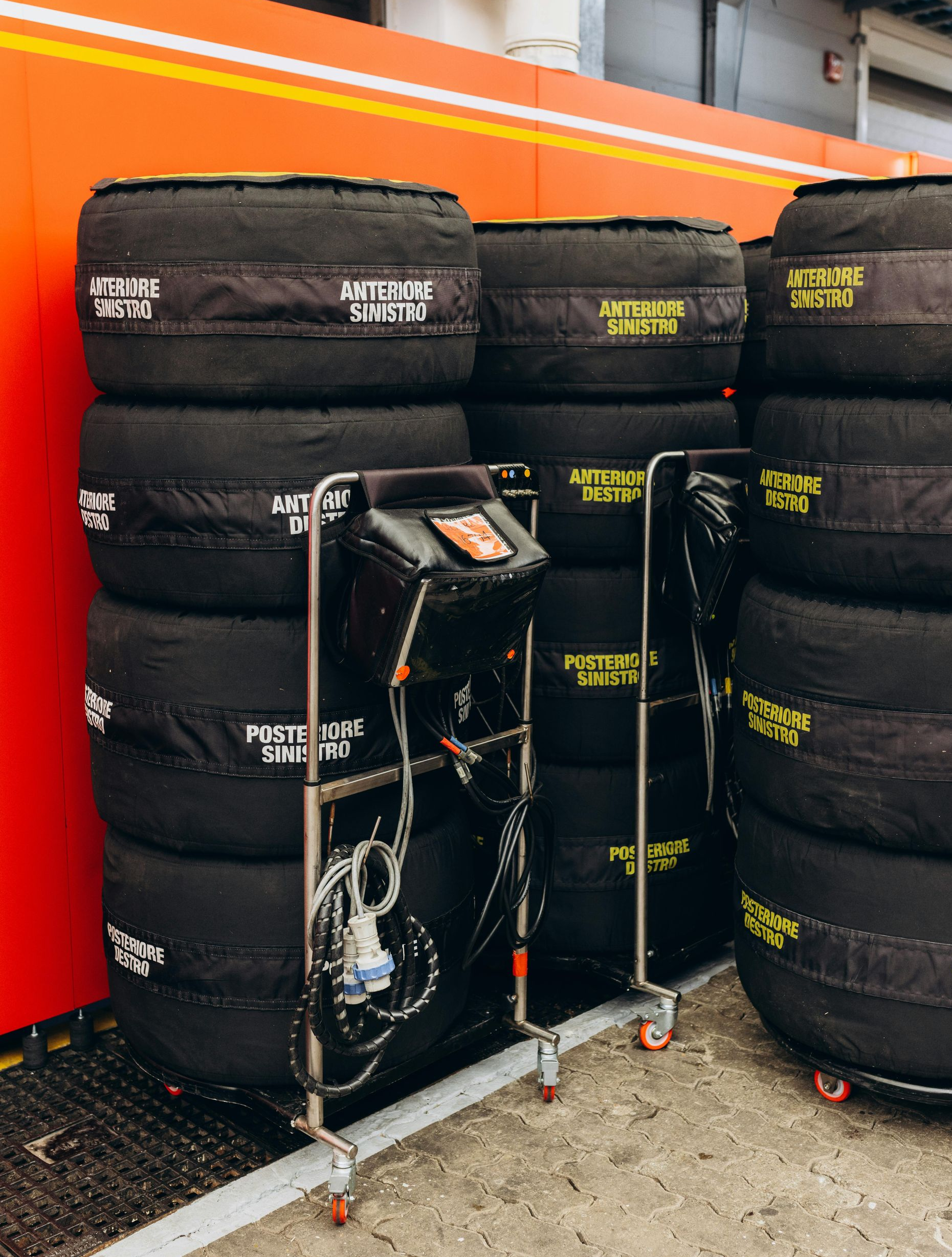
Tires with covers stacked near a cart with monitoring equipment inside a garage, possibly a race setting.
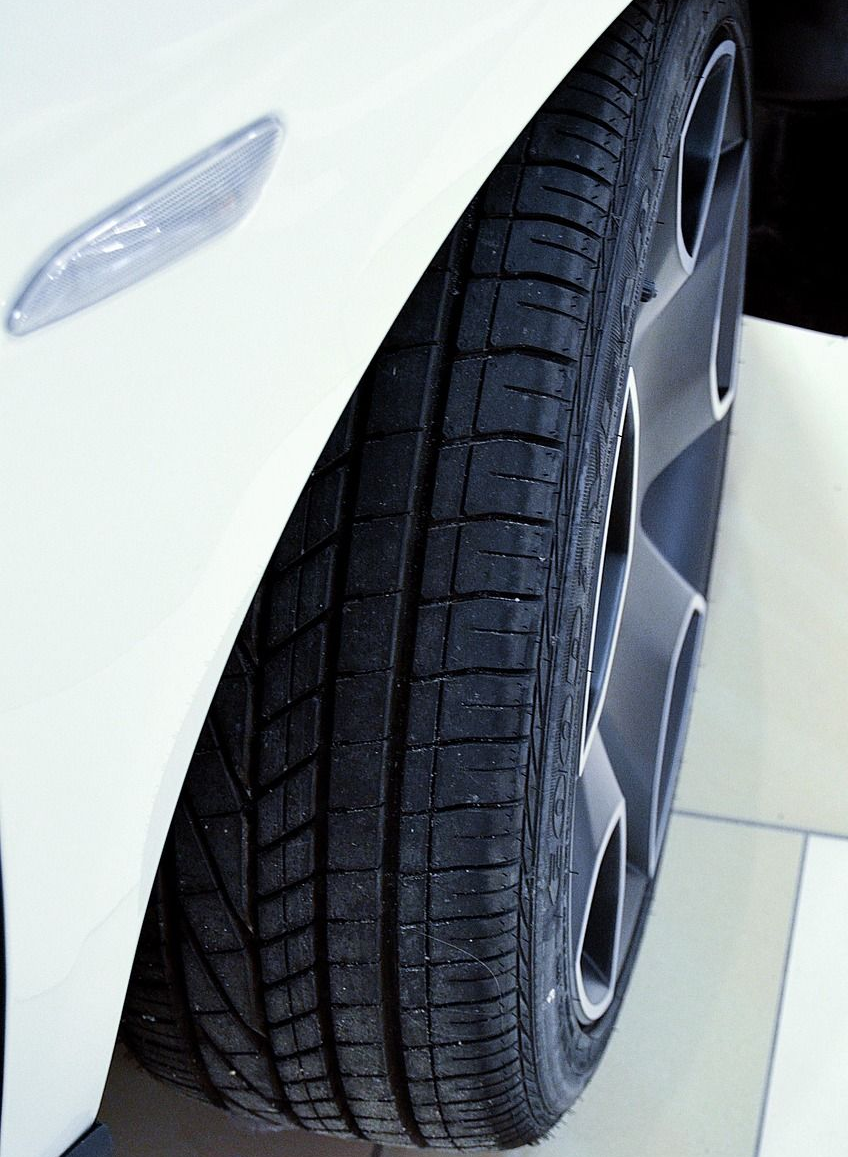
Close-up of a white car's tire and wheel; the tire has a black tread pattern.
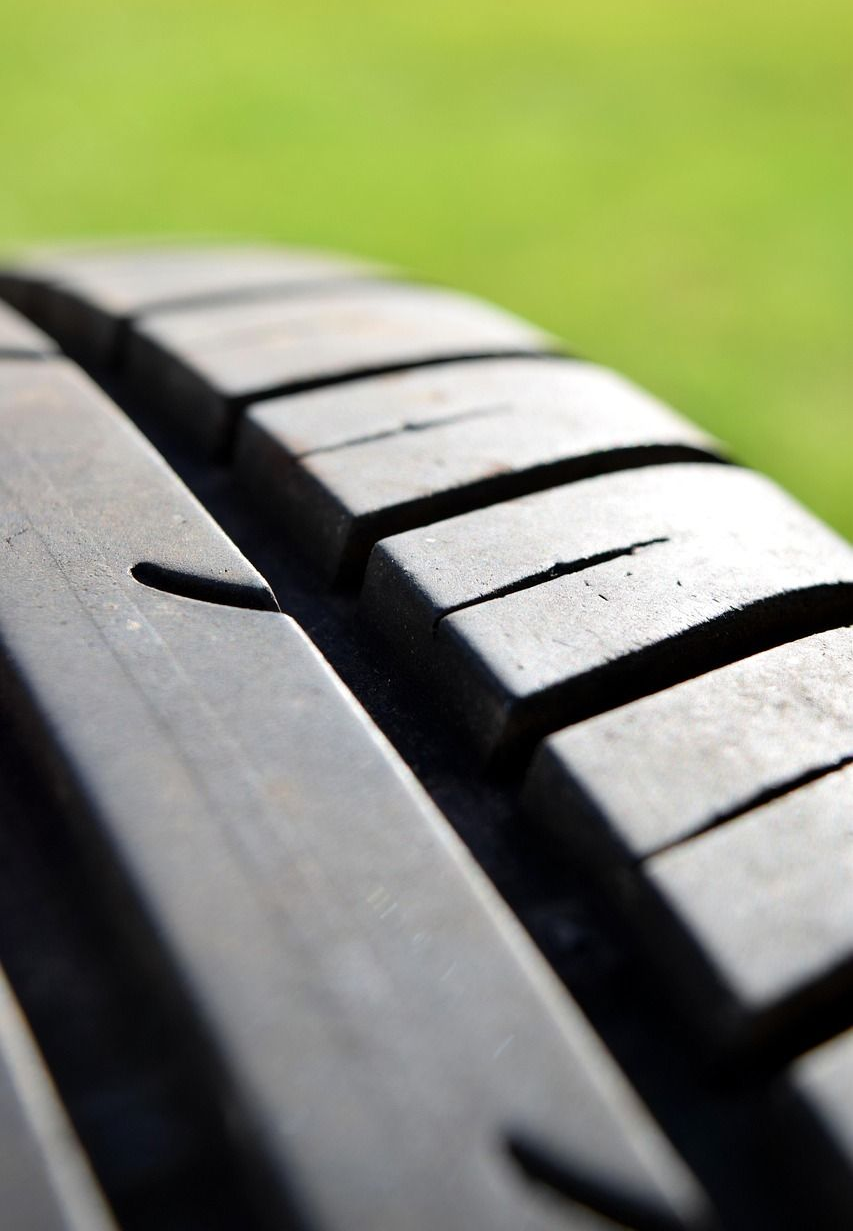
Close-up of a tire tread with grooves against a blurred green background.
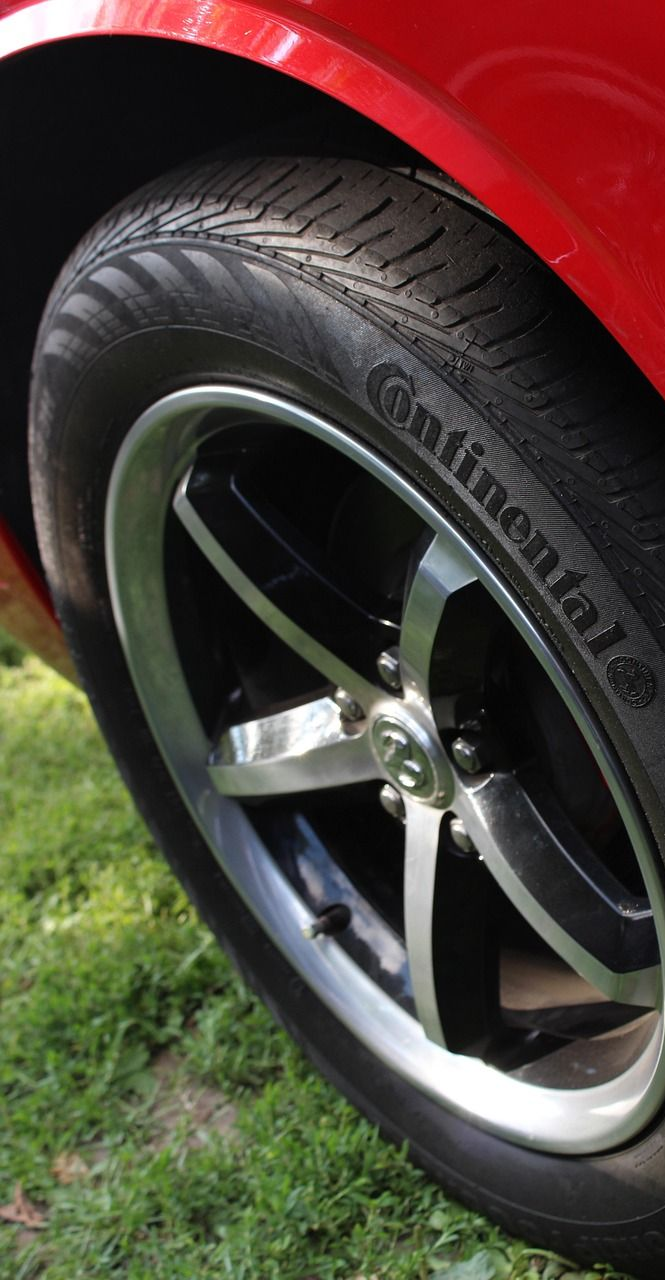
Red car wheel with Continental tire, set against a grassy background.
September 11, 2026
A flat tire does not always mean the tire has to be replaced. In many cases, a small puncture can be repaired safely and returned to service. The key is where the puncture occurred, how large it is, and whether the tire suffered additional damage while losing air. That is why a professional inspection matters. Two punctures that lo ok similar from the outside may require completely different solutions once the tire is removed and examined internally. Location Matters Most One of the first things a technician looks at is where the puncture is located. Damage in the central tread area is often the best candidate for repair. This part of the tire is designed to handle contact with the road and can sometimes be repaired when the puncture is small and otherwise straightforward. Punctures near the shoulder or sidewall are much more concerning.  These areas flex significantly while the tire is moving and cannot usually be repaired safely using standard puncture-repair methods. If a nail, screw, or other object damages the sidewall or outer shoulder, replacement is often the safer option.
September 6, 2026
A wheel alignment can correct important steering and tire-angle settings, but the alignment itself depends on the suspension being in good mechanical condition. If ball joints, tie rods, control arm bushings, wheel bearings, or other components are worn, the wheels may not stay in the position the technician sets.  That is why some vehicles continue pulling , wearing tires unevenly, or developing an off-center steering wheel even after an alignment. In those cases, the problem may not be the alignment machine or the adjustment. It may be worn suspension or steering components underneath the vehicle.
August 28, 2026
When a tire repeatedly loses air but there is no obvious nail, screw, or visible puncture, the problem may be where the tire meets the wheel. This area is known as the tire bead, and a poor seal between the bead and the rim can allow air to escape gradually. Tire bead leaks are a common cause of slow pressure loss. Understanding why they happen can help drivers recognize when a tire needs professional inspection rather than repeatedly adding air. What Is the Tire Bead? The bead is the reinforced inner edge of the tire that sits tightly against the wheel rim. When a tire is properly mounted and inflated, air pressure helps hold the bead securely against the wheel, creating an airtight seal. If that sealing surface becomes damaged, dirty, corroded, or distorted, a small pathway can develop for air to escape.  Because these leaks may be very small, the tire can lose pressure over several days or weeks rather than going flat immediately.
August 23, 2026
A pothole impact can feel like a quick jolt, but the forces involved can affect several parts of the tire and wheel assembly. The faster the vehicle is moving, the less time the tire has to absorb the impact. In some cases, the damage is immediately obvious. In others, problems may not become noticeable until later. Raymond’s Tire Shop helps drivers inspect tires, wheels, balancing, and alignment after hard road impacts. Understanding what can happen during a pothole strike can make it easier to recognize when a tire needs professional attention. The Tire Is Compressed Extremely Quickly When a tire drops into a pothole and strikes the far edge, the sidewall and tread can be compressed between the road and the wheel. Tires are designed to flex, but a severe impact can exceed what the internal structure can safely absorb.  The risk can be greater when tire pressure is too low because there is less air cushioning between the road surface and the wheel. However, even a properly inflated tire can be damaged by a deep pothole at sufficient speed.
August 16, 2026
Tires are one of the most important safety components on any vehicle because they are the only parts that maintain direct contact with the road. As tires wear, their ability to grip pavement, channel water, and respond predictably can gradually decline. The challenge is that unsafe tire conditions are not always obvious until performance has already been affected.  Raymond’s Tire Shop helps drivers evaluate tread wear, tire damage, pressure issues, alignment problems, and other conditions that can affect tire safety. Knowing what to look for can help you recognize when a tire needs professional attention or replacement.
August 7, 2026
Most drivers think of tires simply as the round rubber components that allow a vehicle to roll down the road. In reality, tires are sophisticated pieces of engineering that perform several essential functions every time a vehicle is in motion. They support the weight of the vehicle, transmit steering and braking forces, absorb road irregularities, and maintain traction in changing driving conditions. Every acceleration, turn, and stop depends on these four small contact patches where the tires meet the road.  Understanding the primary functions of a tire helps drivers appreciate why routine maintenance and timely replacement are so important. Raymond’s Tire Shop helps customers choose quality tires and maintain them properly so their vehicles continue to perform safely and efficiently throughout the life of the tire.