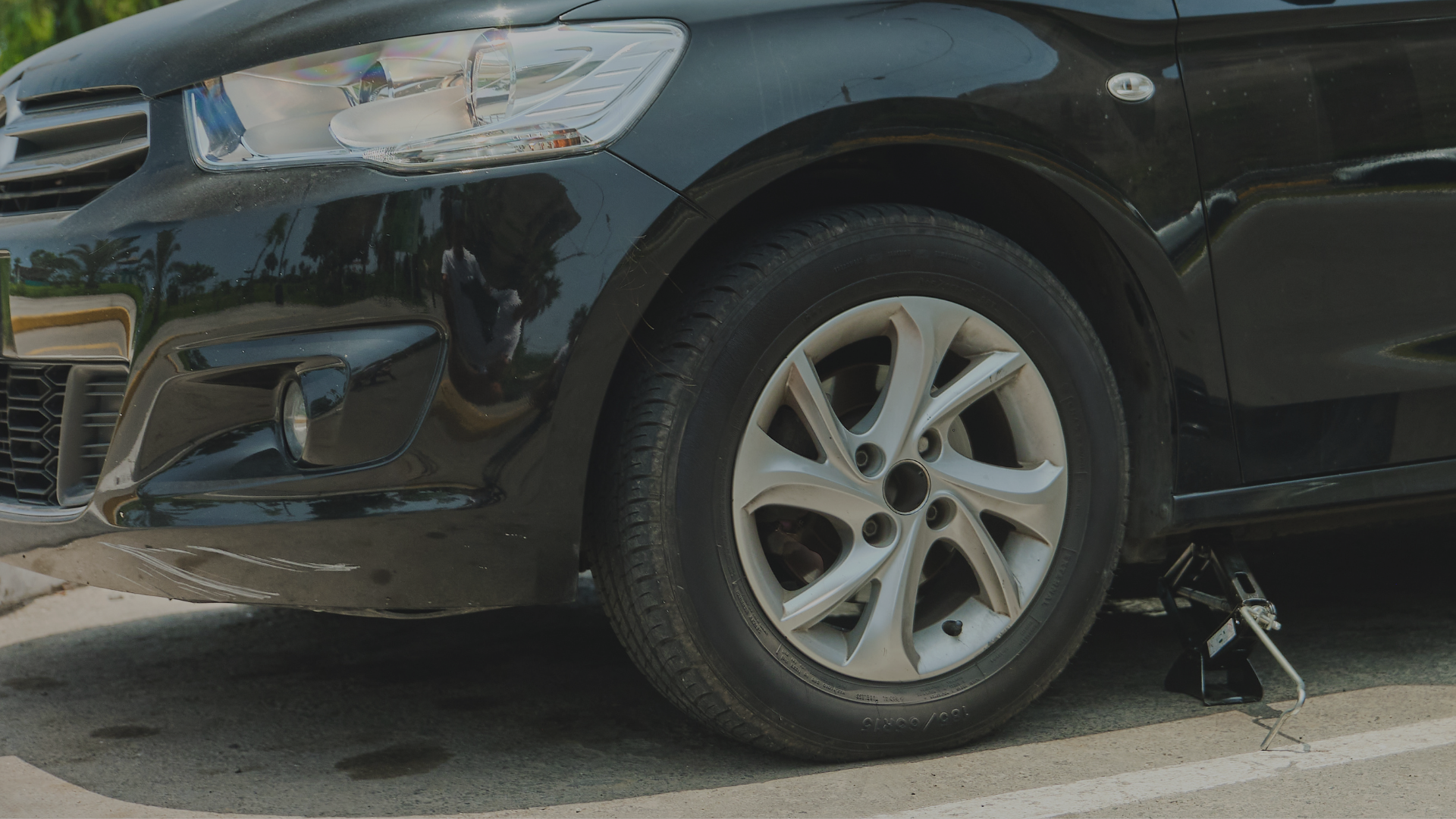
How Installing Tires in Complete Sets Often Provides Improved Handling and Better Performance
Maximizing Vehicle Control
When it is time to replace
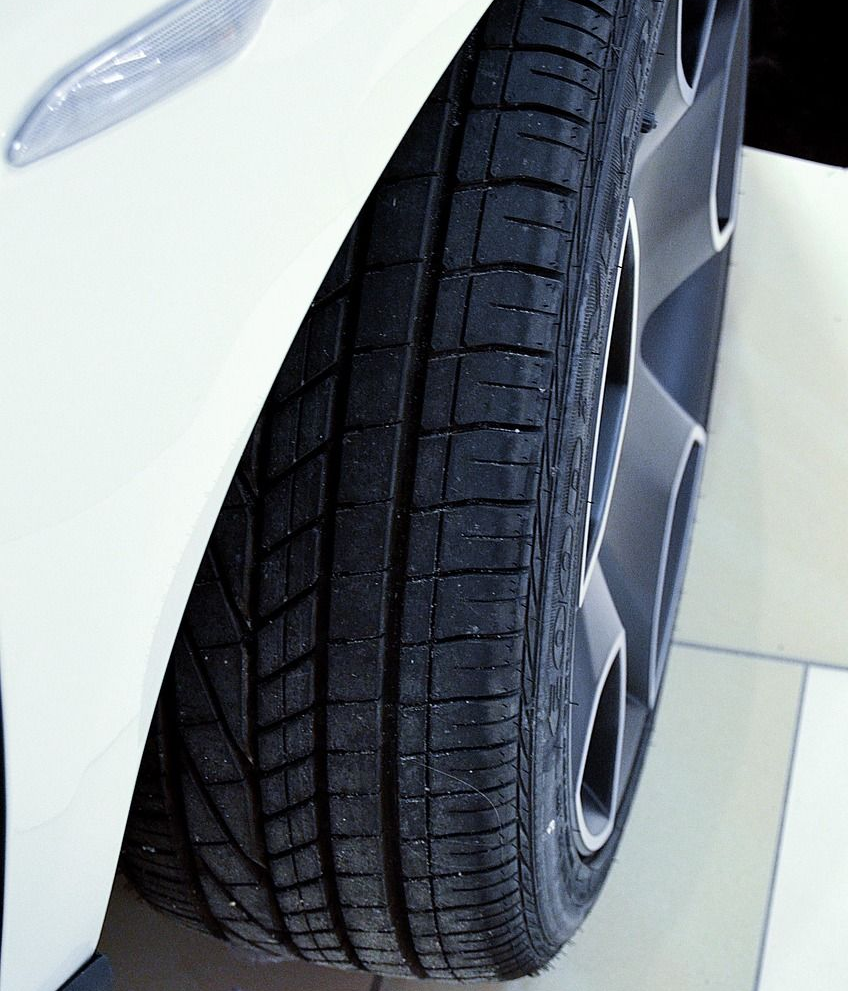
worn or damaged tires, many drivers wonder whether they should install one tire, a pair of tires, or a full set of four. Although there are situations in which partial replacement is unavoidable, installing a complete set often offers meaningful advantages for handling, safety, and long term performance. At Raymond’s Tire Shop, we help drivers understand how tire matching influences the way a vehicle responds on the road. When all four tires share the same tread pattern, age, compound, and wear level, the vehicle is better equipped to perform as intended in a variety of driving conditions.

Why Tire Matching Matters for Vehicle Stability
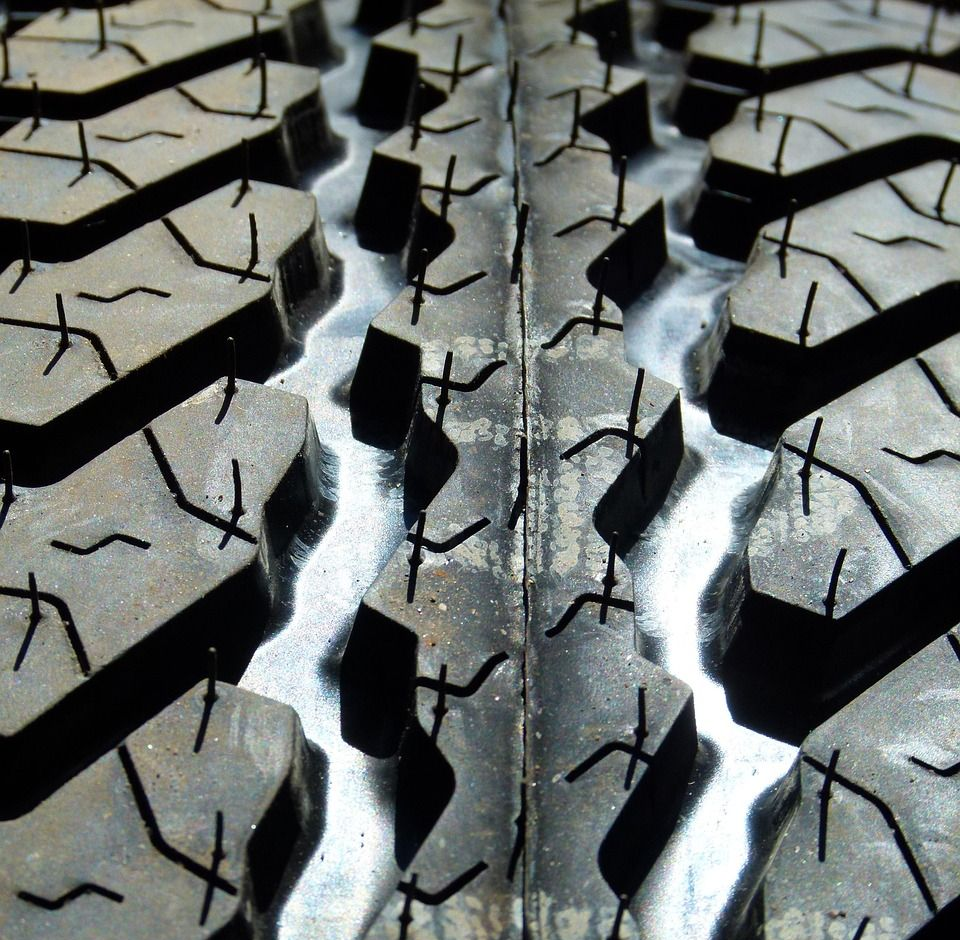
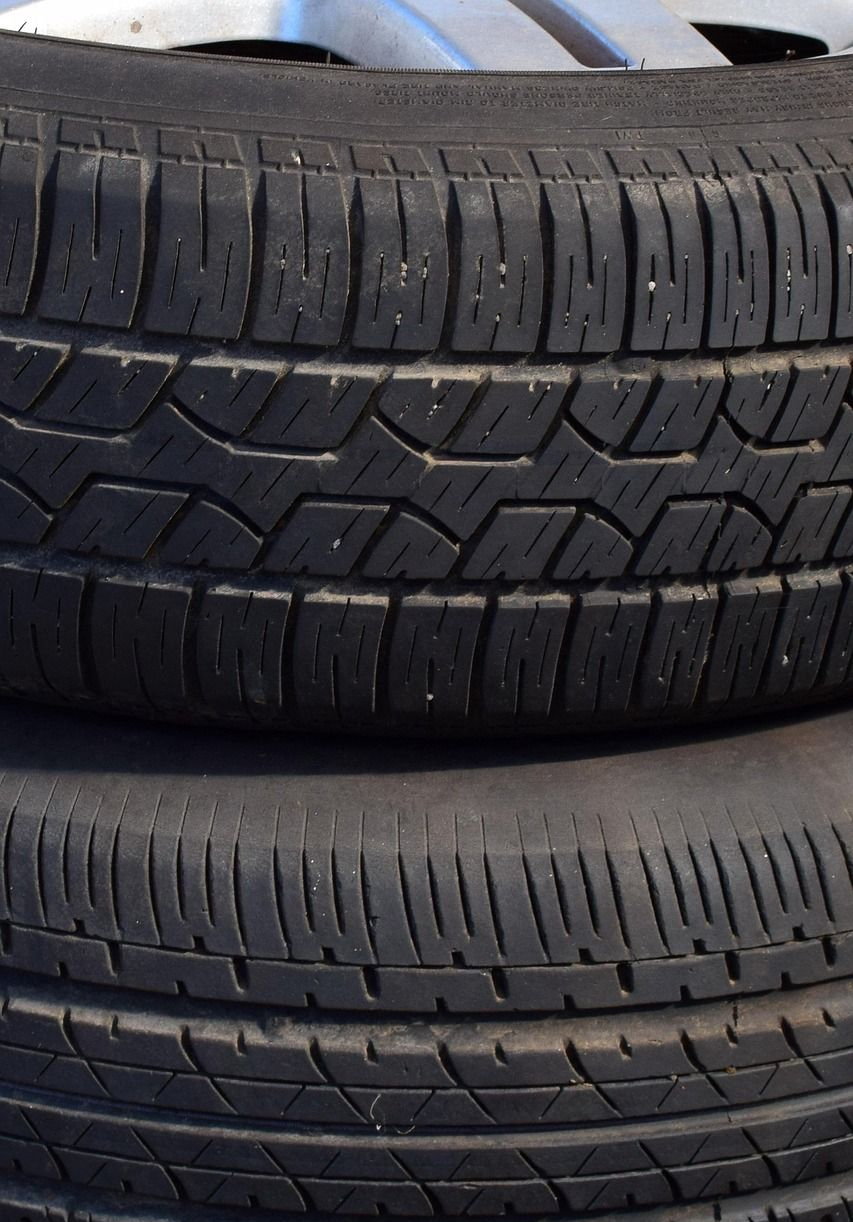
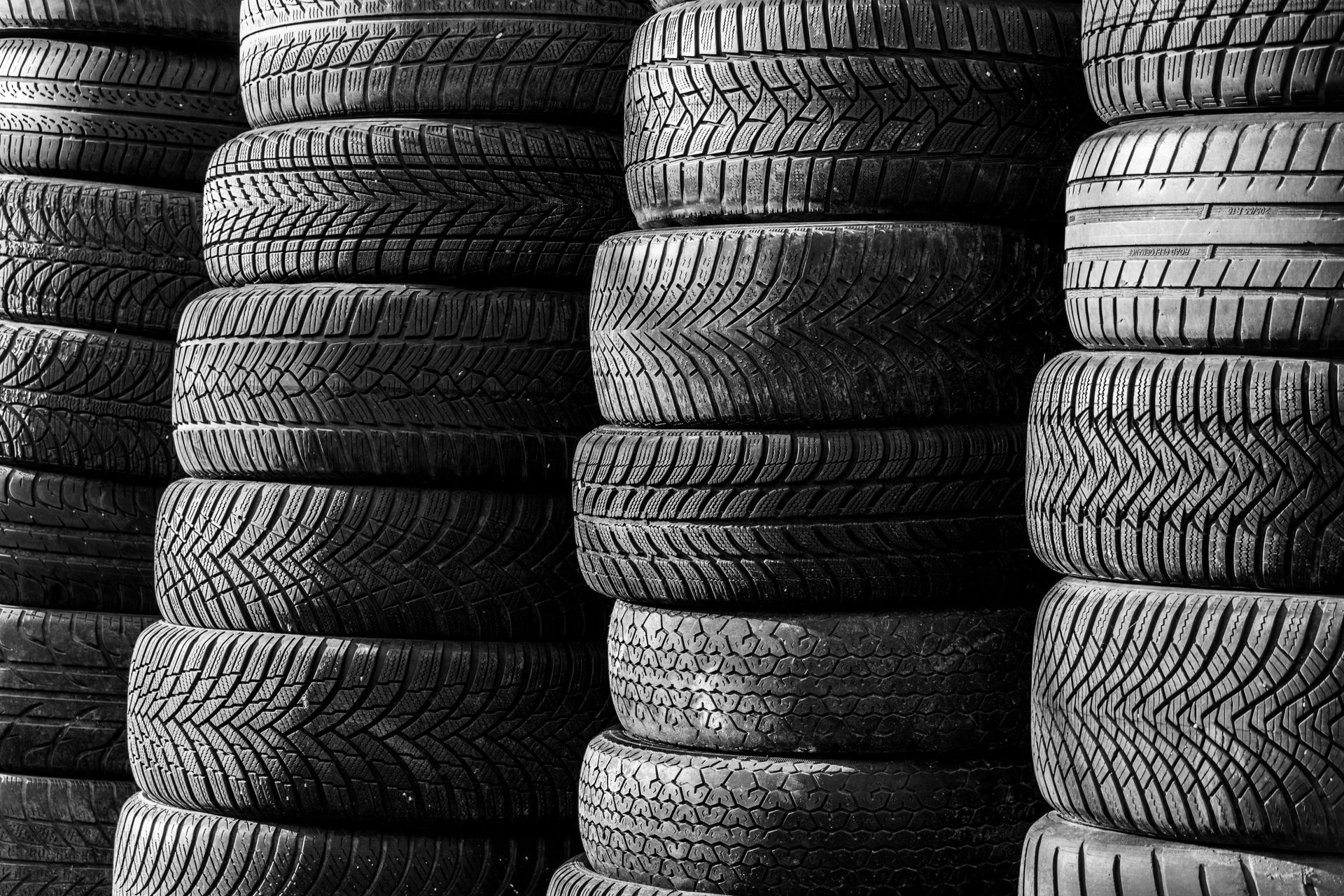
Every tire contributes to how a vehicle accelerates, brakes, and turns. When the tires differ in tread depth or design, these essential functions can become unbalanced. A tire with deeper tread may grip the road more effectively than a worn tire, which can cause the vehicle to pull to one side or feel less stable during cornering. Mixing different tread patterns can also affect traction, since each pattern channels water differently and interacts with pavement in its own way.
By installing a complete set, drivers maintain consistent traction across all four wheels. This helps the vehicle respond predictably when roads are wet or uneven. Consistent traction also supports better braking performance, since all tires can grip the road surface in a similar way. Predictable handling is one of the strongest benefits of replacing all four tires together.
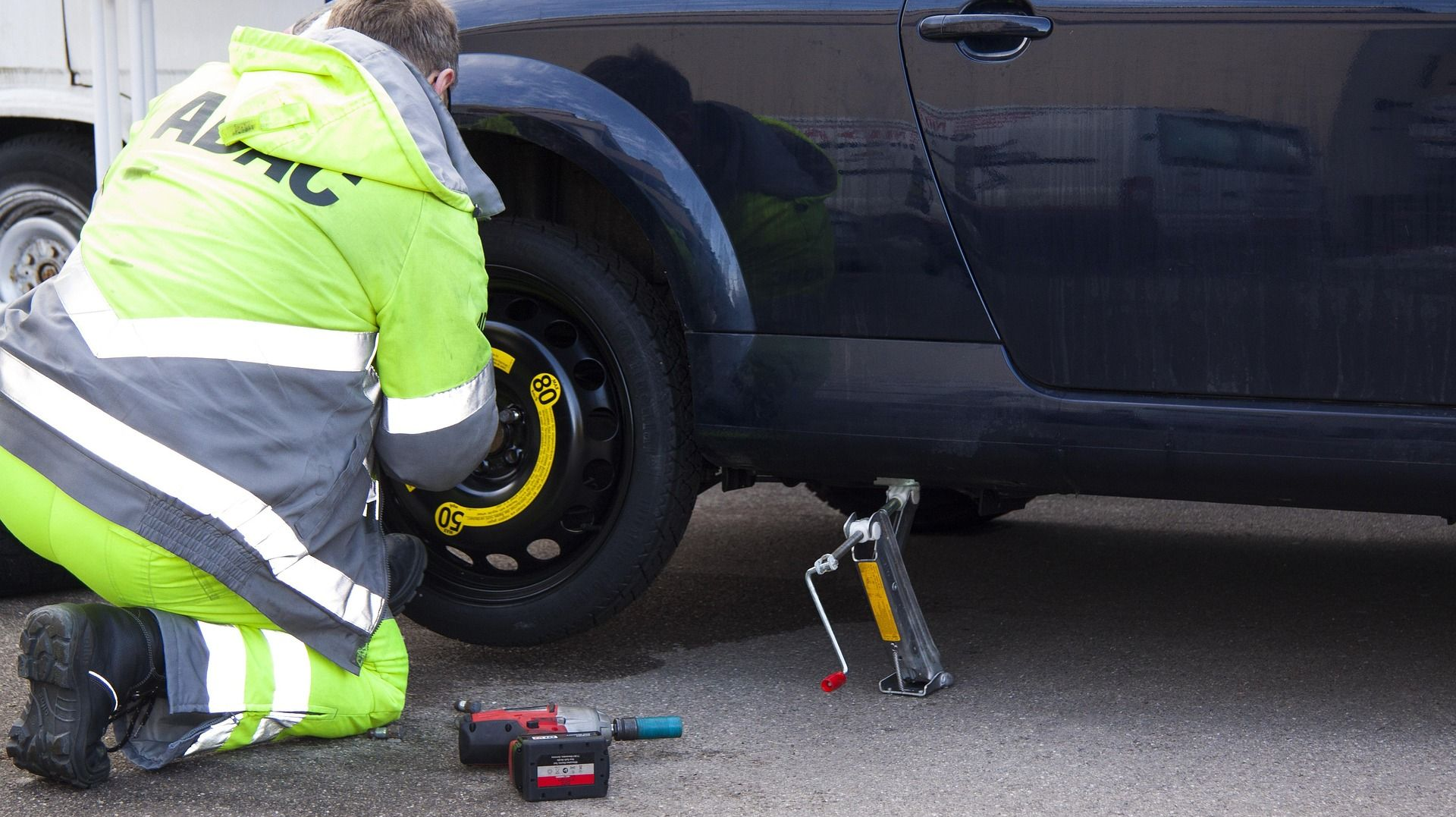
How Installing a Complete Set Improves Steering Response
Tires influence steering precision, especially at higher speeds. When tires with different tread depths or stiffness levels are installed together, the steering system may struggle to deliver clear feedback. The driver may notice a slight delay in steering response or a vague feeling when turning the wheel.
With a complete set of matching tires, the steering system operates more naturally. Each tire responds to the road in the same way, allowing the driver to maintain smooth and controlled directional changes. This consistency contributes to a more comfortable and confident driving experience, particularly during
emergency maneuvers.
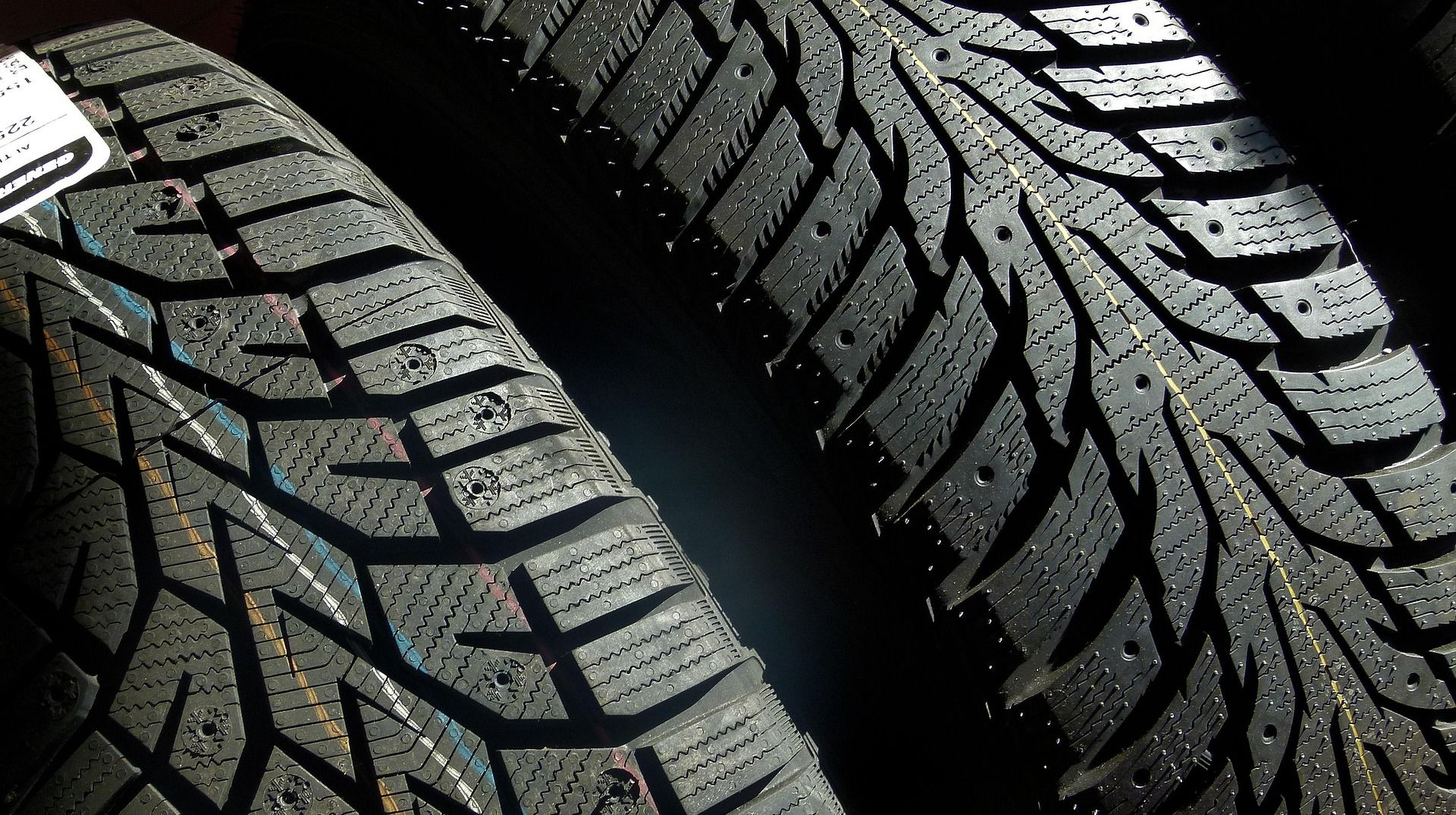
Enhanced Performance in Wet and Slippery Conditions
Driving on wet pavement requires tires to channel water away from the contact area so the vehicle can maintain grip. When only one or two tires have fresh, deep tread, they may channel water more effectively than the older tires. This imbalance can cause uneven traction and may reduce control on slippery surfaces.
Installing a complete set ensures that all four tires have equal capability to handle water, snow, or loose debris. Vehicles are less likely to experience traction loss when all tires share the same performance characteristics. For drivers who frequently travel in rain or on roads that accumulate standing water, this consistency provides an important safety advantage.
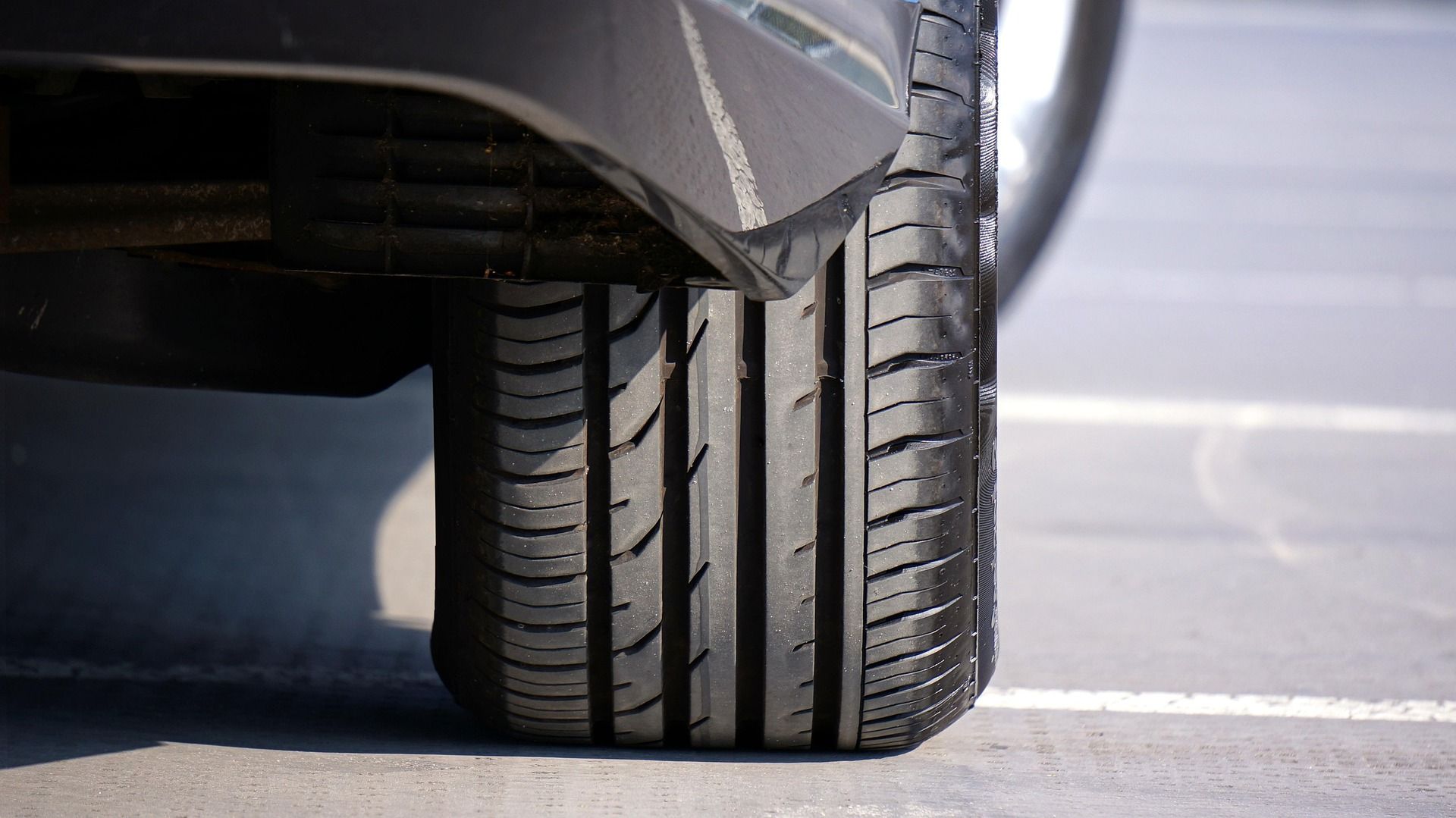
Benefits for All Wheel Drive and Front Wheel Drive Vehicles
Although installing a full set benefits any vehicle, it becomes particularly important for all wheel drive systems. These systems rely on consistent tire height and circumference to operate smoothly. Significant differences between tires can place extra strain on drivetrain components. Some manufacturers even recommend replacing tires in complete sets to protect the integrity of the system.
Front wheel drive and rear wheel drive vehicles also benefit from full matching, as imbalanced traction between the axles can cause irregular driving behavior. Even though these systems are less sensitive than all wheel drive systems, they still perform best when all tires match.
Longer Tire Life Through Even Wear
Installing a complete set at the same time also helps ensure even wear across all tires. When tires age together, they wear at a similar rate and provide consistent performance throughout their lifespan. This makes it easier to rotate tires on a regular schedule and extend their useful life.
When tires are replaced individually, wear patterns can become mismatched, which may shorten the lifespan of newer tires. A full set helps prevent this uneven aging and supports better long term value.
Creating a Safer and More Consistent Driving Experience
Installing tires in complete sets helps drivers achieve smoother handling, consistent traction, and improved overall performance. At Raymond’s Tire Shop, we encourage drivers to consider the long term benefits of a fully matched set whenever possible. By choosing four tires designed to perform together, drivers enjoy a safer and more predictable driving experience on every road, in every season.