Comprender las cuatro funciones principales de un neumático
La mayoría de los conductores piensa en los neumáticos simplemente como componentes redondos de caucho que permiten que un vehículo avance por la carretera. En realidad, los neumáticos son piezas de ingeniería sofisticadas que desempeñan varias funciones esenciales cada vez que un vehículo está en movimiento. Soportan el peso del vehículo, transmiten las fuerzas de dirección y frenado, absorben las irregularidades de la carretera y mantienen la tracción en diferentes condiciones de conducción. Cada aceleración, giro y frenada depende de estas cuatro pequeñas áreas de contacto donde los neumáticos se encuentran con la carretera.
Comprender las funciones principales de un neumático ayuda a los conductores a valorar por qué el mantenimiento regular y el reemplazo oportuno son tan importantes. Raymond’s Tire Shop ayuda a sus clientes a elegir neumáticos de calidad y a mantenerlos adecuadamente para que sus vehículos continúen funcionando de manera segura y eficiente durante toda la vida útil de los neumáticos.
Soportar el peso del vehículo
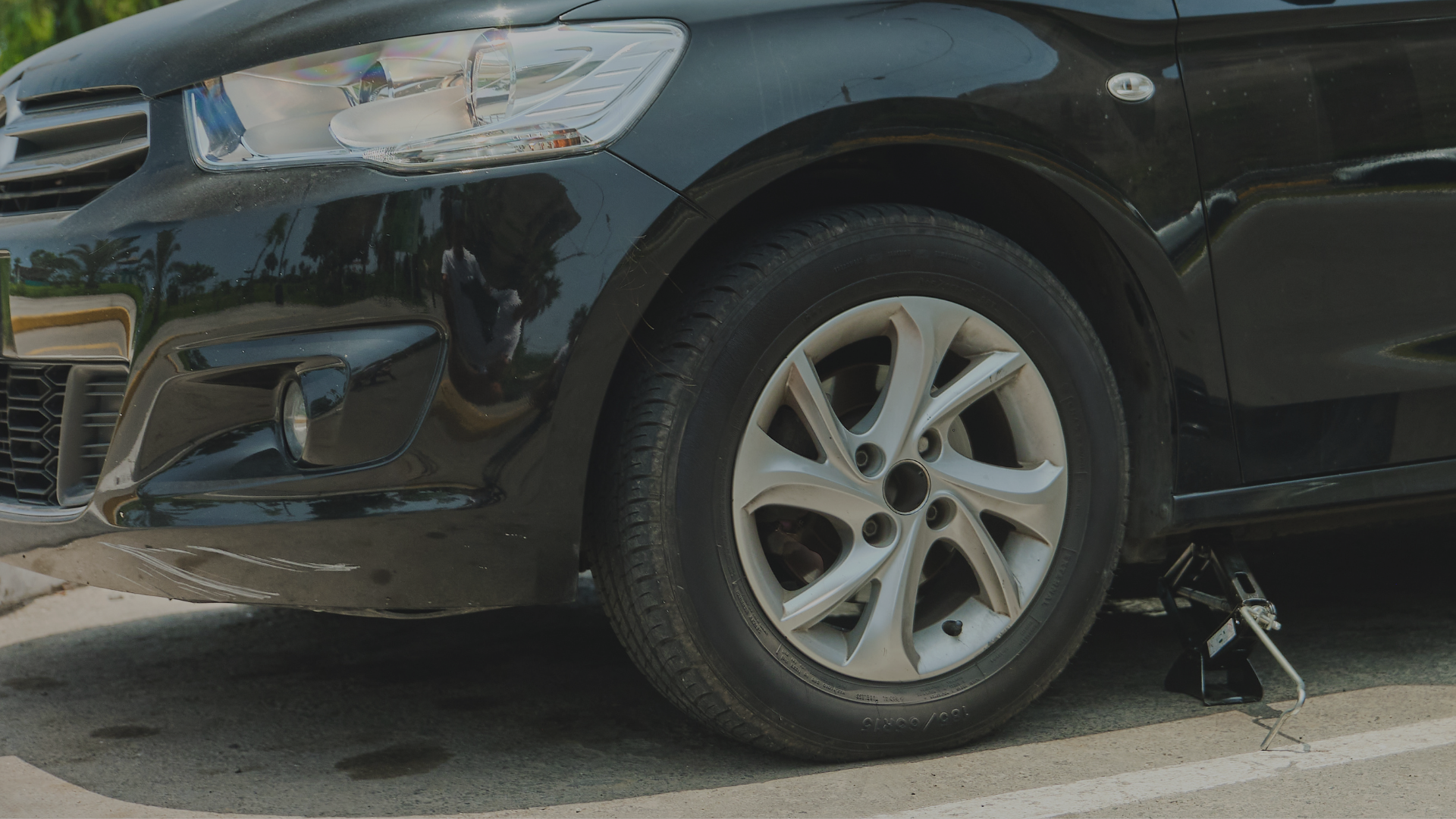
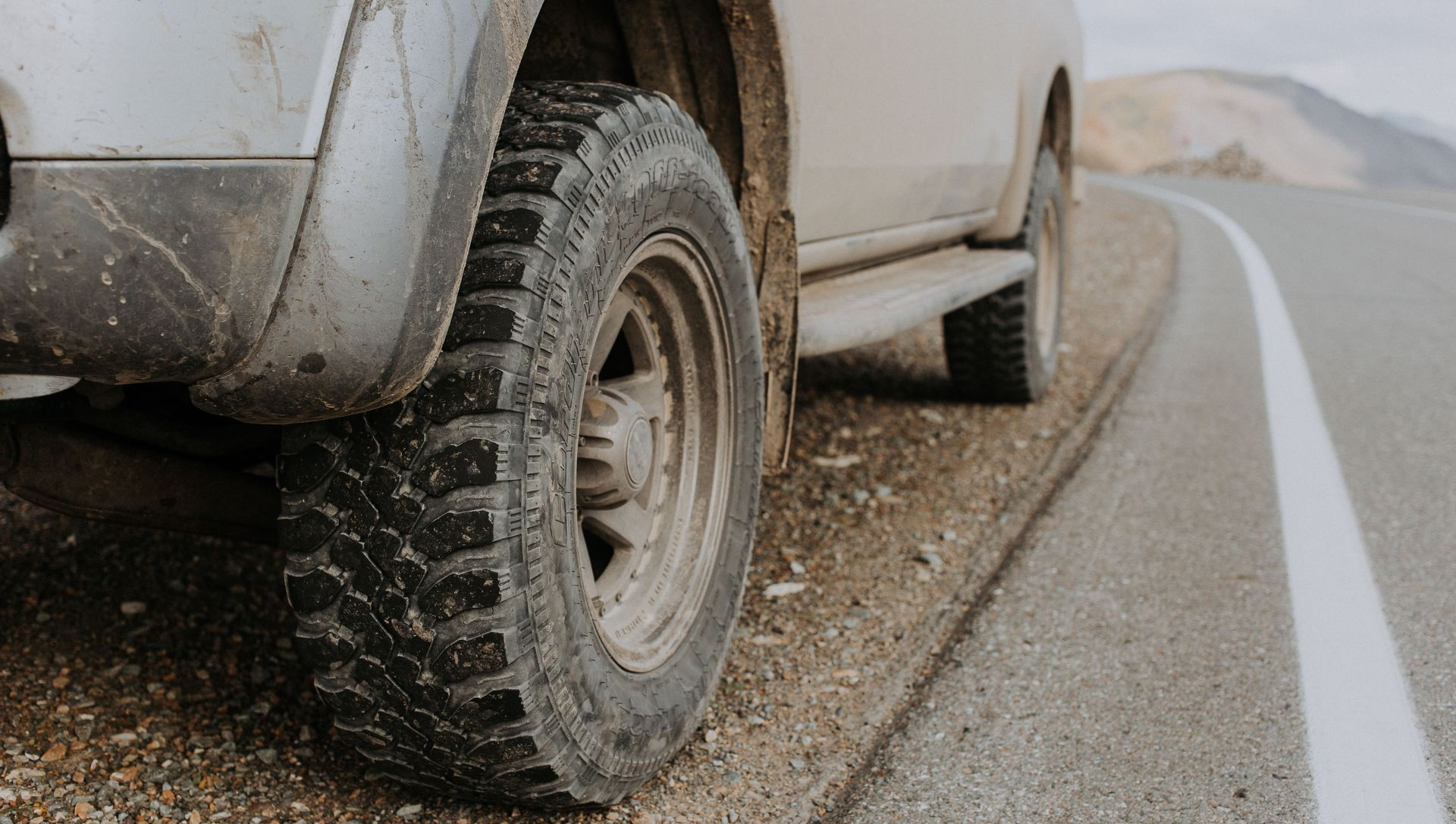
La primera y más evidente función de un neumático es soportar el peso del vehículo.
Aunque los neumáticos están fabricados principalmente de caucho, también contienen capas de cinturones de acero, cordones de refuerzo y otros materiales estructurales que les permiten soportar de manera segura miles de libras mientras mantienen su forma. Una inflación adecuada es esencial porque la presión del aire dentro del neumático ayuda a distribuir uniformemente el peso del vehículo sobre la banda de rodadura.
Cuando los neumáticos están desinflados o sobrecargados, se ejerce una tensión adicional sobre su estructura interna. Con el tiempo, esto puede contribuir a un desgaste irregular, un menor rendimiento y una mayor probabilidad de daños en los neumáticos.
Mantener la presión correcta de los neumáticos ayuda a garantizar que cada neumático soporte la parte del peso del vehículo para la que fue diseñado por el fabricante.
Proporcionar tracción para acelerar, frenar y girar
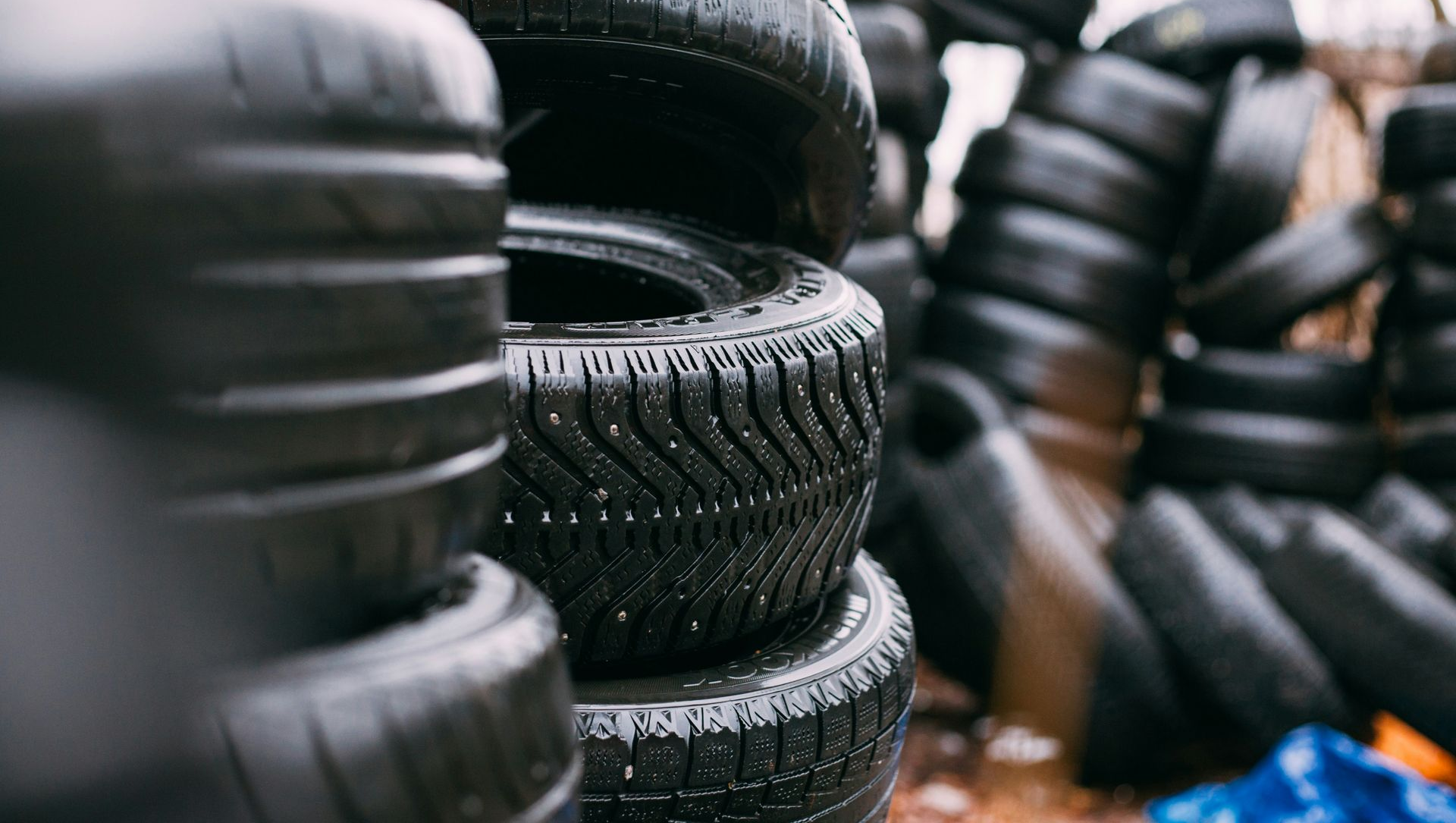
La segunda función principal de un neumático es generar tracción.
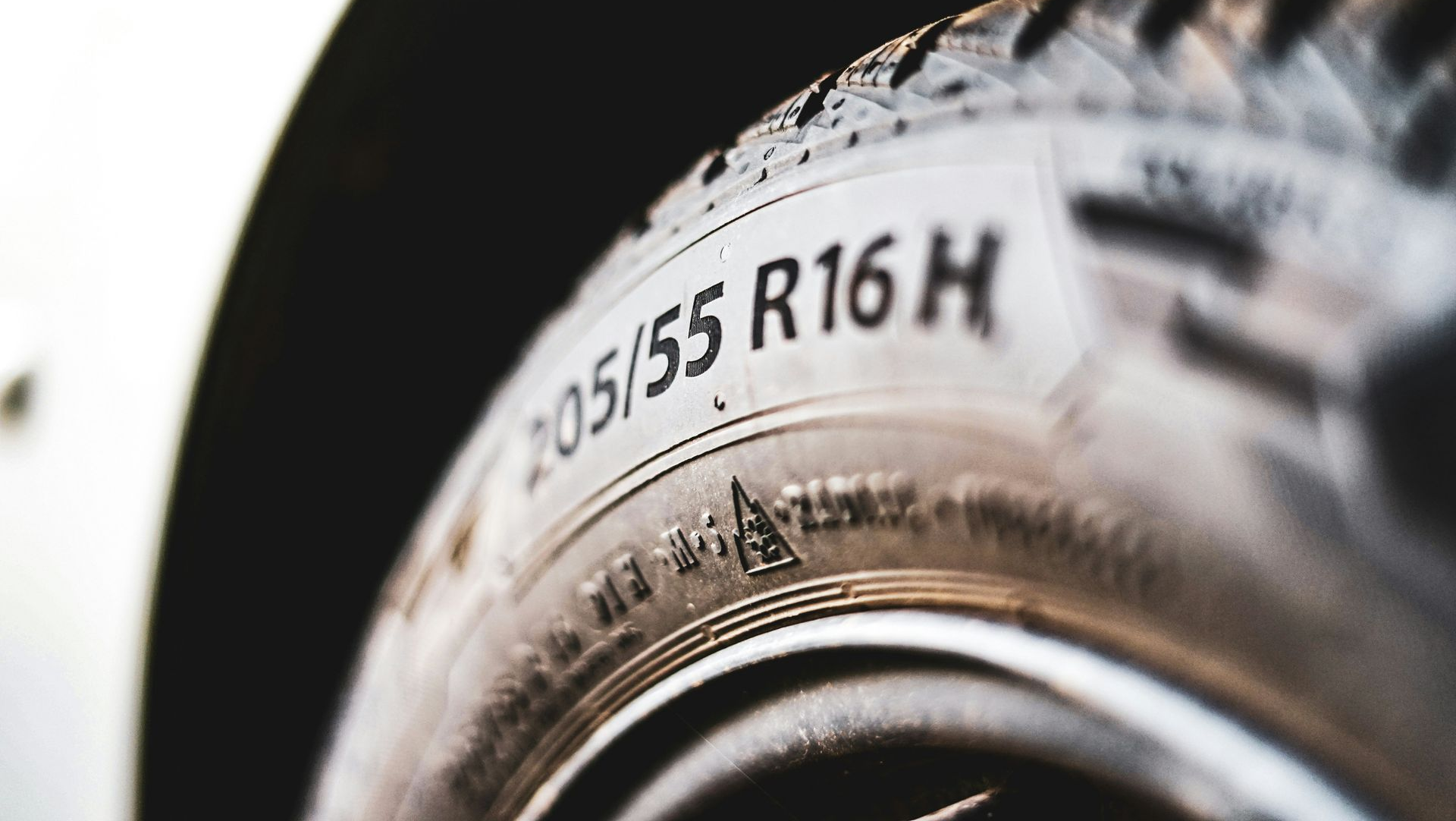
La pequeña superficie donde cada neumático entra en contacto con el pavimento es responsable de transmitir las fuerzas necesarias para acelerar, frenar y dirigir el vehículo. Los patrones de la banda de rodadura y los compuestos de caucho especialmente diseñados trabajan en conjunto para proporcionar agarre en una variedad de condiciones de conducción.
A medida que la banda de rodadura se desgasta, la capacidad del neumático para mantener la tracción, especialmente en carreteras mojadas, disminuye gradualmente. Una menor tracción puede aumentar las distancias de frenado y afectar la forma en que el vehículo responde durante maniobras de emergencia.
Las inspecciones periódicas de los neumáticos ayudan a los conductores a identificar el desgaste de la banda de rodadura antes de que comience a afectar el rendimiento del vehículo.

Absorber los impactos de la carretera
Las carreteras rara vez son perfectamente lisas. Los baches, las juntas de expansión, el pavimento irregular y otras imperfecciones generan impactos constantes mientras el vehículo circula.
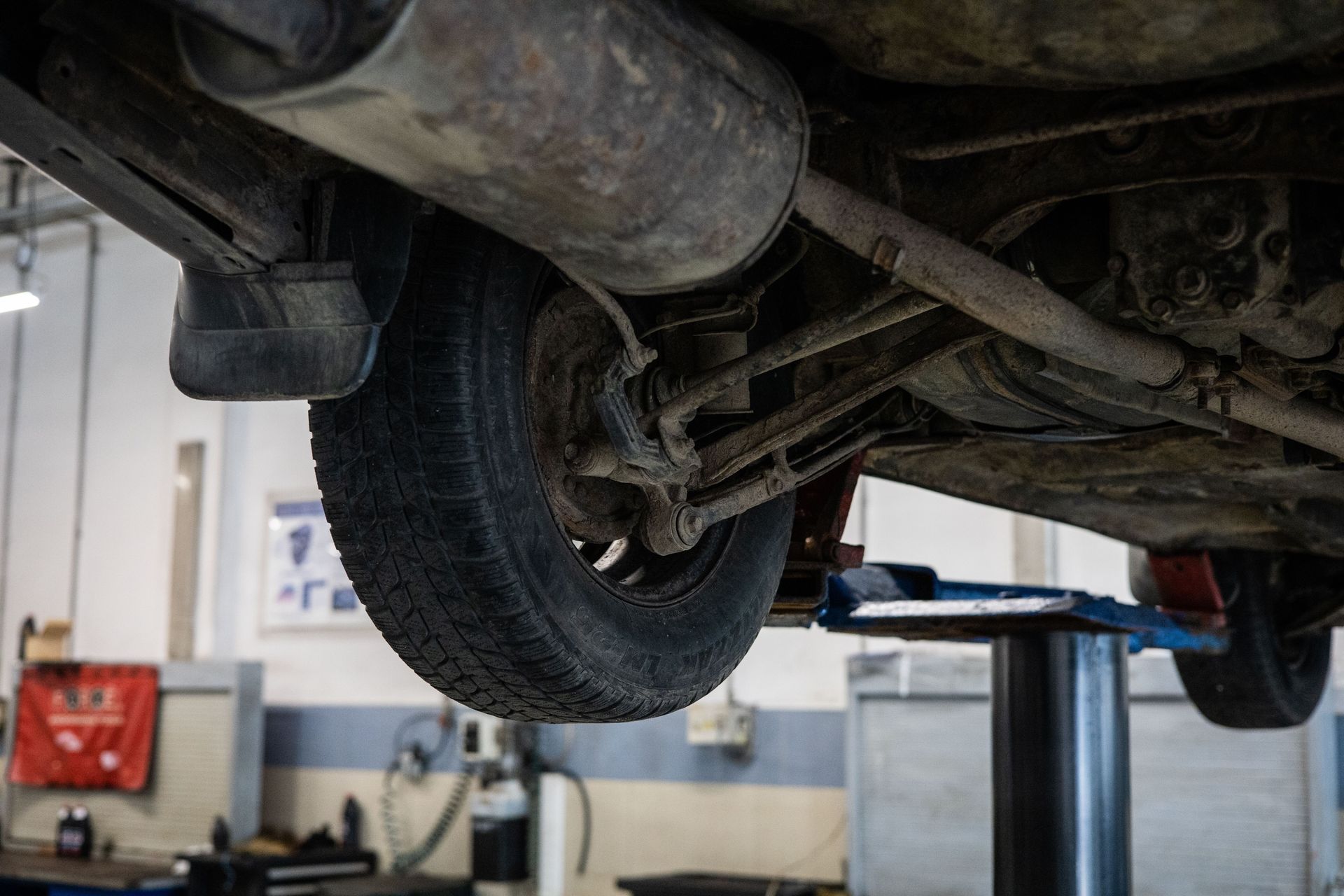
Los neumáticos actúan como la primera línea de suspensión del vehículo al flexionarse ligeramente cuando encuentran estas imperfecciones. Esta flexibilidad ayuda a absorber los impactos antes de que lleguen a las ruedas, los componentes de la suspensión y los pasajeros.
Los neumáticos correctamente inflados contribuyen a una conducción más suave y cómoda, al mismo tiempo que ayudan a proteger el vehículo de tensiones innecesarias causadas por las condiciones habituales de la carretera.
Debido a que los neumáticos trabajan conjuntamente con el sistema de suspensión, mantener ambos componentes en buen estado ayuda a preservar la calidad de la conducción y el comportamiento del vehículo.

Mantener la estabilidad direccional
La cuarta función principal de un neumático es ayudar al vehículo a mantener un comportamiento predecible y estabilidad direccional.
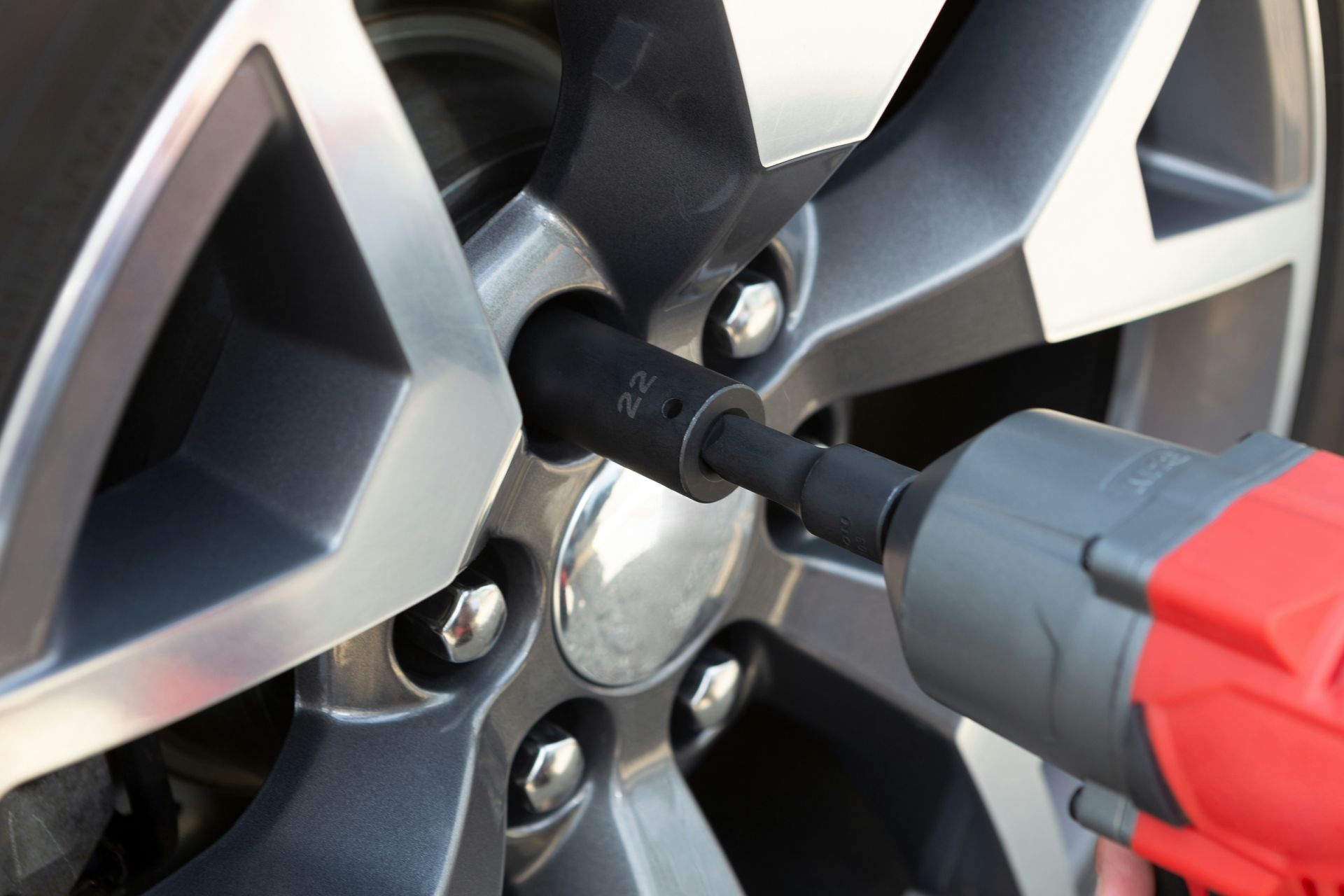
Cuando reciben el mantenimiento adecuado, los neumáticos ayudan al conductor a dirigir el vehículo con precisión en las curvas, mantener el control durante los cambios de carril y responder de manera constante a los movimientos del volante. Los neumáticos equilibrados y una alineación correcta de las ruedas también contribuyen a una conducción estable al garantizar que cada neumático mantenga un contacto adecuado con la superficie de la carretera.
Si los neumáticos presentan un desgaste irregular, están inflados incorrectamente o están fuera de balanceo, los conductores pueden notar síntomas como vibraciones, una dirección inestable o que el vehículo se desvíe hacia un lado. Estas condiciones deben evaluarse rápidamente para evitar un desgaste adicional y preservar las características de manejo seguro.
Las rotaciones periódicas de los neumáticos, el balanceo de las ruedas y los servicios de alineación ayudan a mantener un rendimiento constante del vehículo.
Un mantenimiento adecuado ayuda a cumplir las cuatro funciones
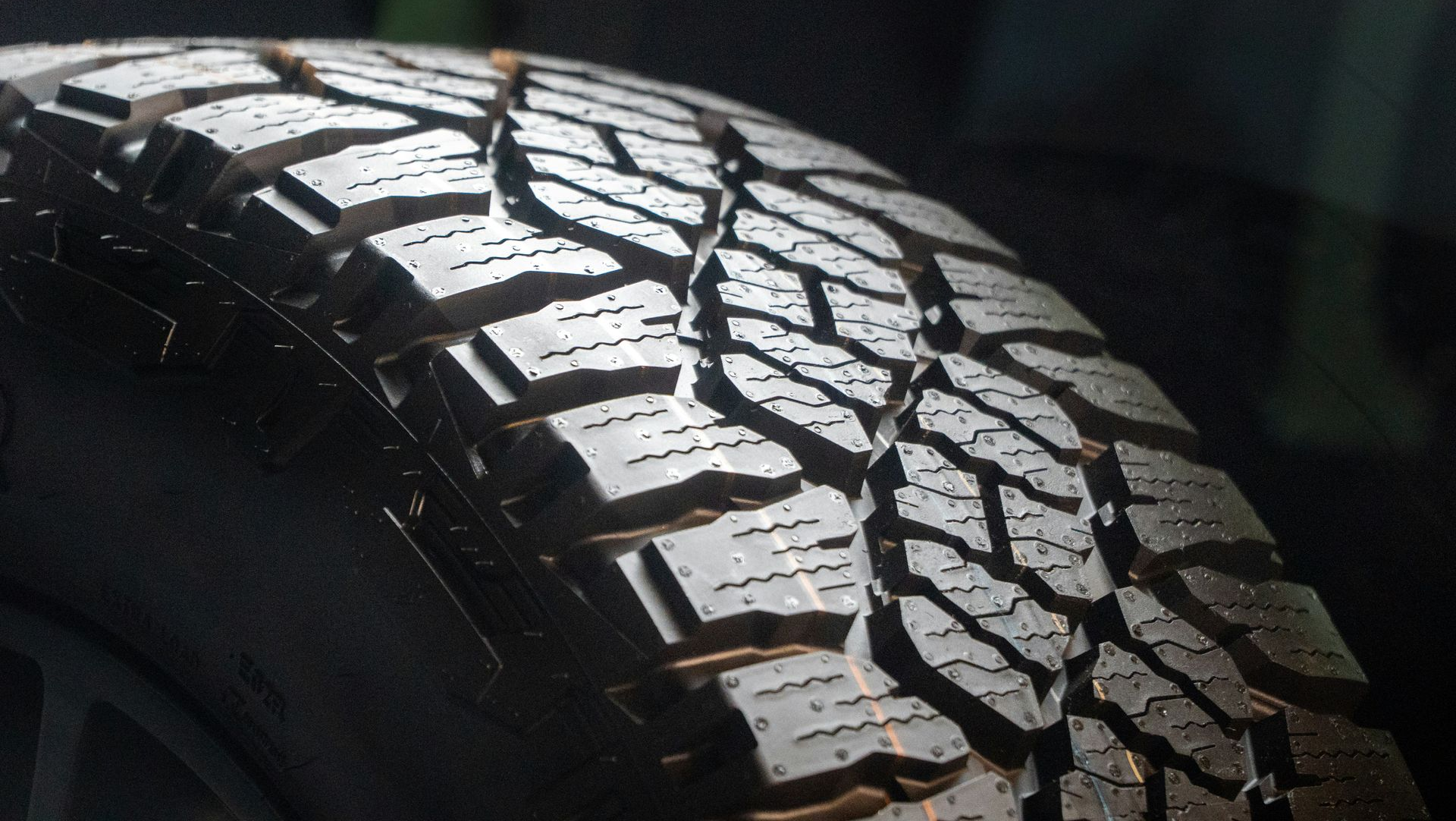
Cada una de estas cuatro funciones depende de un mantenimiento regular.
Revisar periódicamente la presión de los neumáticos, realizar las rotaciones programadas, balancear las ruedas, mantener una alineación adecuada y realizar inspecciones periódicas ayuda a maximizar el rendimiento y la vida útil de los neumáticos. Atender los pequeños problemas a tiempo suele evitar el reemplazo prematuro de los neumáticos y ayuda a mantener la seguridad y comodidad del vehículo.
Elegir los neumáticos adecuados para su vehículo y sus condiciones de conducción es igualmente importante. Los neumáticos de alta calidad que reciben un mantenimiento adecuado pueden continuar desempeñando las funciones para las que fueron diseñados durante toda su vida útil prevista.
Mantenga sus neumáticos funcionando al máximo
Raymond’s Tire Shop ofrece servicios profesionales de venta e instalación de neumáticos, rotación de neumáticos, balanceo de ruedas, alineación, reparación de neumáticos pinchados y mantenimiento completo de neumáticos. Ya sea que necesite neumáticos nuevos o quiera asegurarse de que su juego actual continúe funcionando de manera segura, nuestro equipo experimentado está aquí para ayudarle a mantener su vehículo listo para la carretera. Comuníquese con Raymond’s Tire Shop hoy mismo para programar su próximo servicio de neumáticos.