Danos em pneus 101: Quando reparar, quando substituir

Veja como tomar a decisão certa e com segurança

Os pneus enfrentam muitos desafios, especialmente ao lidar com buracos, detritos e condições imprevisíveis nas estradas — algo comum na região de Boston. Um pneu furado ou danificado pode gerar dúvidas: isso pode ser consertado ou preciso trocar o pneu inteiro?


Na Raymond’s Tire Service, somos especializados em ajudar motoristas a fazer escolhas inteligentes e econômicas em relação aos pneus. Vamos explicar o básico sobre danos em pneus, como saber quando um pneu pode ser reparado e quando a substituição completa é a opção mais segura.
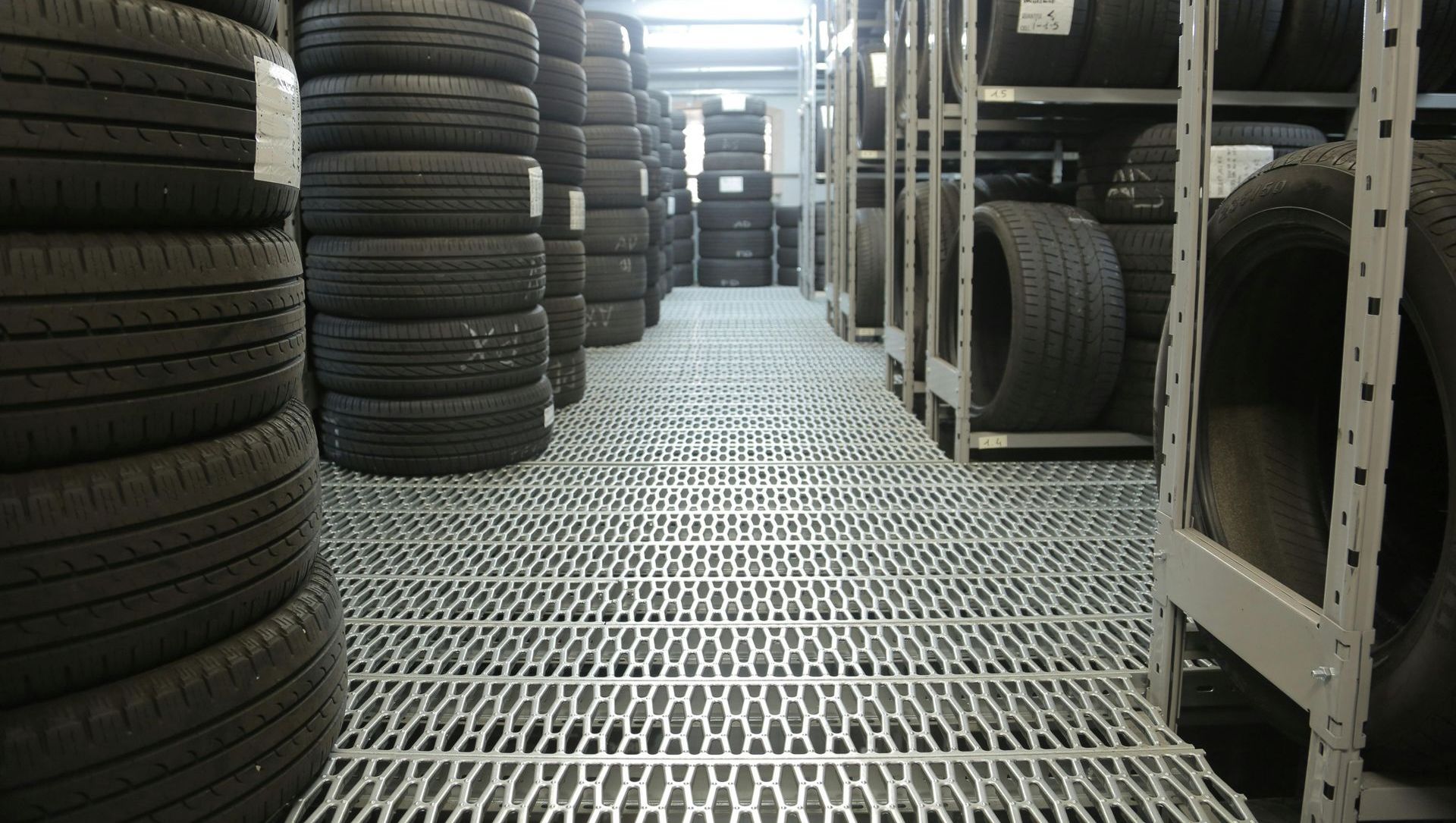
A storage room filled with stacks of car tires. Gray metal shelving lines the walls, and a grated floor covers the space.

Tipos Comuns de Danos em Pneus

Antes de decidir entre conserto ou troca, é importante entender os diferentes tipos de danos que um pneu pode sofrer:

  • Furos: Geralmente causados por pregos, parafusos ou objetos cortantes na estrada. São os mais comuns e frequentemente os mais fáceis de reparar.
  • Danos na lateral (flanco): Incluem bolhas, cortes ou arranhões profundos na borda externa do pneu. Flancos não são reparáveis.
  • Separação da banda de rodagem: Quando as camadas do pneu começam a se soltar, normalmente devido ao desgaste ou defeitos de fabricação.
  • Danos por impacto: Resultam geralmente de batidas em buracos ou meio-fios. Podem causar danos internos às cintas ou gerar calombos visíveis.
  • Ressecamento e rachaduras: Provocados pela idade, exposição ao clima ou falta de uso. Com o tempo, esses pneus tornam-se frágeis e inseguros.
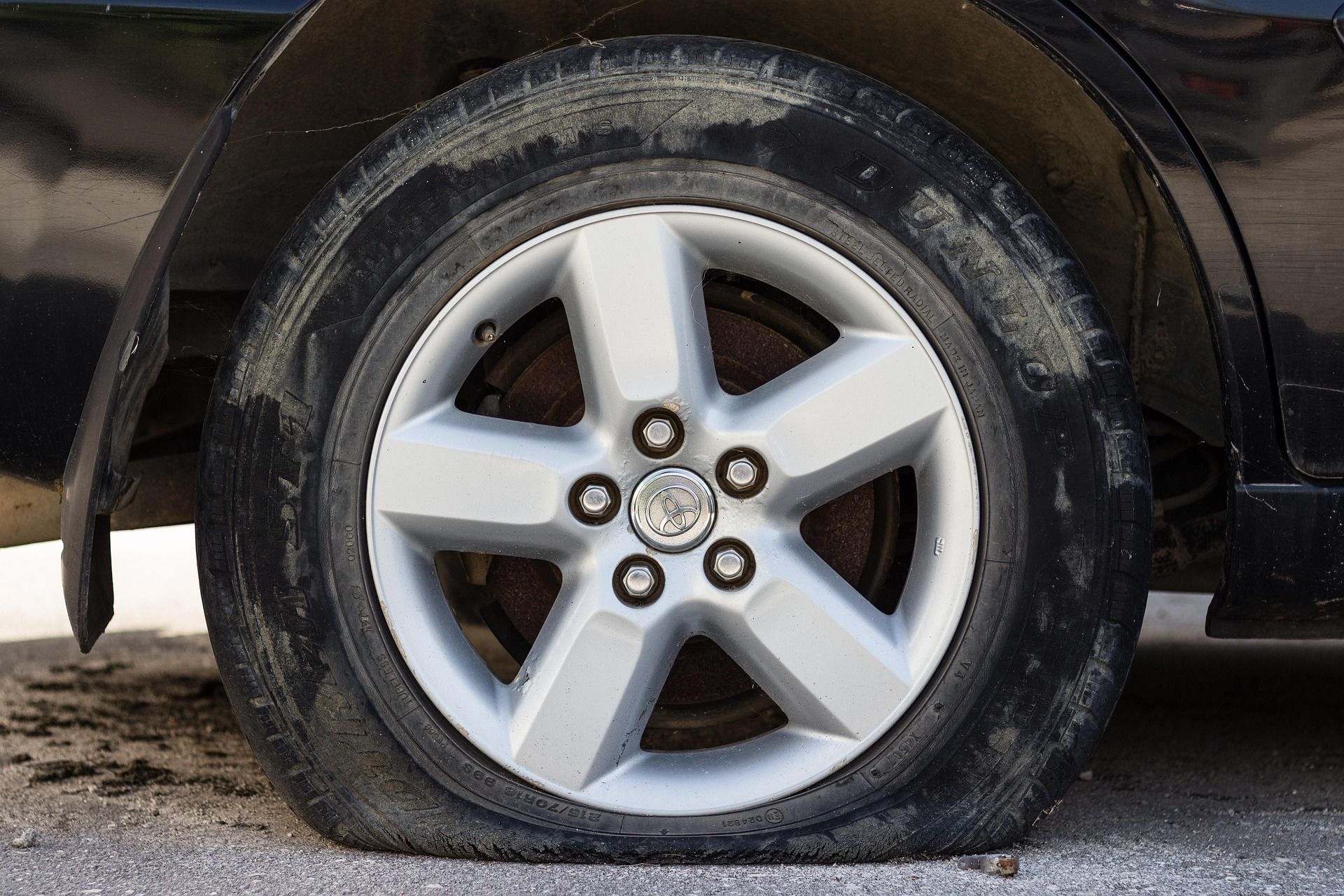
Flat car tire on a silver rim, deflated and resting on the road surface.

Quando é seguro consertar um pneu?

Um reparo profissional pode ser uma solução rápida e econômica — mas apenas se certos critérios forem atendidos. Em geral, um pneu pode ser reparado quando:

  • O furo está localizado na banda de rodagem, e não na lateral ou no ombro do pneu.
  • O buraco tem no máximo 6 mm (¼ de polegada) de diâmetro.
  • Não há danos internos adicionais nem separação das cintas.
  • O pneu ainda possui profundidade adequada na banda de rodagem e não está muito velho ou desgastado.


Se essas condições forem atendidas, o reparo adequado inclui remover o pneu da roda e aplicar uma combinação de plugue e remendo por dentro, selando tanto o revestimento interno quanto o canal do furo.


Na Raymond’s Tire Service, nunca comprometemos a segurança com reparos superficiais ou mal feitos. Se não for seguro reparar, nós avisaremos.

White Mercedes sedan parked on a driveway with a house and trees in the background.

Quando o pneu deve ser substituído?

Nem todo dano pode — ou deve — ser reparado. Um pneu deve ser substituído quando:

  • O furo está na lateral ou no ombro do pneu.
  • Existem múltiplos furos próximos uns dos outros.
  • O pneu apresenta danos estruturais, como cintas expostas, separação da banda de rodagem ou bolhas na lateral.
  • Há sinais de ressecamento, rachaduras ou desgaste acentuado da banda de rodagem.
  • O pneu tem mais de seis anos, mesmo que ainda pareça estar em boas condições.


Dirigir com um pneu comprometido pode resultar em estouro, perda de controle do veículo ou danos ao sistema de suspensão. Na maioria dos casos, o custo de um novo pneu é muito menor do que o custo de um acidente.
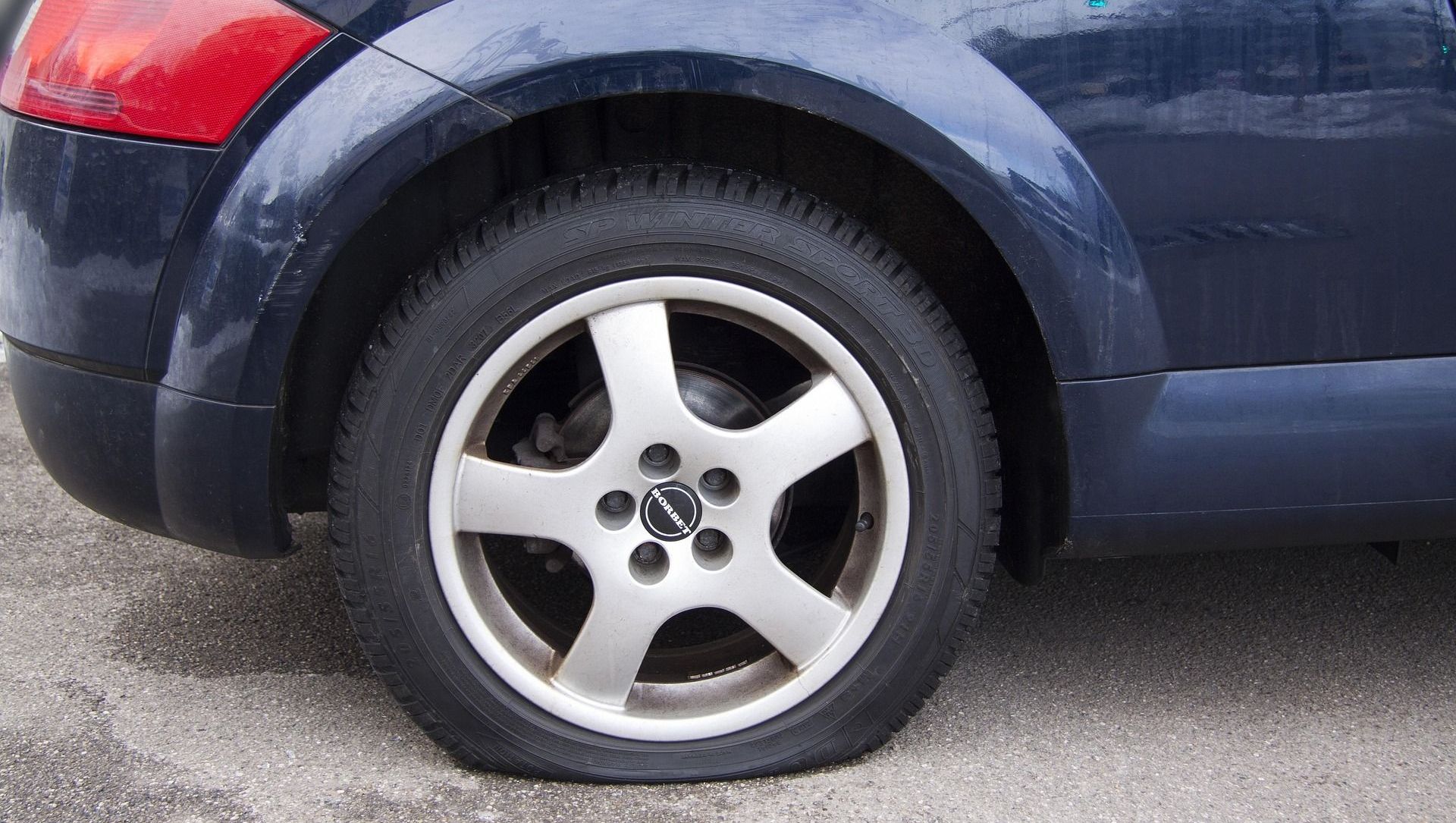
A flat tire on a blue car. The tire is deflated, and the car is parked on a gray surface.

E os pneus run-flat?

Pneus run-flat são projetados para permitir uma condução temporária após um furo, mas nem todos são reparáveis. Dependendo do grau de dano e das especificações da marca, podemos indicar se é possível fazer um reparo seguro ou se a substituição é necessária.


Não confie apenas na aparência

A verdade é que os danos nos pneus nem sempre são visíveis. Um pequeno furo pode esconder danos internos, enquanto um corte aparentemente grave pode ser superficial e fácil de consertar. É por isso que uma inspeção profissional faz toda a diferença.


Na Raymond’s Tire Service, inspecionamos cada pneu por dentro e por fora. Nossos técnicos explicam suas opções com clareza — sem empurrar vendas, sem pressão, apenas conselhos técnicos confiáveis.

Red Dodge Challenger drifting on a paved surface, creating a cloud of white smoke.

Fique seguro e economize

Identificar e reparar danos nos pneus logo no início pode evitar a substituição completa. Mas quando a segurança está em jogo, não arriscamos.


Seja para um reparo rápido ou um jogo novo de pneus, a Raymond’s Tire Service está aqui para ajudar os motoristas de Boston a ficarem seguros nas estradas durante todo o ano. Faça uma visita, ligue para nós ou agende uma inspeção hoje mesmo.
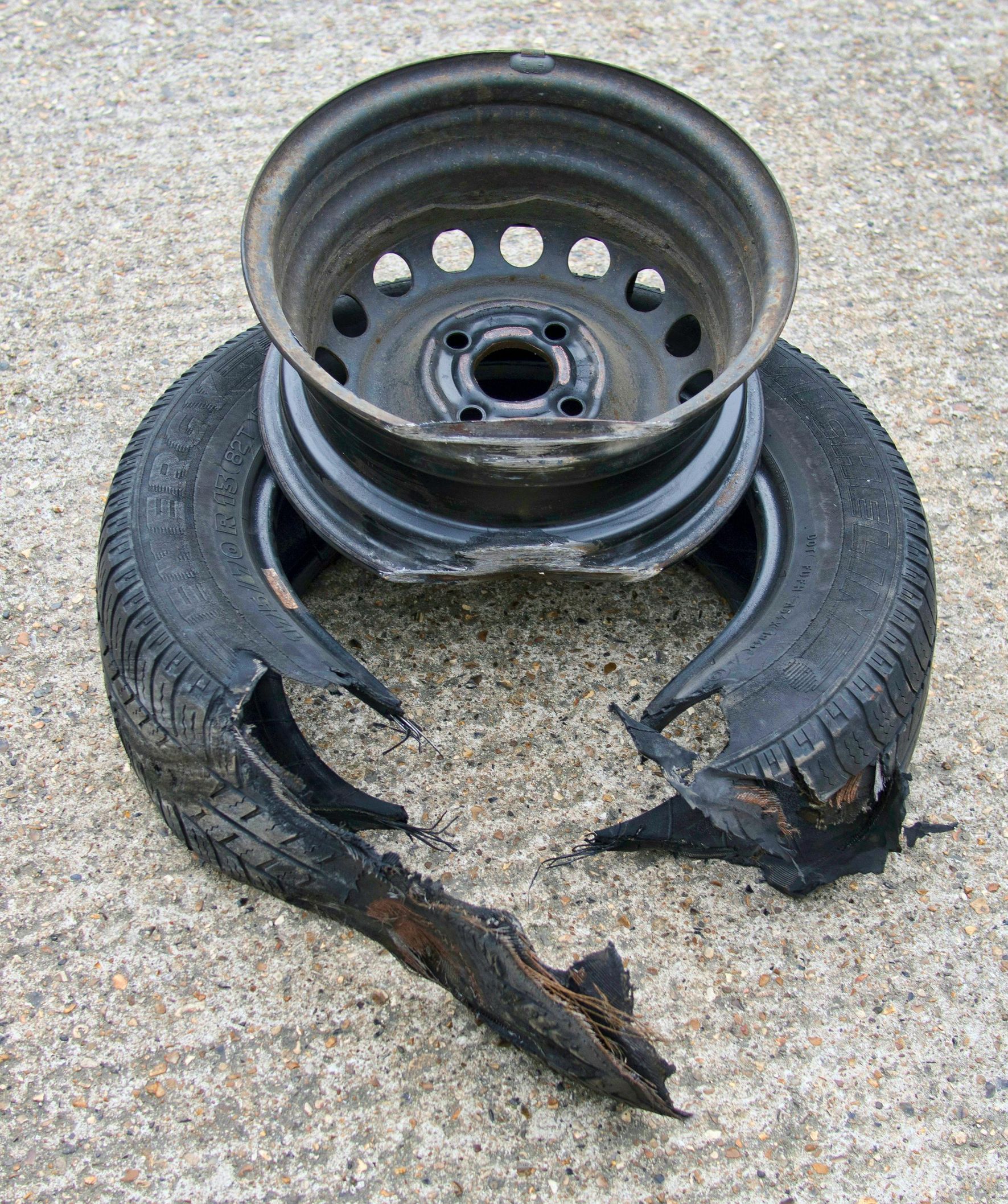

Damaged car tire and rim on pavement. The tire is torn apart, exposing the wheel.
Gray Ford Raptor pickup truck parked under an overpass, facing the camera. The truck has black accents and orange running lights.
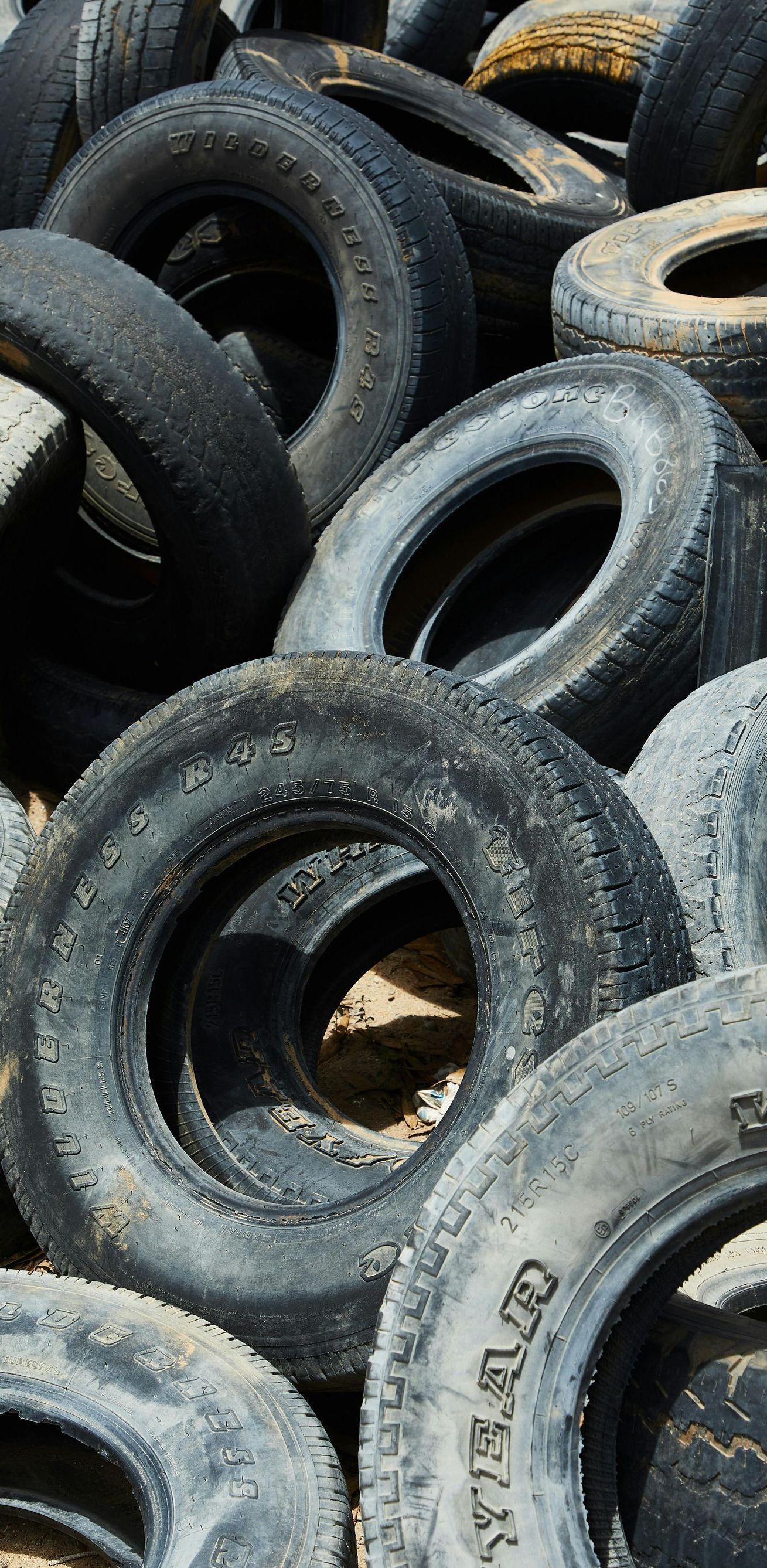
Pile of old tires, mostly black and gray, with some worn white lettering visible.
A dark-colored car drives down a road flanked by tall, green trees. Overcast sky.
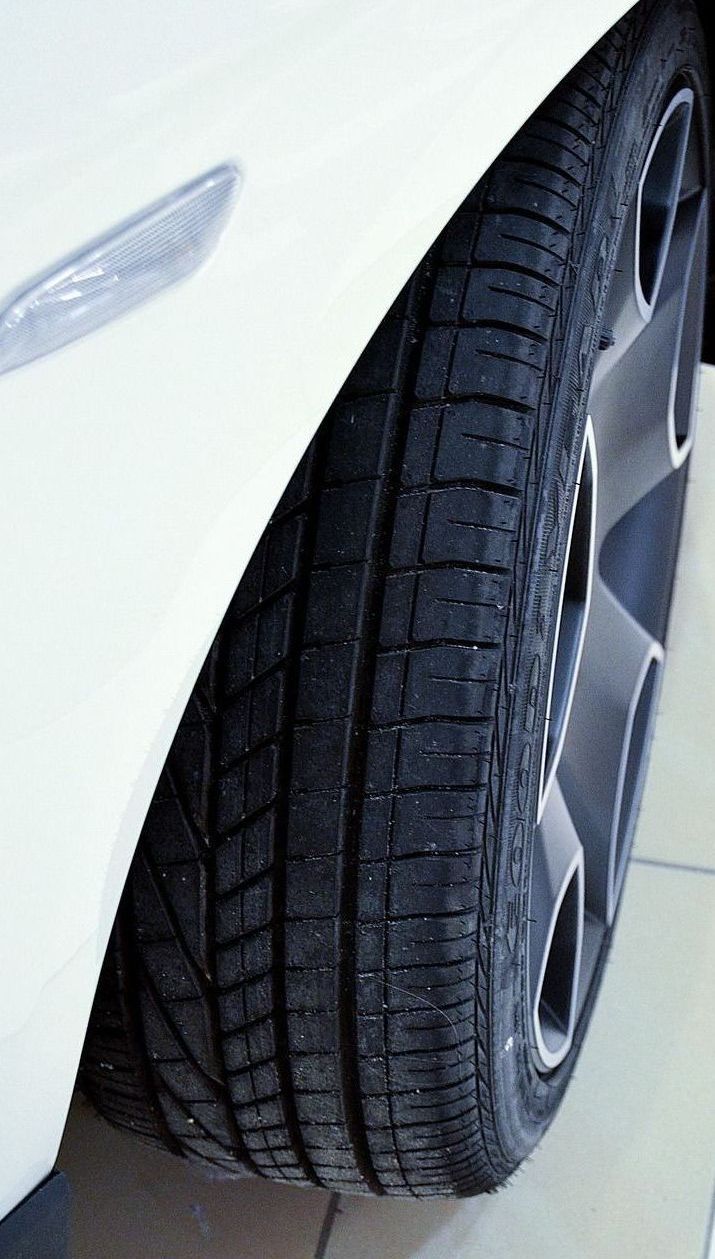
White car's front tire and alloy wheel close-up. The black tire has tread, and the wheel has a silver rim.
A close up of a tire on a white truck
October 1, 2026
A hard pothole impact can do more than damage a tire. The force can also bend a wheel, especially if the pothole is deep, the vehicle is moving quickly, or the tire has a lower-profile sidewall with less cushioning between the road and rim. Sometimes the damage is obvious. In other cases, the wheel may look normal but cause vibration, air loss, or handling problems.  Knowing what to watch for after a pothole strike can help drivers catch wheel damage before it creates additional tire or suspension problems.
September 23, 2026
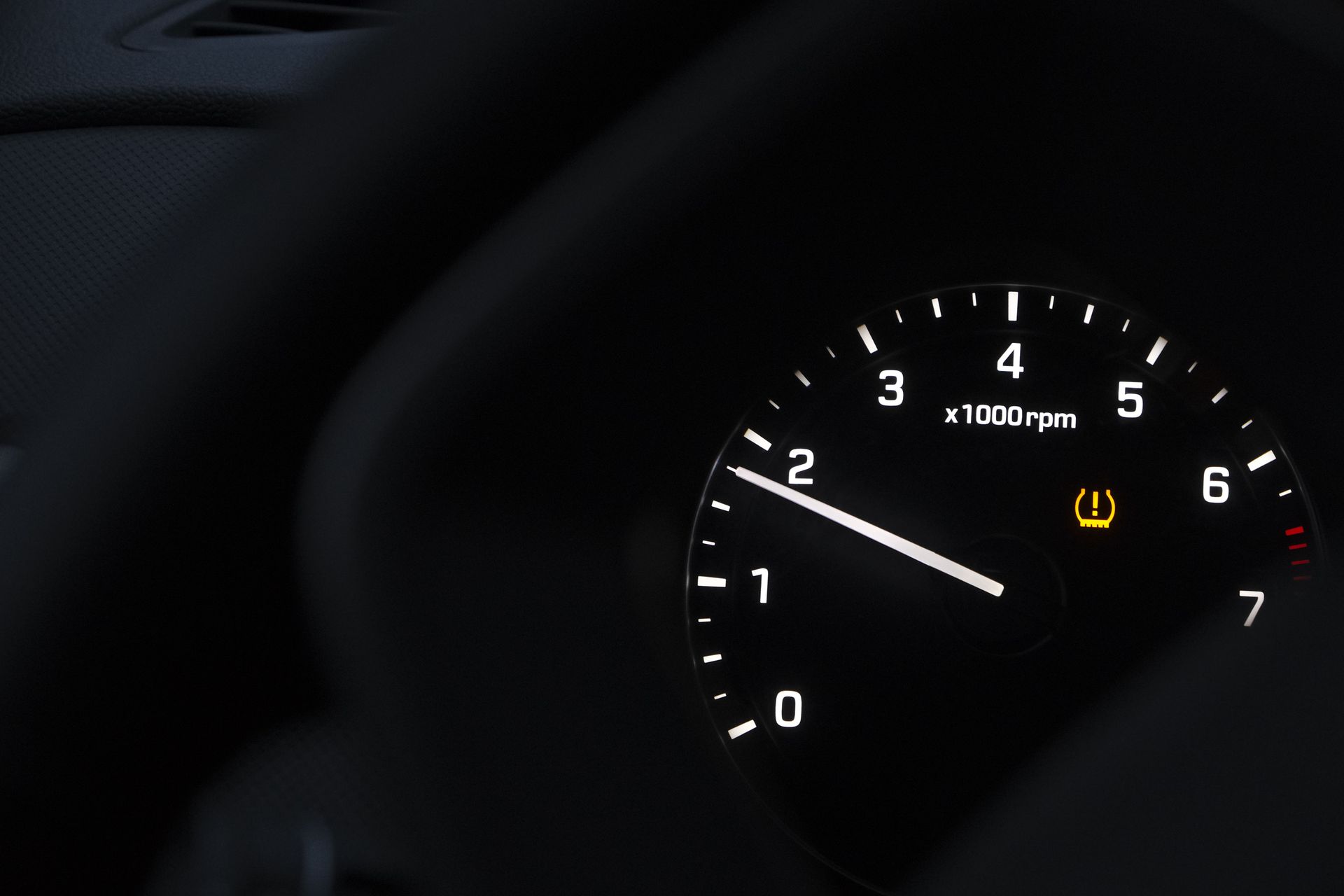
Most drivers are familiar with the tire pressure monitoring system , or TPMS, warning light. When it stays on steadily, it usually means one or more tires may be underinflated. A flashing TPMS light often means something different. Instead of simply warning about low tire pressure, a flashing light can indicate a problem with the monitoring system itself. That could involve a sensor, sensor battery, communication issue, or another TPMS-related fault.  Knowing the difference can help drivers avoid assuming that adding air will automatically solve the problem.
September 22, 2026
Tread depth is one of the first things drivers look at when deciding whether a tire still has life left. Deep grooves can make a tire appear healthy, especially if the vehicle is not driven very often. But tread is only part of the picture. Tires age even when they are not being used heavily. Over time, rubber compounds can harden, dry out, and become less flexible. That means an older tire may still have plenty of tread while no longer performing the way it did when it was newer. Rubber Changes With Age Tires are constantly exposed to oxygen, heat, sunlight, moisture, and changing temperatures. Those conditions gradually affect the rubber. As a tire ages, the material can lose some of its elasticity. That may reduce its ability to flex properly as it rolls and responds to the road. A tire that looks acceptable at a quick glance may therefore be significantly older than its appearance suggests. This is especially important for vehicles that accumulate very few miles each year.
September 11, 2026
A flat tire does not always mean the tire has to be replaced. In many cases, a small puncture can be repaired safely and returned to service. The key is where the puncture occurred, how large it is, and whether the tire suffered additional damage while losing air. That is why a professional inspection matters. Two punctures that lo ok similar from the outside may require completely different solutions once the tire is removed and examined internally. Location Matters Most One of the first things a technician looks at is where the puncture is located. Damage in the central tread area is often the best candidate for repair. This part of the tire is designed to handle contact with the road and can sometimes be repaired when the puncture is small and otherwise straightforward. Punctures near the shoulder or sidewall are much more concerning.  These areas flex significantly while the tire is moving and cannot usually be repaired safely using standard puncture-repair methods. If a nail, screw, or other object damages the sidewall or outer shoulder, replacement is often the safer option.
September 6, 2026
A wheel alignment can correct important steering and tire-angle settings, but the alignment itself depends on the suspension being in good mechanical condition. If ball joints, tie rods, control arm bushings, wheel bearings, or other components are worn, the wheels may not stay in the position the technician sets.  That is why some vehicles continue pulling , wearing tires unevenly, or developing an off-center steering wheel even after an alignment. In those cases, the problem may not be the alignment machine or the adjustment. It may be worn suspension or steering components underneath the vehicle.
August 28, 2026
When a tire repeatedly loses air but there is no obvious nail, screw, or visible puncture, the problem may be where the tire meets the wheel. This area is known as the tire bead, and a poor seal between the bead and the rim can allow air to escape gradually. Tire bead leaks are a common cause of slow pressure loss. Understanding why they happen can help drivers recognize when a tire needs professional inspection rather than repeatedly adding air. What Is the Tire Bead? The bead is the reinforced inner edge of the tire that sits tightly against the wheel rim. When a tire is properly mounted and inflated, air pressure helps hold the bead securely against the wheel, creating an airtight seal. If that sealing surface becomes damaged, dirty, corroded, or distorted, a small pathway can develop for air to escape.  Because these leaks may be very small, the tire can lose pressure over several days or weeks rather than going flat immediately.