Daños en los neumáticos 101: Cuándo reparar y cuándo reemplazar

Lo que debes saber sobre daños en neumáticos

Los neumáticos sufren mucho, especialmente cuando se enfrentan a baches, escombros y condiciones viales impredecibles, algo muy común en la zona de Boston. Un neumático pinchado o dañado puede hacerte preguntar: ¿se puede reparar o tengo que reemplazarlo por completo?


En Raymond’s Tire Service, nos especializamos en ayudar a los conductores a tomar decisiones inteligentes y rentables sobre sus neumáticos. A continuación, te explicamos lo básico sobre los daños en los neumáticos, cómo saber cuándo se pueden reparar y cuándo es más seguro reemplazarlos.
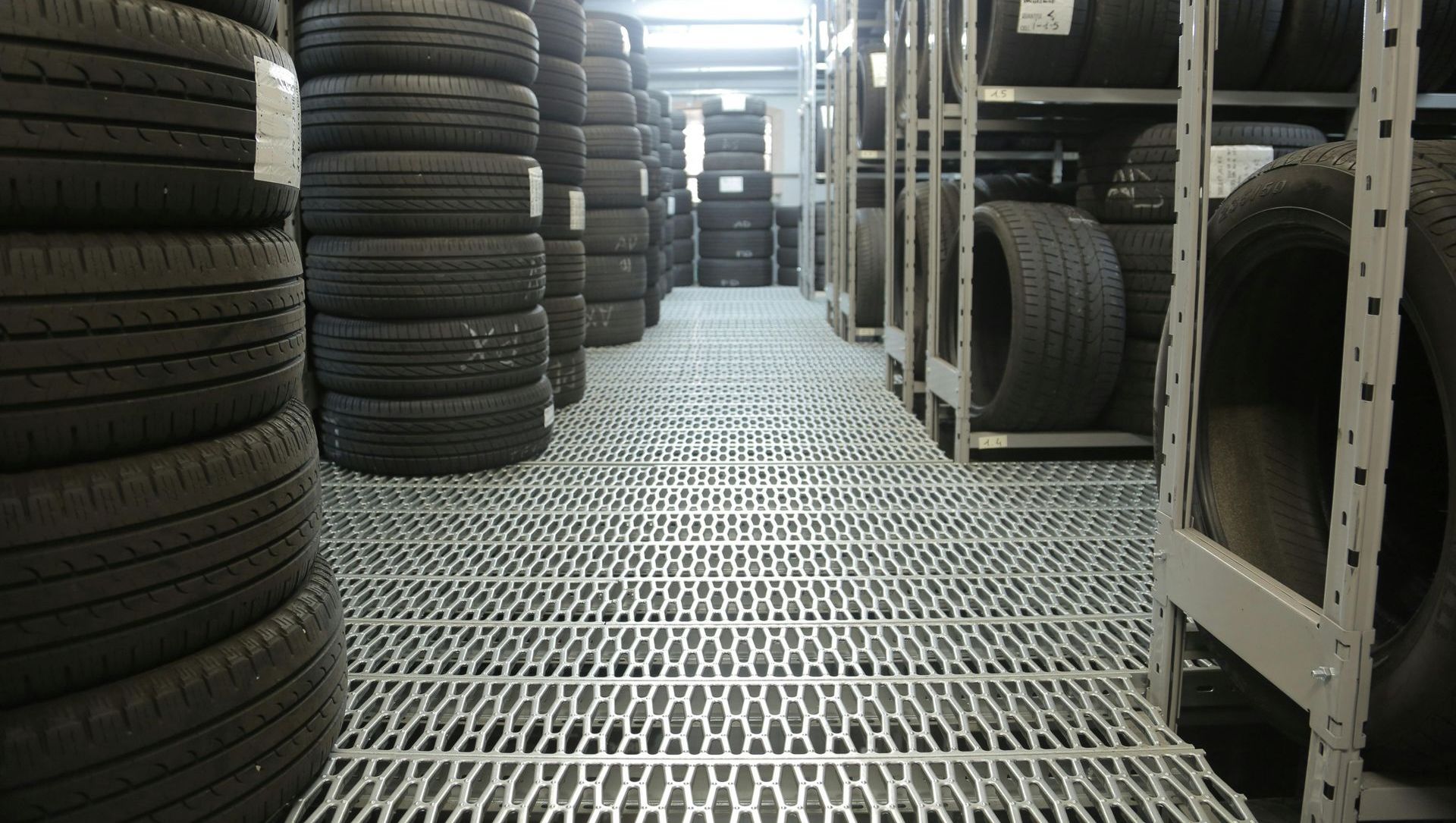
A storage room filled with stacks of car tires. Gray metal shelving lines the walls, and a grated floor covers the space.

Tipos comunes de daños en neumáticos

Antes de decidir si reparar o reemplazar un neumático, es importante entender los diferentes tipos de daños que pueden presentarse:

  • Pinchazos: Generalmente causados por clavos, tornillos u objetos punzantes en la carretera. Son los más comunes y, a menudo, los más fáciles de reparar.
  • Daños en el costado (flanco): Incluyen burbujas, cortes o raspaduras profundas en el borde lateral del neumático. Los costados no se pueden reparar.
  • Separación de la banda de rodadura: Ocurre cuando las capas del neumático comienzan a despegarse, normalmente debido al desgaste o a defectos de fabricación.
  • Daños por impacto: Suelen deberse a golpes contra baches o bordillos. Pueden causar daños internos o abultamientos visibles.
  • Grietas y resequedad: Causadas por la edad, la exposición al clima o la falta de uso. Estos neumáticos se vuelven frágiles e inseguros con el tiempo.
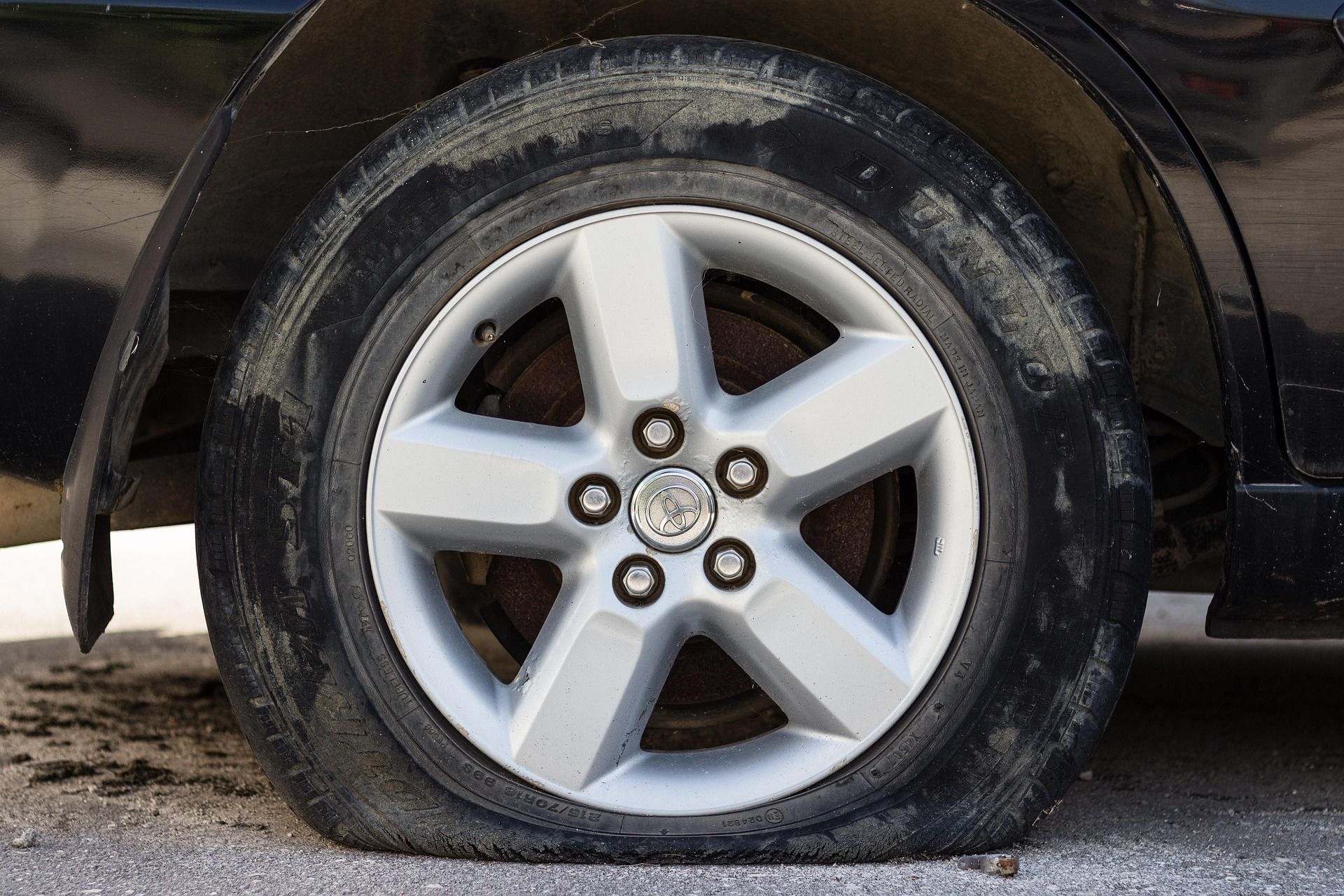
Flat car tire on a silver rim, deflated and resting on the road surface.

¿Cuándo es seguro reparar un neumático?

Una reparación profesional puede ser una solución rápida y económica, pero solo si se cumplen ciertos criterios. Generalmente, un neumático puede repararse si:

  • El pinchazo está ubicado en la banda de rodadura, no en el costado o el hombro.
  • El agujero mide como máximo 6 mm (¼ de pulgada) de diámetro.
  • No hay daños internos ni separación de las capas.
  • El neumático tiene profundidad de dibujo suficiente y no está excesivamente desgastado ni envejecido.


Si se cumplen estas condiciones, una reparación adecuada consiste en desmontar el neumático de la llanta y aplicar una combinación de tapón y parche desde el interior, sellando tanto el revestimiento interno como el canal del pinchazo.


En Raymond’s Tire Service, nunca hacemos reparaciones superficiales o peligrosas. Si no es seguro repararlo, te lo diremos claramente.

White Mercedes sedan parked on a driveway with a house and trees in the background.

¿Cuándo se debe reemplazar un neumático?

No todos los daños pueden (ni deben) repararse. Un neumático debe ser reemplazado si:

  • El pinchazo está en el costado o en el hombro.
  • Hay varios pinchazos muy cercanos entre sí.
  • El neumático presenta daños estructurales, como cables expuestos, separación de la banda de rodadura o bultos en el costado.
  • Se observan grietas, signos de resequedad o un desgaste significativo del dibujo.
  • El neumático tiene más de seis años, incluso si todavía parece estar en buen estado.


Conducir con un neumático comprometido puede causar reventones, pérdida de control del vehículo o daños en la suspensión. En la mayoría de los casos, el costo de reemplazar un neumático es mucho menor que el costo de un accidente.
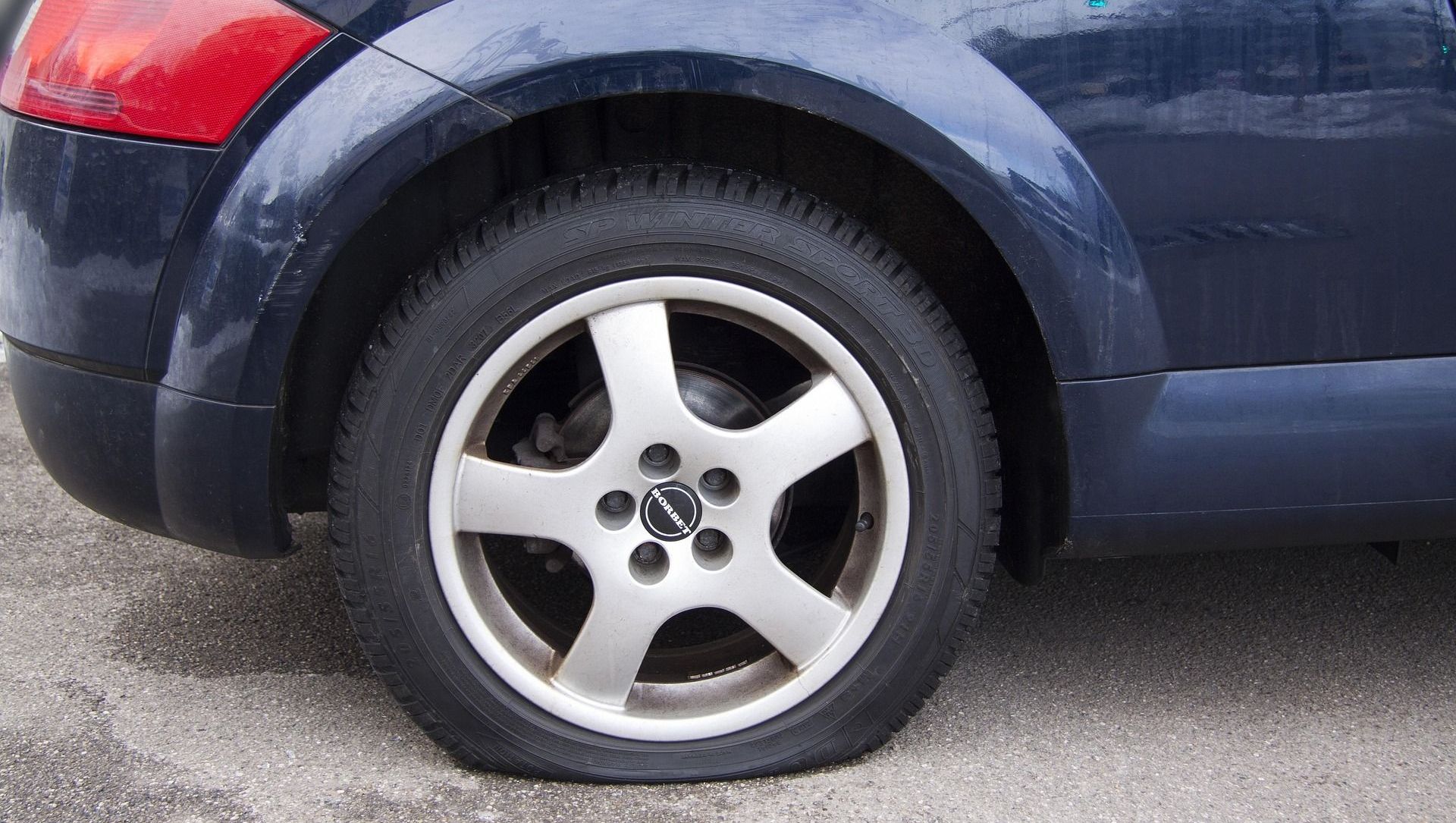
A flat tire on a blue car. The tire is deflated, and the car is parked on a gray surface.

¿Y los neumáticos run-flat?

Los neumáticos run-flat están diseñados para permitir una conducción temporal después de un pinchazo, pero no siempre se pueden reparar. Dependiendo del nivel de daño y de las especificaciones del fabricante, te diremos si es seguro repararlo o si es necesario reemplazarlo.


No te fíes de las apariencias

La verdad es que los daños en los neumáticos no siempre son evidentes. Un clavo pequeño puede parecer inofensivo pero causar daños internos, mientras que un corte grande podría ser superficial y fácil de reparar. Por eso una inspección profesional es tan importante.


En Raymond’s Tire Service, inspeccionamos cada neumático por dentro y por fuera. Nuestros técnicos te explicarán claramente tus opciones —sin ventas agresivas ni presiones, solo consejos expertos y de confianza.

Red Dodge Challenger drifting on a paved surface, creating a cloud of white smoke.

Conduce seguro y ahorra dinero

Detectar y reparar los daños en los neumáticos a tiempo puede evitar que tengas que reemplazarlos por completo. Pero cuando se trata de tu seguridad, no tomamos riesgos.


Ya sea que necesites una reparación rápida o un juego nuevo de neumáticos, Raymond’s Tire Service está aquí para ayudar a los conductores de Boston a mantenerse seguros en la carretera todo el año. Visítanos, llámanos o programa una inspección hoy mismo.
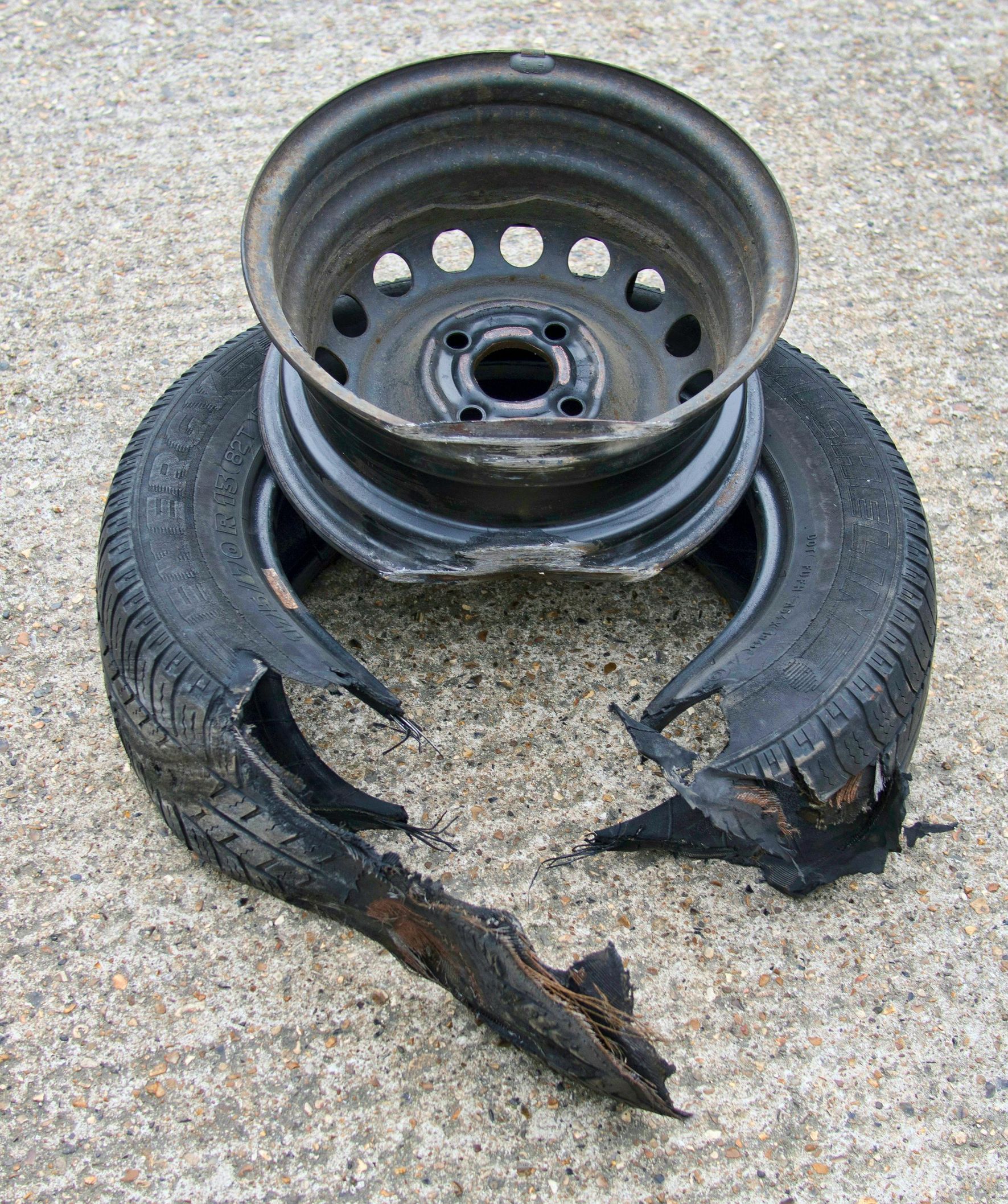

Damaged car tire and rim on pavement. The tire is torn apart, exposing the wheel.
Gray Ford Raptor pickup truck parked under an overpass, facing the camera. The truck has black accents and orange running lights.
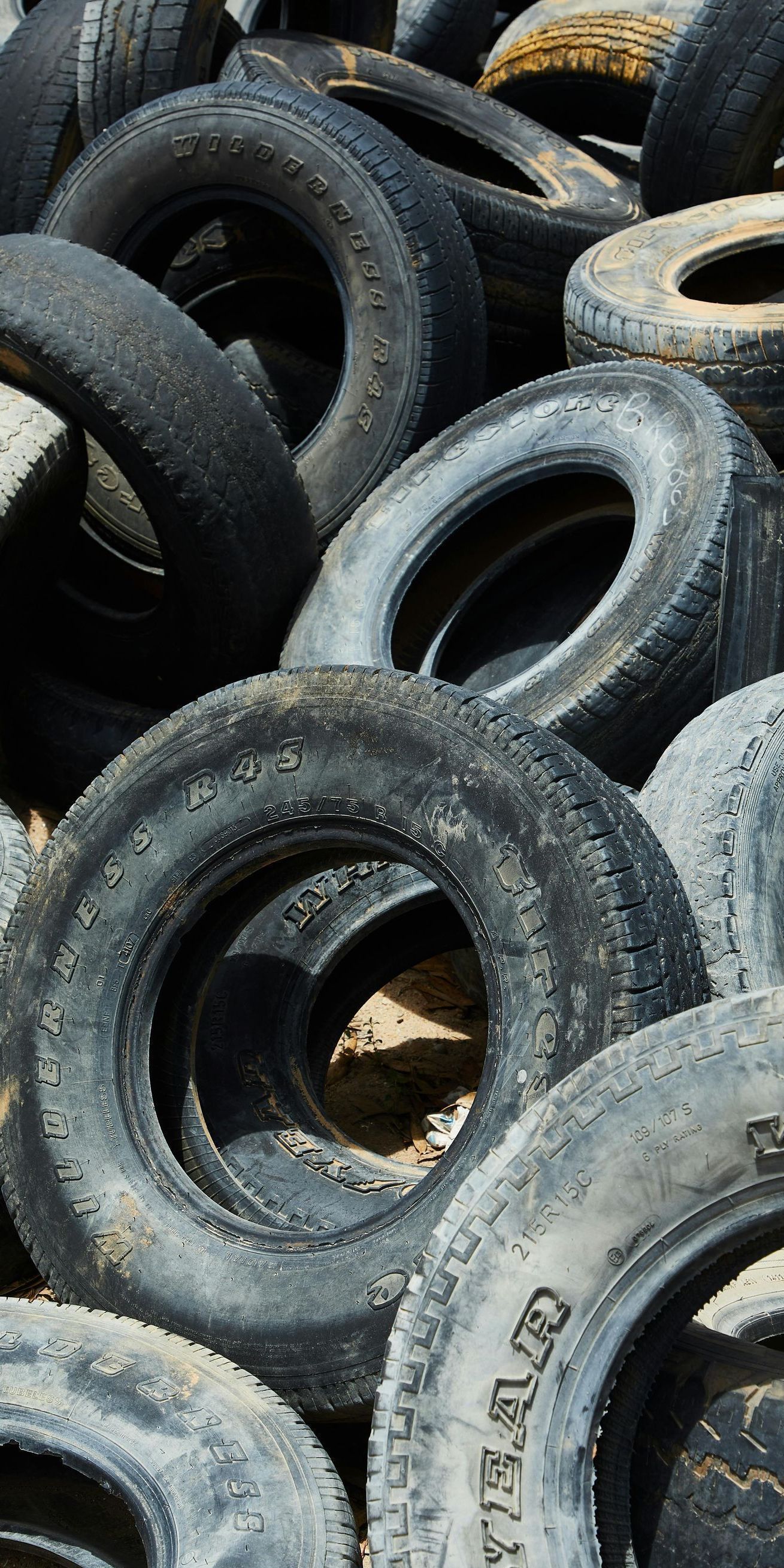
Pile of old tires, mostly black and gray, with some worn white lettering visible.
A dark-colored car drives down a road flanked by tall, green trees. Overcast sky.
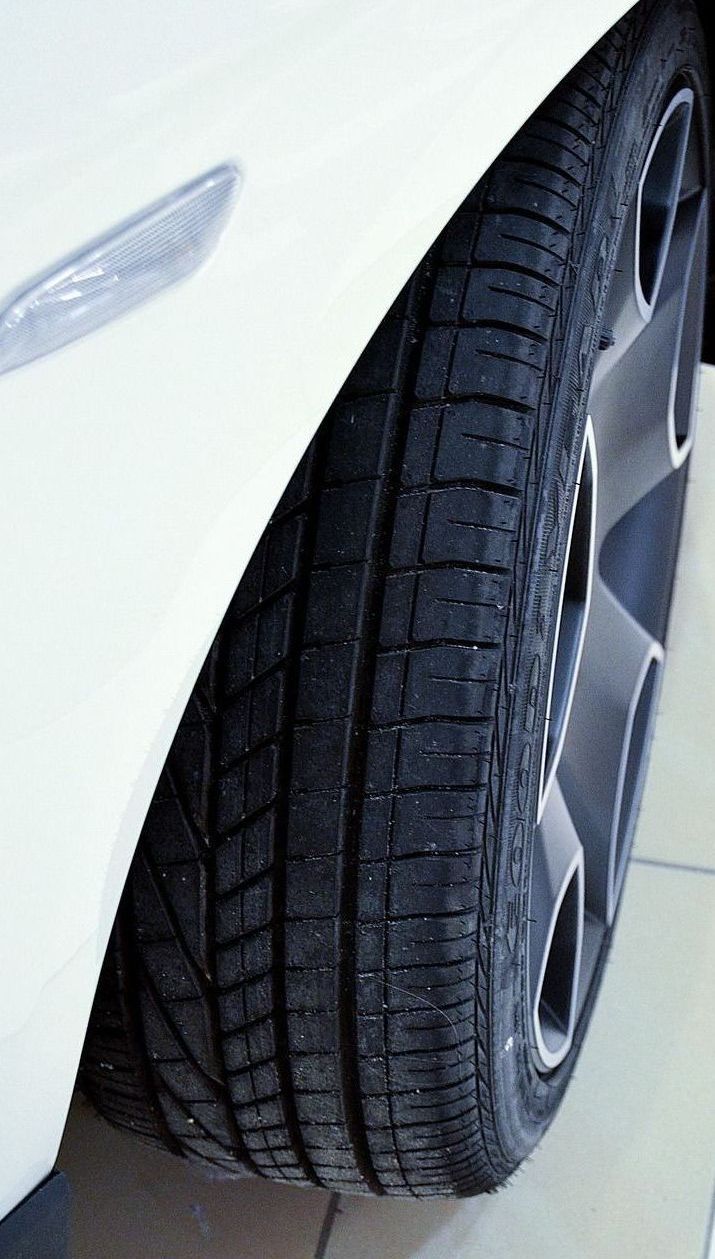
White car's front tire and alloy wheel close-up. The black tire has tread, and the wheel has a silver rim.
A close up of a tire on a white truck
October 1, 2026
A hard pothole impact can do more than damage a tire. The force can also bend a wheel, especially if the pothole is deep, the vehicle is moving quickly, or the tire has a lower-profile sidewall with less cushioning between the road and rim. Sometimes the damage is obvious. In other cases, the wheel may look normal but cause vibration, air loss, or handling problems.  Knowing what to watch for after a pothole strike can help drivers catch wheel damage before it creates additional tire or suspension problems.
September 23, 2026
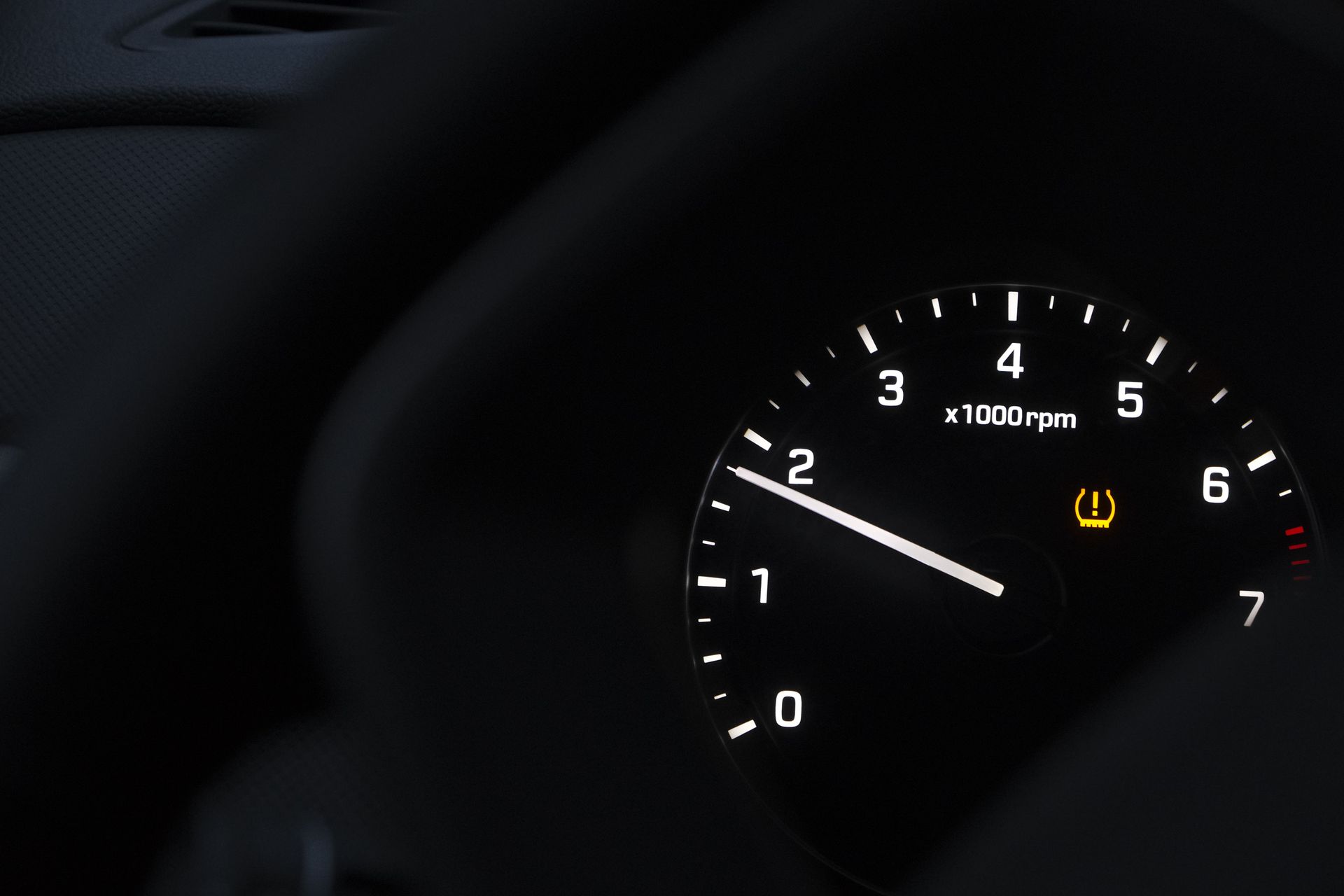
Most drivers are familiar with the tire pressure monitoring system , or TPMS, warning light. When it stays on steadily, it usually means one or more tires may be underinflated. A flashing TPMS light often means something different. Instead of simply warning about low tire pressure, a flashing light can indicate a problem with the monitoring system itself. That could involve a sensor, sensor battery, communication issue, or another TPMS-related fault.  Knowing the difference can help drivers avoid assuming that adding air will automatically solve the problem.
September 22, 2026
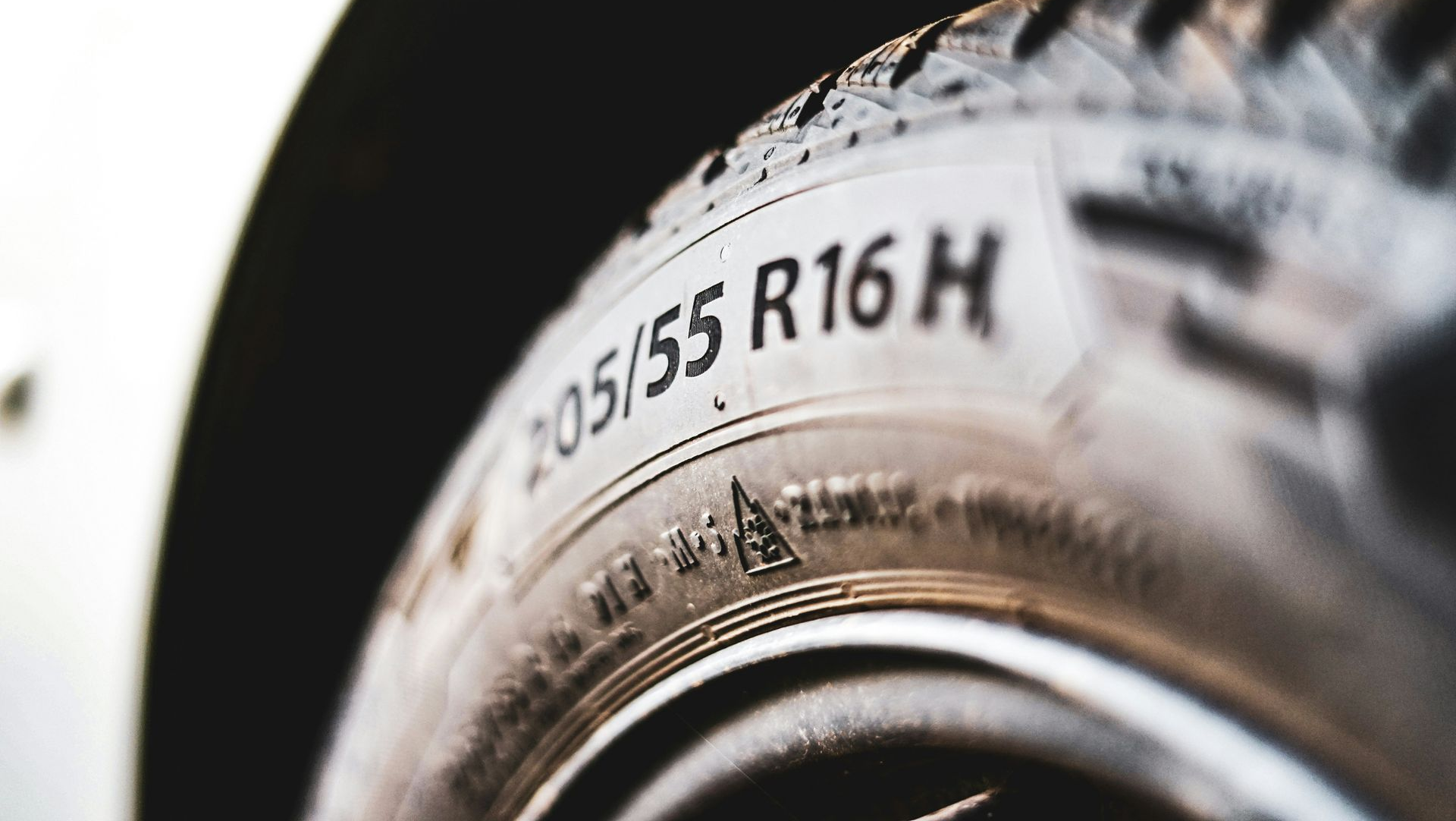
Tread depth is one of the first things drivers look at when deciding whether a tire still has life left. Deep grooves can make a tire appear healthy, especially if the vehicle is not driven very often. But tread is only part of the picture. Tires age even when they are not being used heavily. Over time, rubber compounds can harden, dry out, and become less flexible. That means an older tire may still have plenty of tread while no longer performing the way it did when it was newer. Rubber Changes With Age Tires are constantly exposed to oxygen, heat, sunlight, moisture, and changing temperatures. Those conditions gradually affect the rubber. As a tire ages, the material can lose some of its elasticity. That may reduce its ability to flex properly as it rolls and responds to the road. A tire that looks acceptable at a quick glance may therefore be significantly older than its appearance suggests. This is especially important for vehicles that accumulate very few miles each year.
September 11, 2026
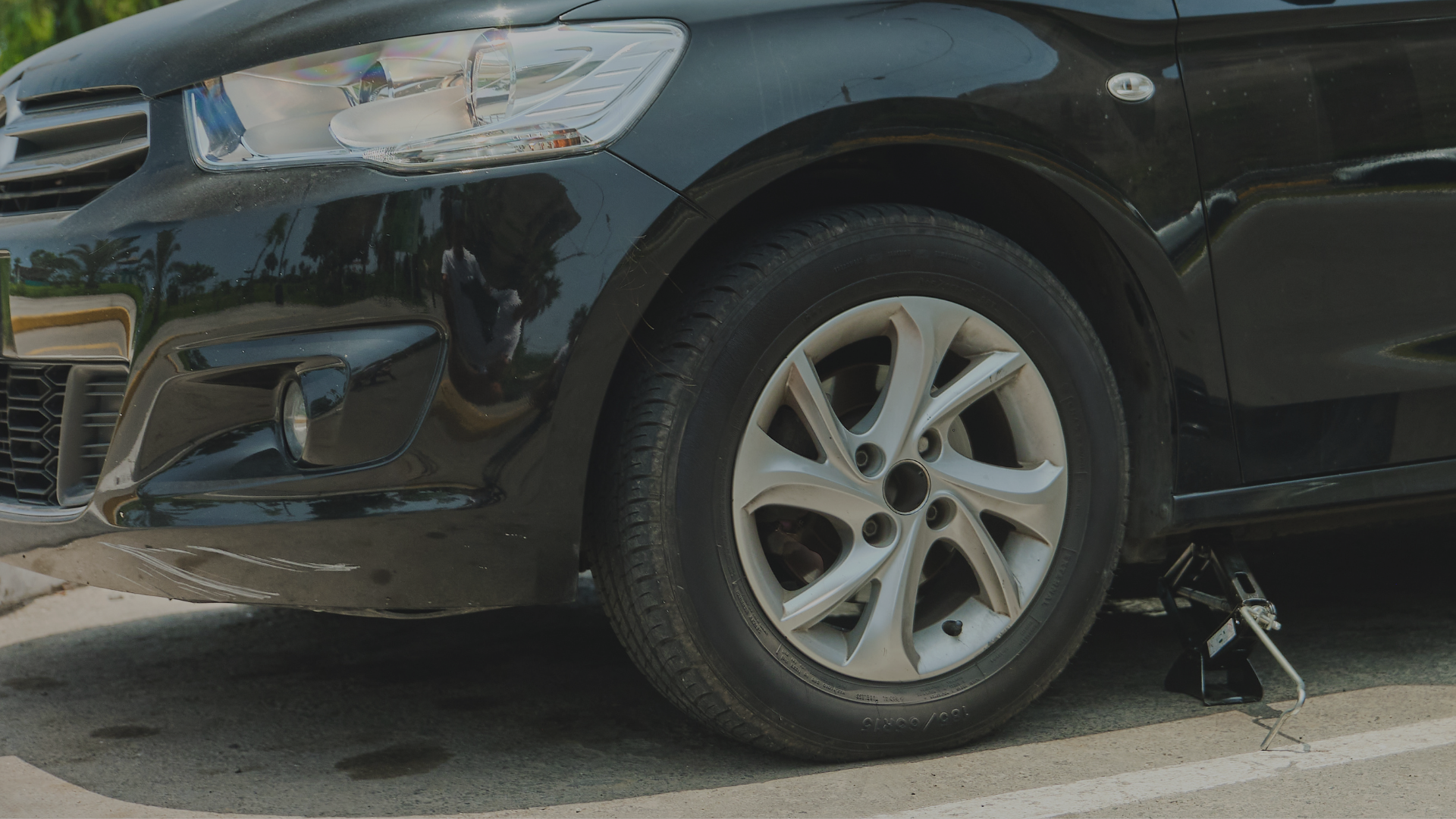
A flat tire does not always mean the tire has to be replaced. In many cases, a small puncture can be repaired safely and returned to service. The key is where the puncture occurred, how large it is, and whether the tire suffered additional damage while losing air. That is why a professional inspection matters. Two punctures that lo ok similar from the outside may require completely different solutions once the tire is removed and examined internally. Location Matters Most One of the first things a technician looks at is where the puncture is located. Damage in the central tread area is often the best candidate for repair. This part of the tire is designed to handle contact with the road and can sometimes be repaired when the puncture is small and otherwise straightforward. Punctures near the shoulder or sidewall are much more concerning.  These areas flex significantly while the tire is moving and cannot usually be repaired safely using standard puncture-repair methods. If a nail, screw, or other object damages the sidewall or outer shoulder, replacement is often the safer option.
September 6, 2026
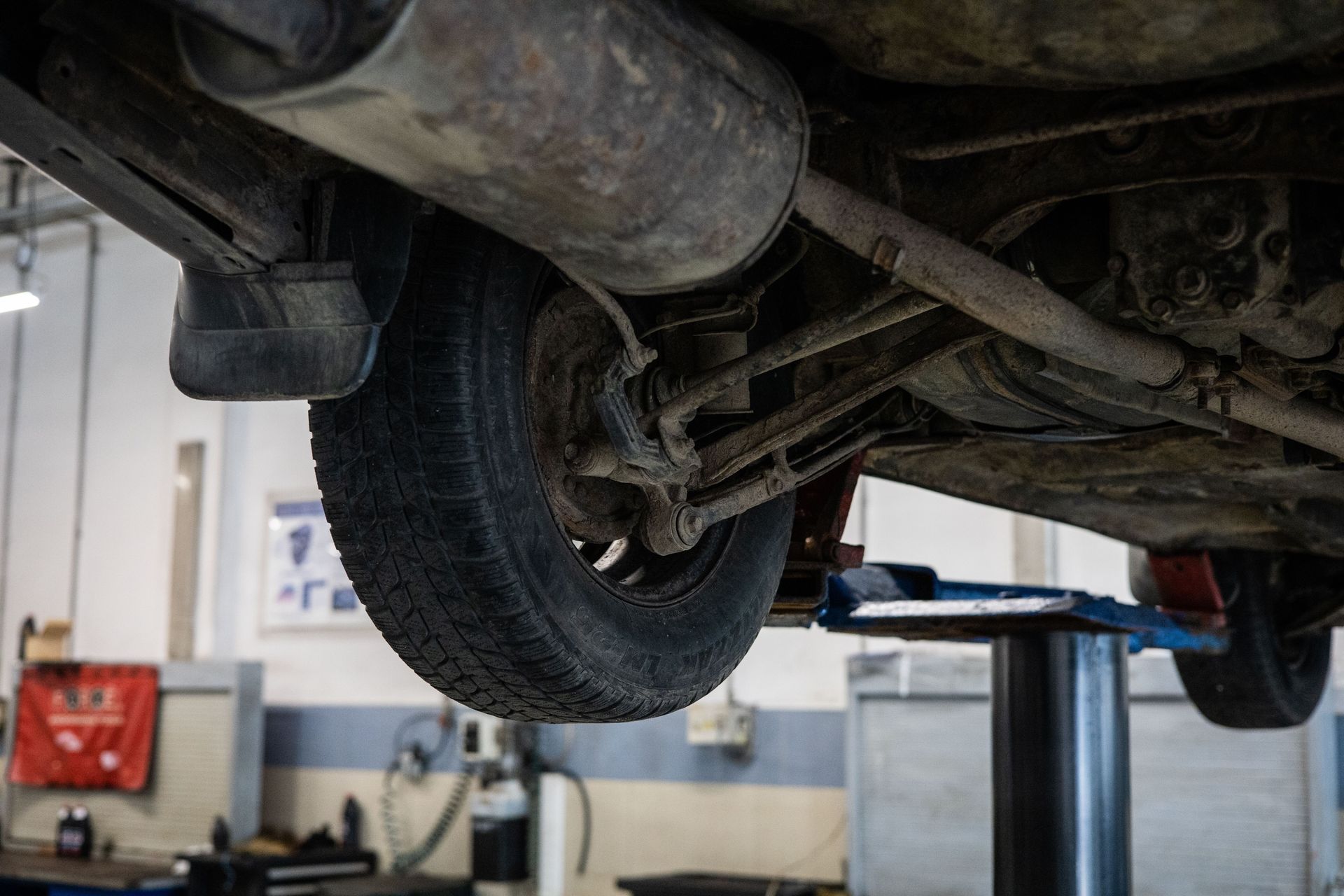
A wheel alignment can correct important steering and tire-angle settings, but the alignment itself depends on the suspension being in good mechanical condition. If ball joints, tie rods, control arm bushings, wheel bearings, or other components are worn, the wheels may not stay in the position the technician sets.  That is why some vehicles continue pulling , wearing tires unevenly, or developing an off-center steering wheel even after an alignment. In those cases, the problem may not be the alignment machine or the adjustment. It may be worn suspension or steering components underneath the vehicle.
August 28, 2026
When a tire repeatedly loses air but there is no obvious nail, screw, or visible puncture, the problem may be where the tire meets the wheel. This area is known as the tire bead, and a poor seal between the bead and the rim can allow air to escape gradually. Tire bead leaks are a common cause of slow pressure loss. Understanding why they happen can help drivers recognize when a tire needs professional inspection rather than repeatedly adding air. What Is the Tire Bead? The bead is the reinforced inner edge of the tire that sits tightly against the wheel rim. When a tire is properly mounted and inflated, air pressure helps hold the bead securely against the wheel, creating an airtight seal. If that sealing surface becomes damaged, dirty, corroded, or distorted, a small pathway can develop for air to escape.  Because these leaks may be very small, the tire can lose pressure over several days or weeks rather than going flat immediately.