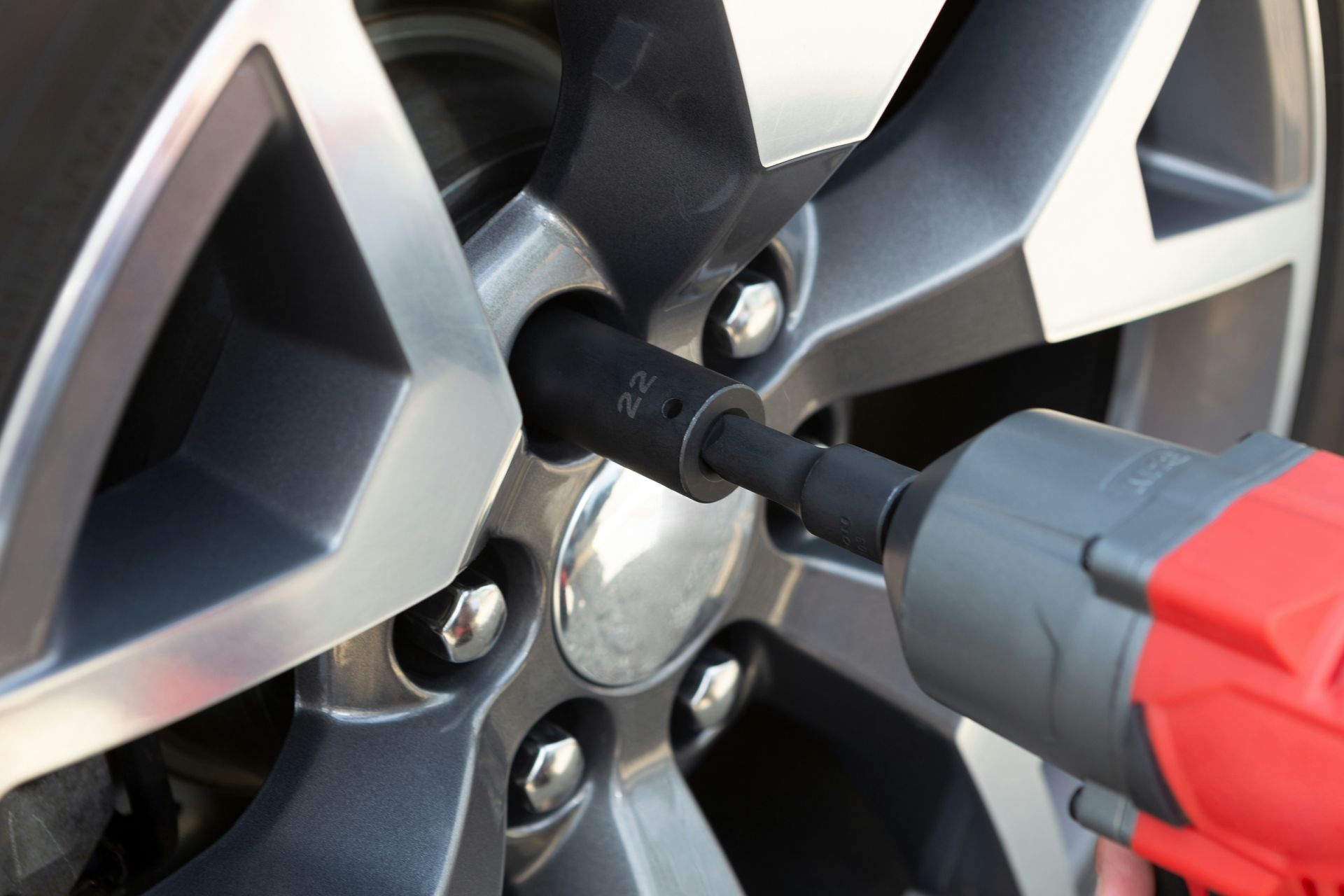
Entendendo as quatro principais funções de um pneu

A maioria dos motoristas pensa nos pneus simplesmente como componentes redondos de borracha que permitem que um veículo percorra a estrada. Na realidade, os pneus são peças sofisticadas de engenharia que desempenham várias funções essenciais sempre que um veículo está em movimento. Eles suportam o peso do veículo, transmitem as forças de direção e frenagem, absorvem as irregularidades da estrada e mantêm a tração em diferentes condições de condução. Cada aceleração, curva e parada depende dessas quatro pequenas áreas de contato onde os pneus encontram a estrada.


Entender as principais funções de um pneu ajuda os motoristas a compreender por que a manutenção regular e a substituição no momento adequado são tão importantes. A Raymond’s Tire Shop ajuda seus clientes a escolher pneus de qualidade e a mantê-los adequadamente para que seus veículos continuem funcionando com segurança e eficiência durante toda a vida útil dos pneus.
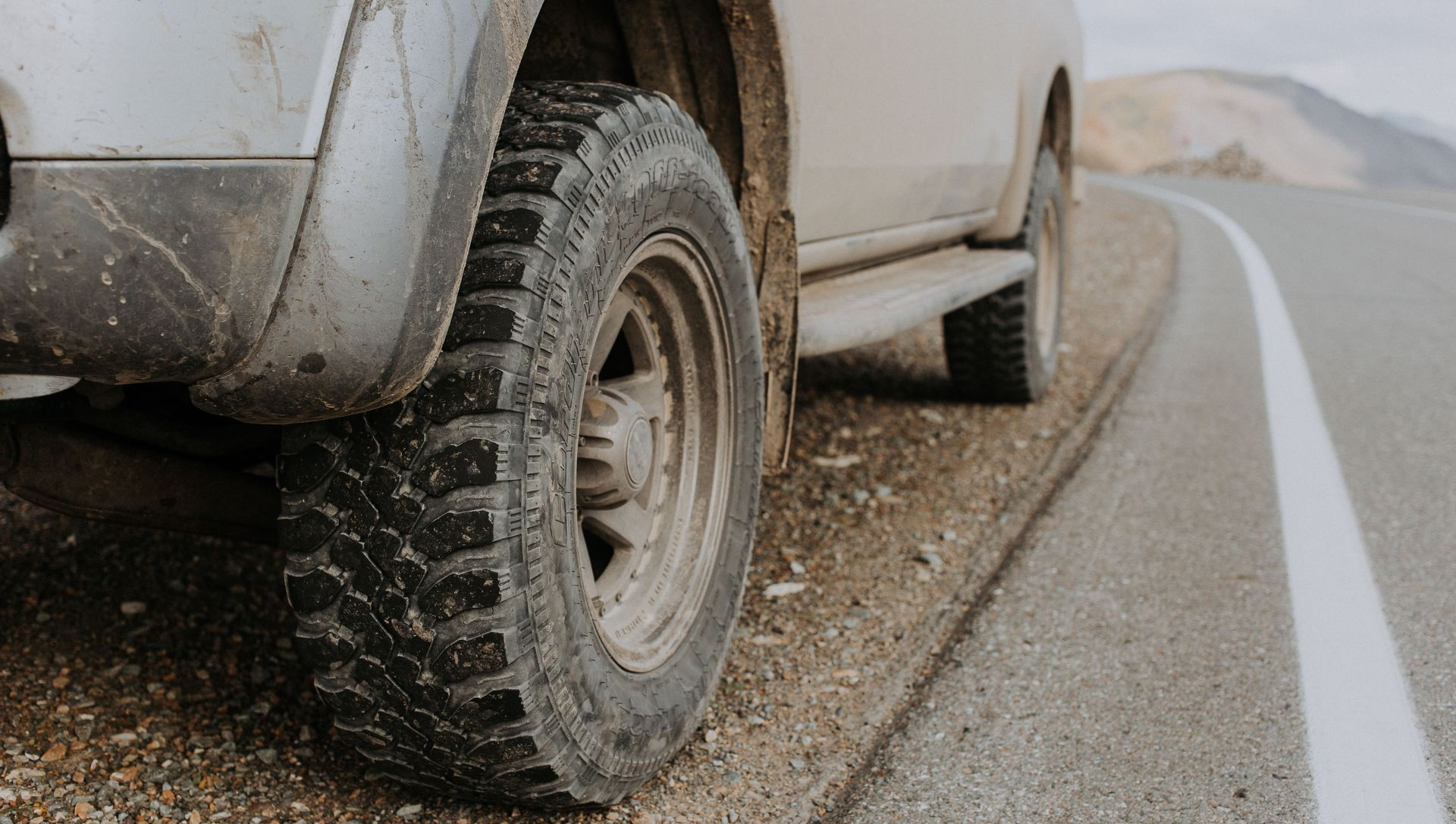
Mud-splattered SUV tire parked on a gravel roadside beside a white lane line

Suportar o peso do veículo

A primeira e mais óbvia função de um pneu é suportar o peso do veículo.


Embora os pneus sejam fabricados principalmente de borracha, eles também contêm camadas de cintas de aço, cordões de reforço e outros materiais estruturais que permitem que suportem com segurança milhares de libras, mantendo sua forma. A calibragem adequada é essencial porque a pressão do ar dentro do pneu ajuda a distribuir uniformemente o peso do veículo sobre a banda de rodagem.


Quando os pneus estão com pressão insuficiente ou sobrecarregados, a estrutura interna é submetida a uma tensão adicional. Com o tempo, isso pode contribuir para um desgaste irregular, redução do desempenho e maior probabilidade de danos aos pneus.


Manter a pressão correta dos pneus ajuda a garantir que cada pneu suporte a parte do peso do veículo para a qual foi projetado pelo fabricante.
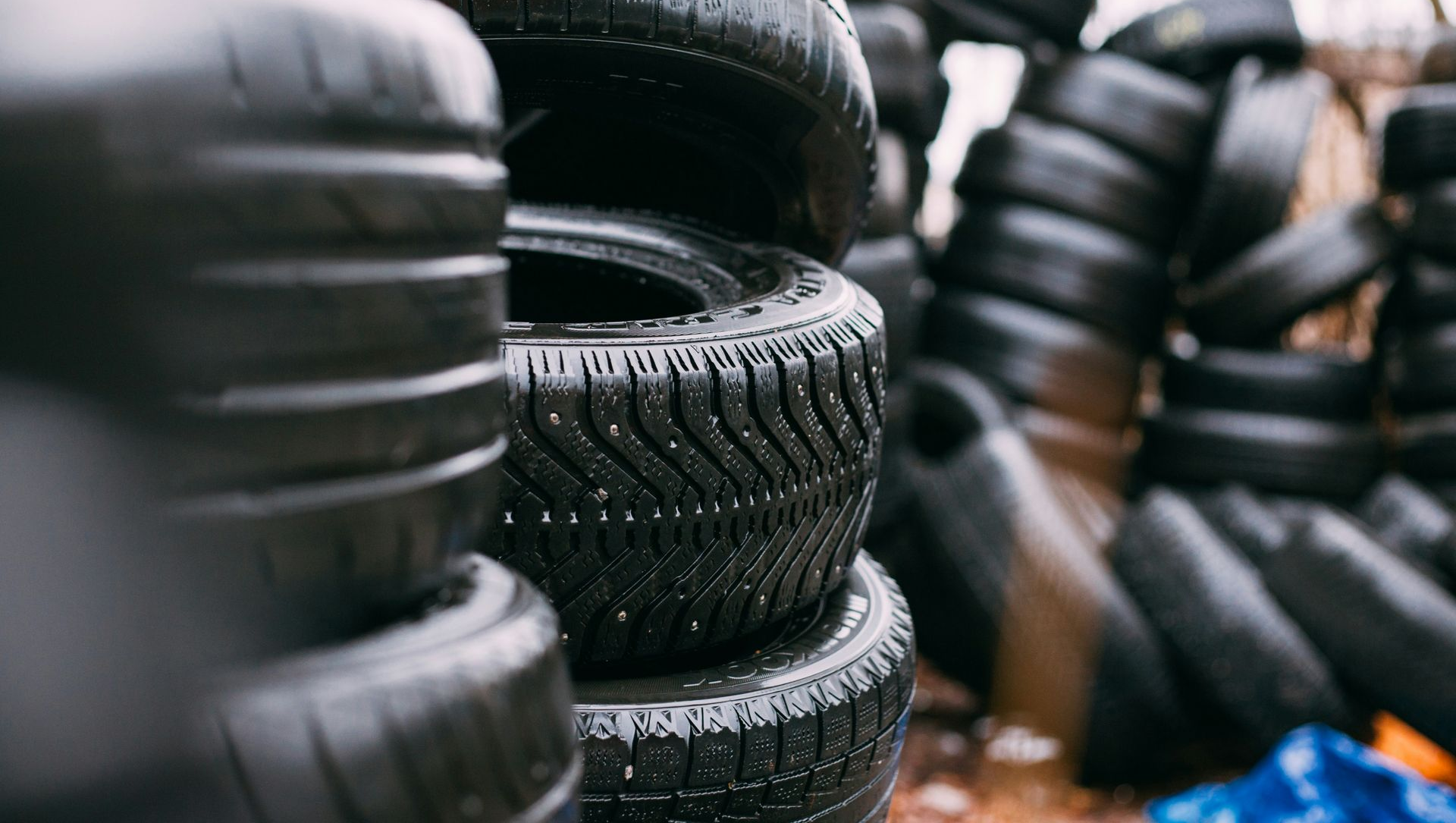
Stacks of black car tires in a tire shop, with one treaded tire centered in the foreground.

Proporcionar tração para aceleração, frenagem e curvas

A segunda principal função de um pneu é gerar tração.


A pequena área onde cada pneu entra em contato com o pavimento é responsável por transmitir as forças necessárias para acelerar, frear e dirigir o veículo. Os padrões da banda de rodagem e os compostos de borracha especialmente desenvolvidos trabalham em conjunto para proporcionar aderência em diversas condições de condução.


À medida que a banda de rodagem se desgasta, a capacidade do pneu de manter a tração — especialmente em estradas molhadas — diminui gradualmente. A redução da tração pode aumentar as distâncias de frenagem e afetar a forma como o veículo responde durante manobras de emergência.


Inspeções regulares dos pneus ajudam os motoristas a identificar o desgaste da banda de rodagem antes que ele comece a afetar o desempenho do veículo.

Man standing beside stacks of tires in a narrow industrial storage aisle

Absorver os impactos da estrada

As estradas raramente são perfeitamente lisas. Buracos, juntas de dilatação, pavimento irregular e outras imperfeições criam impactos constantes enquanto o veículo trafega.


Os pneus funcionam como a primeira linha de suspensão do veículo ao se flexionarem levemente quando encontram essas imperfeições. Essa flexibilidade ajuda a absorver os impactos antes que eles cheguem às rodas, aos componentes da suspensão e aos passageiros.


Pneus devidamente calibrados contribuem para uma condução mais suave e confortável, além de ajudar a proteger o veículo contra tensões desnecessárias causadas pelas condições normais das estradas.


Como os pneus trabalham em conjunto com o sistema de suspensão, manter ambos os componentes em boas condições ajuda a preservar a qualidade da condução e a dirigibilidade do veículo.

Rainy rural road with a car driving through mist beside autumn trees and a fenced field

Manter a estabilidade direcional

A quarta principal função de um pneu é ajudar o veículo a manter uma dirigibilidade previsível e estabilidade direcional.


Quando recebem a manutenção adequada, os pneus ajudam o motorista a fazer curvas com precisão, manter o controle durante mudanças de faixa e responder de maneira consistente aos movimentos do volante. Pneus balanceados e o alinhamento correto das rodas também contribuem para uma condução estável, garantindo que cada pneu mantenha o contato adequado com a superfície da estrada.


Se os pneus apresentarem desgaste irregular, estiverem calibrados incorretamente ou estiverem fora de balanceamento, os motoristas poderão notar sintomas como vibração, instabilidade direcional ou o veículo puxando para um dos lados. Essas condições devem ser avaliadas prontamente para evitar desgaste adicional e preservar características seguras de dirigibilidade.


O rodízio regular dos pneus, o balanceamento das rodas e os serviços de alinhamento ajudam a manter um desempenho consistente do veículo.
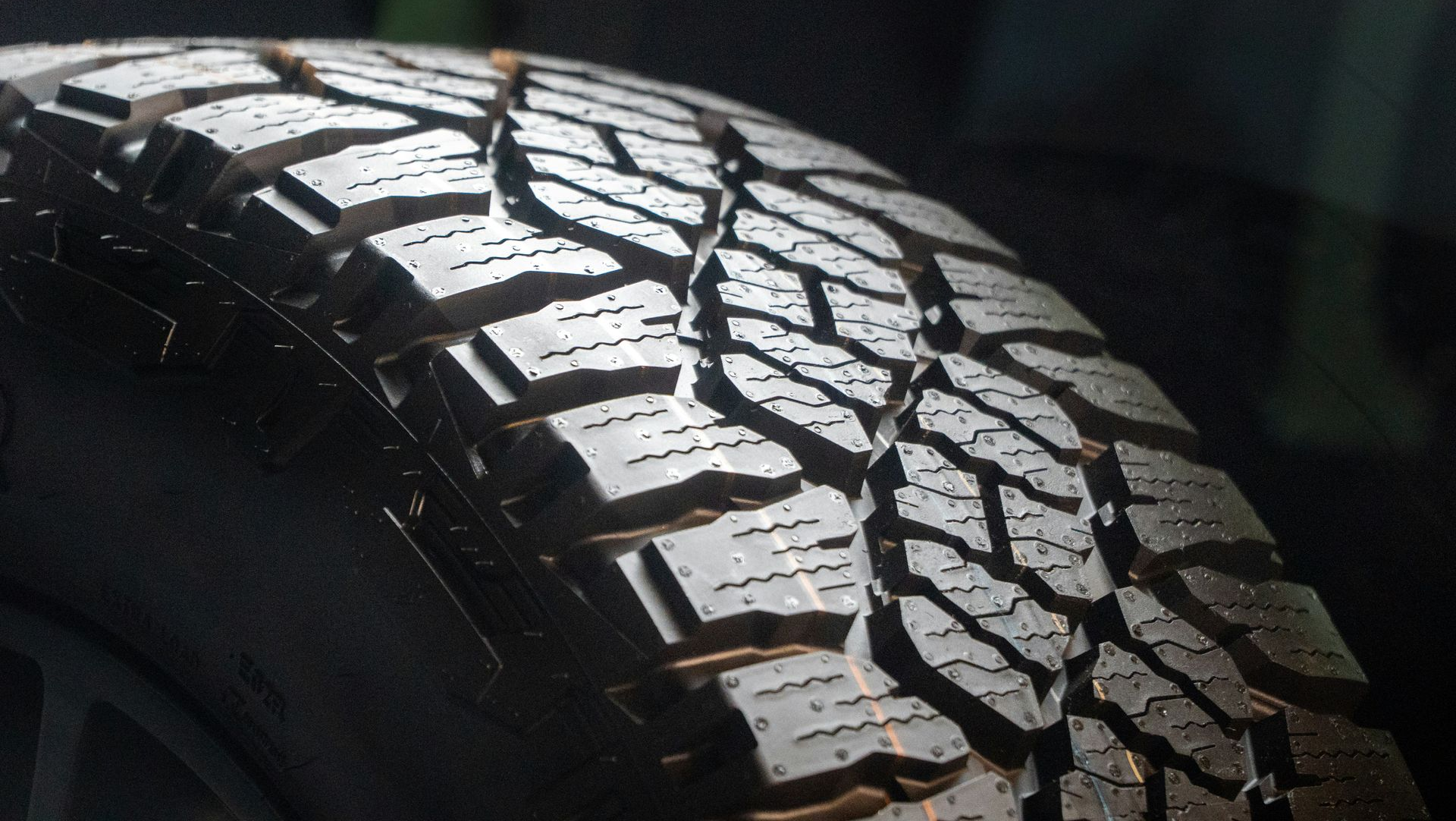
Close-up of a rugged black off-road tire with deep tread pattern

A manutenção adequada mantém as quatro funções

Cada uma dessas quatro funções depende de uma manutenção regular.


Verificar regularmente a pressão dos pneus, realizar o rodízio programado, fazer o balanceamento das rodas, manter o alinhamento correto e realizar inspeções periódicas ajudam a maximizar o desempenho e a vida útil dos pneus. Resolver pequenos problemas logo no início muitas vezes evita a substituição prematura dos pneus, além de ajudar a manter a segurança e o conforto do veículo.


Escolher os pneus corretos para o seu veículo e para as suas condições de condução é igualmente importante. Pneus de alta qualidade que recebem a manutenção adequada podem continuar desempenhando as funções para as quais foram projetados durante toda a vida útil esperada.


Mantenha seus pneus funcionando da melhor forma

A Raymond’s Tire Shop oferece serviços profissionais de venda e instalação de pneus, rodízio de pneus, balanceamento de rodas, alinhamento, reparo de pneus furados e manutenção completa de pneus. Seja para comprar pneus novos ou para garantir que o seu conjunto atual continue funcionando com segurança, nossa equipe experiente está pronta para ajudar a manter seu veículo preparado para a estrada. Entre em contato com a Raymond’s Tire Shop hoje mesmo para agendar seu próximo serviço de pneus.
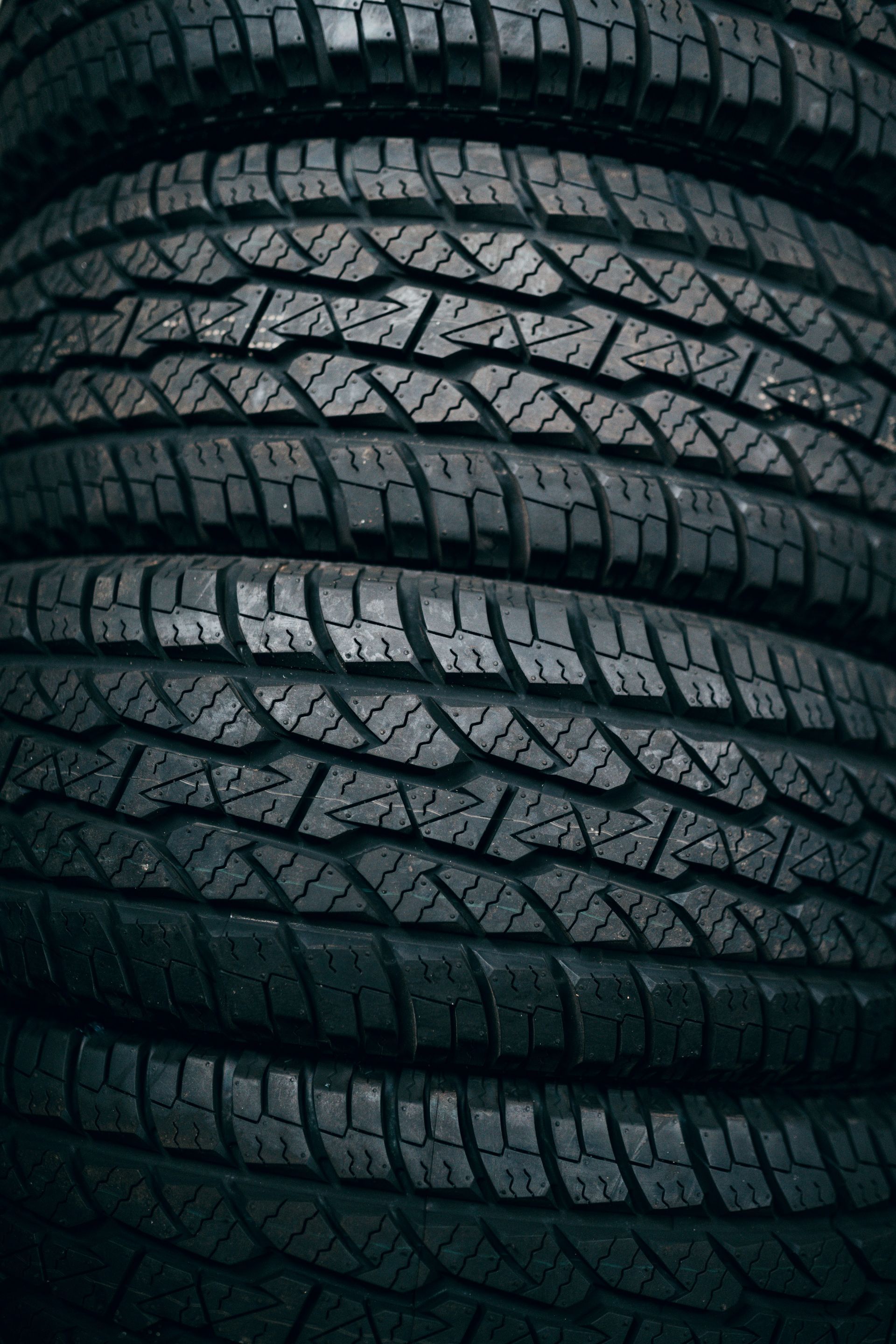
Stacked black car tires with deep tread patterns
Close-up of a wet black car wheel and tire with raindrops on the body panel
Car splashes through a wet street at night, headlights glowing in the rain.
Close-up of a car tire and wheel rim against a snowy road, with tread marks in the snow
A car wheel propped on a stack of three black tires in a garage
Close-up of a wet car tire and wheel on a road, with a blurred background.
September 22, 2026
Tread depth is one of the first things drivers look at when deciding whether a tire still has life left. Deep grooves can make a tire appear healthy, especially if the vehicle is not driven very often. But tread is only part of the picture. Tires age even when they are not being used heavily. Over time, rubber compounds can harden, dry out, and become less flexible. That means an older tire may still have plenty of tread while no longer performing the way it did when it was newer. Rubber Changes With Age Tires are constantly exposed to oxygen, heat, sunlight, moisture, and changing temperatures. Those conditions gradually affect the rubber. As a tire ages, the material can lose some of its elasticity. That may reduce its ability to flex properly as it rolls and responds to the road. A tire that looks acceptable at a quick glance may therefore be significantly older than its appearance suggests. This is especially important for vehicles that accumulate very few miles each year.
September 11, 2026
A flat tire does not always mean the tire has to be replaced. In many cases, a small puncture can be repaired safely and returned to service. The key is where the puncture occurred, how large it is, and whether the tire suffered additional damage while losing air. That is why a professional inspection matters. Two punctures that lo ok similar from the outside may require completely different solutions once the tire is removed and examined internally. Location Matters Most One of the first things a technician looks at is where the puncture is located. Damage in the central tread area is often the best candidate for repair. This part of the tire is designed to handle contact with the road and can sometimes be repaired when the puncture is small and otherwise straightforward. Punctures near the shoulder or sidewall are much more concerning.  These areas flex significantly while the tire is moving and cannot usually be repaired safely using standard puncture-repair methods. If a nail, screw, or other object damages the sidewall or outer shoulder, replacement is often the safer option.
September 6, 2026
A wheel alignment can correct important steering and tire-angle settings, but the alignment itself depends on the suspension being in good mechanical condition. If ball joints, tie rods, control arm bushings, wheel bearings, or other components are worn, the wheels may not stay in the position the technician sets.  That is why some vehicles continue pulling , wearing tires unevenly, or developing an off-center steering wheel even after an alignment. In those cases, the problem may not be the alignment machine or the adjustment. It may be worn suspension or steering components underneath the vehicle.
August 28, 2026
When a tire repeatedly loses air but there is no obvious nail, screw, or visible puncture, the problem may be where the tire meets the wheel. This area is known as the tire bead, and a poor seal between the bead and the rim can allow air to escape gradually. Tire bead leaks are a common cause of slow pressure loss. Understanding why they happen can help drivers recognize when a tire needs professional inspection rather than repeatedly adding air. What Is the Tire Bead? The bead is the reinforced inner edge of the tire that sits tightly against the wheel rim. When a tire is properly mounted and inflated, air pressure helps hold the bead securely against the wheel, creating an airtight seal. If that sealing surface becomes damaged, dirty, corroded, or distorted, a small pathway can develop for air to escape.  Because these leaks may be very small, the tire can lose pressure over several days or weeks rather than going flat immediately.
August 23, 2026
A pothole impact can feel like a quick jolt, but the forces involved can affect several parts of the tire and wheel assembly. The faster the vehicle is moving, the less time the tire has to absorb the impact. In some cases, the damage is immediately obvious. In others, problems may not become noticeable until later. Raymond’s Tire Shop helps drivers inspect tires, wheels, balancing, and alignment after hard road impacts. Understanding what can happen during a pothole strike can make it easier to recognize when a tire needs professional attention. The Tire Is Compressed Extremely Quickly When a tire drops into a pothole and strikes the far edge, the sidewall and tread can be compressed between the road and the wheel. Tires are designed to flex, but a severe impact can exceed what the internal structure can safely absorb.  The risk can be greater when tire pressure is too low because there is less air cushioning between the road surface and the wheel. However, even a properly inflated tire can be damaged by a deep pothole at sufficient speed.
August 16, 2026
Tires are one of the most important safety components on any vehicle because they are the only parts that maintain direct contact with the road. As tires wear, their ability to grip pavement, channel water, and respond predictably can gradually decline. The challenge is that unsafe tire conditions are not always obvious until performance has already been affected.  Raymond’s Tire Shop helps drivers evaluate tread wear, tire damage, pressure issues, alignment problems, and other conditions that can affect tire safety. Knowing what to look for can help you recognize when a tire needs professional attention or replacement.