Lo que el código de fecha DOT de un neumático puede decirle
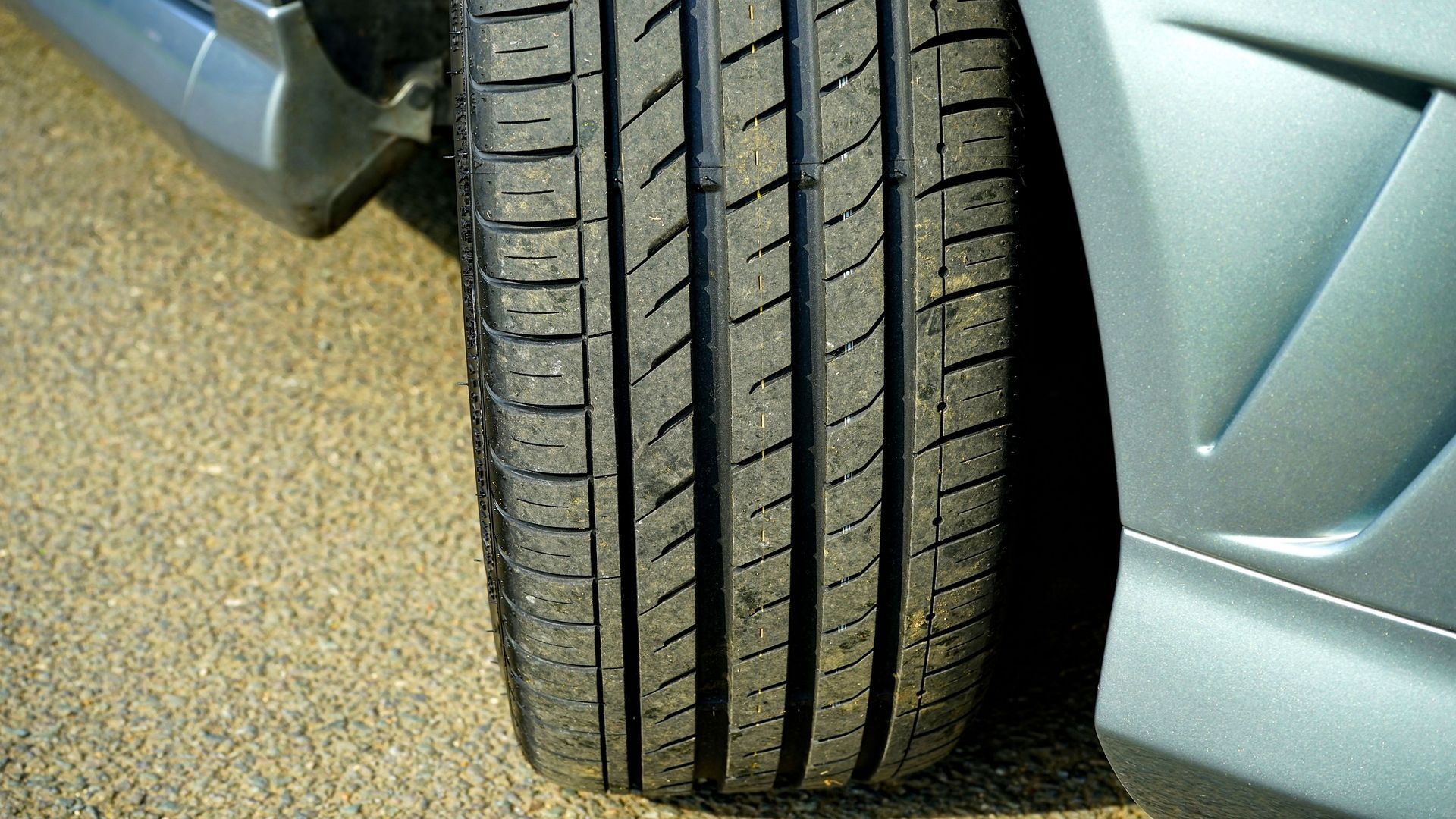
La banda de rodadura de los neumáticos recibe mucha atención, pero la profundidad de la banda de rodadura no es el único factor que importa.
Los neumáticos también envejecen.
Incluso cuando un neumático todavía tiene una banda de rodadura visible, los compuestos de caucho pueden cambiar gradualmente con el tiempo debido al calor, la luz solar, la exposición a las condiciones climáticas y el uso normal. Por eso, saber cómo leer el código de fecha DOT puede ayudar a los conductores a comprender qué tan antiguo es realmente un neumático.
El código de fecha no le dice todo sobre el estado del neumático, pero proporciona una parte importante de la información general.
Dónde encontrar el código DOT
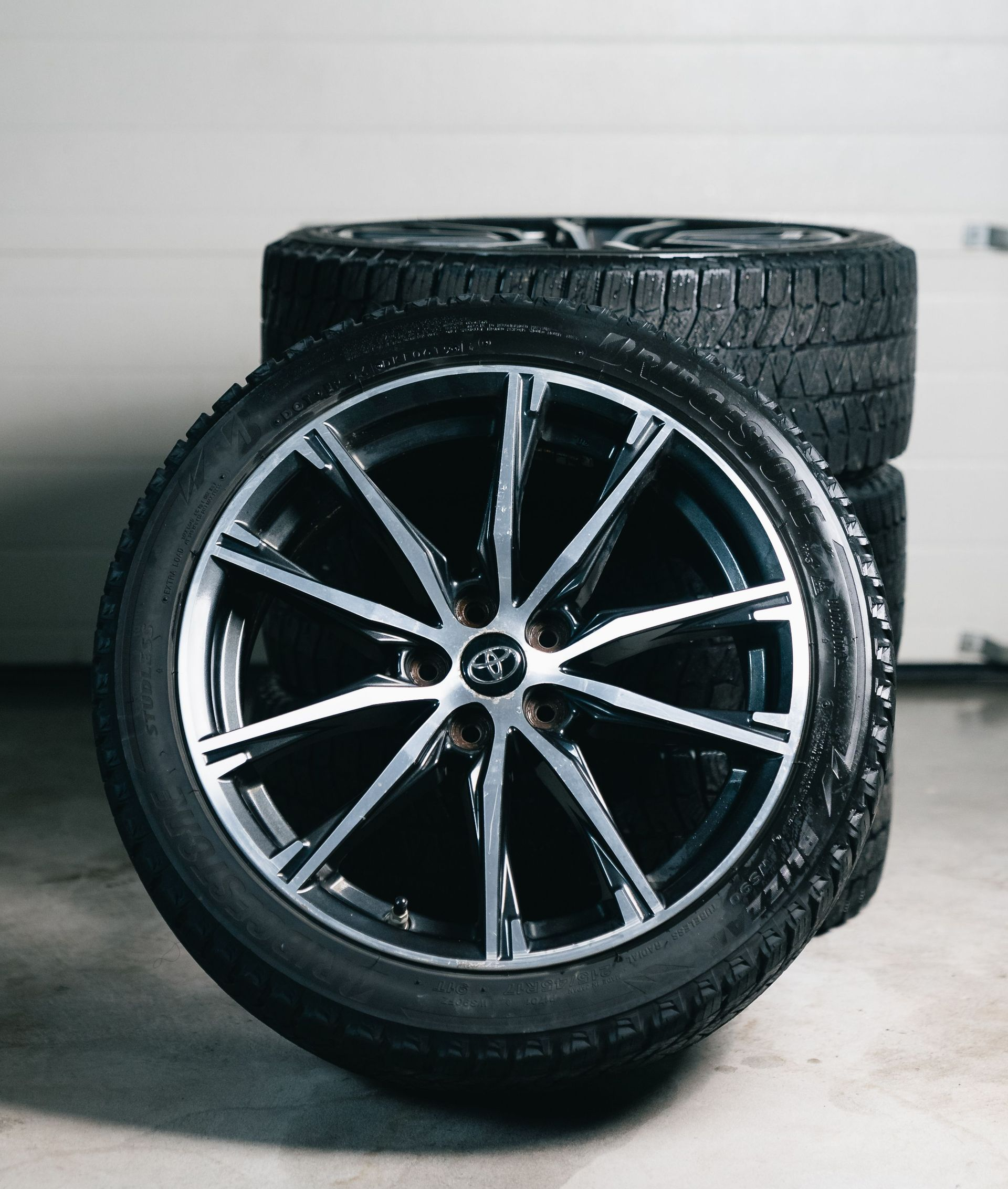
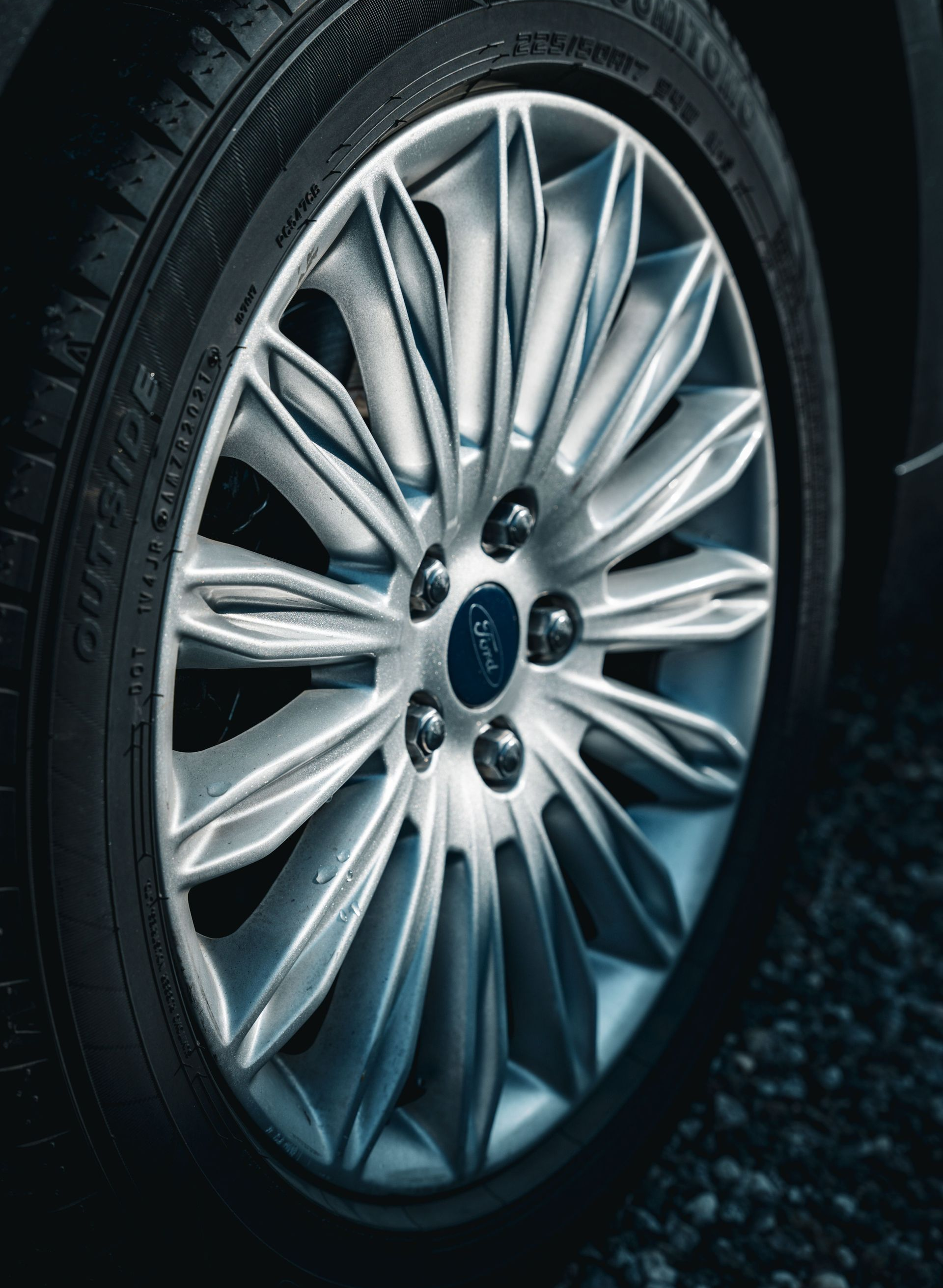
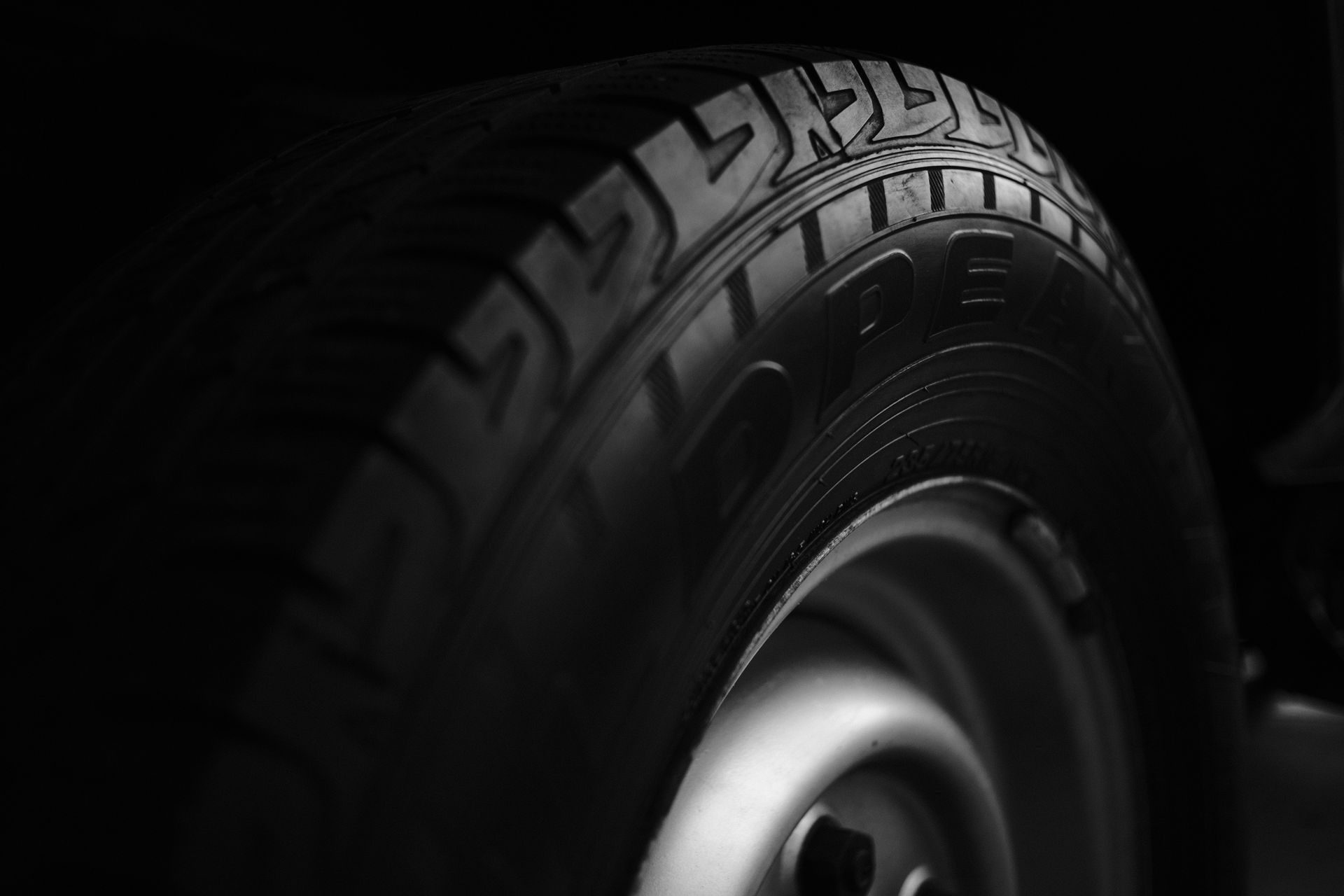
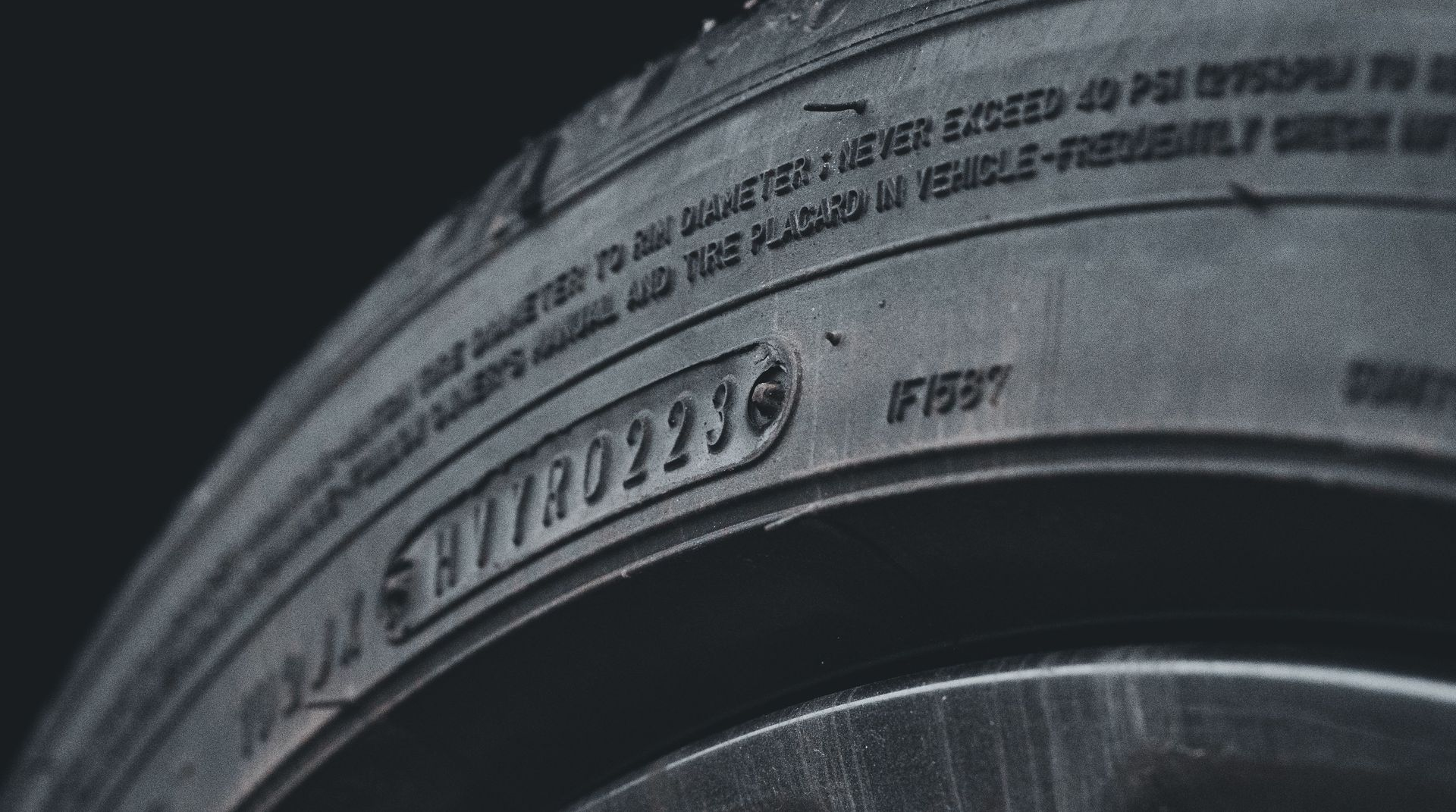
El código DOT está moldeado en el costado del neumático.
Por lo general, comienza con las letras “DOT”, seguidas de una serie de letras y números que identifican información relacionada con la fabricación del neumático.
La parte que más interesa a los conductores son los últimos cuatro dígitos, que corresponden al código de fecha.
En algunos neumáticos, el código DOT completo aparece solamente en un costado, por lo que puede ser necesario revisar la parte interior del neumático para encontrarlo.
Qué significan los cuatro dígitos
Los últimos cuatro dígitos indican la semana y el año en que se fabricó el neumático.
Por ejemplo, un código que termina en 2324 significa que el neumático fue fabricado durante la semana 23 de 2024. Un código que termina en 4122 indicaría la semana 41 de 2022.
Esto facilita estimar la antigüedad del neumático sin depender de un recibo de compra o de un registro de servicio.
Esto puede ser especialmente útil al comprar un vehículo usado o al inspeccionar un neumático de repuesto que ha permanecido almacenado durante años.
La antigüedad del neumático es diferente al desgaste de la banda de rodadura
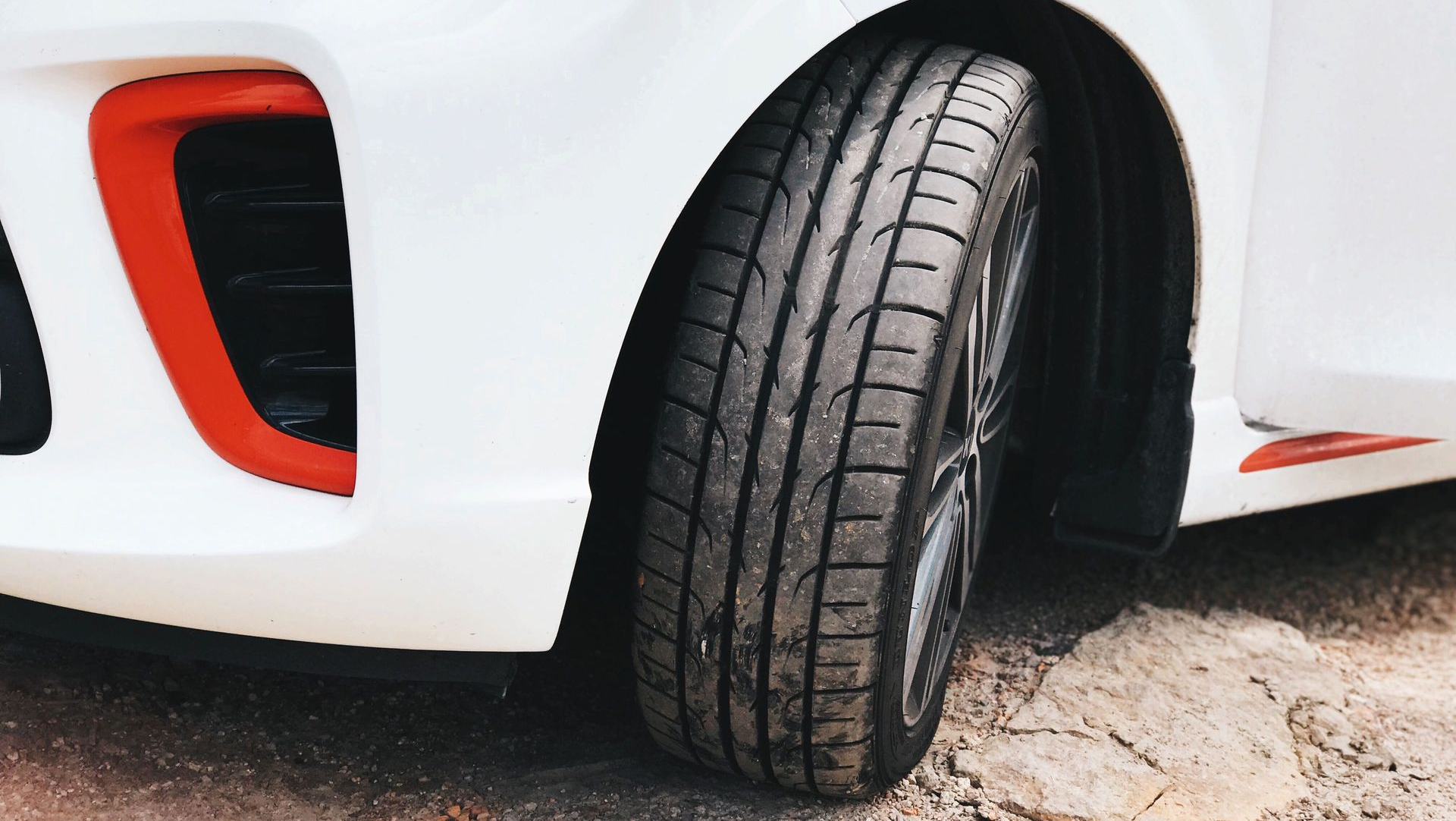
Un neumático puede tener mucha banda de rodadura y aun así ser antiguo. Esto es común en vehículos que se conducen solo ocasionalmente, vehículos de uso estacional, neumáticos de repuesto y automóviles cuyos propietarios realizan trayectos diarios cortos.
Un bajo kilometraje no evita que el caucho envejezca. Con el tiempo, el neumático puede endurecerse o comenzar a desarrollar pequeñas grietas.
Por eso, la antigüedad del neumático debe considerarse junto con la profundidad de la banda de rodadura, la presión, los daños visibles y el estado general.

El clima puede afectar la forma en que envejecen los neumáticos
El calor puede acelerar el envejecimiento de los neumáticos. Los vehículos que pasan mucho tiempo al aire libre en condiciones de calor pueden tener neumáticos que envejecen de manera diferente a los de vehículos almacenados bajo techo o utilizados en ambientes más fríos.
La luz solar y la exposición al ozono también pueden contribuir a la aparición de grietas y al deterioro. Las condiciones de conducción también importan.
Un neumático que ha estado repetidamente con una presión inferior a la recomendada, ha soportado una carga excesiva o ha recibido impactos contra baches puede presentar más desgaste o tensión interna de lo que su antigüedad por sí sola podría indicar.

Inspeccione si hay grietas y otros cambios
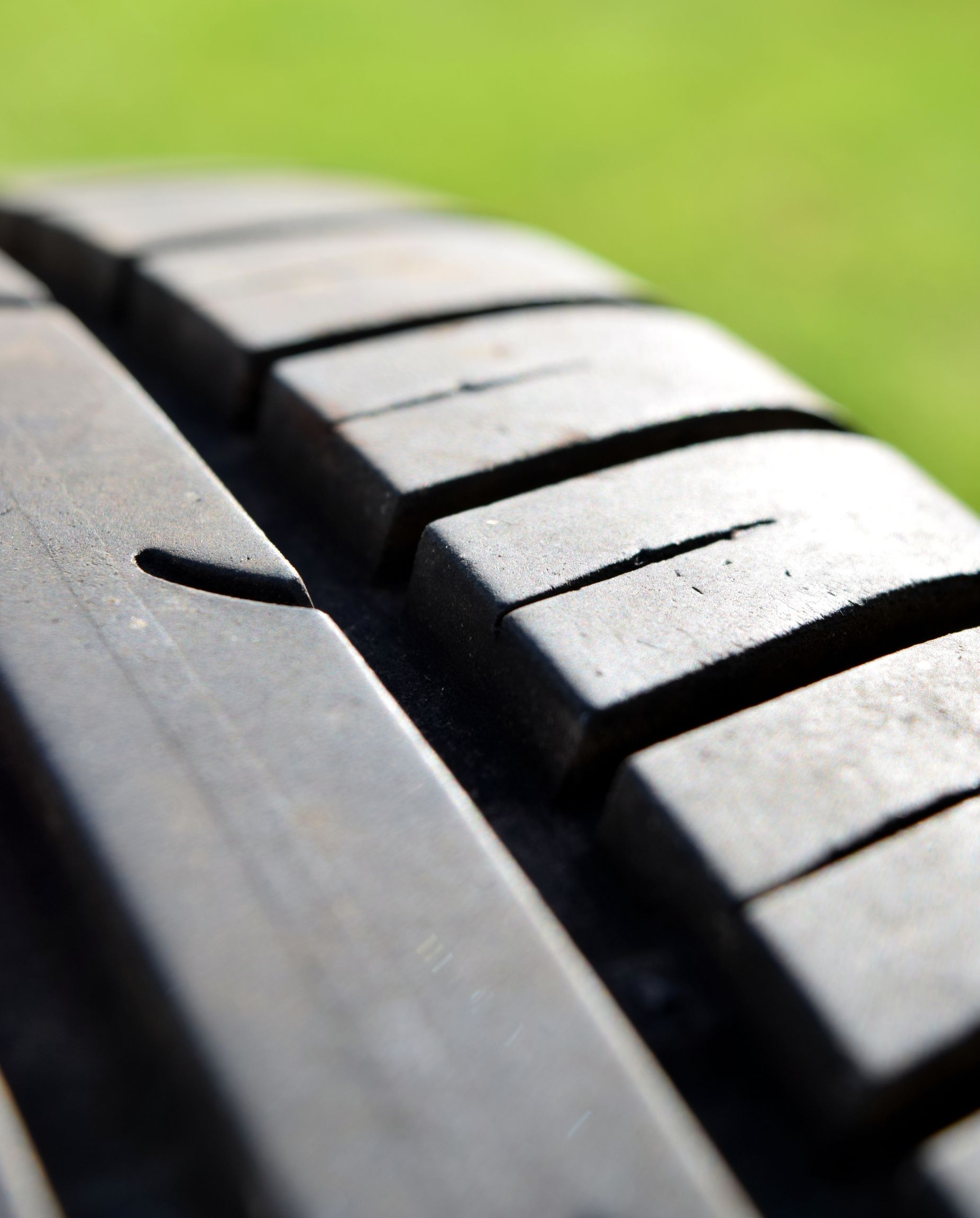
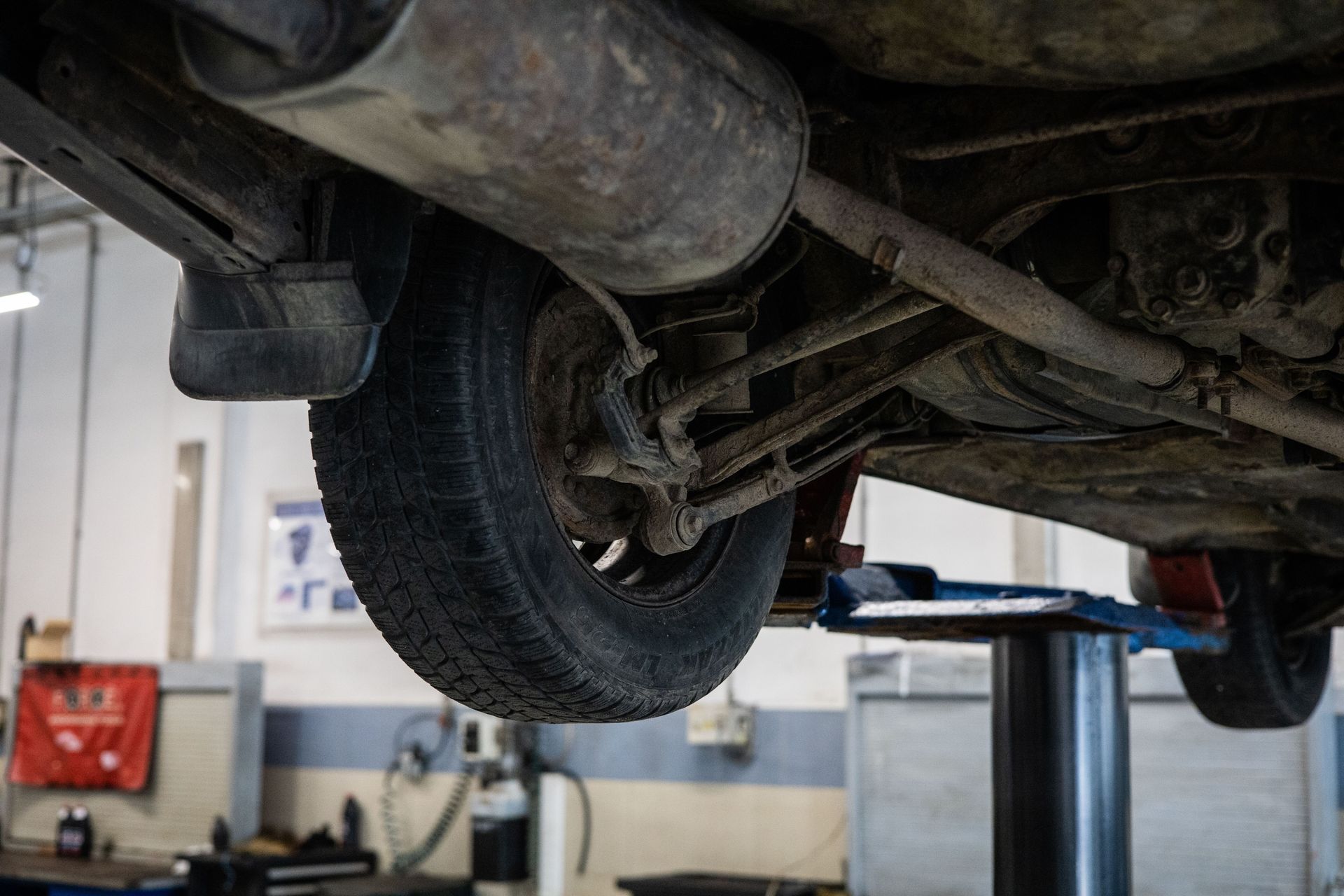
A medida que los neumáticos envejecen, los conductores deben prestar más atención a los costados y a la zona de la banda de rodadura.
Las señales de advertencia pueden incluir:
- Grietas en el costado
- Grietas entre los bloques de la banda de rodadura
- Abultamientos o protuberancias
- Desgaste irregular de la banda de rodadura
- Pérdida repetida de presión
- Vibraciones inusuales
- Cambios en la calidad de la conducción
Estos síntomas deben ser inspeccionados independientemente de la antigüedad del neumático. Un código DOT ayuda a establecer cuándo se fabricó el neumático, pero por sí solo no puede determinar si el neumático es seguro.
No olvide el neumático de repuesto
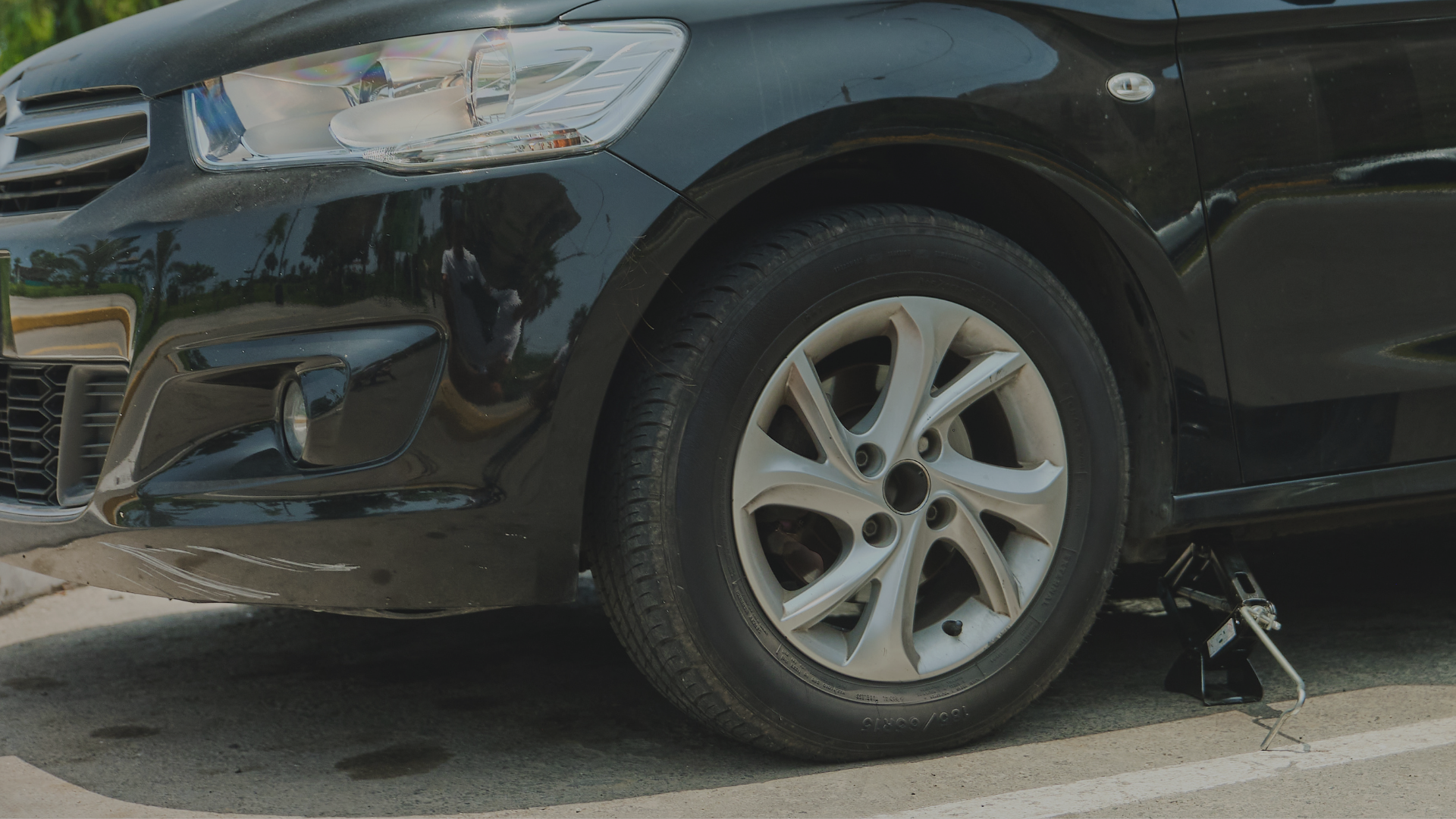
Los neumáticos de repuesto son fáciles de pasar por alto porque es posible que rara vez, o incluso nunca, entren en contacto con la carretera. Pero también envejecen.
Un neumático de repuesto que ha estado almacenado en el maletero o debajo del vehículo durante muchos años puede tener poco o ningún desgaste en la banda de rodadura y, aun así, ser considerablemente más antiguo que los neumáticos que actualmente están instalados en el automóvil.
Comprobar el código de fecha DOT y la presión del neumático de repuesto puede ayudar a evitar una sorpresa desagradable durante una emergencia en la carretera.

La antigüedad debe formar parte de una inspección completa de los neumáticos
No hay sustituto para inspeccionar el neumático completo. Un neumático más nuevo aún puede estar dañado, y un neumático más antiguo no debe evaluarse únicamente por su antigüedad.
Los fabricantes de vehículos y neumáticos también pueden proporcionar recomendaciones sobre inspección y reemplazo según la antigüedad, por lo que los propietarios deben consultar las indicaciones específicas para su vehículo y la marca de sus neumáticos.
Cuando exista alguna duda, una inspección profesional es la opción más segura.
Conozca más que la profundidad de la banda de rodadura
El código de fecha DOT es una herramienta sencilla que puede indicar cuándo se fabricó un neumático y ayudar a poner su estado en contexto.
Raymond’s Tire Shop ofrece inspecciones de neumáticos, reemplazos, balanceo, alineación, reparación de neumáticos pinchados, servicios para ruedas y otros servicios relacionados con los neumáticos.
Si no está seguro de qué antigüedad tienen sus neumáticos o de si todavía deben seguir en servicio, comuníquese con Raymond’s Tire Shop. Una inspección completa puede ayudar a evaluar la antigüedad de los neumáticos, el estado de la banda de rodadura, el estado de los costados, la presión y el desgaste antes de que pequeños problemas se conviertan en problemas mayores en la carretera.