Por que escolher a loja de pneus certa é importante

Escolha bem, dirija seguro

Quando chega a hora de substituir ou fazer a manutenção dos seus pneus, a loja que você escolhe faz toda a diferença. Os pneus são um dos itens de segurança mais importantes do seu veículo, afetando diretamente a dirigibilidade, a frenagem e a eficiência de combustível. Embora muitos lugares anunciem promoções ou serviços rápidos, nem todas as lojas oferecem o mesmo nível de experiência, qualidade de produtos ou atendimento ao cliente. Na Raymond’s Tire Shop, acreditamos que escolher a loja certa é tão importante quanto escolher os pneus certos.


Experiência e conhecimento

Os pneus existem em diversos tipos, tamanhos e níveis de desempenho, e selecionar o conjunto correto exige mais do que apenas conhecer as medidas listadas no manual do proprietário. Profissionais experientes entendem as necessidades de diferentes veículos, condições de condução e orçamentos. Uma loja de confiança pode explicar as diferenças entre pneus de uso geral, de alta performance e de inverno, e recomendar a melhor opção para as suas necessidades específicas.


Na Raymond’s Tire Shop, nossa equipe traz anos de conhecimento para cada consulta. Nós dedicamos tempo para entender como você dirige e o que espera dos seus pneus, garantindo que você saia com um conjunto que ofereça segurança e valor.
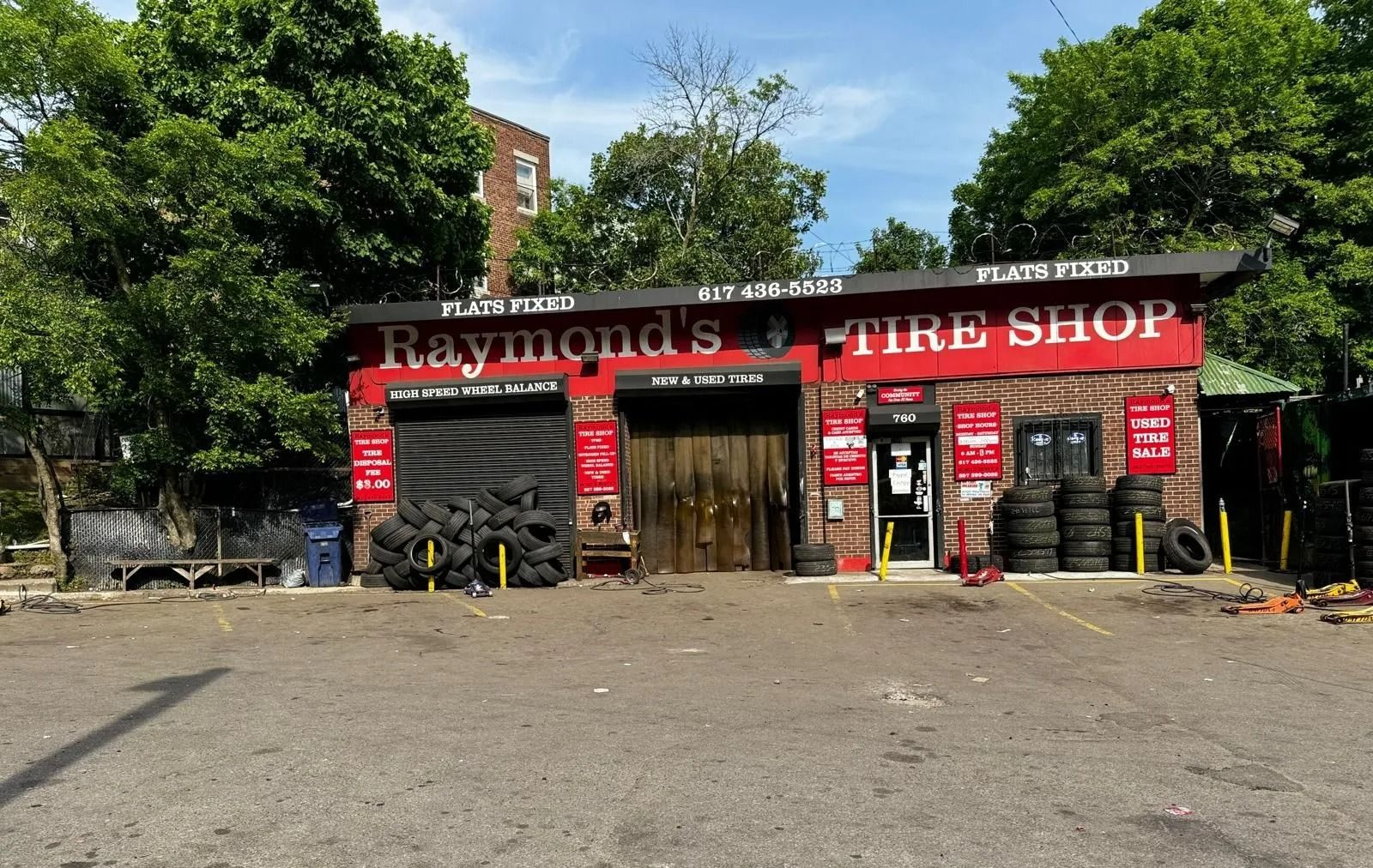
Raymond's Tire Shop storefront with tires displayed, brick facade, red sign, open garage, parked tires.

Qualidade dos produtos

Nem todos os pneus são iguais. Opções baratas podem parecer atraentes no início, mas geralmente se desgastam rapidamente e não têm bom desempenho em condições desafiadoras. Pneus de alta qualidade oferecem melhor tração, maior durabilidade e mais confiabilidade geral.


A loja certa trabalha com fabricantes de confiança e oferece produtos que atendem a rigorosos padrões de qualidade. Na Raymond’s Tire Shop, só trabalhamos com pneus de marcas reconhecidas pela performance e durabilidade. Esse compromisso garante que cada pneu instalado foi projetado para manter você seguro na estrada.
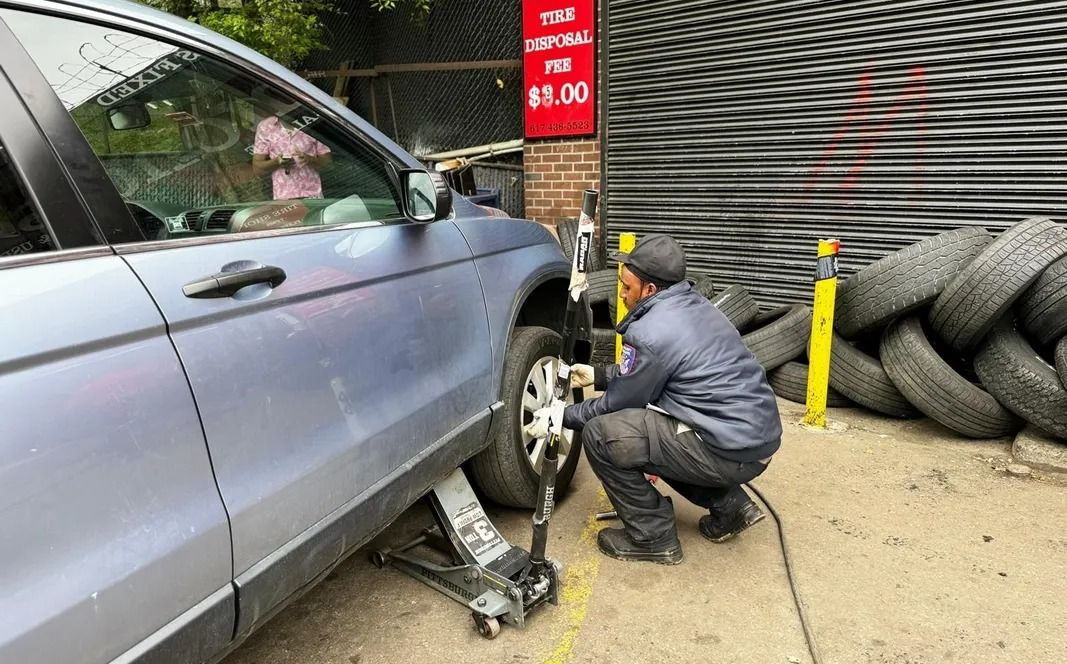
A mechanic changing a tire on a silver car outside a garage.

Instalação e serviço adequados

Mesmo os melhores pneus não terão bom desempenho se não forem instalados corretamente. Montagem, balanceamento e alinhamento adequados são fundamentais para maximizar a vida útil dos pneus e manter a segurança do veículo. Lojas que apressam o processo ou não possuem o equipamento correto podem deixar você com vibrações, desgaste irregular ou menor controle do carro.


Ao escolher uma loja profissional, você garante que seus pneus sejam instalados com precisão. Nossos técnicos utilizam equipamentos avançados para garantir balanceamento e alinhamento exatos, dando a confiança de que seus pneus estão no melhor desempenho desde o momento em que você sai da loja.
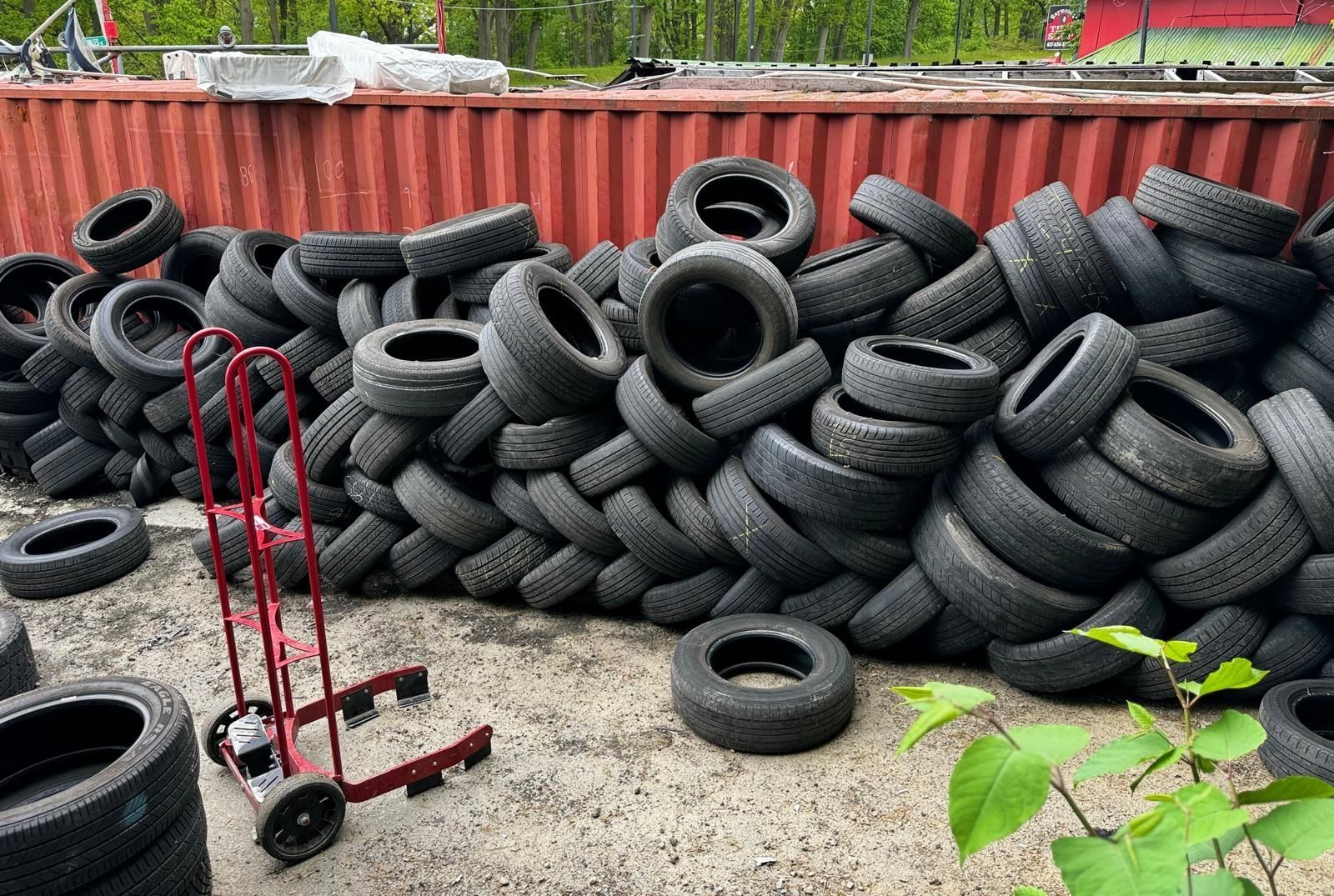
Pile of black tires next to a red hand truck; outdoors by a red container and green trees.

Manutenção e suporte contínuos

O cuidado com os pneus não termina após a instalação. Rodízios regulares, verificações de pressão e inspeções são necessários para aproveitar ao máximo seu investimento. Uma loja de pneus de confiança oferece suporte contínuo e ajuda você a manter os pneus por mais tempo.


Na Raymond’s Tire Shop, nos vemos como mais do que apenas um ponto de venda. Somos o seu parceiro de longo prazo em segurança e desempenho dos pneus. Nossa equipe está disponível para serviços de manutenção que prolongam a vida útil dos pneus e mantêm seu veículo em perfeito funcionamento.
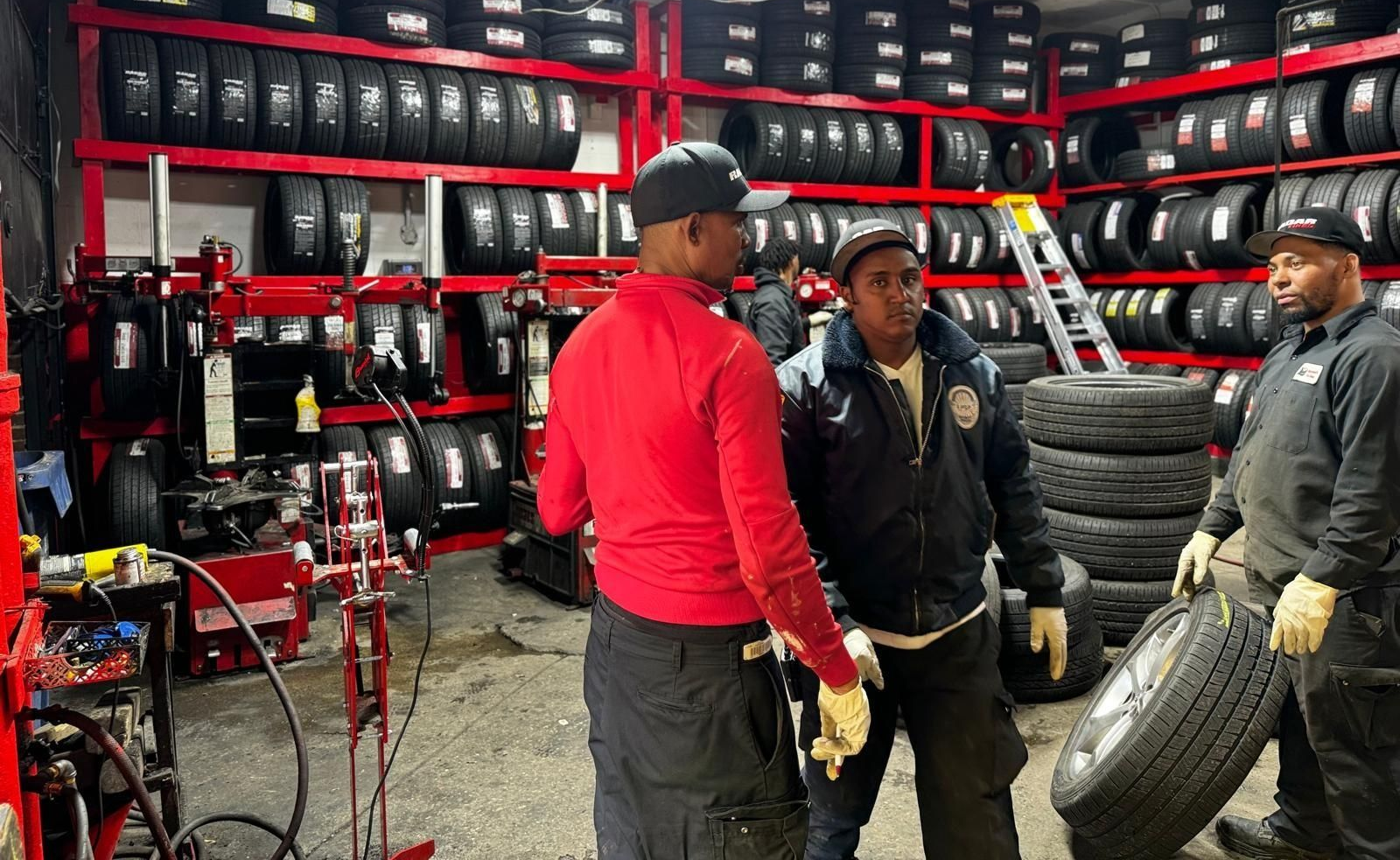
Three men in a tire shop. One holds a tire, others converse near equipment and shelves of tires.

Atendimento ao cliente e confiança

Talvez o fator mais importante na escolha de uma loja de pneus seja o nível de atendimento ao cliente. Uma loja de confiança oferecerá conselhos honestos, preços transparentes e explicações claras das opções disponíveis. Os clientes devem sentir-se seguros de que seus interesses estão sendo priorizados.


A Raymond’s Tire Shop construiu sua reputação na honestidade e confiabilidade. Acreditamos em tratar cada cliente com respeito e em garantir que cada compra de pneus seja acompanhada das informações e do suporte necessários para tomar a decisão certa.
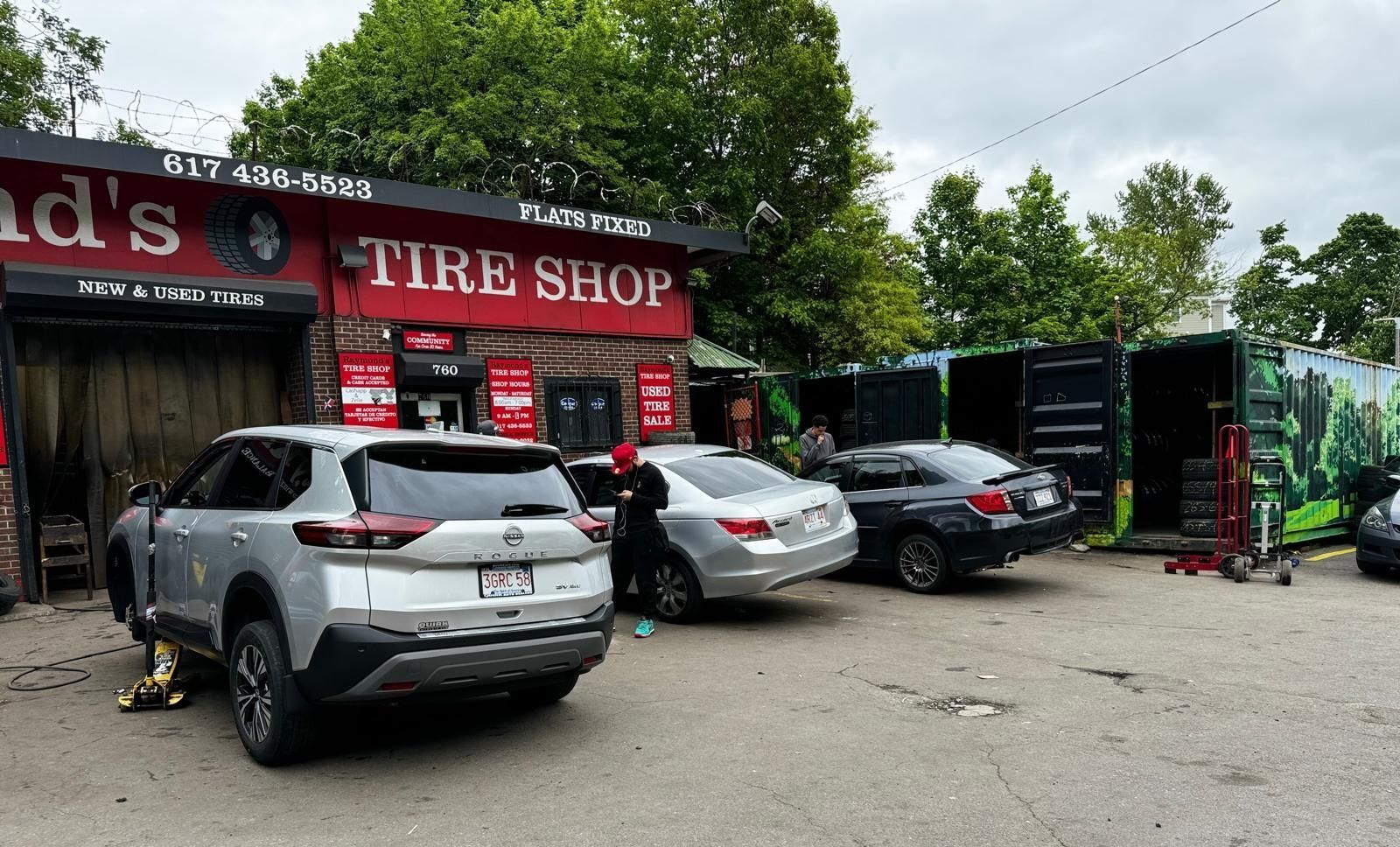
A tire shop with cars being serviced; silver SUV on jack, other cars parked outside.

Considerações finais

Os pneus são um dos investimentos mais importantes que você faz em seu veículo, e a loja que você escolhe determina a qualidade, a segurança e o valor desse investimento. A loja certa oferece experiência, produtos confiáveis, instalação profissional e suporte contínuo.


Na Raymond’s Tire Shop, reunimos todos esses elementos para oferecer um serviço em que você pode confiar. Se você precisa de pneus novos ou de cuidados especializados, visite-nos hoje e sinta a diferença de trabalhar com uma equipe comprometida com sua segurança e satisfação.
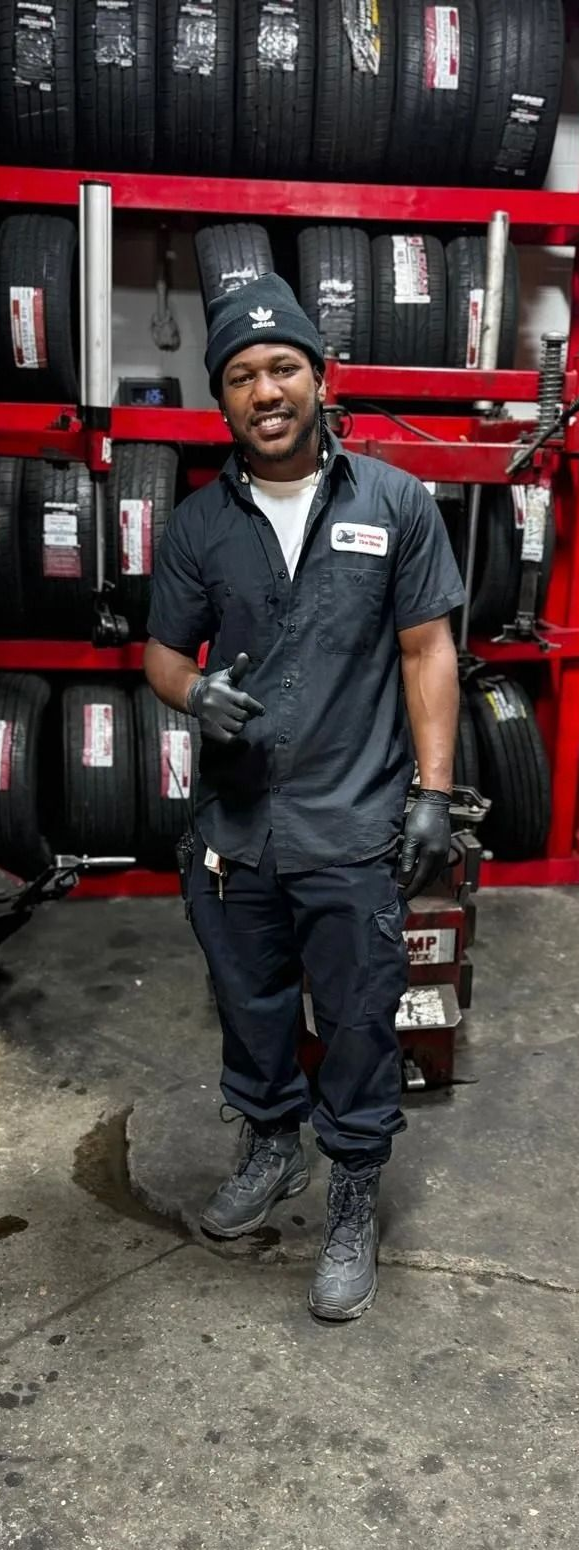
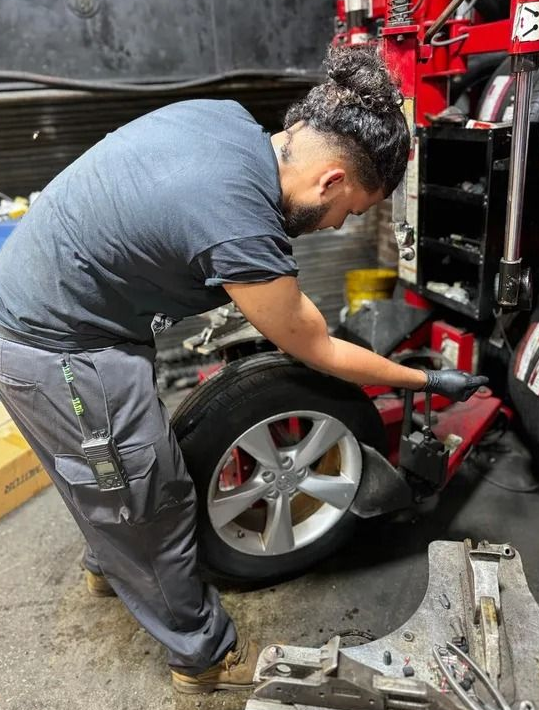
Man in a mechanic uniform smiles in a tire shop; tires on shelves in the background.
Mechanic changing a tire using a machine in a garage. The person is wearing gray pants and a blue shirt.
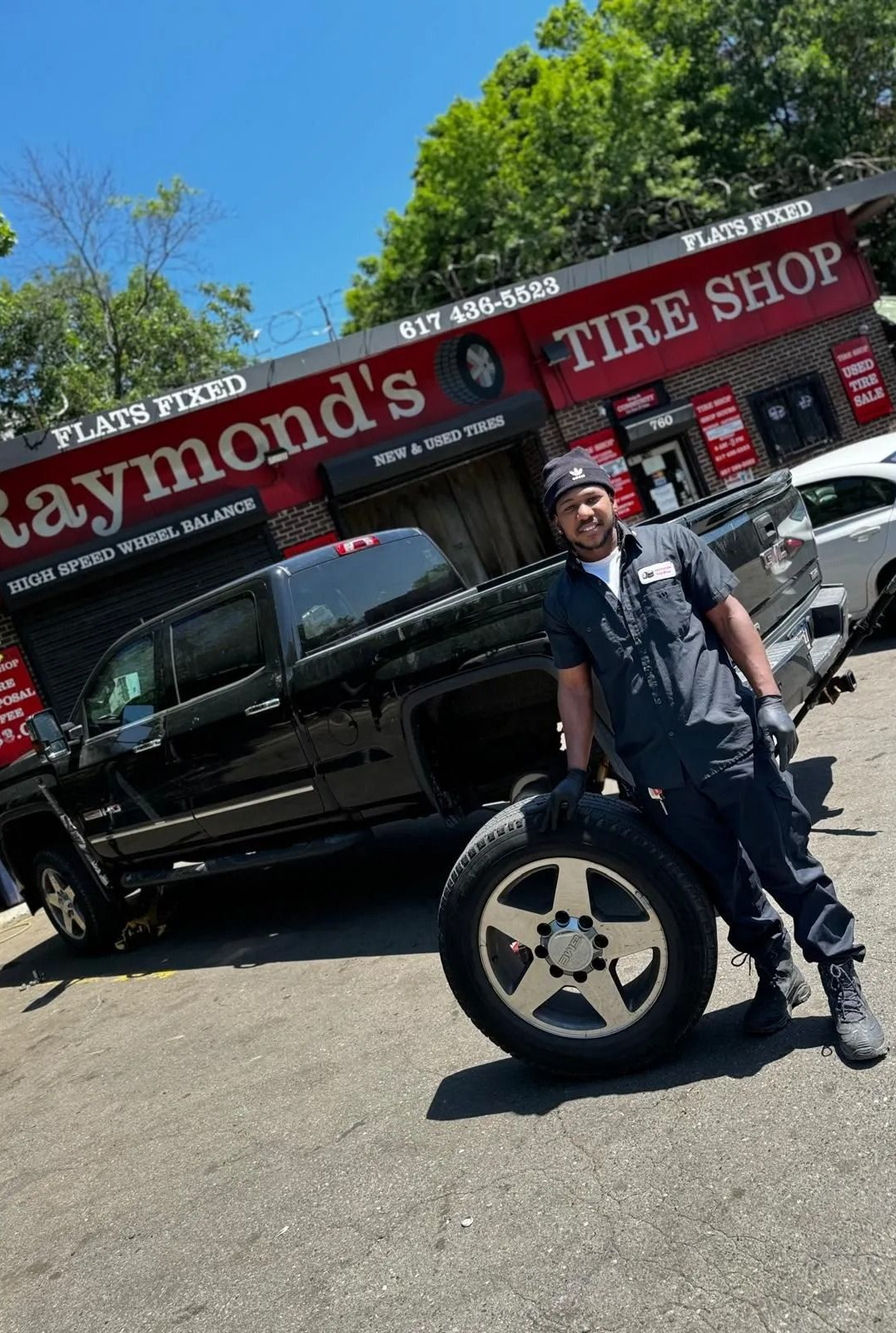
Mechanic poses with a tire in front of Raymond's Tire Shop with a black pickup truck.
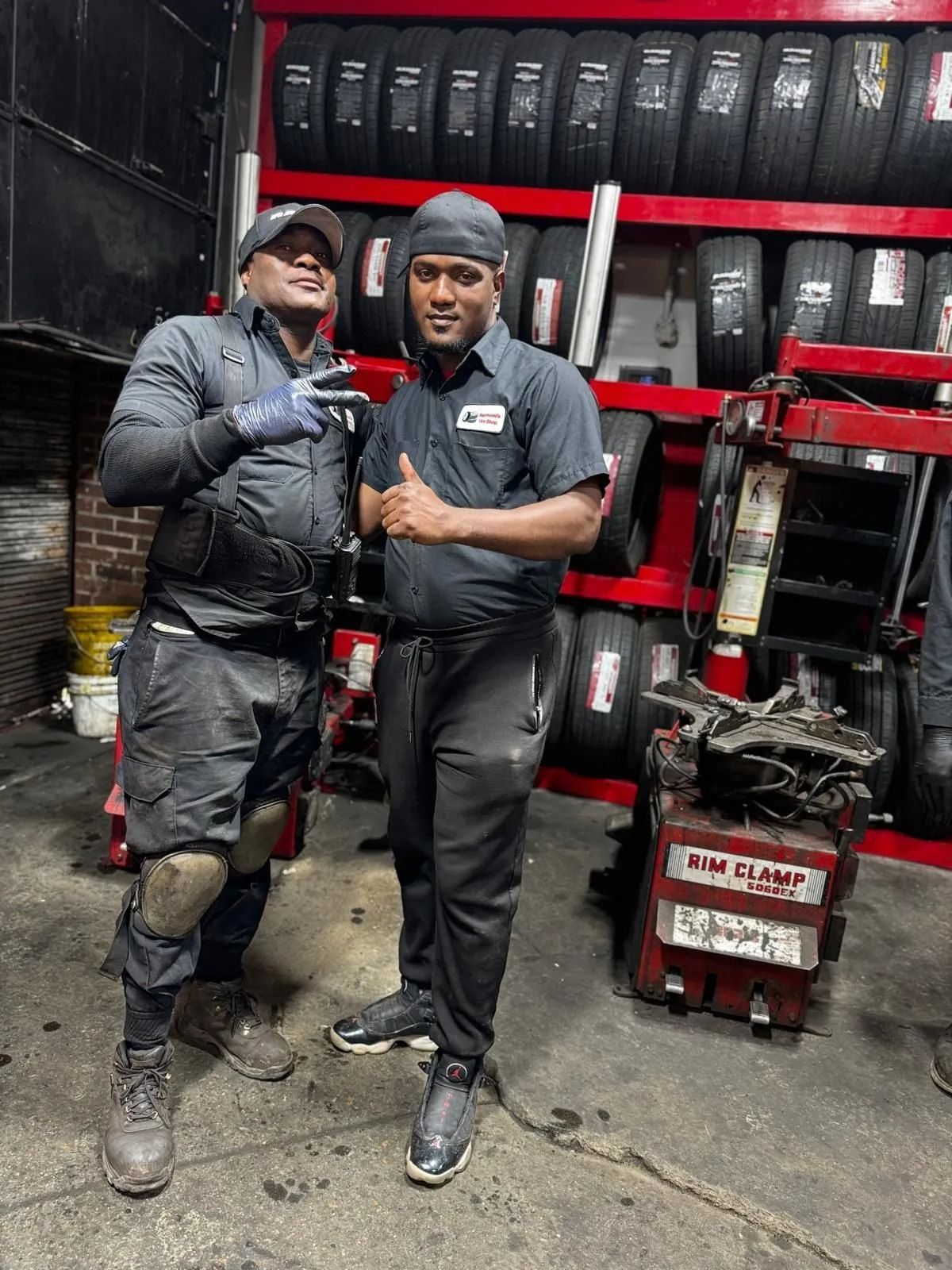
Two auto mechanics, one with a peace sign, in a tire shop. Tires line the wall.
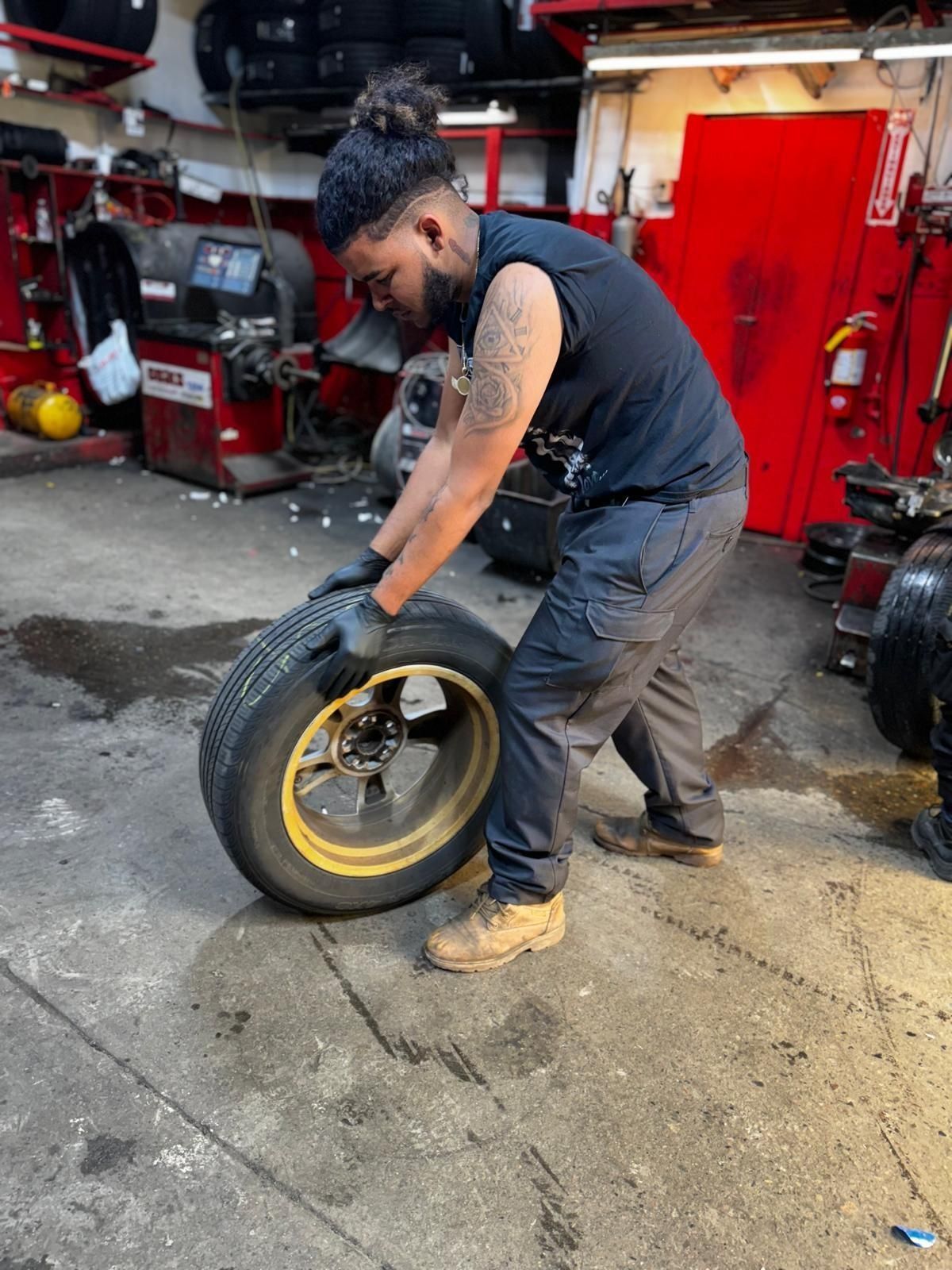
Mechanic in a garage holding a tire. He's wearing black gloves, a black shirt, and gray pants.
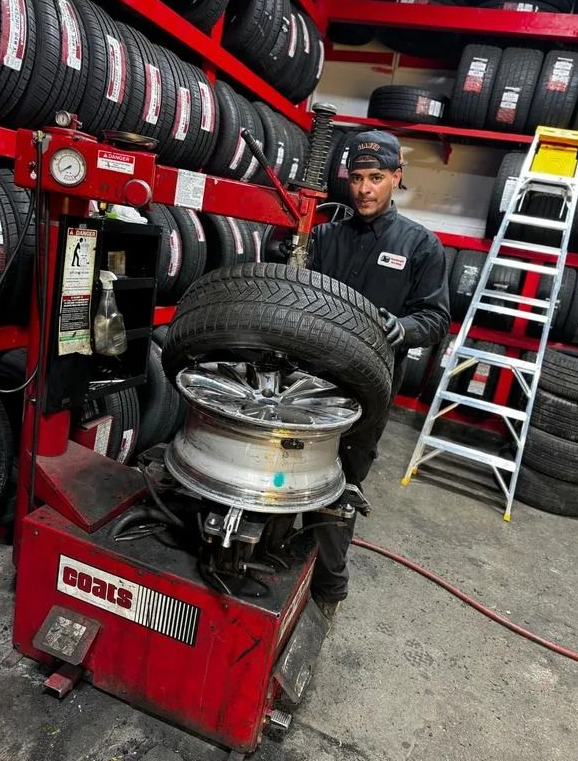
Man changing a tire in a shop, using a tire machine, surrounded by tire racks and a ladder.
September 23, 2026
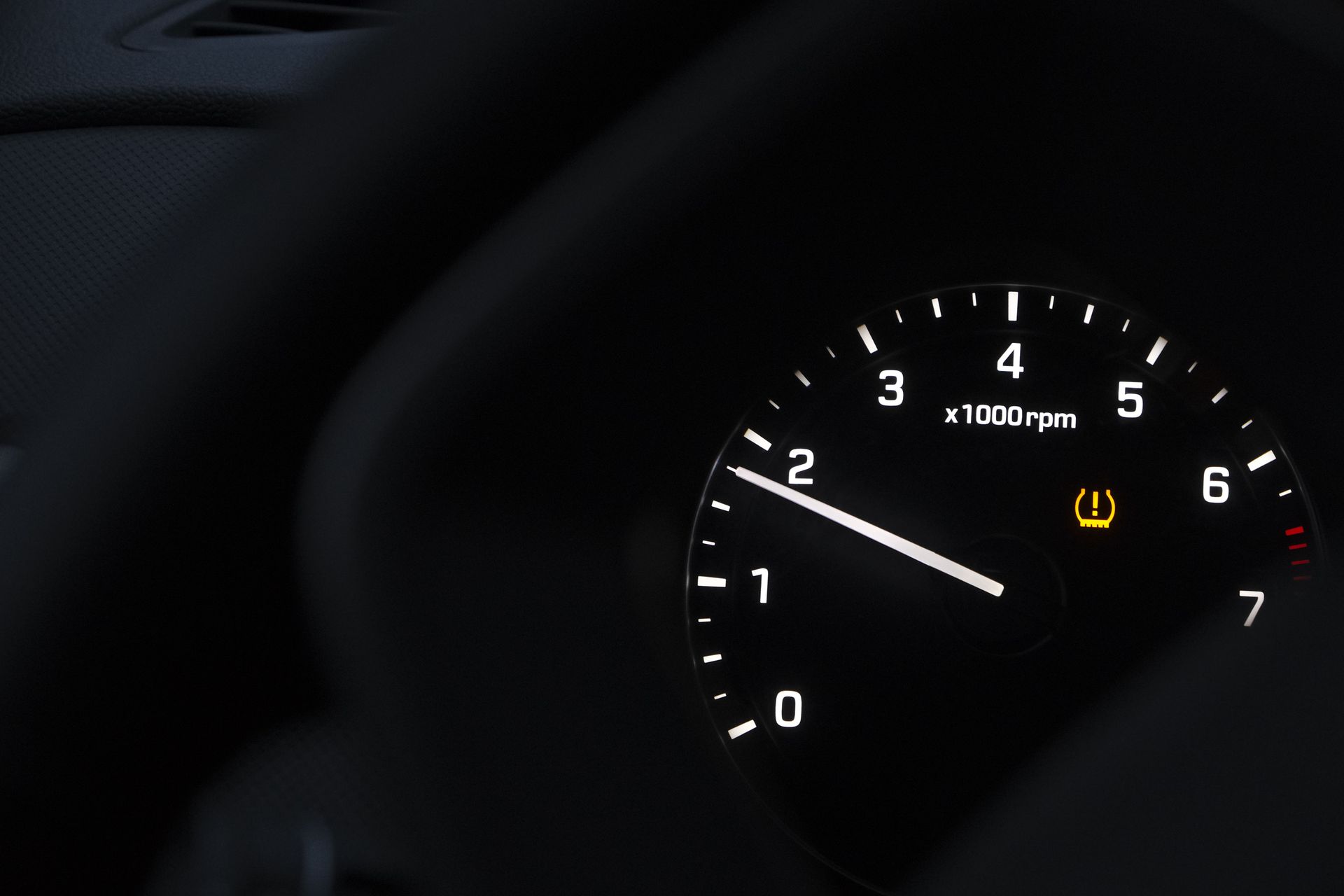
Most drivers are familiar with the tire pressure monitoring system , or TPMS, warning light. When it stays on steadily, it usually means one or more tires may be underinflated. A flashing TPMS light often means something different. Instead of simply warning about low tire pressure, a flashing light can indicate a problem with the monitoring system itself. That could involve a sensor, sensor battery, communication issue, or another TPMS-related fault.  Knowing the difference can help drivers avoid assuming that adding air will automatically solve the problem.
September 22, 2026
Tread depth is one of the first things drivers look at when deciding whether a tire still has life left. Deep grooves can make a tire appear healthy, especially if the vehicle is not driven very often. But tread is only part of the picture. Tires age even when they are not being used heavily. Over time, rubber compounds can harden, dry out, and become less flexible. That means an older tire may still have plenty of tread while no longer performing the way it did when it was newer. Rubber Changes With Age Tires are constantly exposed to oxygen, heat, sunlight, moisture, and changing temperatures. Those conditions gradually affect the rubber. As a tire ages, the material can lose some of its elasticity. That may reduce its ability to flex properly as it rolls and responds to the road. A tire that looks acceptable at a quick glance may therefore be significantly older than its appearance suggests. This is especially important for vehicles that accumulate very few miles each year.
September 11, 2026
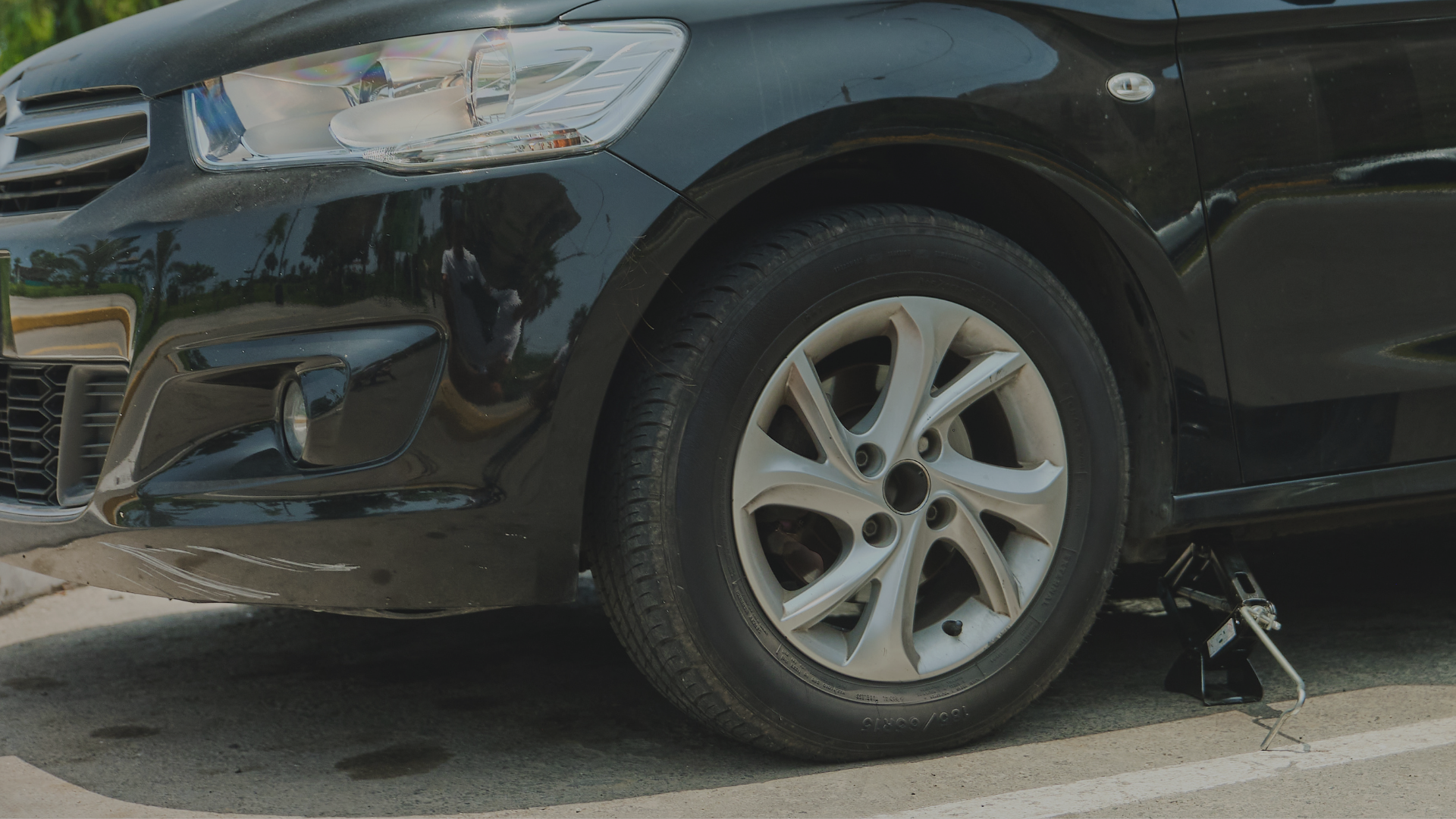
A flat tire does not always mean the tire has to be replaced. In many cases, a small puncture can be repaired safely and returned to service. The key is where the puncture occurred, how large it is, and whether the tire suffered additional damage while losing air. That is why a professional inspection matters. Two punctures that lo ok similar from the outside may require completely different solutions once the tire is removed and examined internally. Location Matters Most One of the first things a technician looks at is where the puncture is located. Damage in the central tread area is often the best candidate for repair. This part of the tire is designed to handle contact with the road and can sometimes be repaired when the puncture is small and otherwise straightforward. Punctures near the shoulder or sidewall are much more concerning.  These areas flex significantly while the tire is moving and cannot usually be repaired safely using standard puncture-repair methods. If a nail, screw, or other object damages the sidewall or outer shoulder, replacement is often the safer option.
September 6, 2026
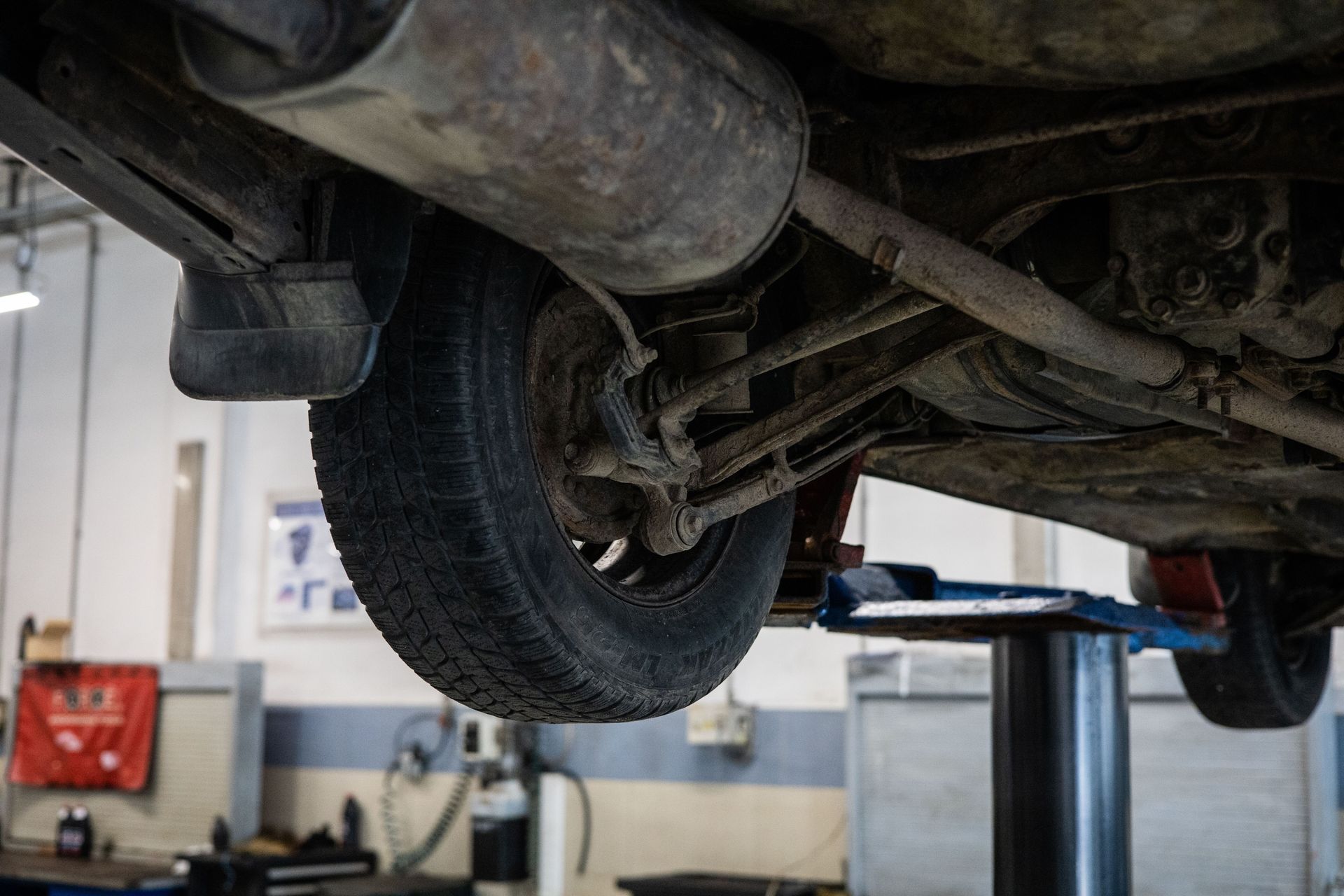
A wheel alignment can correct important steering and tire-angle settings, but the alignment itself depends on the suspension being in good mechanical condition. If ball joints, tie rods, control arm bushings, wheel bearings, or other components are worn, the wheels may not stay in the position the technician sets.  That is why some vehicles continue pulling , wearing tires unevenly, or developing an off-center steering wheel even after an alignment. In those cases, the problem may not be the alignment machine or the adjustment. It may be worn suspension or steering components underneath the vehicle.
August 28, 2026
When a tire repeatedly loses air but there is no obvious nail, screw, or visible puncture, the problem may be where the tire meets the wheel. This area is known as the tire bead, and a poor seal between the bead and the rim can allow air to escape gradually. Tire bead leaks are a common cause of slow pressure loss. Understanding why they happen can help drivers recognize when a tire needs professional inspection rather than repeatedly adding air. What Is the Tire Bead? The bead is the reinforced inner edge of the tire that sits tightly against the wheel rim. When a tire is properly mounted and inflated, air pressure helps hold the bead securely against the wheel, creating an airtight seal. If that sealing surface becomes damaged, dirty, corroded, or distorted, a small pathway can develop for air to escape.  Because these leaks may be very small, the tire can lose pressure over several days or weeks rather than going flat immediately.
August 23, 2026
A pothole impact can feel like a quick jolt, but the forces involved can affect several parts of the tire and wheel assembly. The faster the vehicle is moving, the less time the tire has to absorb the impact. In some cases, the damage is immediately obvious. In others, problems may not become noticeable until later. Raymond’s Tire Shop helps drivers inspect tires, wheels, balancing, and alignment after hard road impacts. Understanding what can happen during a pothole strike can make it easier to recognize when a tire needs professional attention. The Tire Is Compressed Extremely Quickly When a tire drops into a pothole and strikes the far edge, the sidewall and tread can be compressed between the road and the wheel. Tires are designed to flex, but a severe impact can exceed what the internal structure can safely absorb.  The risk can be greater when tire pressure is too low because there is less air cushioning between the road surface and the wheel. However, even a properly inflated tire can be damaged by a deep pothole at sufficient speed.