Por qué elegir la tienda de neumáticos correcta es importante

Elige bien, conduce seguro

Cuando llega el momento de reemplazar o dar servicio a tus neumáticos, la tienda que elijas marca toda la diferencia. Los neumáticos son una de las características de seguridad más importantes de tu vehículo, ya que afectan directamente el manejo, el frenado y la eficiencia de combustible. Aunque muchos lugares anuncian ventas de neumáticos o servicios rápidos, no todas las tiendas ofrecen el mismo nivel de experiencia, calidad de productos o atención al cliente. En Raymond’s Tire Shop, creemos que elegir la tienda correcta es tan importante como elegir los neumáticos adecuados.


Experiencia y conocimiento

Los neumáticos vienen en muchos tipos, tamaños y niveles de rendimiento, y seleccionar el conjunto correcto requiere más que simplemente conocer las dimensiones del manual del propietario. Los profesionales experimentados entienden las exigencias de diferentes vehículos, condiciones de manejo y presupuestos. Una tienda de confianza puede explicar las diferencias entre neumáticos para todas las estaciones, de alto rendimiento y de invierno, y recomendar la mejor opción para tus necesidades específicas.


En Raymond’s Tire Shop, nuestro personal aporta años de conocimiento a cada consulta. Nos tomamos el tiempo para entender cómo conduces y qué esperas de tus neumáticos, asegurando que salgas con un juego que ofrezca seguridad y valor.
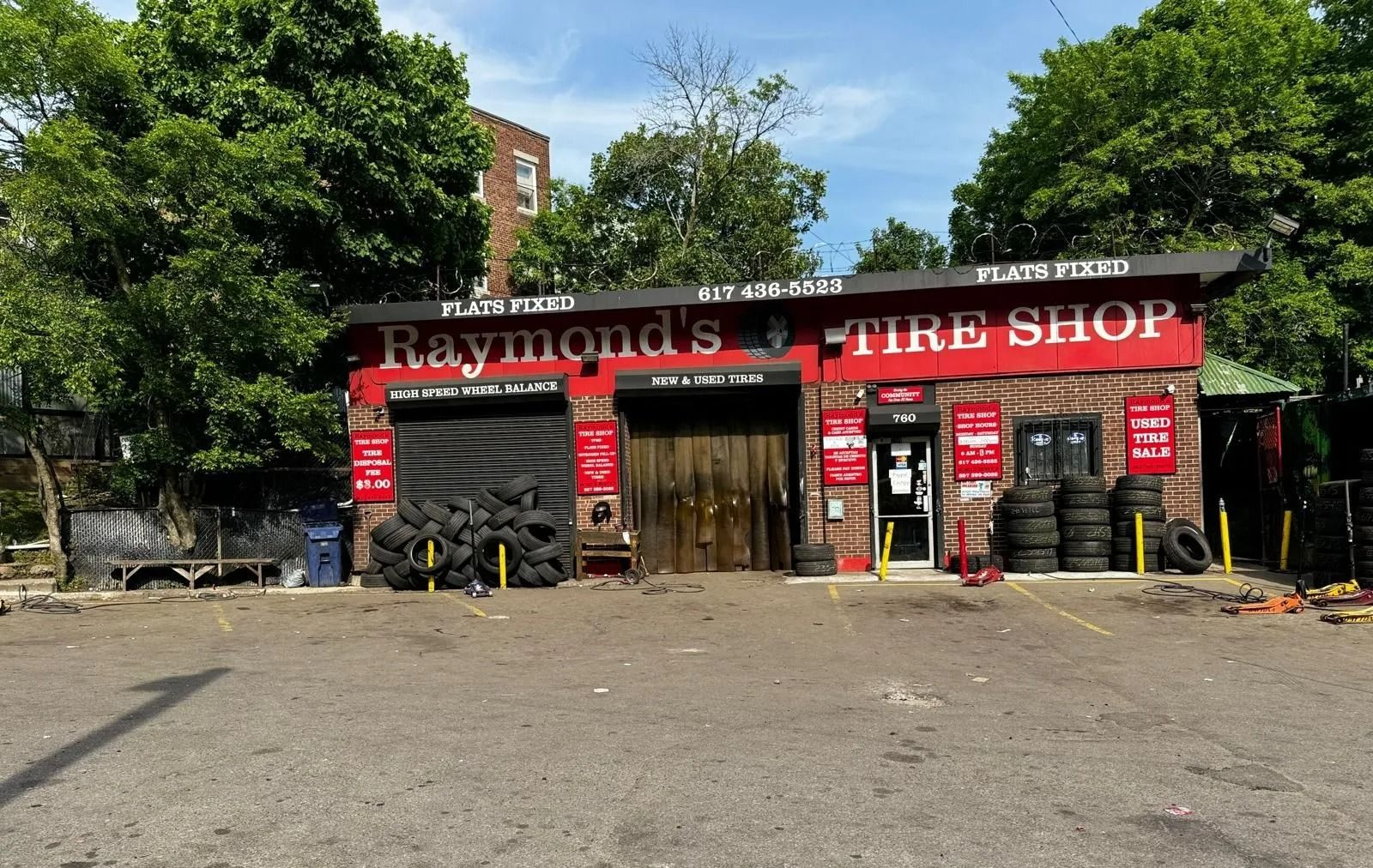
Raymond's Tire Shop storefront with tires displayed, brick facade, red sign, open garage, parked tires.

Calidad de los productos

No todos los neumáticos son iguales. Las opciones económicas pueden parecer atractivas al principio, pero a menudo se desgastan rápidamente y no rinden bien en condiciones difíciles. Los neumáticos de alta calidad proporcionan mejor tracción, mayor duración y mayor confiabilidad general.


La tienda correcta trabaja con fabricantes de confianza y ofrece productos que cumplen con estrictos estándares de calidad. En Raymond’s Tire Shop, solo tenemos neumáticos de marcas reconocidas por su rendimiento y durabilidad. Este compromiso garantiza que cada neumático instalado esté diseñado para mantenerte seguro en la carretera.
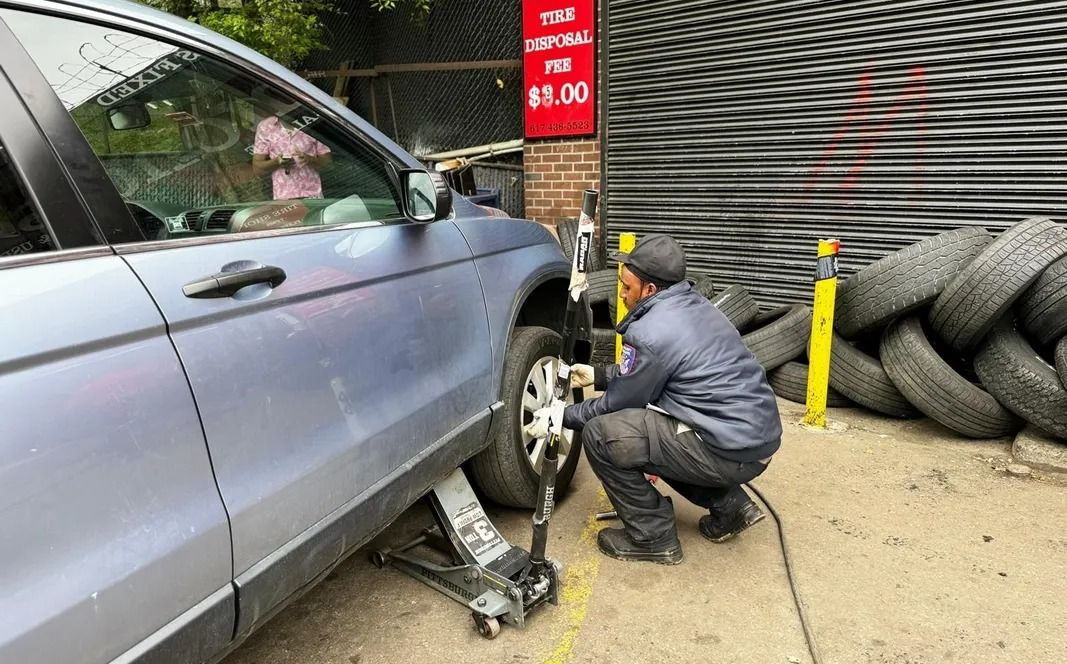
A mechanic changing a tire on a silver car outside a garage.

Instalación y servicio adecuados

Incluso los mejores neumáticos no funcionarán bien si no se instalan correctamente. El montaje, balanceo y alineación adecuados son esenciales para maximizar la vida útil de los neumáticos y mantener la seguridad del vehículo. Las tiendas que apresuran el proceso o carecen del equipo adecuado pueden dejarte con vibraciones, desgaste irregular o menor maniobrabilidad.


Al elegir una tienda profesional, te aseguras de que tus neumáticos se instalen con precisión. Nuestros técnicos utilizan equipos avanzados para garantizar un balanceo y alineación exactos, brindándote la confianza de que tus neumáticos están rindiendo al máximo desde el primer momento.
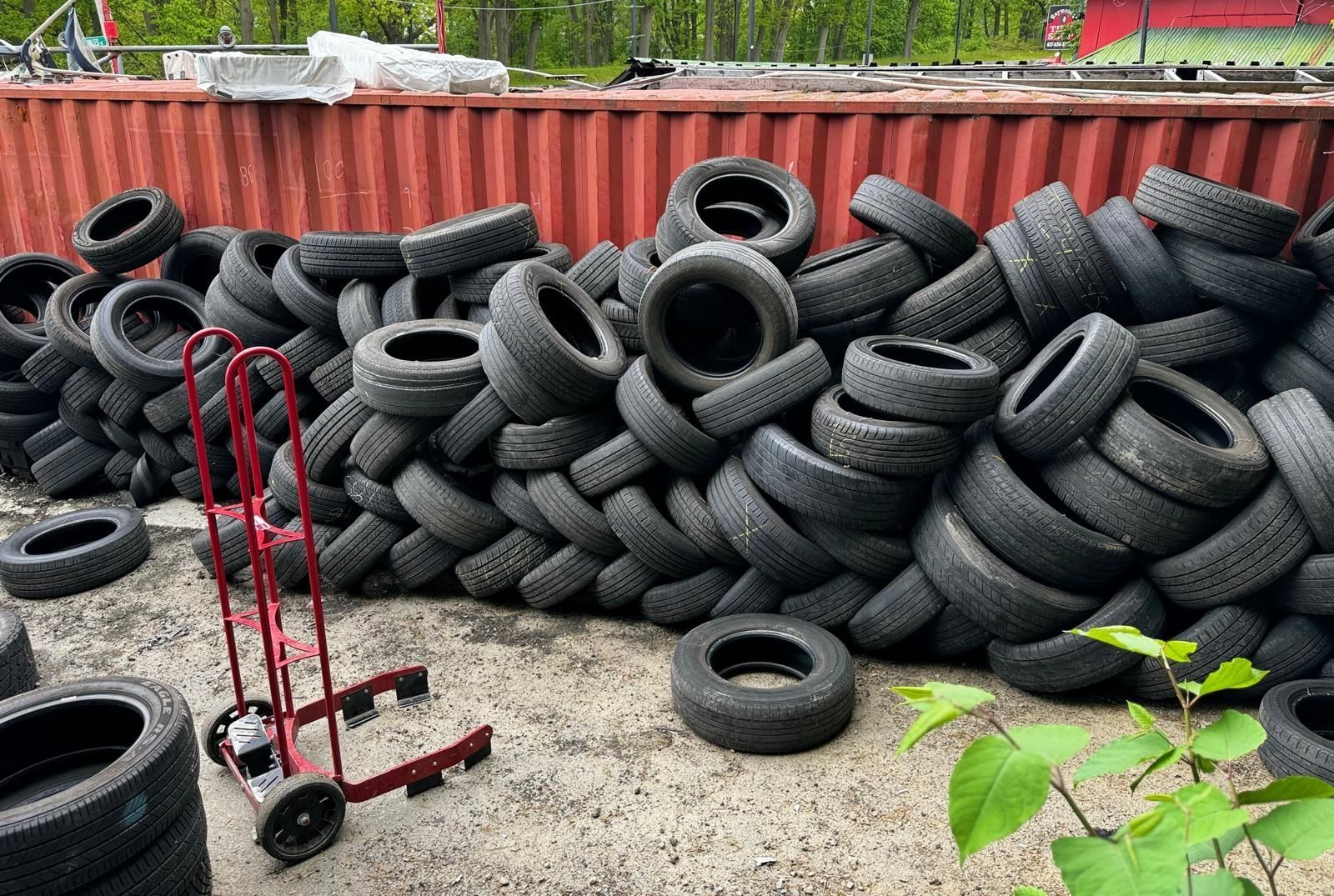
Pile of black tires next to a red hand truck; outdoors by a red container and green trees.

Mantenimiento y soporte continuo

El cuidado de los neumáticos no termina después de la instalación. Las rotaciones regulares, las revisiones de presión y las inspecciones son necesarias para aprovechar al máximo tu inversión. Una tienda de confianza ofrece soporte continuo y te ayuda a mantener tus neumáticos a largo plazo.


En Raymond’s Tire Shop, nos vemos como más que un simple punto de venta. Somos tu socio a largo plazo en seguridad y rendimiento de neumáticos. Nuestro equipo está disponible para servicios de mantenimiento que prolongan la vida de tus neumáticos y mantienen tu vehículo en buen estado.
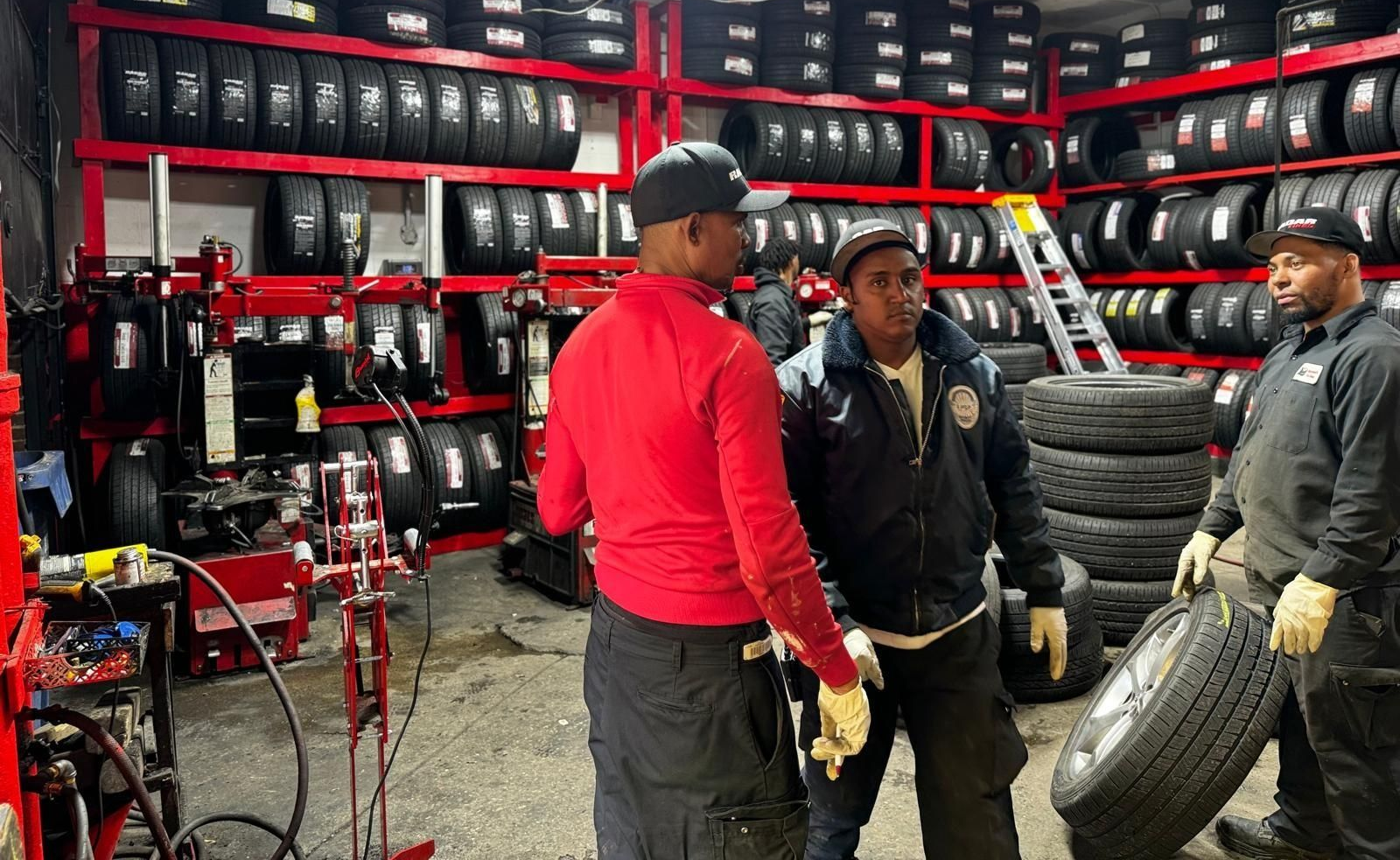
Three men in a tire shop. One holds a tire, others converse near equipment and shelves of tires.

Servicio al cliente y confianza

Quizás el factor más importante al elegir una tienda de neumáticos es el nivel de atención al cliente. Una tienda confiable brindará consejos honestos, precios transparentes y explicaciones claras de las opciones disponibles. Los clientes deben sentirse seguros de que sus intereses son la prioridad.


Raymond’s Tire Shop ha construido su reputación en la honestidad y la confiabilidad. Creemos en tratar a cada cliente con respeto y en garantizar que cada compra esté respaldada por la información y el servicio necesarios para tomar la decisión correcta.
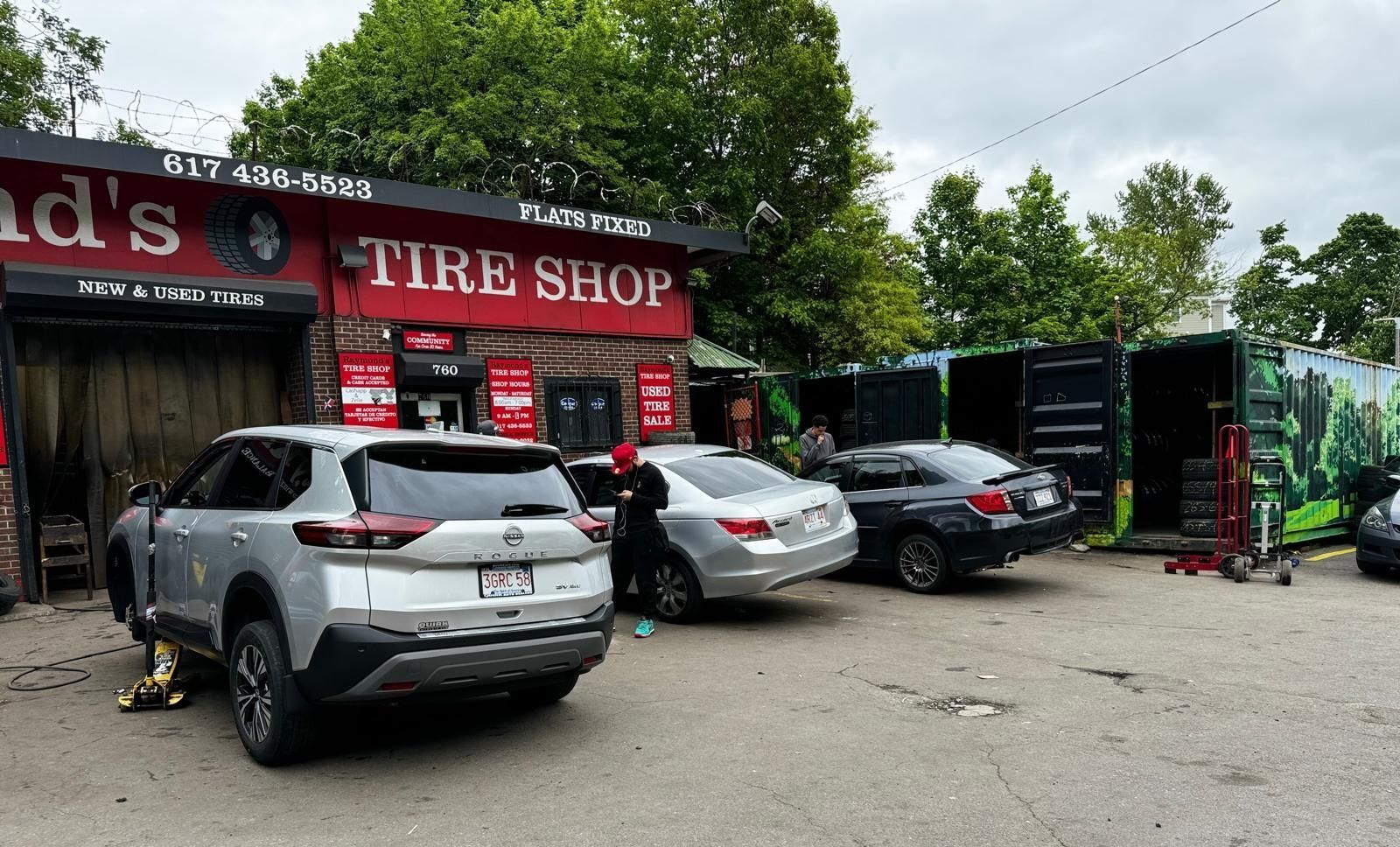
A tire shop with cars being serviced; silver SUV on jack, other cars parked outside.

Reflexión final

Los neumáticos son una de las inversiones más importantes en tu vehículo, y la tienda que elijas determina la calidad, seguridad y valor de esa inversión. La tienda correcta ofrece experiencia, productos confiables, instalación profesional y soporte continuo.


En Raymond’s Tire Shop, combinamos todos estos elementos para ofrecer un servicio en el que puedes confiar. Si necesitas neumáticos nuevos o un servicio especializado, visítanos hoy y experimenta la diferencia de trabajar con un equipo comprometido con tu seguridad y satisfacción.
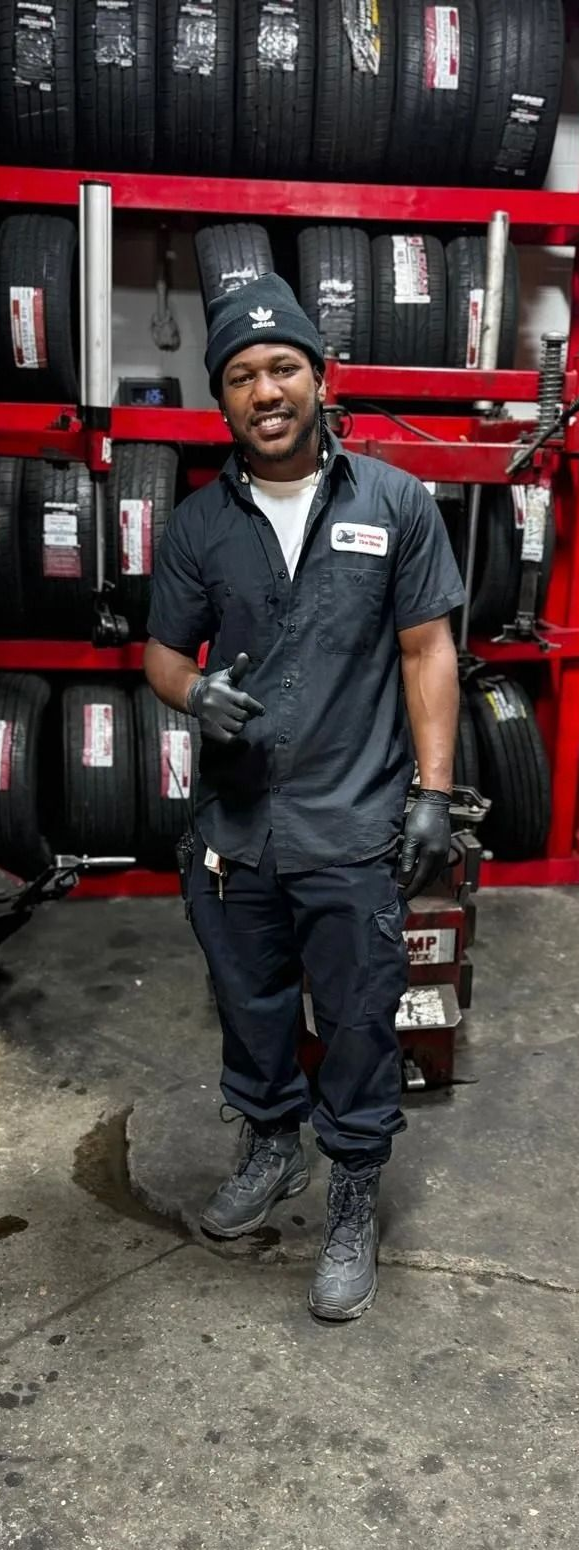
Man in a mechanic uniform smiles in a tire shop; tires on shelves in the background.
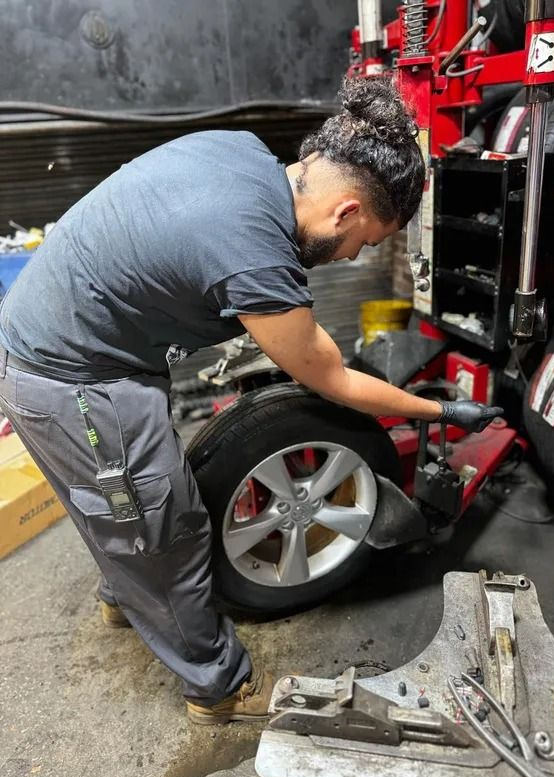
Mechanic changing a tire using a machine in a garage. The person is wearing gray pants and a blue shirt.
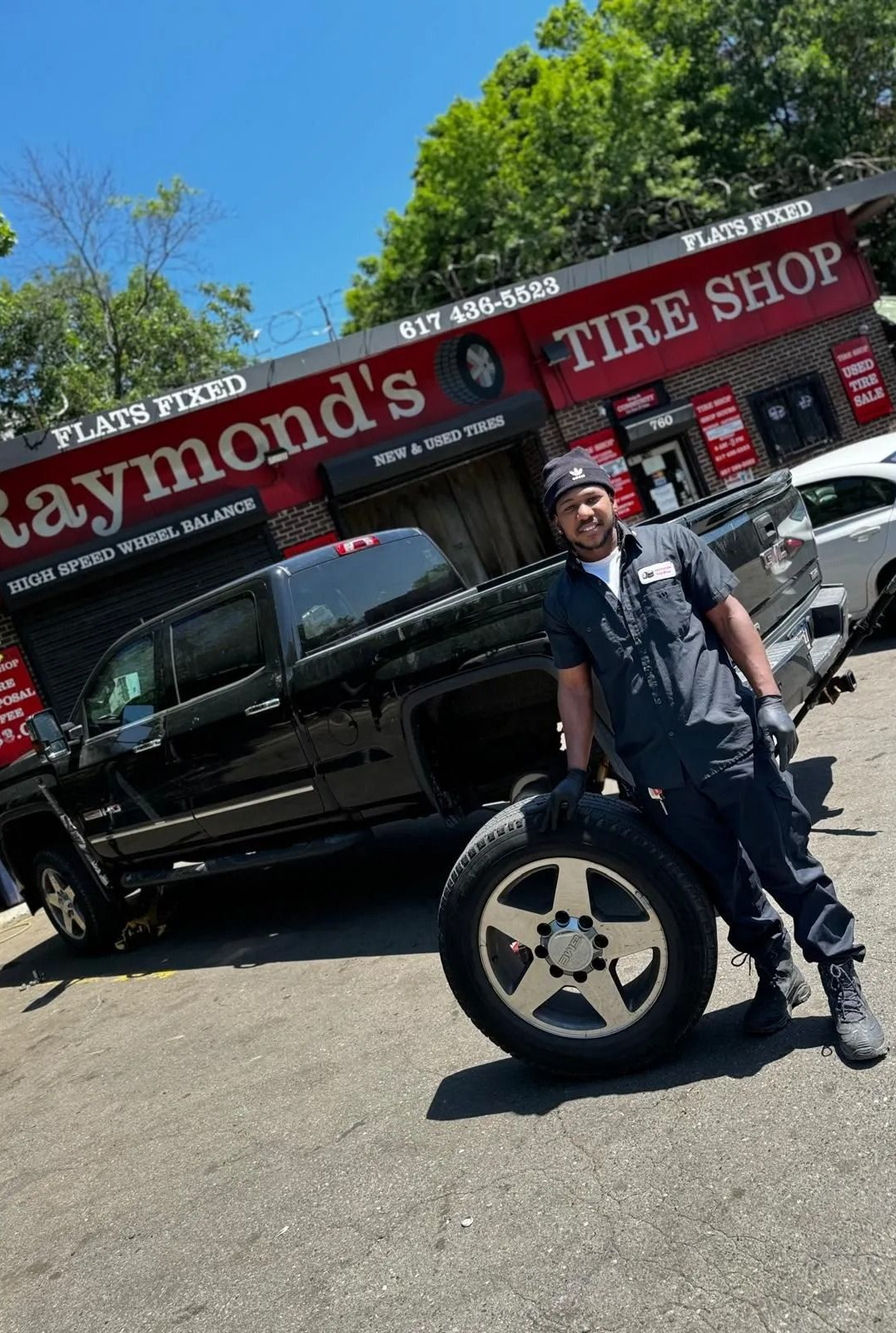
Mechanic poses with a tire in front of Raymond's Tire Shop with a black pickup truck.
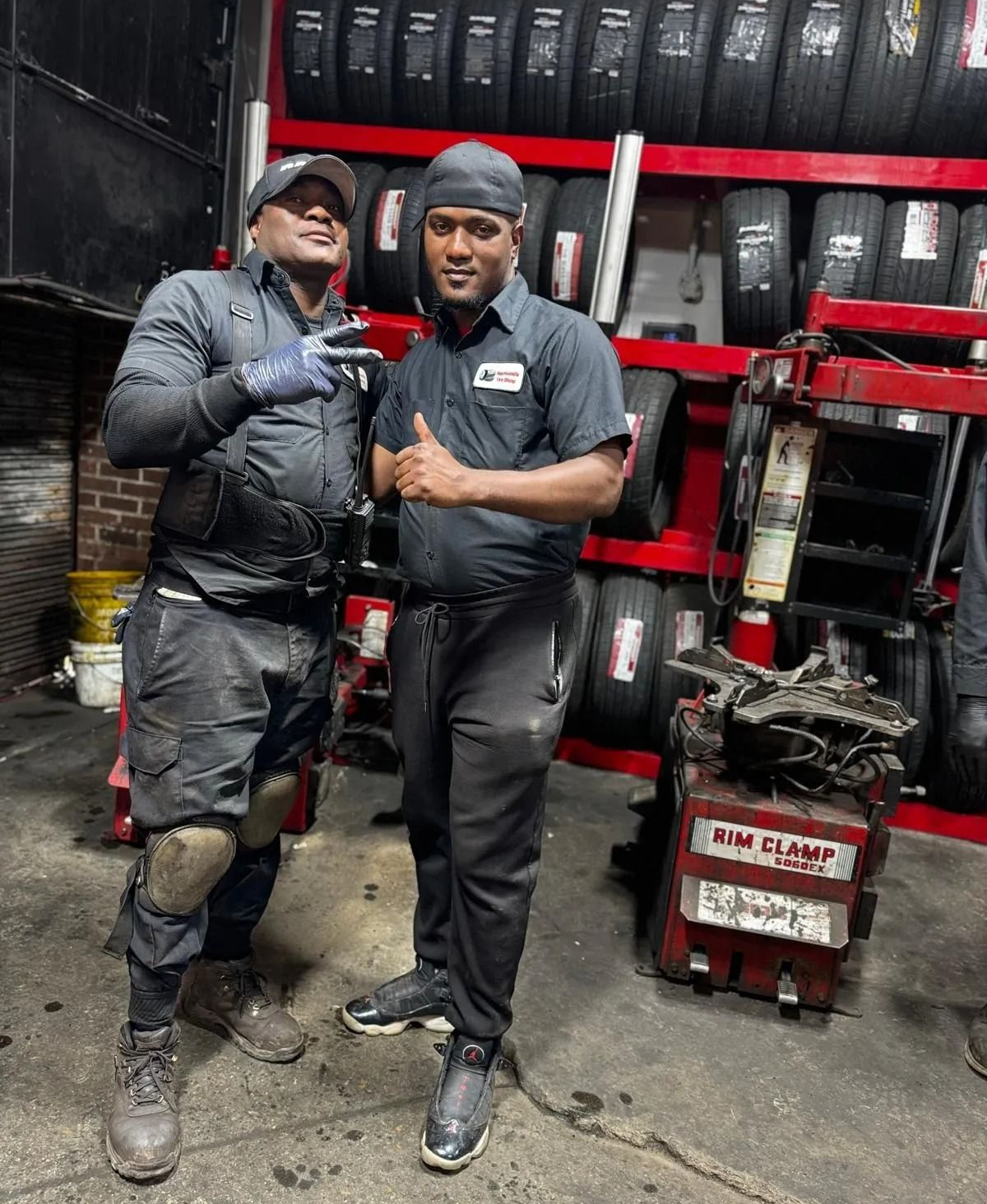
Two auto mechanics, one with a peace sign, in a tire shop. Tires line the wall.
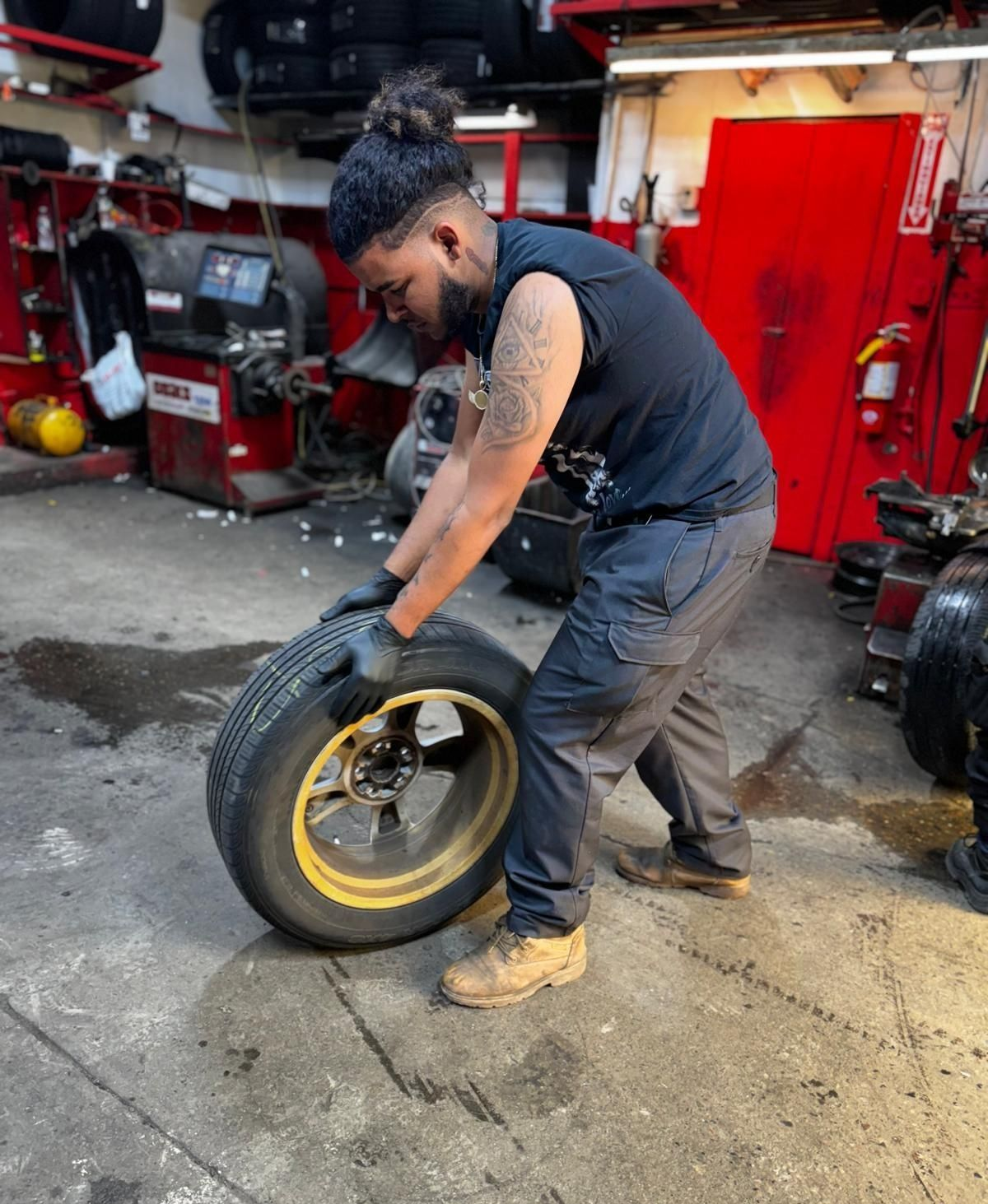
Mechanic in a garage holding a tire. He's wearing black gloves, a black shirt, and gray pants.
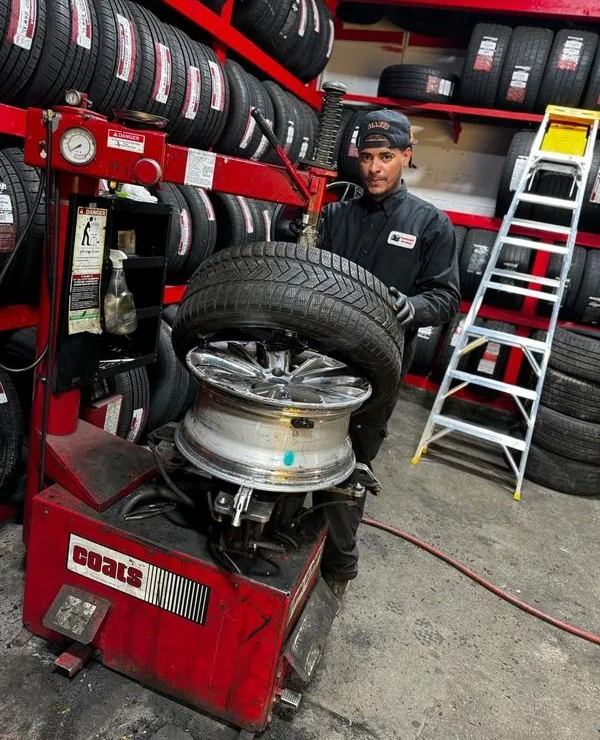
Man changing a tire in a shop, using a tire machine, surrounded by tire racks and a ladder.
September 23, 2026
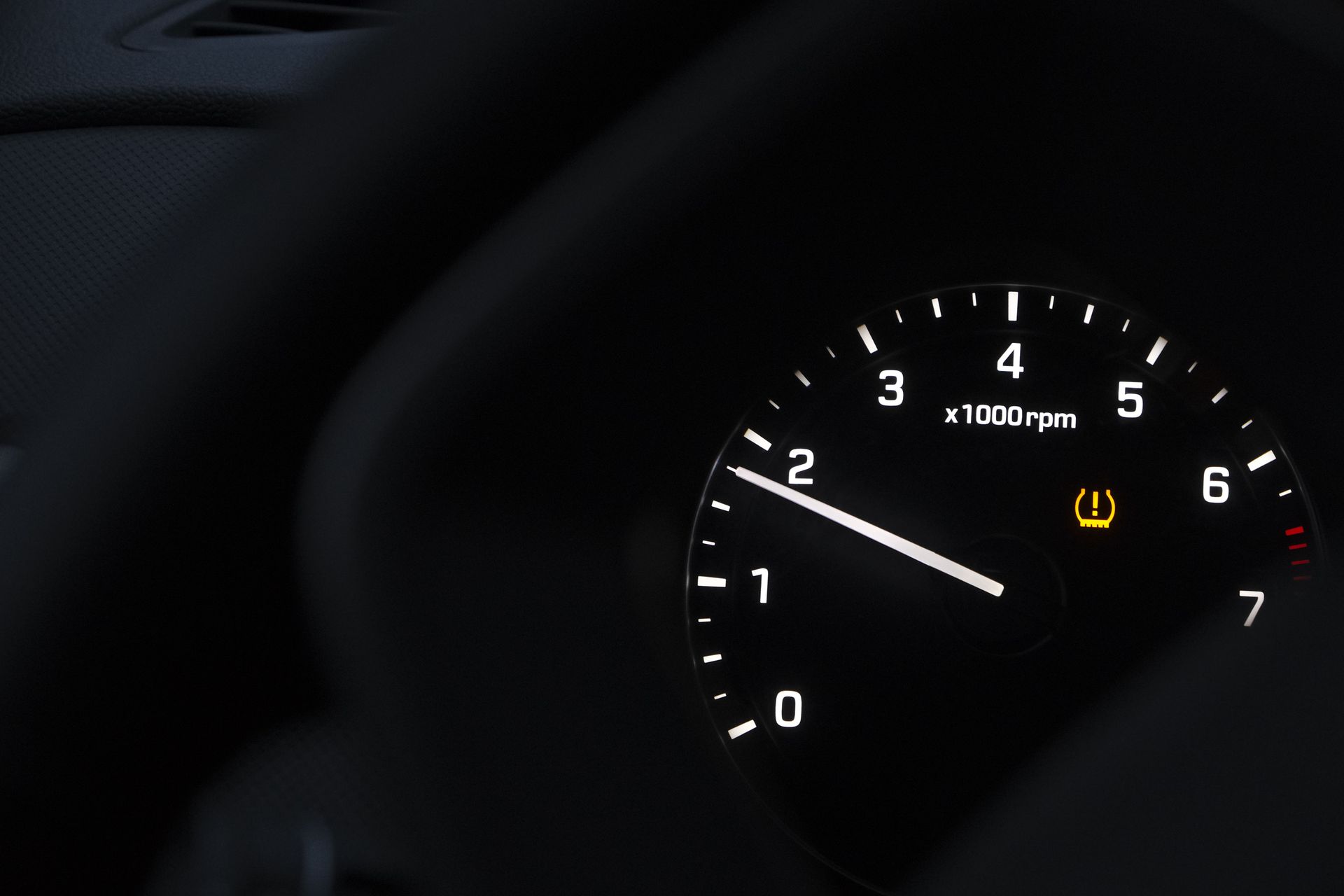
Most drivers are familiar with the tire pressure monitoring system , or TPMS, warning light. When it stays on steadily, it usually means one or more tires may be underinflated. A flashing TPMS light often means something different. Instead of simply warning about low tire pressure, a flashing light can indicate a problem with the monitoring system itself. That could involve a sensor, sensor battery, communication issue, or another TPMS-related fault.  Knowing the difference can help drivers avoid assuming that adding air will automatically solve the problem.
September 22, 2026
Tread depth is one of the first things drivers look at when deciding whether a tire still has life left. Deep grooves can make a tire appear healthy, especially if the vehicle is not driven very often. But tread is only part of the picture. Tires age even when they are not being used heavily. Over time, rubber compounds can harden, dry out, and become less flexible. That means an older tire may still have plenty of tread while no longer performing the way it did when it was newer. Rubber Changes With Age Tires are constantly exposed to oxygen, heat, sunlight, moisture, and changing temperatures. Those conditions gradually affect the rubber. As a tire ages, the material can lose some of its elasticity. That may reduce its ability to flex properly as it rolls and responds to the road. A tire that looks acceptable at a quick glance may therefore be significantly older than its appearance suggests. This is especially important for vehicles that accumulate very few miles each year.
September 11, 2026
A flat tire does not always mean the tire has to be replaced. In many cases, a small puncture can be repaired safely and returned to service. The key is where the puncture occurred, how large it is, and whether the tire suffered additional damage while losing air. That is why a professional inspection matters. Two punctures that lo ok similar from the outside may require completely different solutions once the tire is removed and examined internally. Location Matters Most One of the first things a technician looks at is where the puncture is located. Damage in the central tread area is often the best candidate for repair. This part of the tire is designed to handle contact with the road and can sometimes be repaired when the puncture is small and otherwise straightforward. Punctures near the shoulder or sidewall are much more concerning.  These areas flex significantly while the tire is moving and cannot usually be repaired safely using standard puncture-repair methods. If a nail, screw, or other object damages the sidewall or outer shoulder, replacement is often the safer option.
September 6, 2026
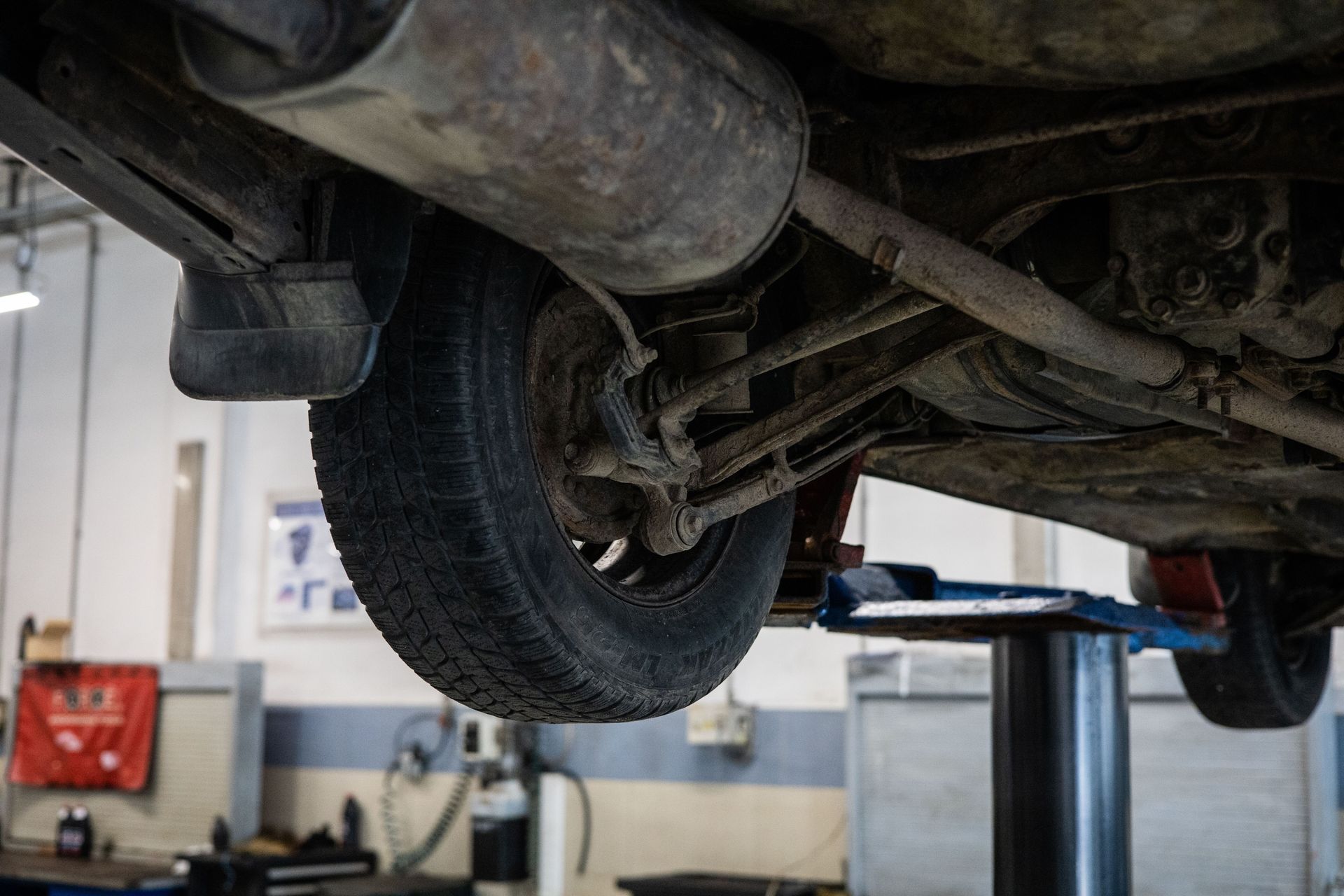
A wheel alignment can correct important steering and tire-angle settings, but the alignment itself depends on the suspension being in good mechanical condition. If ball joints, tie rods, control arm bushings, wheel bearings, or other components are worn, the wheels may not stay in the position the technician sets.  That is why some vehicles continue pulling , wearing tires unevenly, or developing an off-center steering wheel even after an alignment. In those cases, the problem may not be the alignment machine or the adjustment. It may be worn suspension or steering components underneath the vehicle.
August 28, 2026
When a tire repeatedly loses air but there is no obvious nail, screw, or visible puncture, the problem may be where the tire meets the wheel. This area is known as the tire bead, and a poor seal between the bead and the rim can allow air to escape gradually. Tire bead leaks are a common cause of slow pressure loss. Understanding why they happen can help drivers recognize when a tire needs professional inspection rather than repeatedly adding air. What Is the Tire Bead? The bead is the reinforced inner edge of the tire that sits tightly against the wheel rim. When a tire is properly mounted and inflated, air pressure helps hold the bead securely against the wheel, creating an airtight seal. If that sealing surface becomes damaged, dirty, corroded, or distorted, a small pathway can develop for air to escape.  Because these leaks may be very small, the tire can lose pressure over several days or weeks rather than going flat immediately.
August 23, 2026
A pothole impact can feel like a quick jolt, but the forces involved can affect several parts of the tire and wheel assembly. The faster the vehicle is moving, the less time the tire has to absorb the impact. In some cases, the damage is immediately obvious. In others, problems may not become noticeable until later. Raymond’s Tire Shop helps drivers inspect tires, wheels, balancing, and alignment after hard road impacts. Understanding what can happen during a pothole strike can make it easier to recognize when a tire needs professional attention. The Tire Is Compressed Extremely Quickly When a tire drops into a pothole and strikes the far edge, the sidewall and tread can be compressed between the road and the wheel. Tires are designed to flex, but a severe impact can exceed what the internal structure can safely absorb.  The risk can be greater when tire pressure is too low because there is less air cushioning between the road surface and the wheel. However, even a properly inflated tire can be damaged by a deep pothole at sufficient speed.