Por Que Pneus Mais Antigos Podem Precisar De Substituição Mesmo Com Boa Profundidade De Sulco

Modern car interior with steering wheel, dashboard display, and center console in black and red accents

Baixa Quilometragem Não Impede O Envelhecimento Dos Pneus

Alguns motoristas presumem que os pneus duram indefinidamente se forem pouco utilizados.


Esse não é o caso.


Um veículo que passa a maior parte do tempo estacionado ainda pode desenvolver problemas nos pneus relacionados à idade. Na verdade, o uso pouco frequente pode, às vezes, tornar a deterioração mais difícil de perceber, pois o sulco não se desgasta na mesma velocidade.


Veículos usados apenas nos fins de semana, carros de coleção, trailers, veículos secundários e carros conduzidos apenas por pequenas distâncias podem acabar com pneus que parecem praticamente novos, mas que têm muitos anos de uso.


Rachaduras Podem Ser Um Sinal De Alerta Importante

Um sinal visível de envelhecimento é o aparecimento de rachaduras.


Pequenas rachaduras podem surgir ao longo da lateral do pneu ou entre os blocos de sulco. Isso às vezes é descrito como rachaduras causadas pelo clima ou ressecamento da borracha.


Nem toda rachadura superficial significa que um pneu está imediatamente inseguro, mas rachaduras extensas ou profundas merecem atenção profissional.


As laterais dos pneus são especialmente importantes porque flexionam constantemente enquanto o veículo está em movimento.


Qualquer deterioração perceptível nessa área deve ser levada a sério.
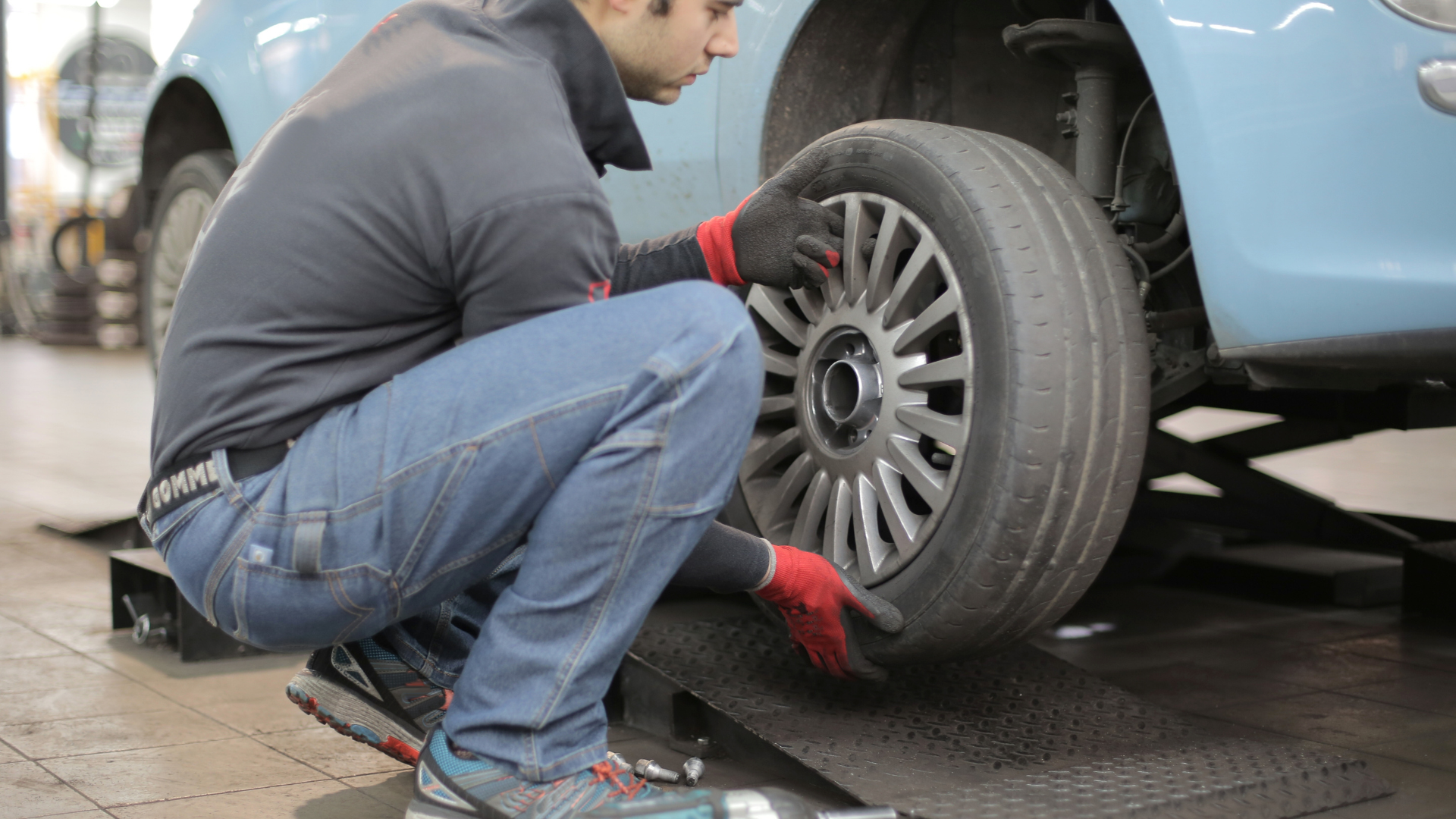
Mechanic kneeling beside a light blue car, checking or replacing a front wheel in a garage.

Pneus Mais Antigos Podem Ficar Mais Duros

À medida que a borracha envelhece, ela pode se tornar menos flexível.


Isso é importante porque a aderência do pneu depende, em parte, da capacidade da borracha de interagir com o pavimento.


Um pneu endurecido pode não responder tão bem em condições de chuva, durante uma frenagem de emergência ou ao fazer curvas.


Isso pode ser difícil de perceber durante a condução normal do dia a dia.


O pneu pode parecer estar funcionando bem até que seja necessária uma aderência adicional de repente.


As Condições De Armazenamento São Importantes

O envelhecimento dos pneus é influenciado pelo local e pela forma como um veículo é armazenado.


A exposição prolongada à luz solar direta, calor intenso ou condições climáticas adversas pode acelerar a deterioração.


Veículos mantidos em garagem podem ter melhor proteção, mas apenas o armazenamento não impede completamente o envelhecimento.


Os pneus ainda precisam ser avaliados com base na idade, condição, danos visíveis e orientações do fabricante.


É por isso que o código de data do pneu é importante.
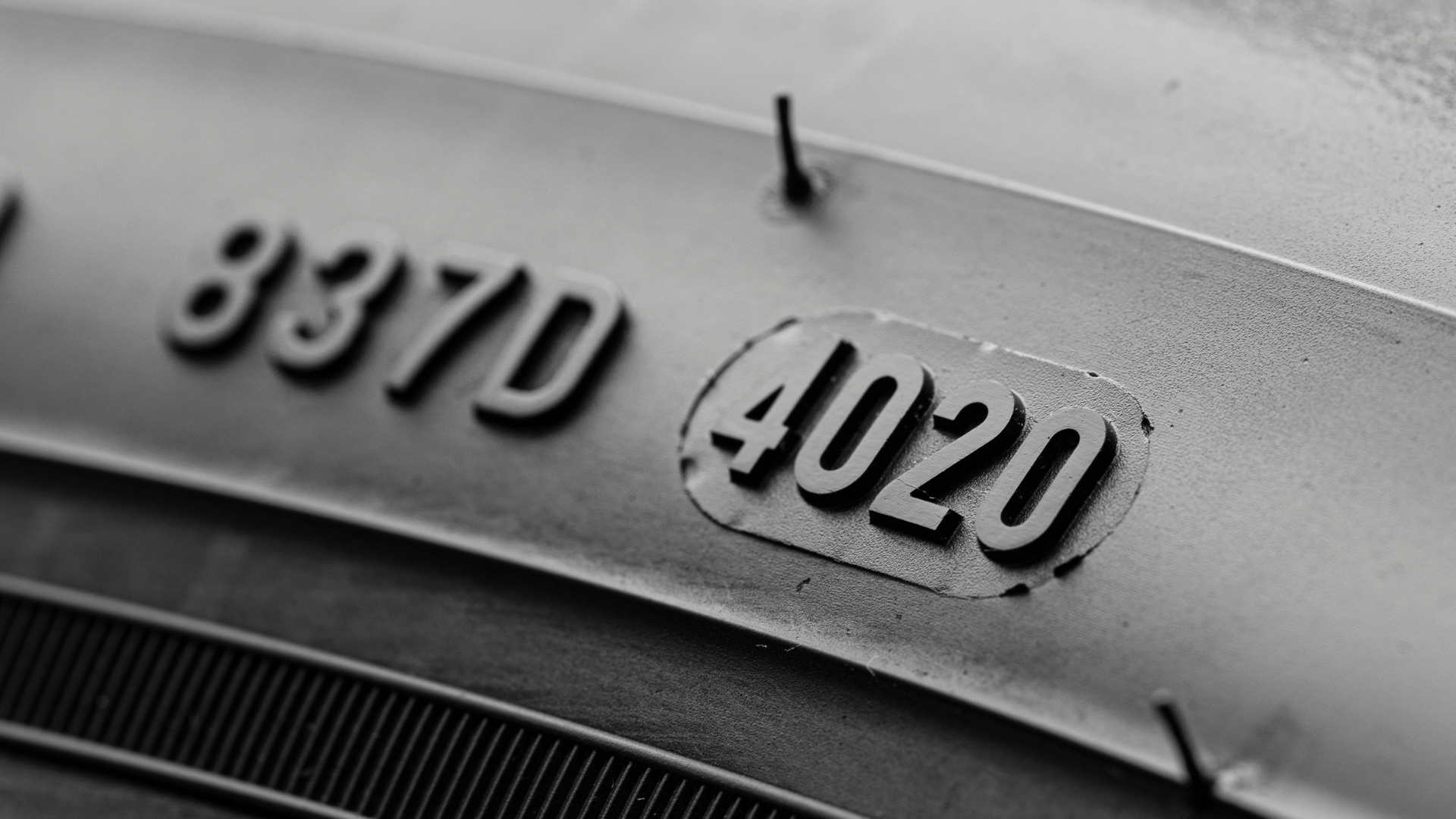
Close-up of a black metal surface stamped with raised numbers “8370” and “402U”

Verifique O Código De Data Do Pneu

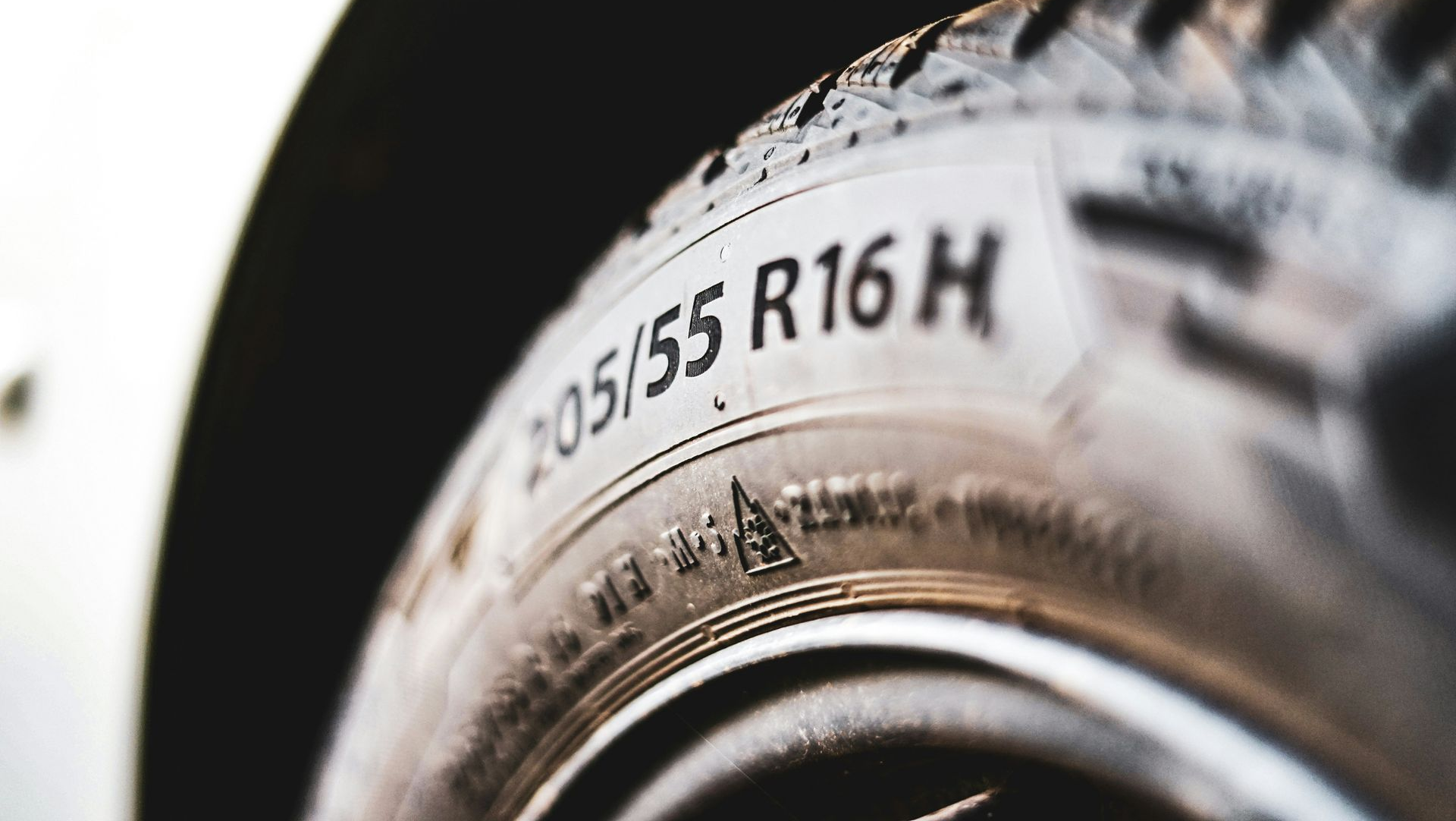
Cada pneu possui um código do Department of Transportation gravado na lateral.


Os quatro últimos dígitos identificam quando o pneu foi fabricado.


Por exemplo, um código que termina em 2322 significa que o pneu foi fabricado durante a 23ª semana de 2022.


Isso pode ser útil ao comprar um veículo usado, inspecionar um pneu reserva ou tentar determinar a idade real de um conjunto de pneus existente.


Os motoristas às vezes ficam surpresos ao descobrir que os pneus de um veículo com baixa quilometragem são muito mais antigos do que esperavam.


Pneus Reservas Também Envelhecem

Os pneus reservas são fáceis de esquecer porque podem nunca tocar a estrada.


Mas eles também envelhecem.


Um pneu reserva que ficou guardado no porta-malas ou sob um veículo por muitos anos não deve ser automaticamente considerado pronto para uso.

Sua pressão, idade, condição da lateral e integridade geral devem ser verificadas periodicamente.


Descobrir que um pneu reserva antigo não é mais confiável durante uma emergência na estrada não é uma situação ideal.
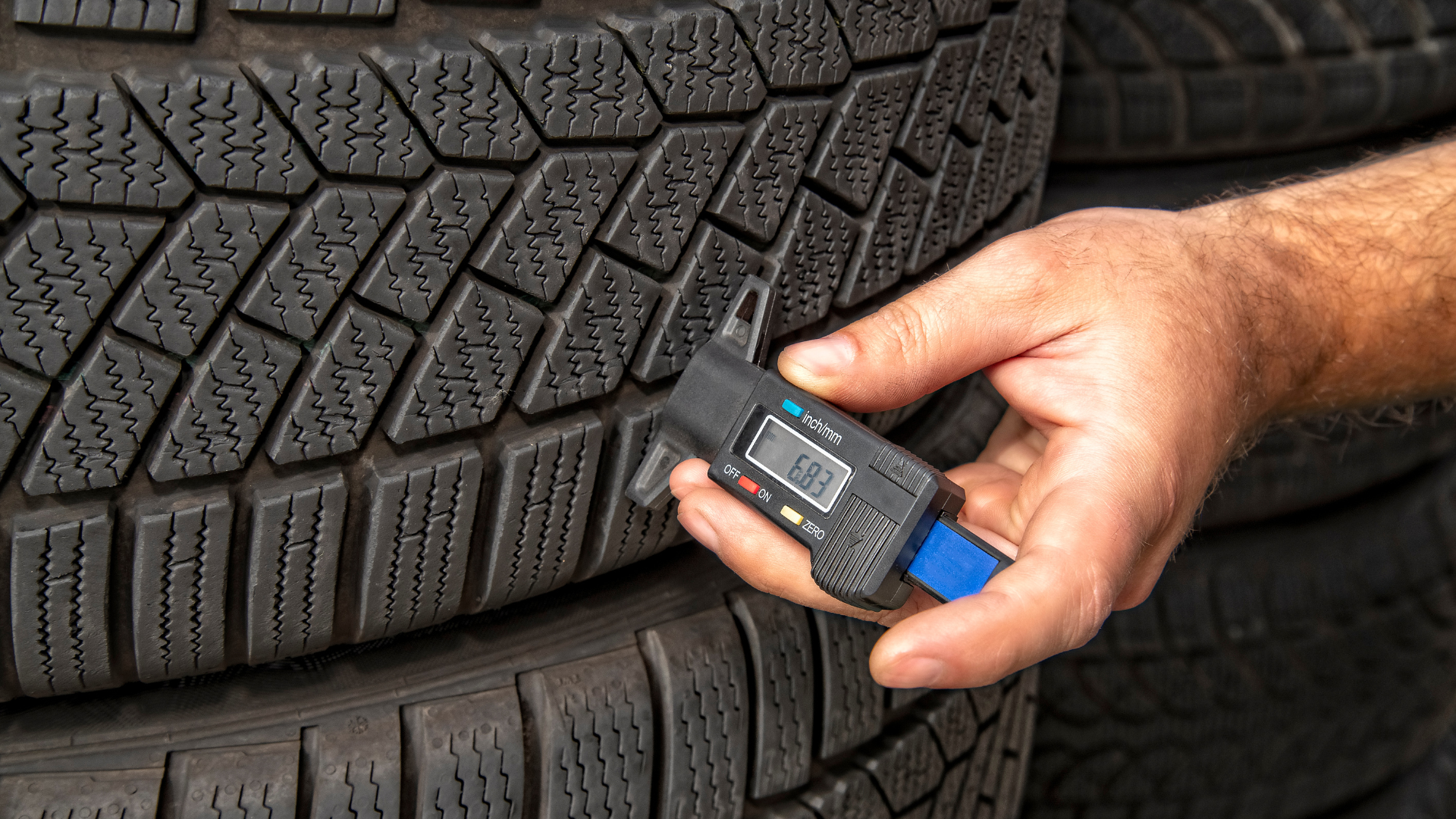
Hand checking tire tread depth with a gauge on a car tire.

A Profundidade Do Sulco Ainda É Importante

A idade não substitui uma inspeção normal do sulco.


Ambos são importantes.


Um pneu pode precisar ser substituído porque o sulco está desgastado, porque a borracha envelheceu, porque a lateral está danificada ou devido a uma combinação desses problemas.


A decisão mais segura vem da análise de todo o pneu, em vez de depender de uma única medição.


Faça Uma Avaliação Dos Pneus Mais Antigos

Se os seus pneus ainda possuem bons sulcos, mas estão no veículo há muitos anos, pode ser hora de realizar uma inspeção mais detalhada.


A Raymond’s Tire Shop pode avaliar a idade dos pneus, condição dos sulcos, laterais, pressão, padrões de desgaste e outros fatores que afetam o desempenho dos pneus.


Se você não tem certeza da idade dos seus pneus ou se eles ainda são adequados para a condução diária, entre em contato com a Raymond’s Tire Shop para uma inspeção. Substituir um pneu envelhecido antes que o desgaste visível se torne grave pode ajudar a reduzir a chance de descobrir um problema quando você mais precisar do pneu.
September 22, 2026
Tread depth is one of the first things drivers look at when deciding whether a tire still has life left. Deep grooves can make a tire appear healthy, especially if the vehicle is not driven very often. But tread is only part of the picture. Tires age even when they are not being used heavily. Over time, rubber compounds can harden, dry out, and become less flexible. That means an older tire may still have plenty of tread while no longer performing the way it did when it was newer. Rubber Changes With Age Tires are constantly exposed to oxygen, heat, sunlight, moisture, and changing temperatures. Those conditions gradually affect the rubber. As a tire ages, the material can lose some of its elasticity. That may reduce its ability to flex properly as it rolls and responds to the road. A tire that looks acceptable at a quick glance may therefore be significantly older than its appearance suggests. This is especially important for vehicles that accumulate very few miles each year.
September 11, 2026
A flat tire does not always mean the tire has to be replaced. In many cases, a small puncture can be repaired safely and returned to service. The key is where the puncture occurred, how large it is, and whether the tire suffered additional damage while losing air. That is why a professional inspection matters. Two punctures that lo ok similar from the outside may require completely different solutions once the tire is removed and examined internally. Location Matters Most One of the first things a technician looks at is where the puncture is located. Damage in the central tread area is often the best candidate for repair. This part of the tire is designed to handle contact with the road and can sometimes be repaired when the puncture is small and otherwise straightforward. Punctures near the shoulder or sidewall are much more concerning.  These areas flex significantly while the tire is moving and cannot usually be repaired safely using standard puncture-repair methods. If a nail, screw, or other object damages the sidewall or outer shoulder, replacement is often the safer option.
September 6, 2026
A wheel alignment can correct important steering and tire-angle settings, but the alignment itself depends on the suspension being in good mechanical condition. If ball joints, tie rods, control arm bushings, wheel bearings, or other components are worn, the wheels may not stay in the position the technician sets.  That is why some vehicles continue pulling , wearing tires unevenly, or developing an off-center steering wheel even after an alignment. In those cases, the problem may not be the alignment machine or the adjustment. It may be worn suspension or steering components underneath the vehicle.
August 28, 2026
When a tire repeatedly loses air but there is no obvious nail, screw, or visible puncture, the problem may be where the tire meets the wheel. This area is known as the tire bead, and a poor seal between the bead and the rim can allow air to escape gradually. Tire bead leaks are a common cause of slow pressure loss. Understanding why they happen can help drivers recognize when a tire needs professional inspection rather than repeatedly adding air. What Is the Tire Bead? The bead is the reinforced inner edge of the tire that sits tightly against the wheel rim. When a tire is properly mounted and inflated, air pressure helps hold the bead securely against the wheel, creating an airtight seal. If that sealing surface becomes damaged, dirty, corroded, or distorted, a small pathway can develop for air to escape.  Because these leaks may be very small, the tire can lose pressure over several days or weeks rather than going flat immediately.
August 23, 2026
A pothole impact can feel like a quick jolt, but the forces involved can affect several parts of the tire and wheel assembly. The faster the vehicle is moving, the less time the tire has to absorb the impact. In some cases, the damage is immediately obvious. In others, problems may not become noticeable until later. Raymond’s Tire Shop helps drivers inspect tires, wheels, balancing, and alignment after hard road impacts. Understanding what can happen during a pothole strike can make it easier to recognize when a tire needs professional attention. The Tire Is Compressed Extremely Quickly When a tire drops into a pothole and strikes the far edge, the sidewall and tread can be compressed between the road and the wheel. Tires are designed to flex, but a severe impact can exceed what the internal structure can safely absorb.  The risk can be greater when tire pressure is too low because there is less air cushioning between the road surface and the wheel. However, even a properly inflated tire can be damaged by a deep pothole at sufficient speed.
August 16, 2026
Tires are one of the most important safety components on any vehicle because they are the only parts that maintain direct contact with the road. As tires wear, their ability to grip pavement, channel water, and respond predictably can gradually decline. The challenge is that unsafe tire conditions are not always obvious until performance has already been affected.  Raymond’s Tire Shop helps drivers evaluate tread wear, tire damage, pressure issues, alignment problems, and other conditions that can affect tire safety. Knowing what to look for can help you recognize when a tire needs professional attention or replacement.