Pourquoi le choix du bon magasin de pneus est important

Choisissez mieux, roulez plus sûr

Lorsqu’il est temps de remplacer ou d’entretenir vos pneus, le magasin que vous choisissez fait toute la différence. Les pneus sont l’un des éléments de sécurité les plus importants de votre véhicule, influençant directement la tenue de route, le freinage et l’efficacité énergétique. Bien que de nombreux endroits proposent des promotions ou un service rapide, tous les magasins de pneus n’offrent pas le même niveau d’expertise, de qualité de produits ou de service à la clientèle. Chez Raymond’s Tire Shop, nous croyons que choisir le bon magasin de pneus est aussi important que choisir les bons pneus.


Expertise et connaissances

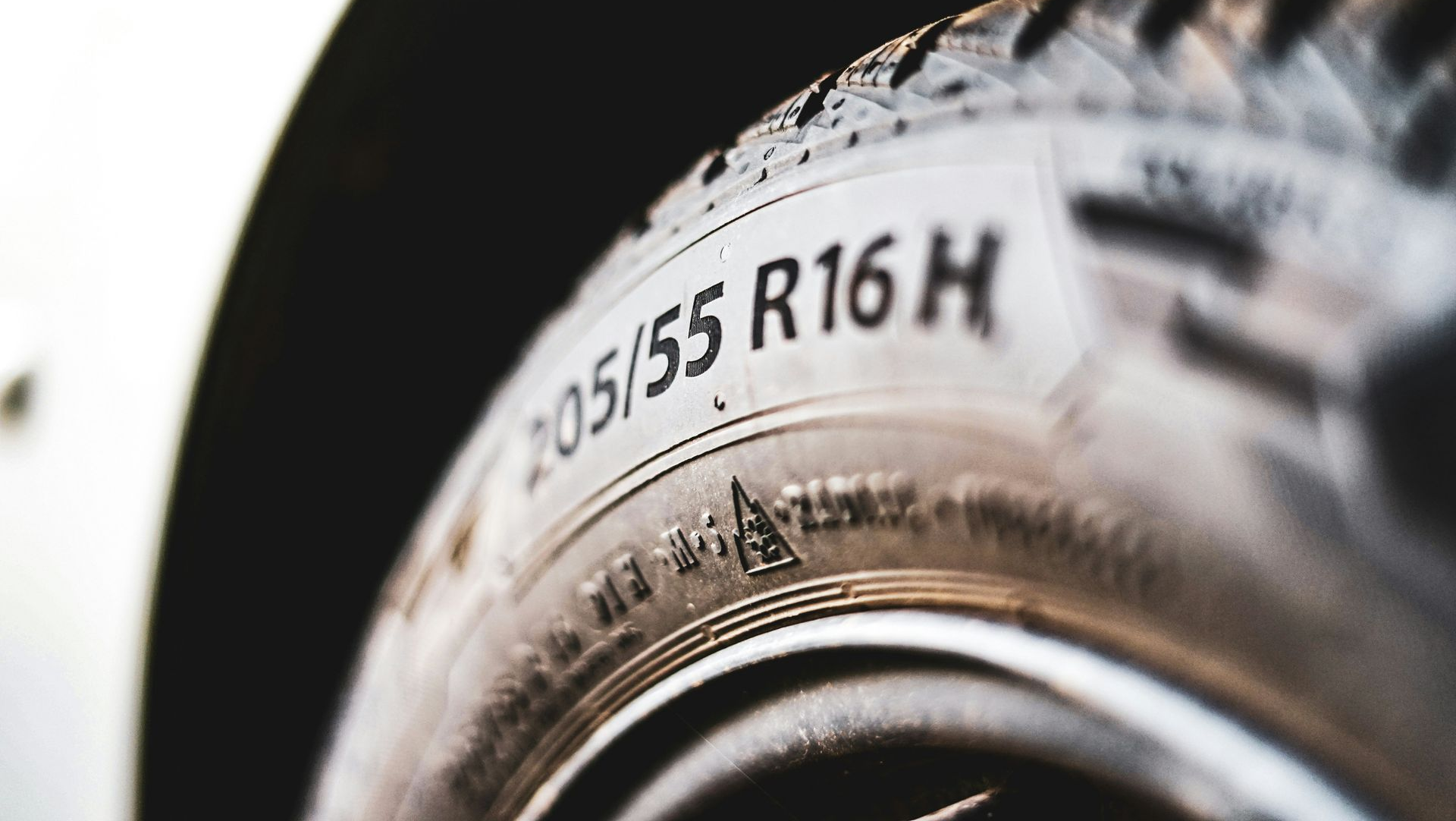
Les pneus existent en de nombreux types, tailles et niveaux de performance, et choisir le bon ensemble demande plus que de simplement connaître les dimensions inscrites dans le manuel du propriétaire. Les professionnels expérimentés comprennent les exigences des différents véhicules, conditions de conduite et budgets. Un magasin de confiance peut expliquer les différences entre les pneus toutes saisons, de performance et d’hiver, et recommander la meilleure option pour vos besoins spécifiques.


Chez Raymond’s Tire Shop, notre équipe apporte des années de savoir-faire à chaque consultation. Nous prenons le temps de comprendre votre style de conduite et vos attentes, afin de vous fournir un ensemble de pneus qui allie sécurité et valeur.
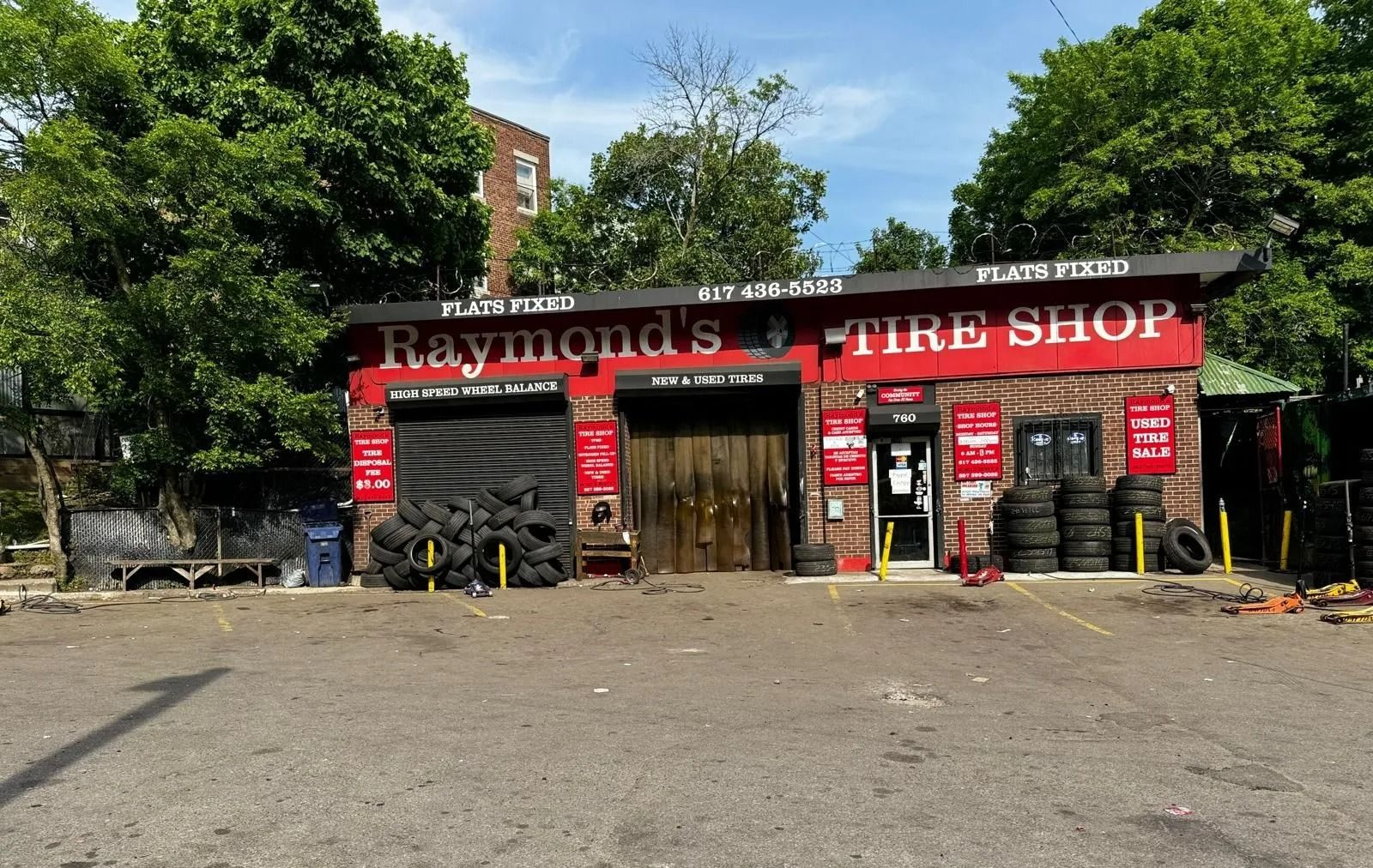
Raymond's Tire Shop storefront with tires displayed, brick facade, red sign, open garage, parked tires.

Qualité des produits

Tous les pneus ne se valent pas. Les options bon marché peuvent sembler attrayantes au départ, mais elles s’usent souvent rapidement et peuvent mal performer dans des conditions difficiles. Des pneus de qualité offrent une meilleure traction, une durée de vie plus longue et une fiabilité accrue.


Le bon magasin de pneus travaille avec des fabricants de confiance et propose des produits qui répondent à des normes strictes de qualité. Chez Raymond’s Tire Shop, nous ne stockons que des pneus de marques réputées pour leur performance et leur durabilité. Cet engagement garantit que chaque pneu installé est conçu pour assurer votre sécurité sur la route.
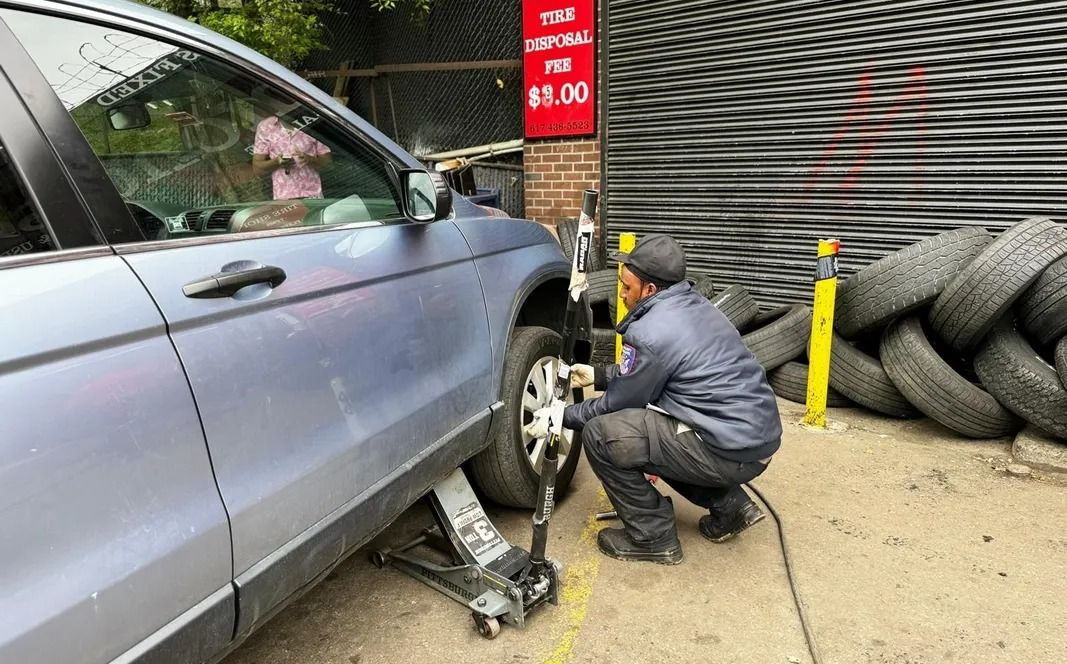
A mechanic changing a tire on a silver car outside a garage.

Installation et service appropriés

Même les meilleurs pneus ne donneront pas de bons résultats s’ils ne sont pas correctement installés. Le montage, l’équilibrage et l’alignement appropriés sont essentiels pour maximiser la durée de vie des pneus et maintenir la sécurité du véhicule. Les magasins qui bâclent le processus ou manquent de l’équipement adéquat peuvent causer des vibrations, une usure inégale ou une perte de maniabilité.


En choisissant un magasin professionnel, vous vous assurez que vos pneus sont installés avec précision. Nos techniciens utilisent un équipement avancé pour garantir un équilibrage et un alignement exacts, vous donnant la confiance que vos pneus fonctionnent au mieux dès le moment où vous quittez notre atelier.
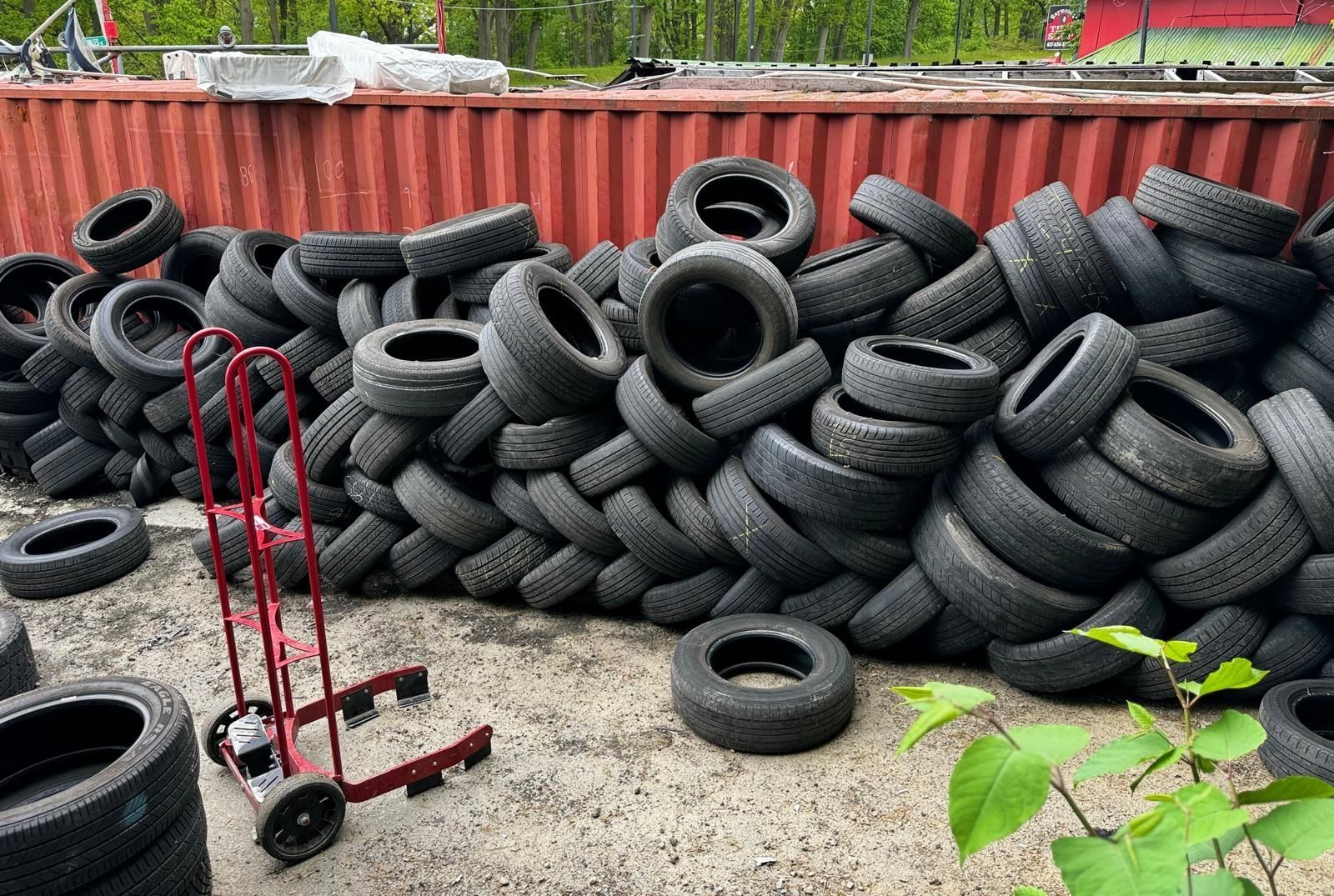
Pile of black tires next to a red hand truck; outdoors by a red container and green trees.

Entretien et suivi

L’entretien des pneus ne s’arrête pas après l’installation. Les rotations régulières, les vérifications de pression et les inspections sont nécessaires pour tirer le maximum de votre investissement. Un magasin de pneus réputé offre un suivi continu et vous aide à prolonger la durée de vie de vos pneus.


Chez Raymond’s Tire Shop, nous nous considérons comme plus qu’un simple point de vente. Nous sommes votre partenaire à long terme pour la sécurité et la performance de vos pneus. Notre équipe est disponible pour les services d’entretien qui prolongent la vie de vos pneus et assurent le bon fonctionnement de votre véhicule.
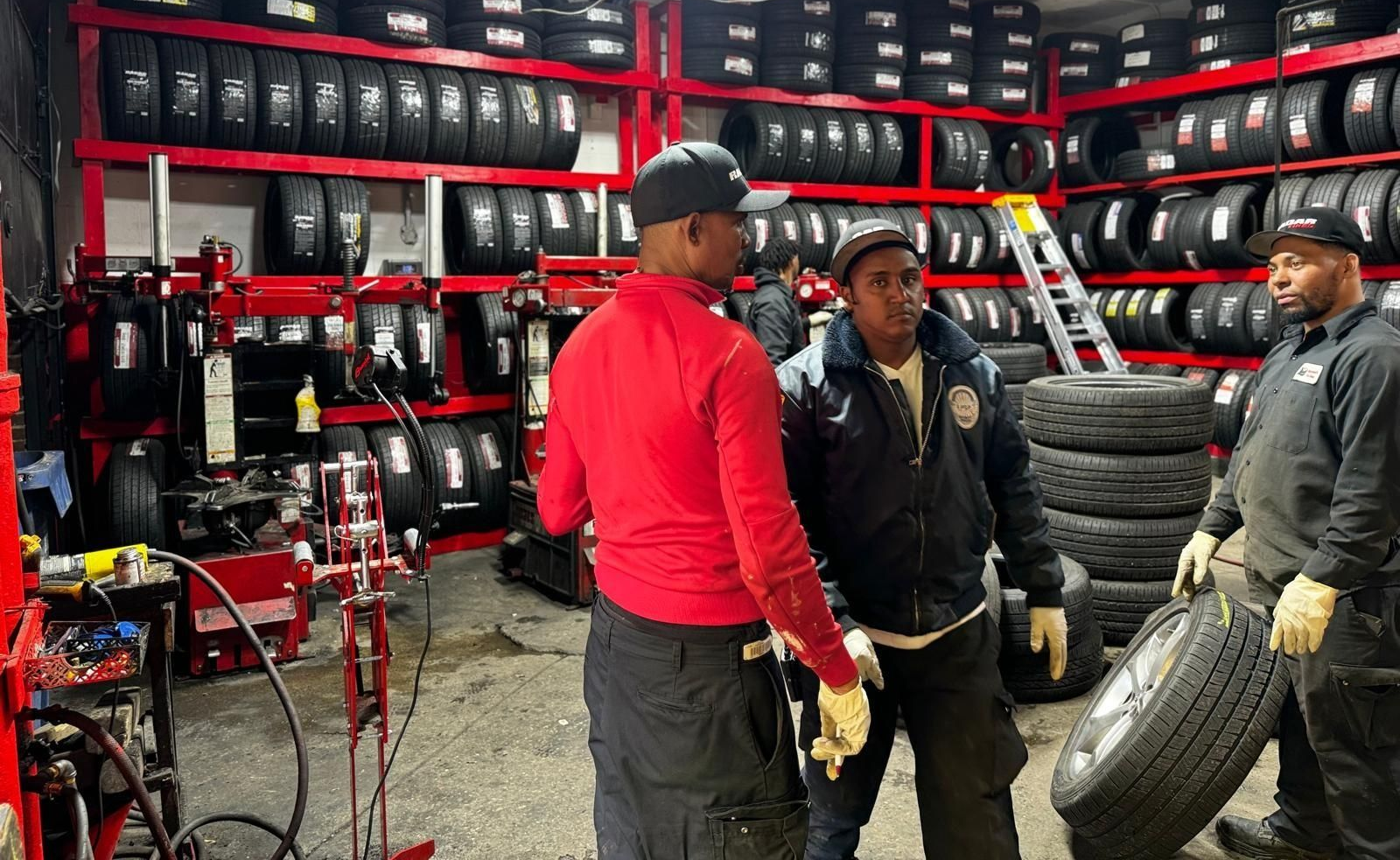
Three men in a tire shop. One holds a tire, others converse near equipment and shelves of tires.

Service client et confiance

Le facteur le plus important dans le choix d’un magasin de pneus est peut-être le niveau de service à la clientèle. Un magasin de confiance offrira des conseils honnêtes, des prix transparents et des explications claires des options disponibles. Les clients doivent avoir la certitude que leurs intérêts sont toujours prioritaires.


Raymond’s Tire Shop a bâti sa réputation sur l’honnêteté et la fiabilité. Nous croyons en un traitement respectueux de chaque client et veillons à ce que chaque achat de pneus soit soutenu par les informations et les services nécessaires pour prendre la bonne décision.
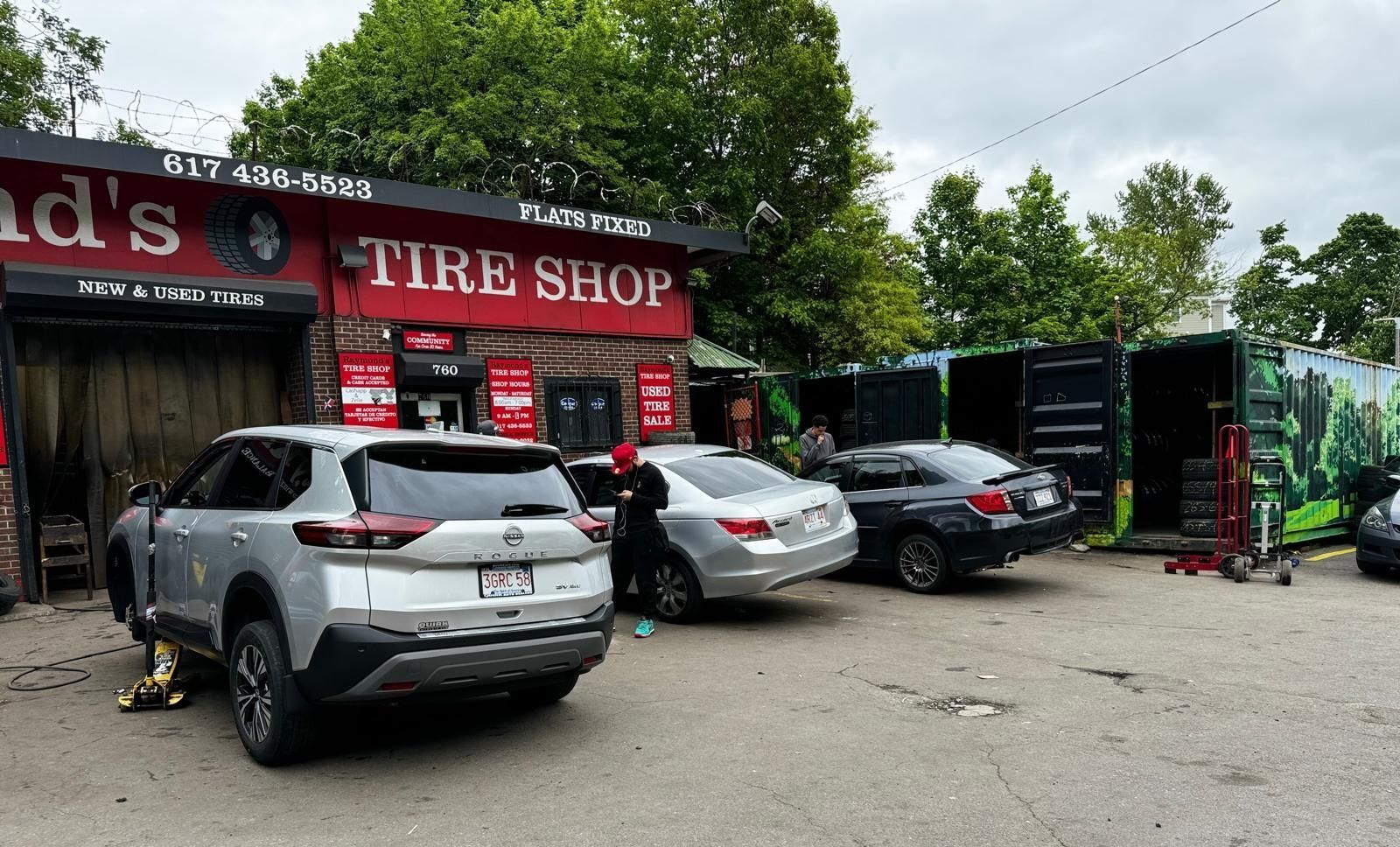
A tire shop with cars being serviced; silver SUV on jack, other cars parked outside.

Conclusion

Les pneus représentent l’un des investissements les plus critiques dans votre véhicule, et le magasin que vous choisissez détermine la qualité, la sécurité et la valeur de cet investissement. Le bon magasin de pneus offre expertise, produits fiables, installation professionnelle et soutien continu.


Chez Raymond’s Tire Shop, nous réunissons tous ces éléments pour offrir un service digne de confiance. Si vous avez besoin de nouveaux pneus ou d’un entretien expert, venez nous voir dès aujourd’hui et découvrez la différence de travailler avec une équipe engagée envers votre sécurité et votre satisfaction.
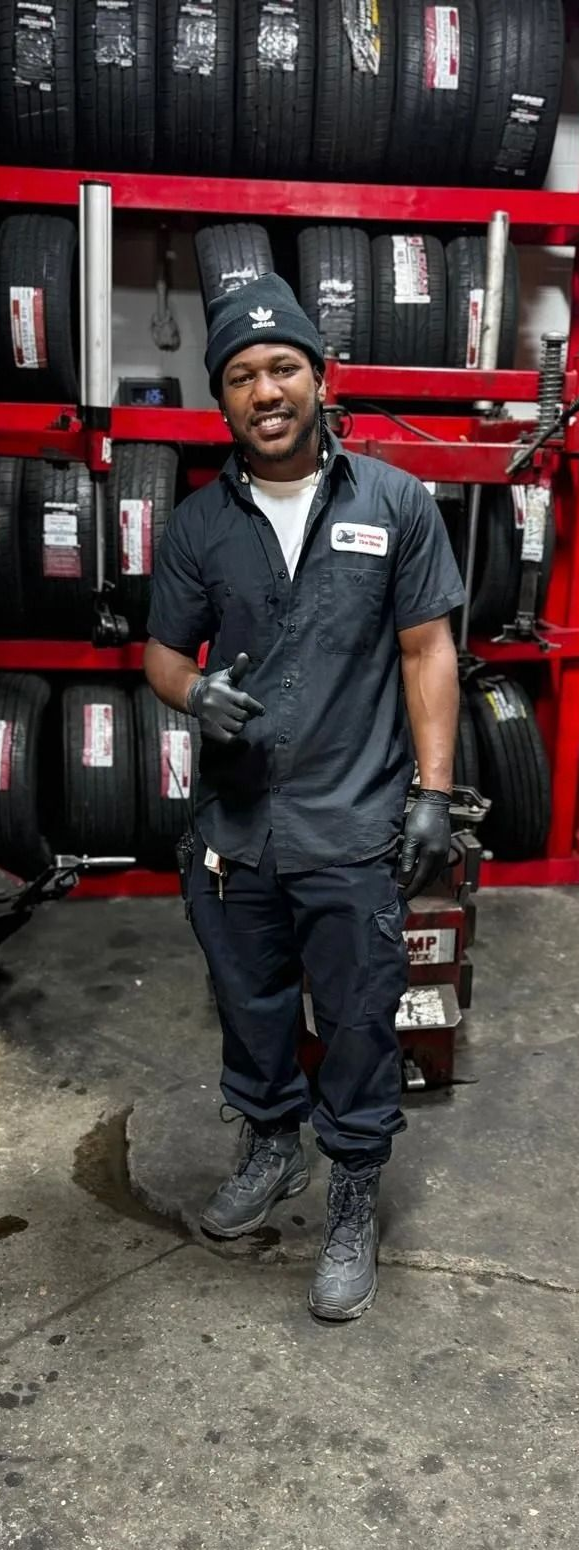
Man in a mechanic uniform smiles in a tire shop; tires on shelves in the background.
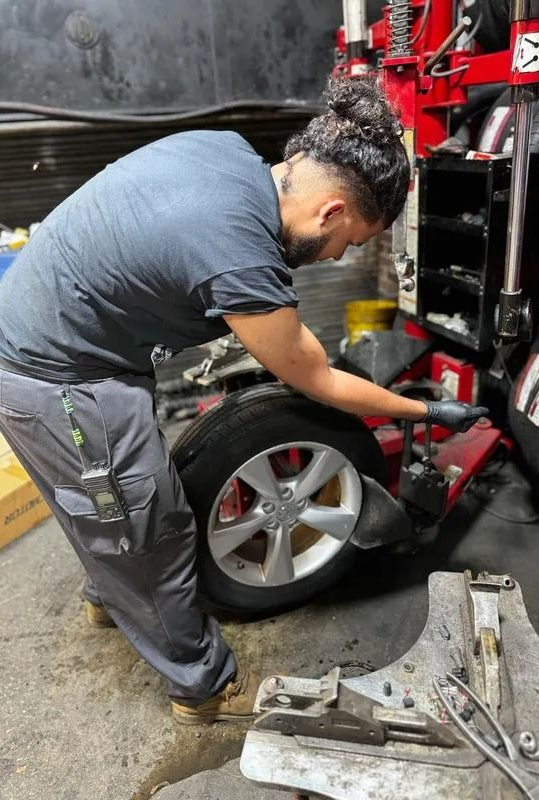
Mechanic changing a tire using a machine in a garage. The person is wearing gray pants and a blue shirt.
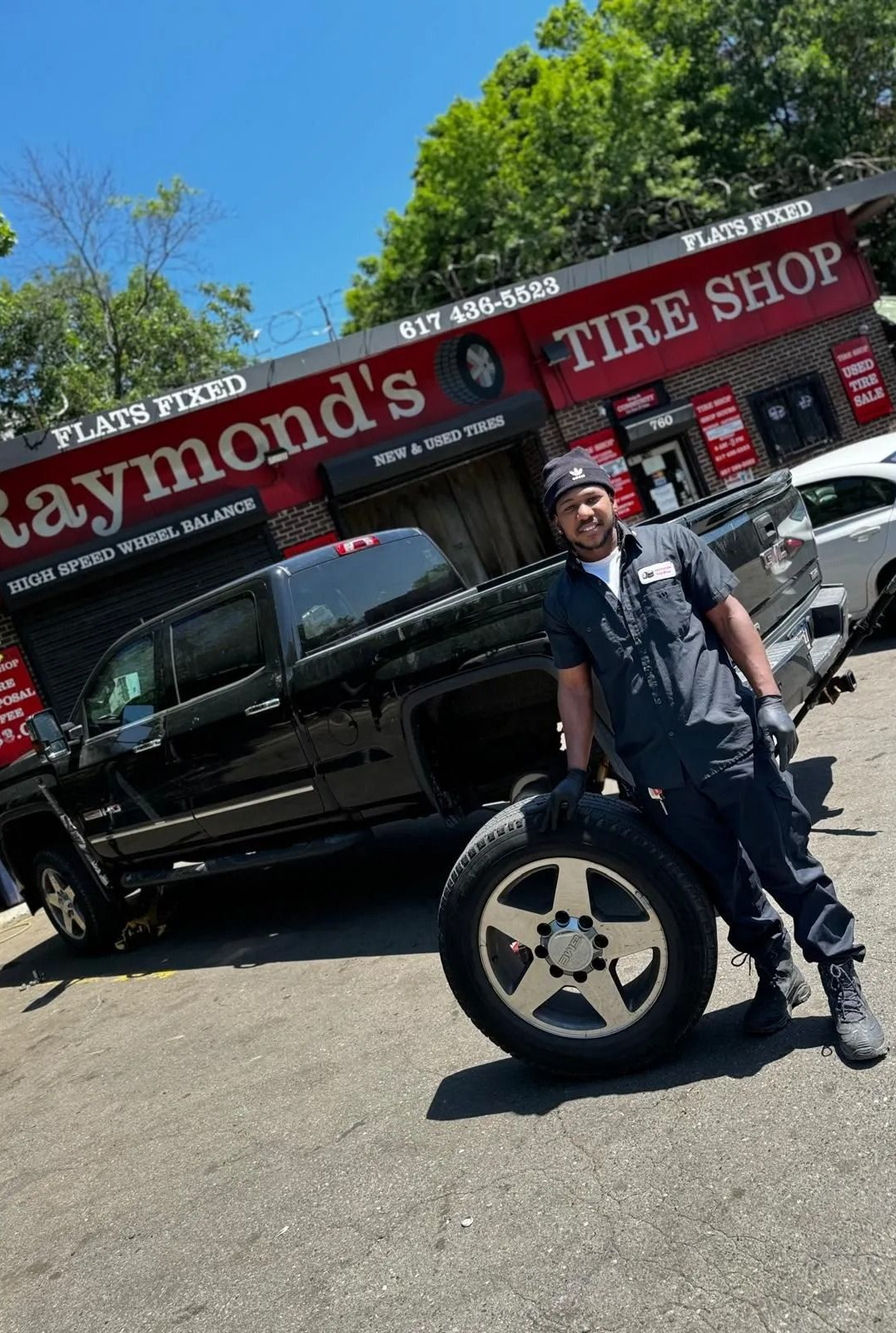
Mechanic poses with a tire in front of Raymond's Tire Shop with a black pickup truck.
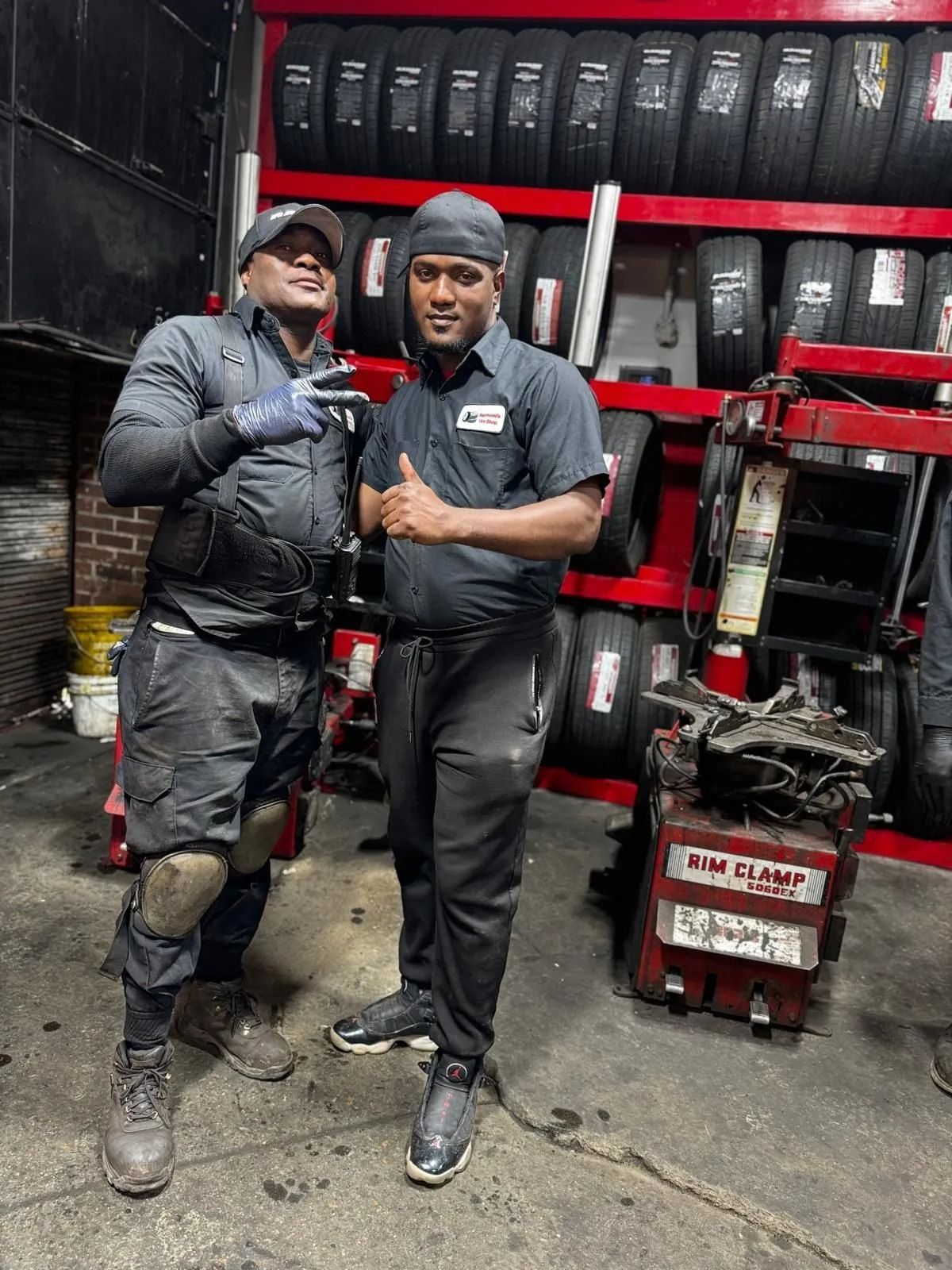
Two auto mechanics, one with a peace sign, in a tire shop. Tires line the wall.
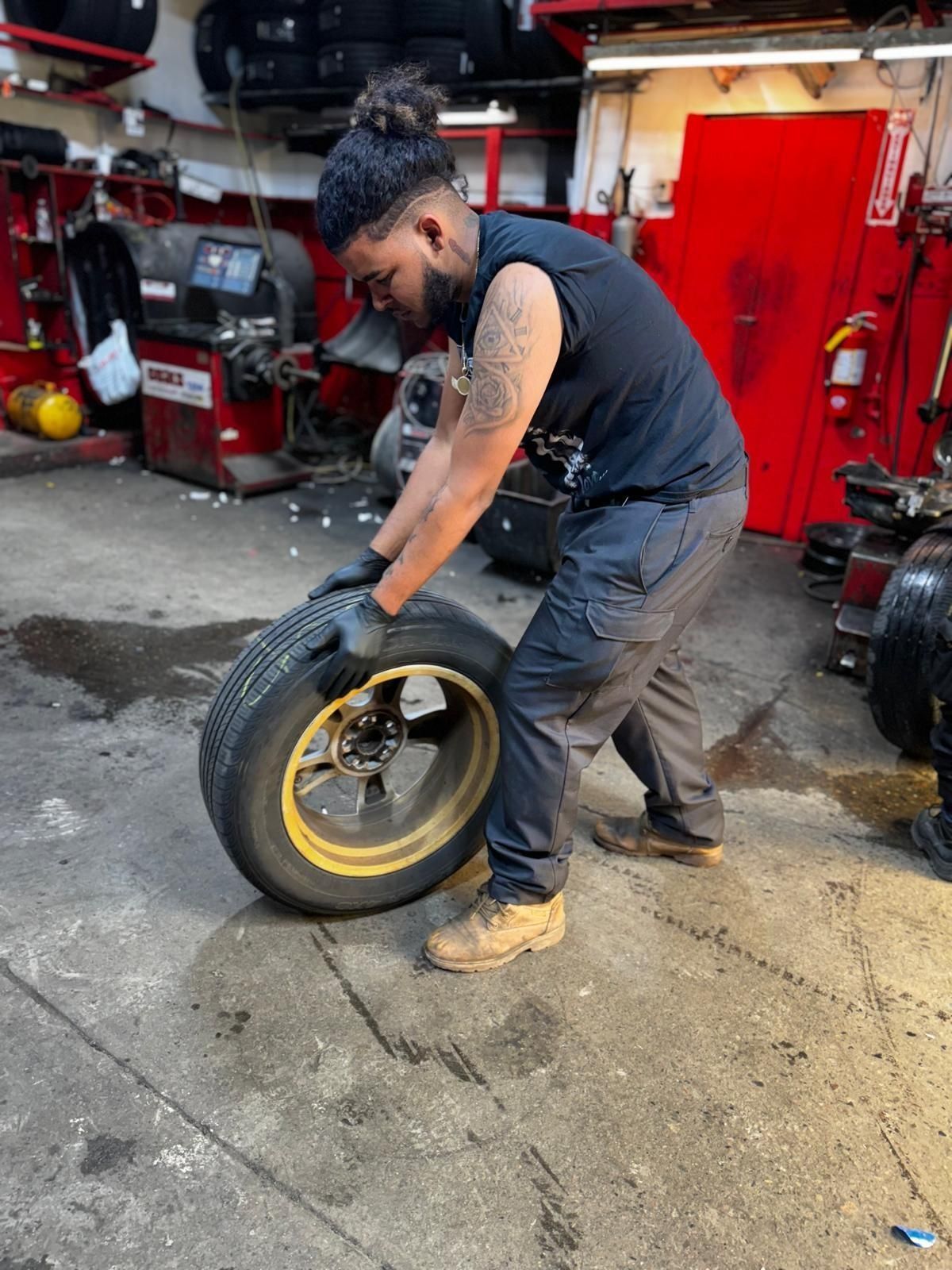
Mechanic in a garage holding a tire. He's wearing black gloves, a black shirt, and gray pants.
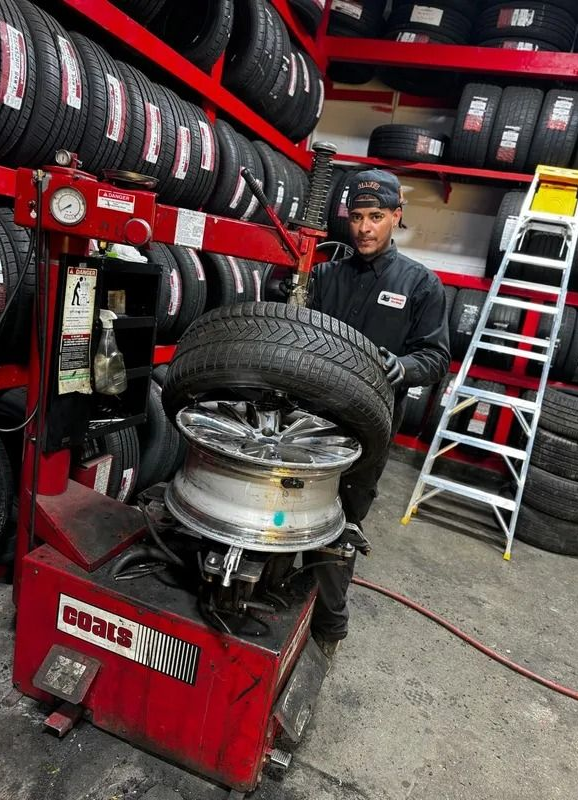
Man changing a tire in a shop, using a tire machine, surrounded by tire racks and a ladder.
September 23, 2026
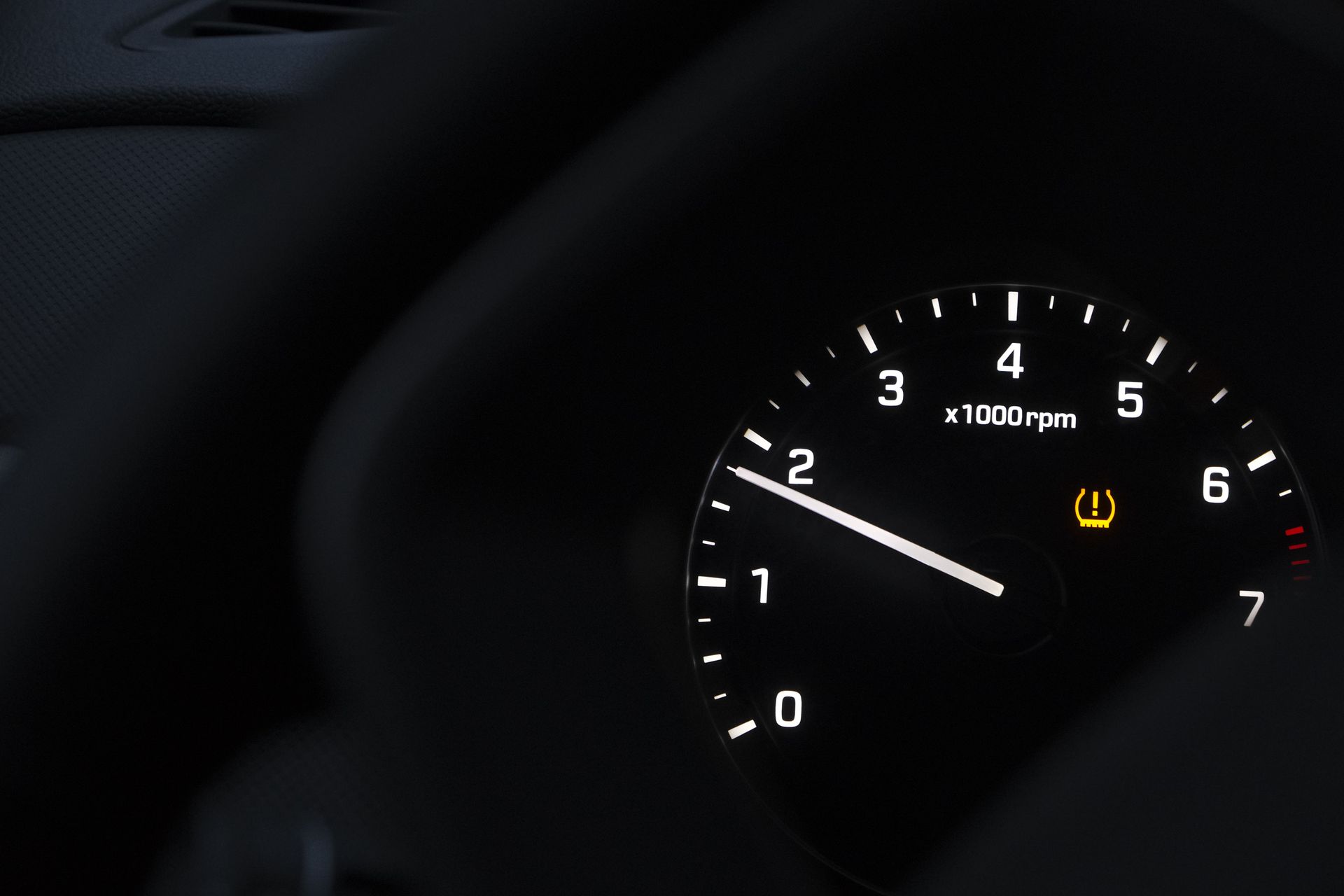
Most drivers are familiar with the tire pressure monitoring system , or TPMS, warning light. When it stays on steadily, it usually means one or more tires may be underinflated. A flashing TPMS light often means something different. Instead of simply warning about low tire pressure, a flashing light can indicate a problem with the monitoring system itself. That could involve a sensor, sensor battery, communication issue, or another TPMS-related fault.  Knowing the difference can help drivers avoid assuming that adding air will automatically solve the problem.
September 22, 2026
Tread depth is one of the first things drivers look at when deciding whether a tire still has life left. Deep grooves can make a tire appear healthy, especially if the vehicle is not driven very often. But tread is only part of the picture. Tires age even when they are not being used heavily. Over time, rubber compounds can harden, dry out, and become less flexible. That means an older tire may still have plenty of tread while no longer performing the way it did when it was newer. Rubber Changes With Age Tires are constantly exposed to oxygen, heat, sunlight, moisture, and changing temperatures. Those conditions gradually affect the rubber. As a tire ages, the material can lose some of its elasticity. That may reduce its ability to flex properly as it rolls and responds to the road. A tire that looks acceptable at a quick glance may therefore be significantly older than its appearance suggests. This is especially important for vehicles that accumulate very few miles each year.
September 11, 2026
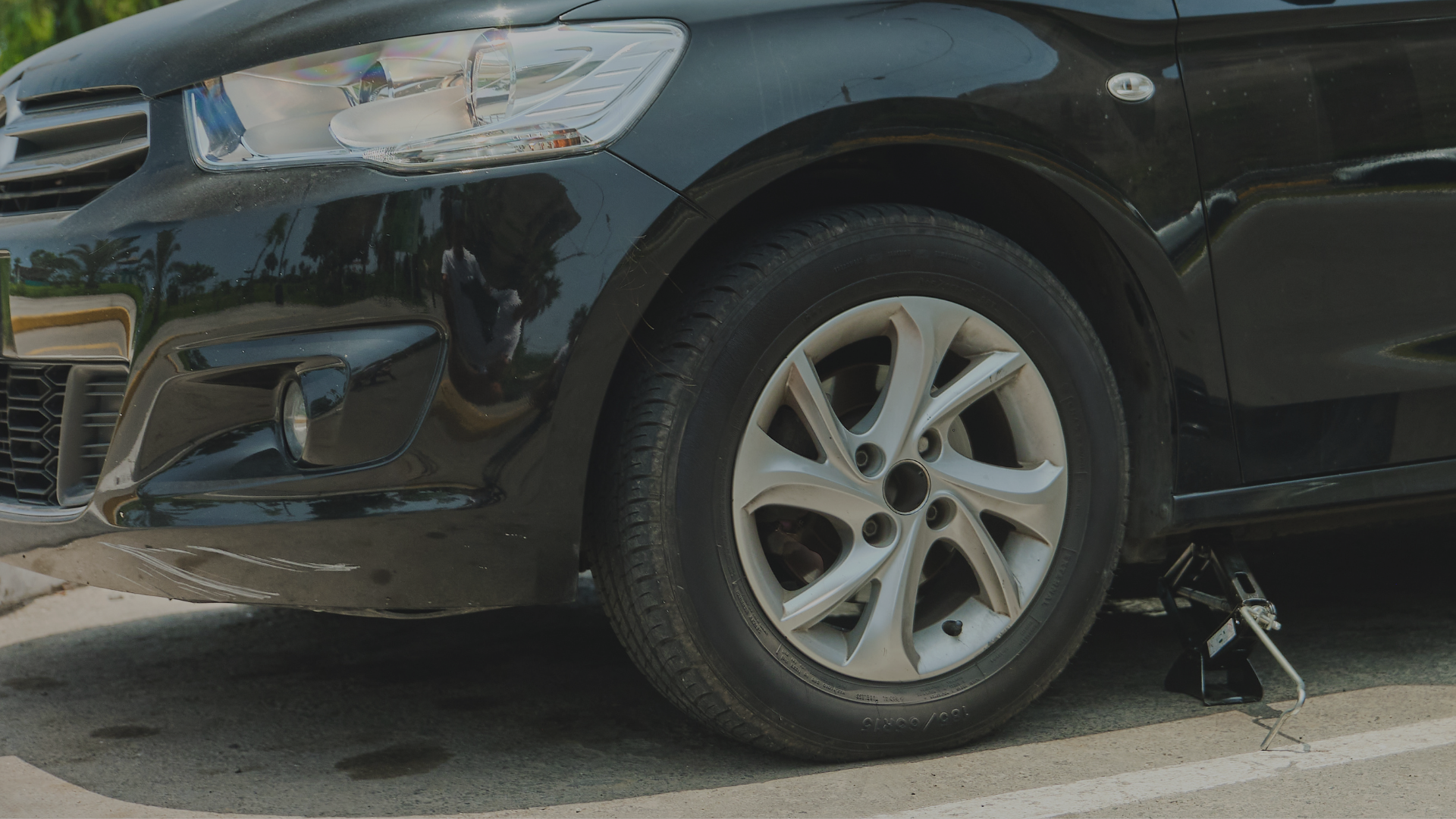
A flat tire does not always mean the tire has to be replaced. In many cases, a small puncture can be repaired safely and returned to service. The key is where the puncture occurred, how large it is, and whether the tire suffered additional damage while losing air. That is why a professional inspection matters. Two punctures that lo ok similar from the outside may require completely different solutions once the tire is removed and examined internally. Location Matters Most One of the first things a technician looks at is where the puncture is located. Damage in the central tread area is often the best candidate for repair. This part of the tire is designed to handle contact with the road and can sometimes be repaired when the puncture is small and otherwise straightforward. Punctures near the shoulder or sidewall are much more concerning.  These areas flex significantly while the tire is moving and cannot usually be repaired safely using standard puncture-repair methods. If a nail, screw, or other object damages the sidewall or outer shoulder, replacement is often the safer option.
September 6, 2026
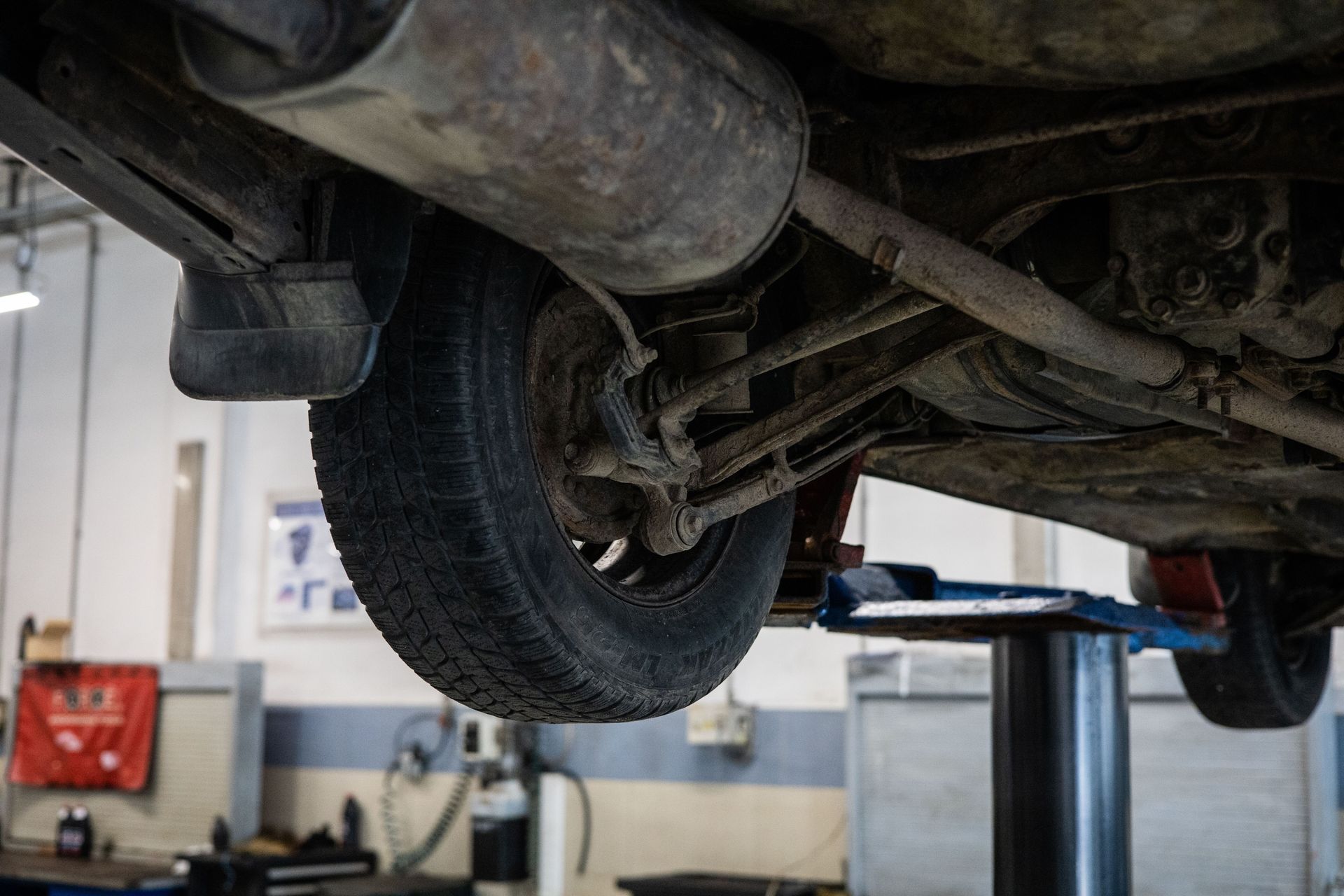
A wheel alignment can correct important steering and tire-angle settings, but the alignment itself depends on the suspension being in good mechanical condition. If ball joints, tie rods, control arm bushings, wheel bearings, or other components are worn, the wheels may not stay in the position the technician sets.  That is why some vehicles continue pulling , wearing tires unevenly, or developing an off-center steering wheel even after an alignment. In those cases, the problem may not be the alignment machine or the adjustment. It may be worn suspension or steering components underneath the vehicle.
August 28, 2026
When a tire repeatedly loses air but there is no obvious nail, screw, or visible puncture, the problem may be where the tire meets the wheel. This area is known as the tire bead, and a poor seal between the bead and the rim can allow air to escape gradually. Tire bead leaks are a common cause of slow pressure loss. Understanding why they happen can help drivers recognize when a tire needs professional inspection rather than repeatedly adding air. What Is the Tire Bead? The bead is the reinforced inner edge of the tire that sits tightly against the wheel rim. When a tire is properly mounted and inflated, air pressure helps hold the bead securely against the wheel, creating an airtight seal. If that sealing surface becomes damaged, dirty, corroded, or distorted, a small pathway can develop for air to escape.  Because these leaks may be very small, the tire can lose pressure over several days or weeks rather than going flat immediately.
August 23, 2026
A pothole impact can feel like a quick jolt, but the forces involved can affect several parts of the tire and wheel assembly. The faster the vehicle is moving, the less time the tire has to absorb the impact. In some cases, the damage is immediately obvious. In others, problems may not become noticeable until later. Raymond’s Tire Shop helps drivers inspect tires, wheels, balancing, and alignment after hard road impacts. Understanding what can happen during a pothole strike can make it easier to recognize when a tire needs professional attention. The Tire Is Compressed Extremely Quickly When a tire drops into a pothole and strikes the far edge, the sidewall and tread can be compressed between the road and the wheel. Tires are designed to flex, but a severe impact can exceed what the internal structure can safely absorb.  The risk can be greater when tire pressure is too low because there is less air cushioning between the road surface and the wheel. However, even a properly inflated tire can be damaged by a deep pothole at sufficient speed.