¿Qué significa normalmente una luz de TPMS que parpadea?

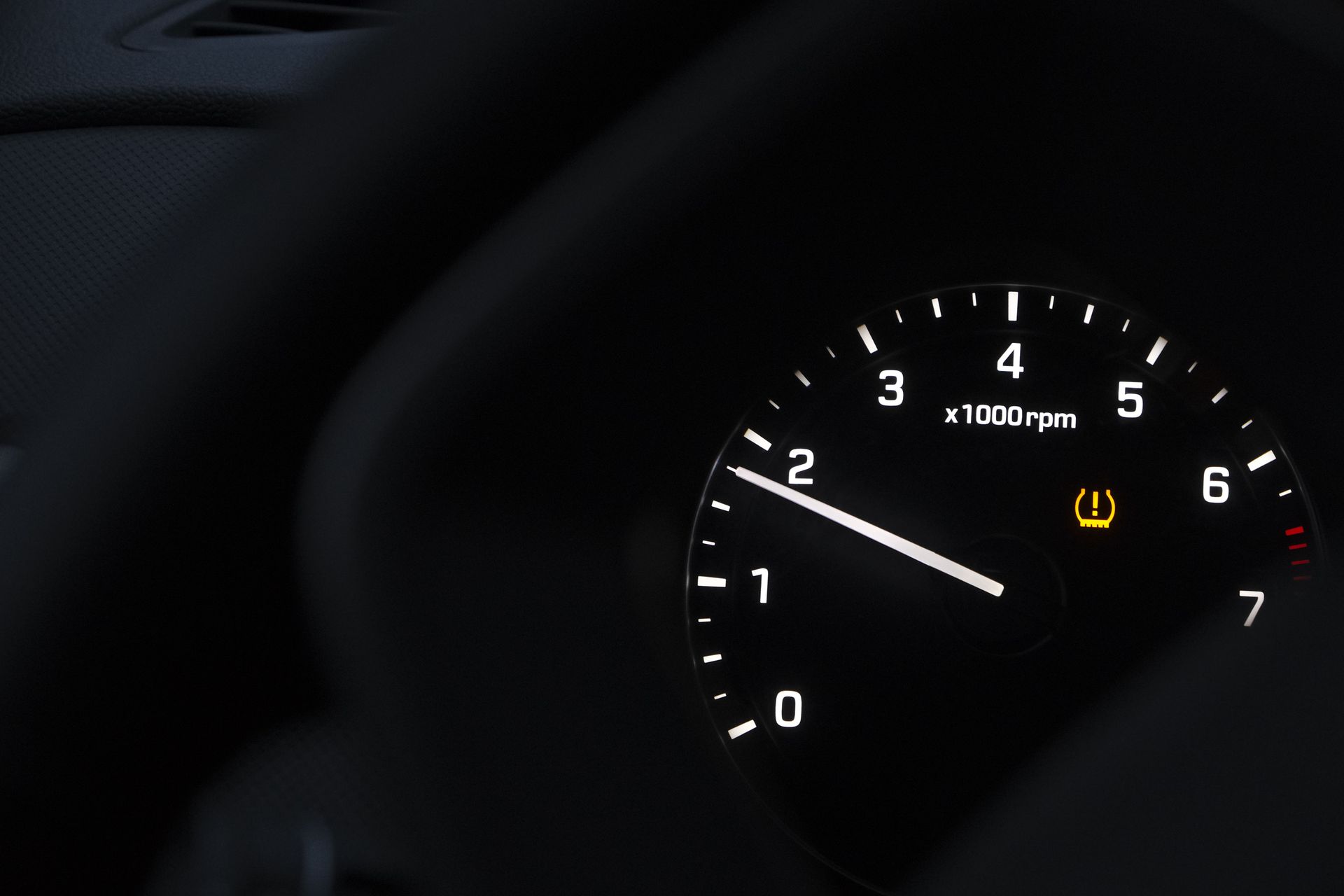
La mayoría de los conductores están familiarizados con la luz de advertencia del sistema de monitoreo de la presión de los neumáticos, o TPMS. Cuando permanece encendida de forma constante, generalmente significa que uno o más neumáticos pueden tener una presión de aire insuficiente.


Una luz de TPMS que parpadea suele significar algo diferente.


En lugar de simplemente advertir sobre una presión baja de los neumáticos, una luz que parpadea puede indicar un problema con el propio sistema de monitoreo. Esto podría estar relacionado con un sensor, la batería de un sensor, un problema de comunicación u otra falla relacionada con el TPMS.


Conocer la diferencia puede ayudar a los conductores a evitar asumir que agregar aire solucionará automáticamente el problema.
Assorted metallic flash drive connectors on a black reflective surface, with blue, silver, and gold accents

Una luz fija generalmente indica un problema de presión de los neumáticos

Una luz de advertencia del TPMS que permanece encendida generalmente está relacionada con una presión de los neumáticos que ha descendido por debajo del nivel establecido por el vehículo.


El clima frío, una fuga lenta, una perforación o la pérdida normal de presión con el paso del tiempo pueden activar la advertencia.


En esta situación, comprobar los cuatro neumáticos con un manómetro preciso es un buen primer paso.


La presión de inflado recomendada generalmente aparece en la etiqueta ubicada en el marco de la puerta del conductor o en el manual del propietario.

Car wheel with silver rim mounted on a balancing machine in a workshop, with a green bin and red tool chest nearby

Una luz que parpadea suele indicar una falla del sistema

Si la luz del TPMS parpadea durante un período de tiempo y luego permanece encendida, es posible que el sistema esté teniendo problemas para comunicarse con uno o más sensores.


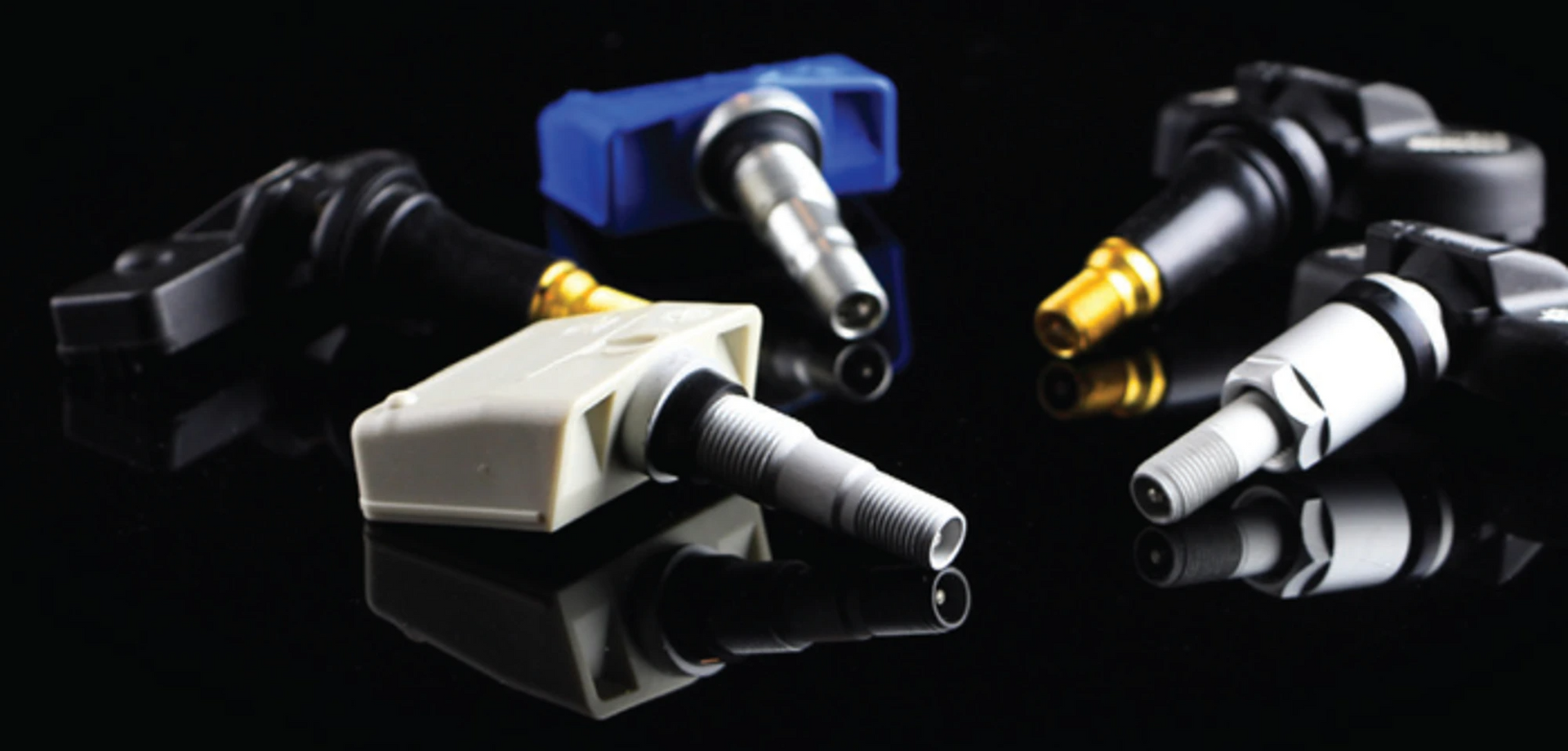
Cada rueda normalmente contiene un sensor que monitorea la presión de los neumáticos y envía información al vehículo.


Cuando uno de esos sensores deja de responder correctamente, el sistema puede activar una advertencia intermitente.


Esto es diferente de una simple condición de baja presión, ya que es posible que el vehículo ya no esté recibiendo información confiable de la rueda afectada.
Close-up of a car’s rear wheel and chrome hubcap parked by a curb.

Las baterías de los sensores no duran para siempre

Los sensores del TPMS funcionan con pequeñas baterías internas.


Estas baterías generalmente no están diseñadas para reemplazarse por separado. Cuando la batería se debilita o deja de funcionar, puede ser necesario reemplazar el propio sensor.


Debido a que estas baterías pueden durar varios años, los conductores a veces encuentran este problema por primera vez en un vehículo más antiguo o después de varios años de uso normal.


Un solo sensor defectuoso puede ser suficiente para activar la advertencia.

Close-up of a car tire on a road at sunset, with trees and grass in the background

El servicio de neumáticos a veces puede revelar problemas con el TPMS

Una luz de TPMS que parpadea también puede aparecer después de reemplazar neumáticos, reemplazar ruedas, rotar los neumáticos o realizar trabajos en los sensores.


Algunos vehículos requieren que los sensores se vuelvan a registrar o se reprogramen después de ciertos procedimientos.


Si un sensor se dañó durante un trabajo anterior en los neumáticos o un sensor nuevo no fue reconocido correctamente por el vehículo, la advertencia puede permanecer activa.


Por eso, el servicio del TPMS a menudo requiere más que simplemente comprobar la presión de aire. Es posible que un técnico deba escanear los sensores y verificar que cada uno esté transmitiendo correctamente.

Close-up of a car tire with low tread, resting on rough pavement.

Los cambios de ruedas pueden afectar el sistema

Los conductores que cambian entre diferentes juegos de ruedas también pueden encontrarse con advertencias del TPMS.


Si las ruedas alternativas no tienen sensores compatibles, o si el vehículo no ha registrado los nuevos identificadores de los sensores, es posible que el sistema no funcione normalmente.


Esto es especialmente común cuando se instalan ruedas de temporada o ruedas de repuesto del mercado secundario.


Los neumáticos pueden tener la presión adecuada, aunque el sistema de monitoreo esté indicando una falla.

Close-up of a worn black tire with visible tread and cracks on a vehicle

No ignore la presión real de los neumáticos

Una luz de advertencia que parpadea no significa que se pueda ignorar la presión de los neumáticos.


Si el sistema TPMS presenta una falla, es posible que no pueda advertirle cuando un neumático realmente tenga una presión baja. Esto hace que las comprobaciones manuales de presión sean aún más importantes hasta que se repare el sistema.


Conducir con un neumático con presión insuficiente puede aumentar la acumulación de calor, acelerar el desgaste, afectar el manejo y reducir la eficiencia del combustible. El TPMS es útil, pero nunca debe reemplazar la inspección periódica de los neumáticos.


Un escaneo puede ayudar a identificar el problema

El diagnóstico de una falla del TPMS generalmente implica revisar algo más que la luz del tablero.


Un técnico puede verificar la presión de los neumáticos, escanear los sensores individuales, inspeccionar si hay vástagos de válvula dañados, confirmar la comunicación de los sensores y determinar si el vehículo necesita un nuevo proceso de registro o programación.


Esto ayuda a evitar el reemplazo innecesario de sensores y permite determinar si el problema realmente se encuentra en el sistema TPMS.
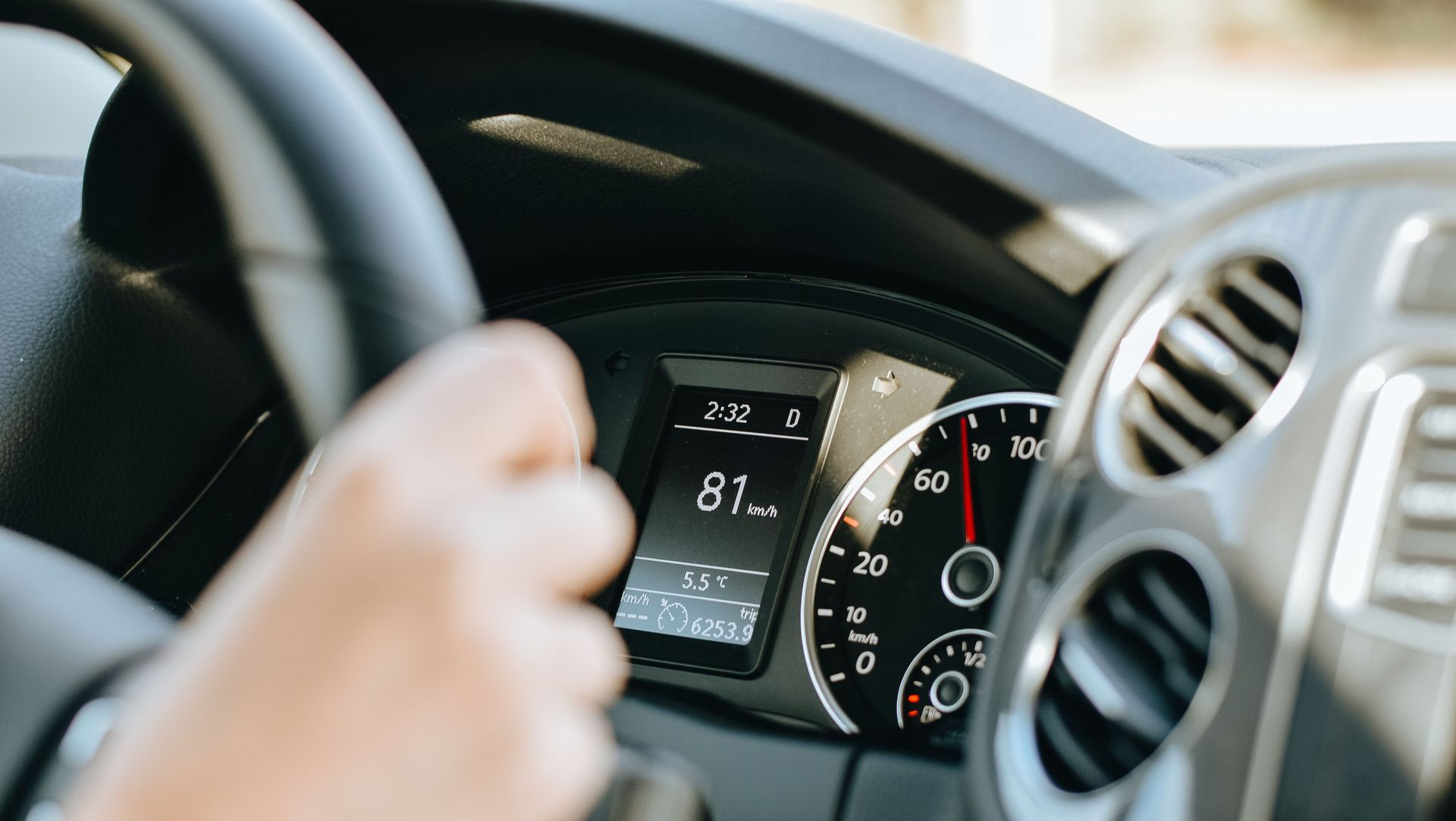
Driver holding steering wheel inside a car, with dashboard speedometer and air vent visible.

Haga revisar la advertencia

Una luz de TPMS que parpadea generalmente requiere más atención que simplemente agregar aire y continuar conduciendo.


Puede indicar que uno o más sensores ya no se están comunicando correctamente, lo que significa que el sistema podría no ser capaz de monitorear la presión de los neumáticos con precisión.


Raymond’s Tire Shop ofrece servicios de neumáticos, comprobaciones de presión, diagnóstico del TPMS, balanceo, alineación, reparación de neumáticos pinchados y servicios para ruedas.


Si la luz de TPMS de su vehículo está parpadeando o vuelve a aparecer repetidamente después de ajustar la presión de los neumáticos, comuníquese con Raymond’s Tire Shop para realizar una inspección. Identificar la causa puede ayudar a restablecer el funcionamiento del sistema y garantizar que reciba advertencias confiables sobre la presión de los neumáticos cuando las necesite.
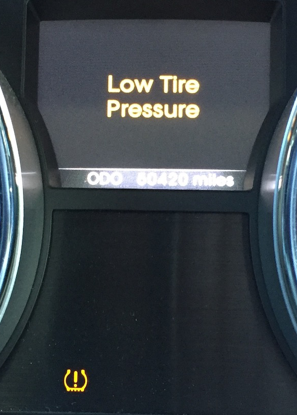
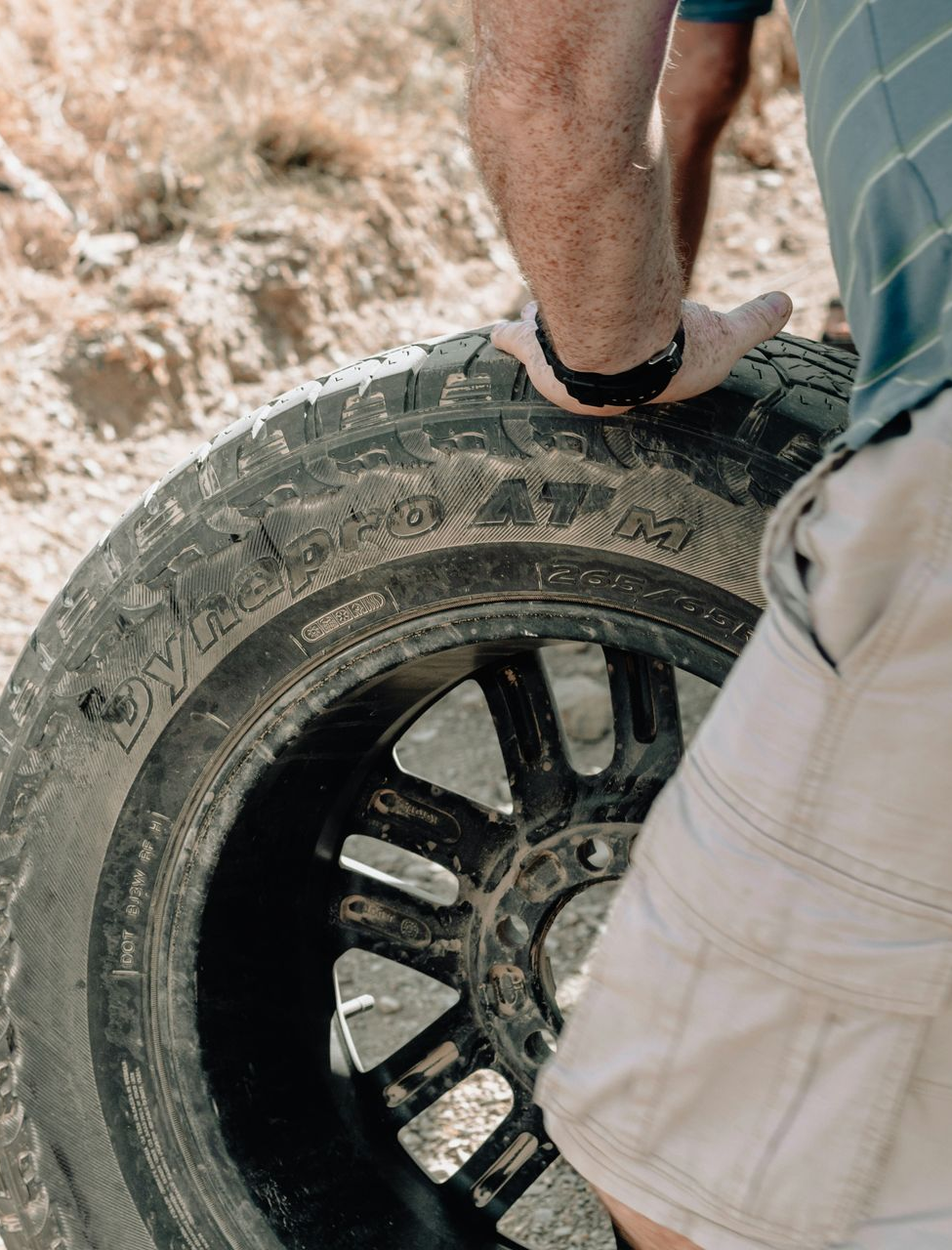
Car dashboard warning light and display reading “Low Tire Pressure” in yellow.
Person mounting a black tire on a vehicle wheel in a dusty outdoor setting
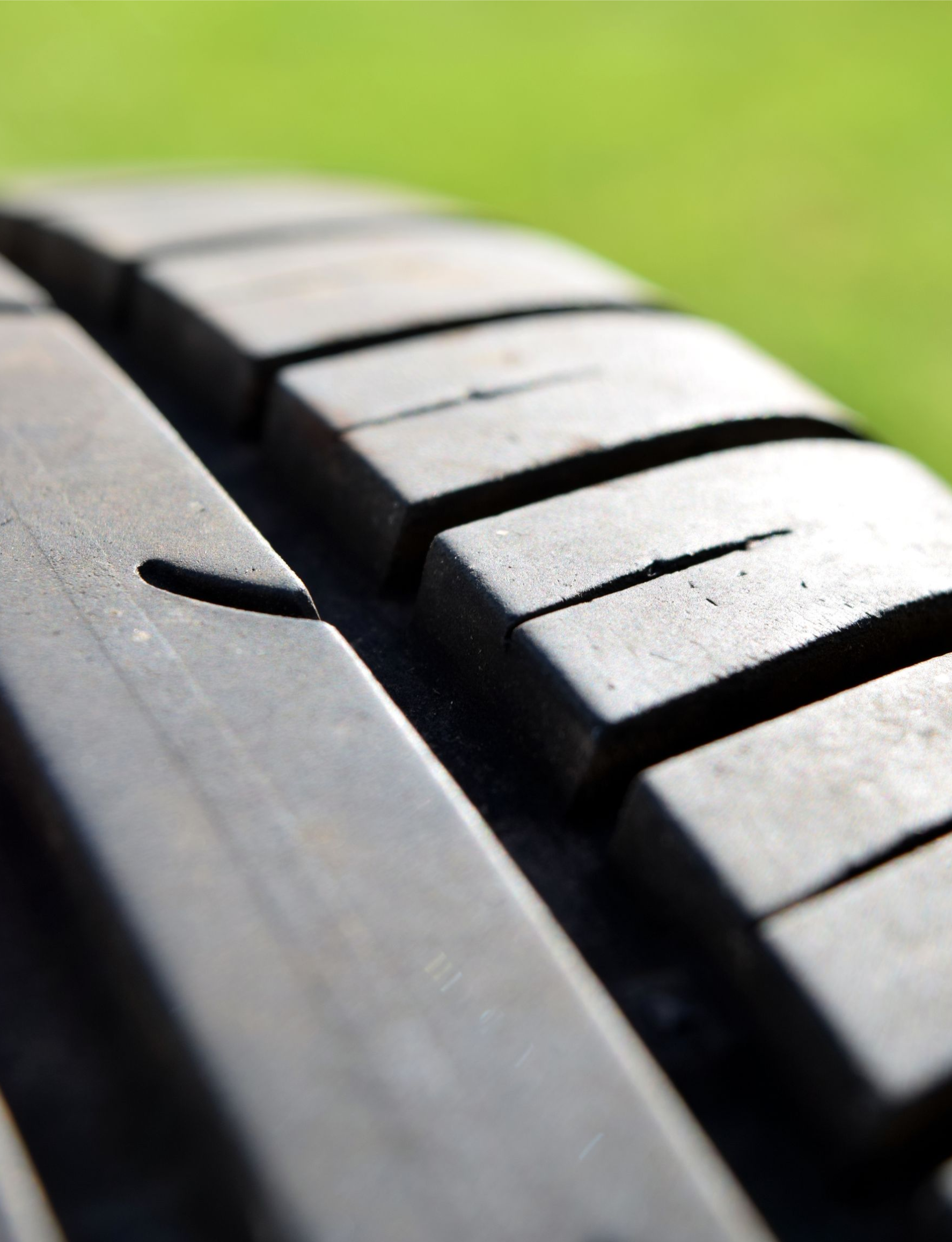
Close-up of a black tire tread with grooves, against a blurred green background
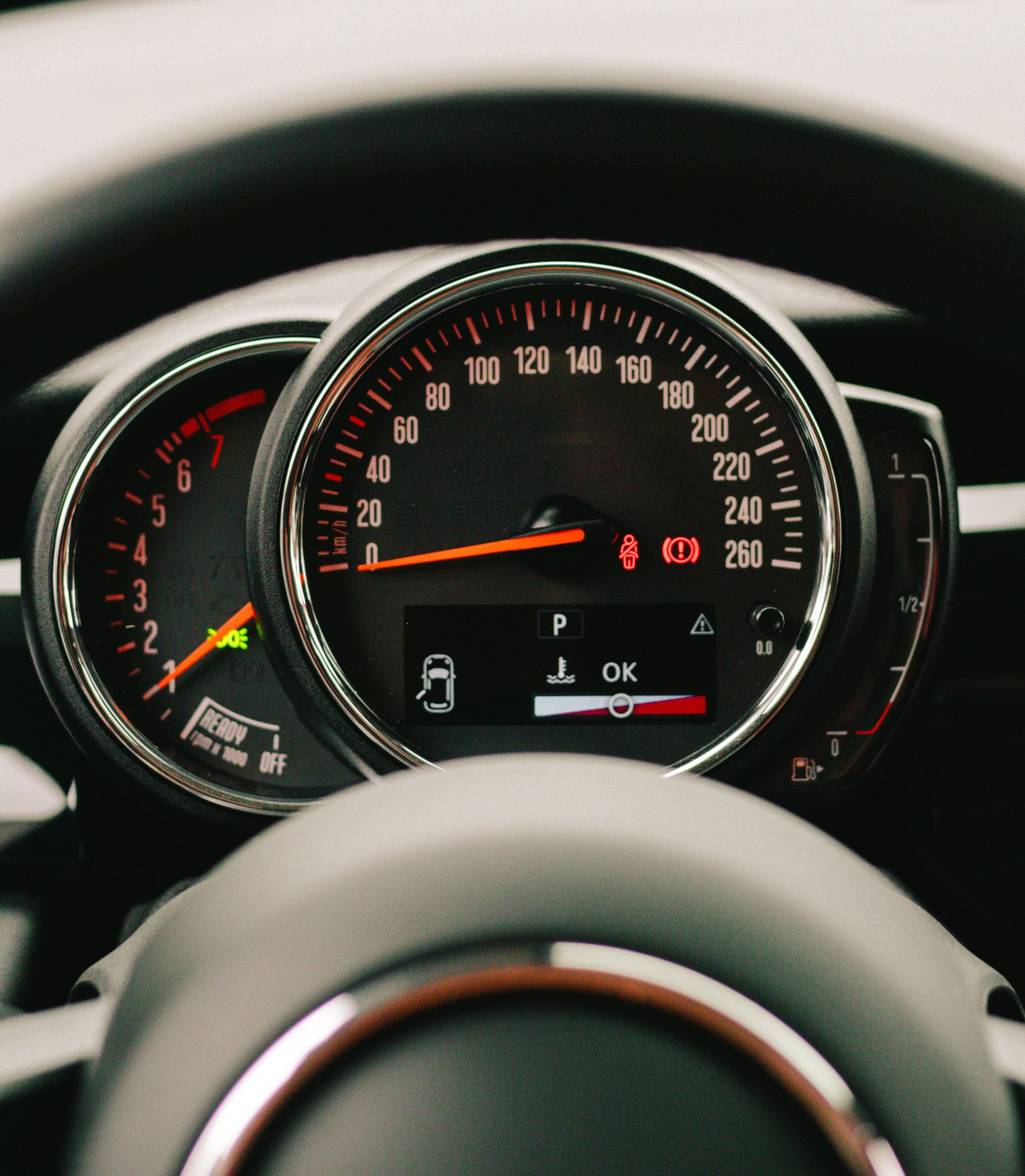
Car dashboard with illuminated speedometer and gauges behind the steering wheel
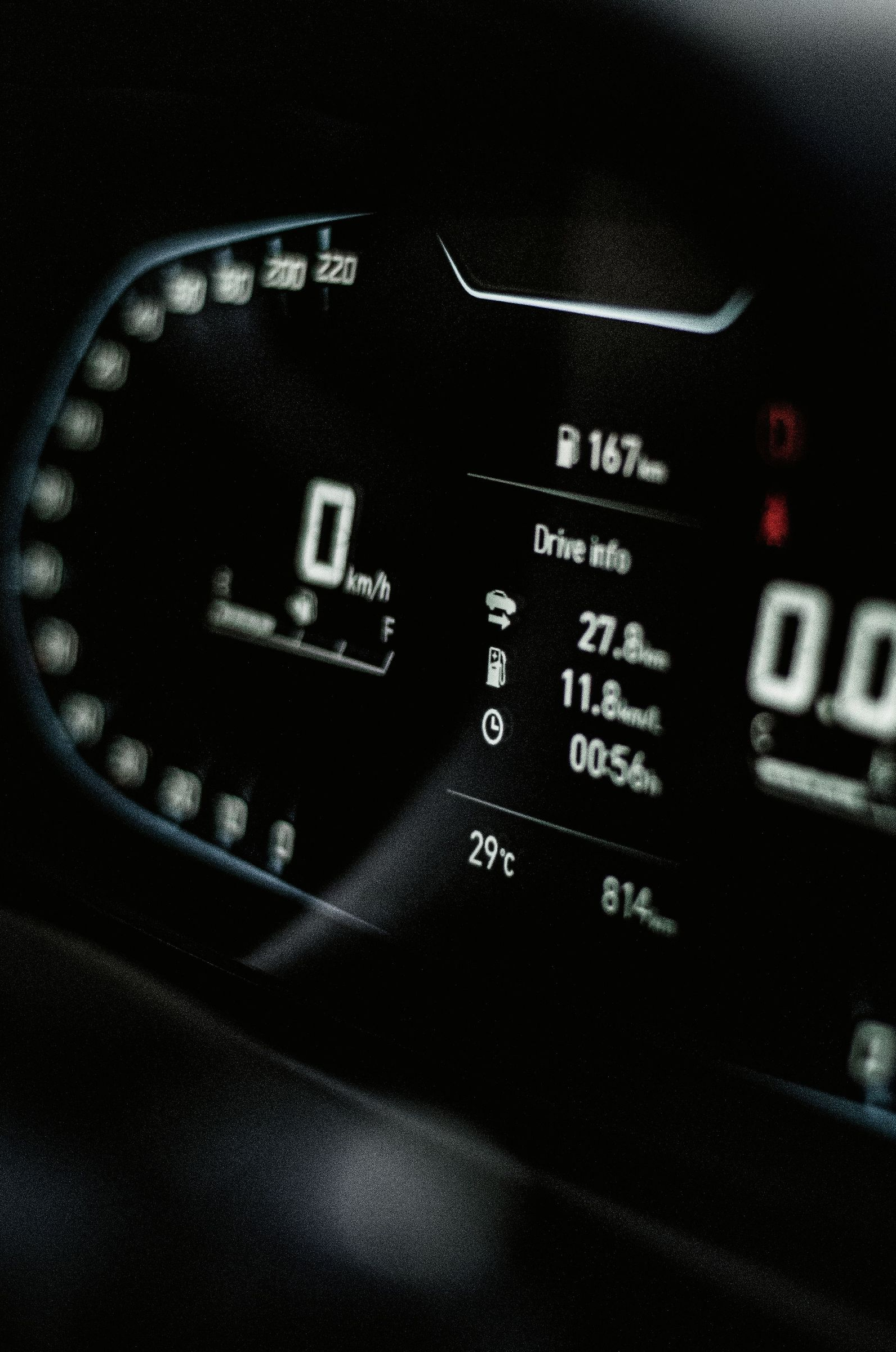
Car dashboard digital instrument cluster showing speed, fuel, and driving range at night
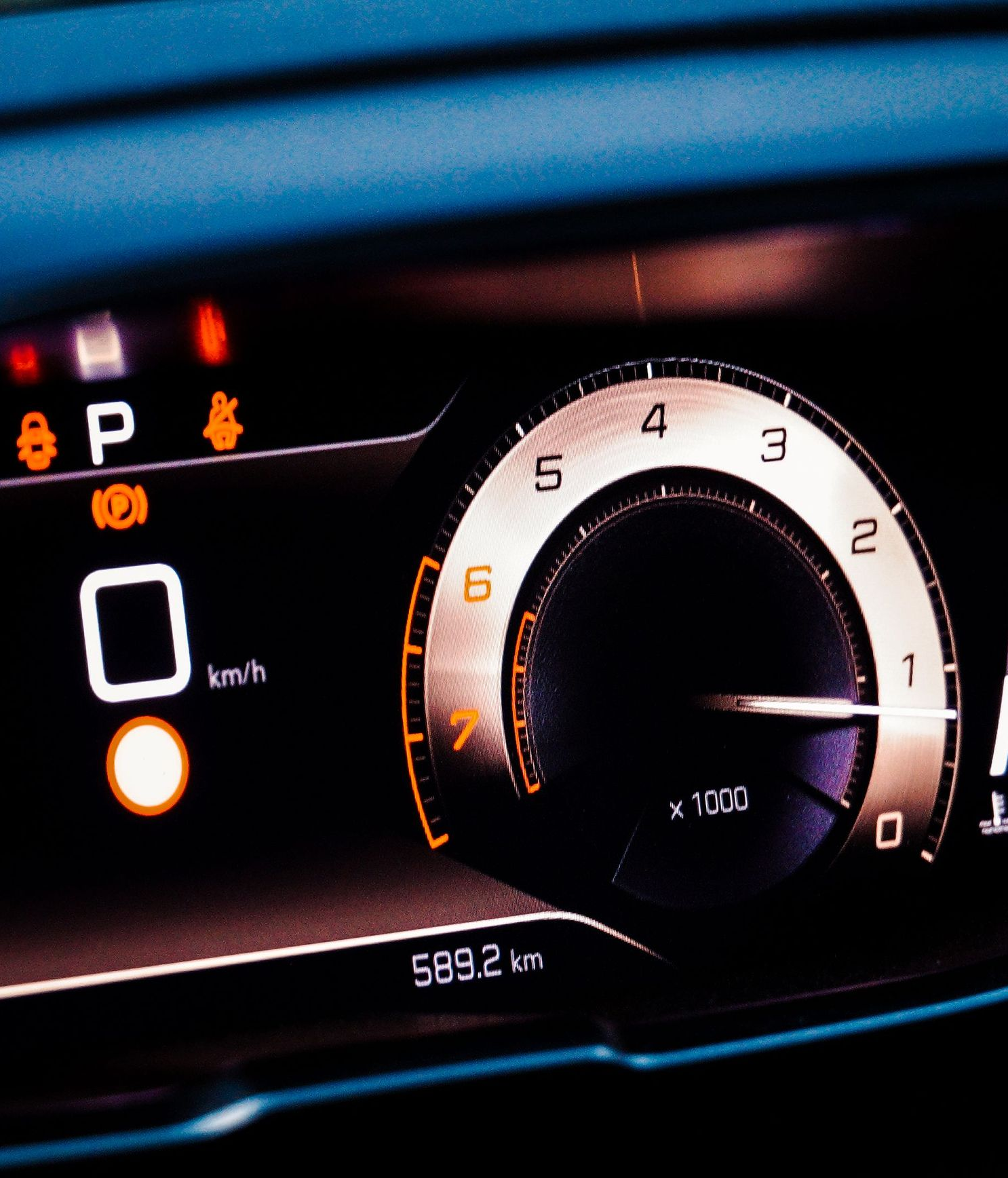
Car dashboard at night showing speedometer, warning lights, and gear in park, with 59,212 km on odometer
Close-up of a black car tire and silver alloy wheel rim
Stacks of used car tires piled in rows outdoors.
September 23, 2026
Most drivers are familiar with the tire pressure monitoring system , or TPMS, warning light. When it stays on steadily, it usually means one or more tires may be underinflated. A flashing TPMS light often means something different. Instead of simply warning about low tire pressure, a flashing light can indicate a problem with the monitoring system itself. That could involve a sensor, sensor battery, communication issue, or another TPMS-related fault.  Knowing the difference can help drivers avoid assuming that adding air will automatically solve the problem.
September 22, 2026
Tread depth is one of the first things drivers look at when deciding whether a tire still has life left. Deep grooves can make a tire appear healthy, especially if the vehicle is not driven very often. But tread is only part of the picture. Tires age even when they are not being used heavily. Over time, rubber compounds can harden, dry out, and become less flexible. That means an older tire may still have plenty of tread while no longer performing the way it did when it was newer. Rubber Changes With Age Tires are constantly exposed to oxygen, heat, sunlight, moisture, and changing temperatures. Those conditions gradually affect the rubber. As a tire ages, the material can lose some of its elasticity. That may reduce its ability to flex properly as it rolls and responds to the road. A tire that looks acceptable at a quick glance may therefore be significantly older than its appearance suggests. This is especially important for vehicles that accumulate very few miles each year.
September 11, 2026
A flat tire does not always mean the tire has to be replaced. In many cases, a small puncture can be repaired safely and returned to service. The key is where the puncture occurred, how large it is, and whether the tire suffered additional damage while losing air. That is why a professional inspection matters. Two punctures that lo ok similar from the outside may require completely different solutions once the tire is removed and examined internally. Location Matters Most One of the first things a technician looks at is where the puncture is located. Damage in the central tread area is often the best candidate for repair. This part of the tire is designed to handle contact with the road and can sometimes be repaired when the puncture is small and otherwise straightforward. Punctures near the shoulder or sidewall are much more concerning.  These areas flex significantly while the tire is moving and cannot usually be repaired safely using standard puncture-repair methods. If a nail, screw, or other object damages the sidewall or outer shoulder, replacement is often the safer option.
September 6, 2026
A wheel alignment can correct important steering and tire-angle settings, but the alignment itself depends on the suspension being in good mechanical condition. If ball joints, tie rods, control arm bushings, wheel bearings, or other components are worn, the wheels may not stay in the position the technician sets.  That is why some vehicles continue pulling , wearing tires unevenly, or developing an off-center steering wheel even after an alignment. In those cases, the problem may not be the alignment machine or the adjustment. It may be worn suspension or steering components underneath the vehicle.
August 28, 2026
When a tire repeatedly loses air but there is no obvious nail, screw, or visible puncture, the problem may be where the tire meets the wheel. This area is known as the tire bead, and a poor seal between the bead and the rim can allow air to escape gradually. Tire bead leaks are a common cause of slow pressure loss. Understanding why they happen can help drivers recognize when a tire needs professional inspection rather than repeatedly adding air. What Is the Tire Bead? The bead is the reinforced inner edge of the tire that sits tightly against the wheel rim. When a tire is properly mounted and inflated, air pressure helps hold the bead securely against the wheel, creating an airtight seal. If that sealing surface becomes damaged, dirty, corroded, or distorted, a small pathway can develop for air to escape.  Because these leaks may be very small, the tire can lose pressure over several days or weeks rather than going flat immediately.
August 23, 2026
A pothole impact can feel like a quick jolt, but the forces involved can affect several parts of the tire and wheel assembly. The faster the vehicle is moving, the less time the tire has to absorb the impact. In some cases, the damage is immediately obvious. In others, problems may not become noticeable until later. Raymond’s Tire Shop helps drivers inspect tires, wheels, balancing, and alignment after hard road impacts. Understanding what can happen during a pothole strike can make it easier to recognize when a tire needs professional attention. The Tire Is Compressed Extremely Quickly When a tire drops into a pothole and strikes the far edge, the sidewall and tread can be compressed between the road and the wheel. Tires are designed to flex, but a severe impact can exceed what the internal structure can safely absorb.  The risk can be greater when tire pressure is too low because there is less air cushioning between the road surface and the wheel. However, even a properly inflated tire can be damaged by a deep pothole at sufficient speed.