Why Tire Rotation Is Critical for Even Wear

Tires are one of the most important components of any vehicle, yet they are often overlooked until a problem develops. While many drivers understand the importance of maintaining proper tire pressure or replacing worn tires, fewer recognize the value of regular tire rotation. Tire rotation is a simple maintenance step, but it plays a major role in extending tire life, improving performance, and maintaining overall vehicle safety.


Understanding why tire rotation matters can help drivers protect their investment and ensure their vehicle continues to perform as expected.
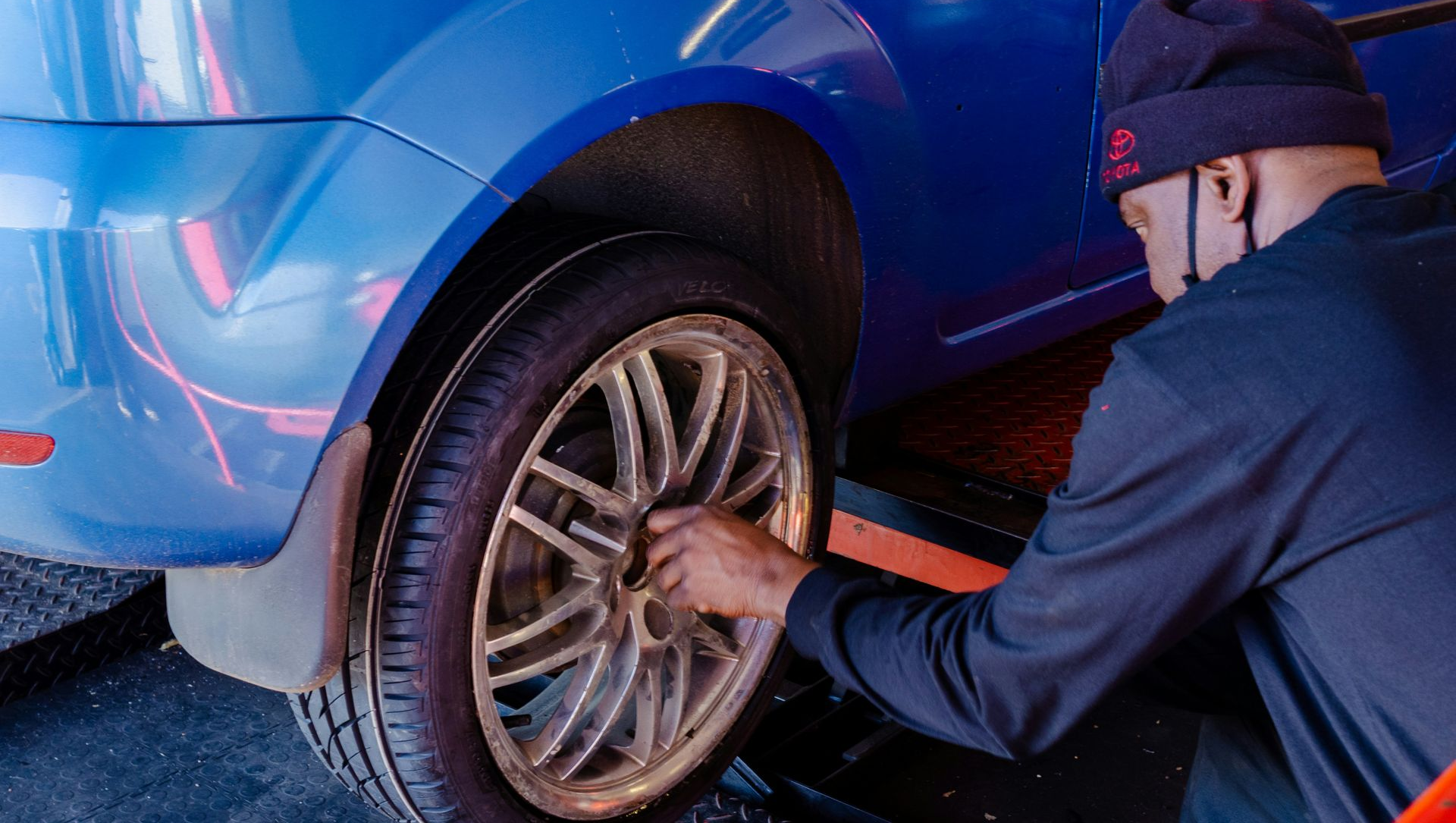
A person in a dark uniform and beanie works on the rear wheel of a blue car in an auto shop.

What Tire Rotation Means

Tire rotation involves moving tires from one position on the vehicle to another according to a specific pattern. This process allows each tire to experience different driving forces over time.


For example, the front tires on most vehicles handle steering and a significant portion of braking forces. As a result, they tend to wear more quickly than rear tires. By rotating tires regularly, wear is distributed more evenly across all four tires.


This helps prevent one set of tires from wearing out significantly faster than the others.
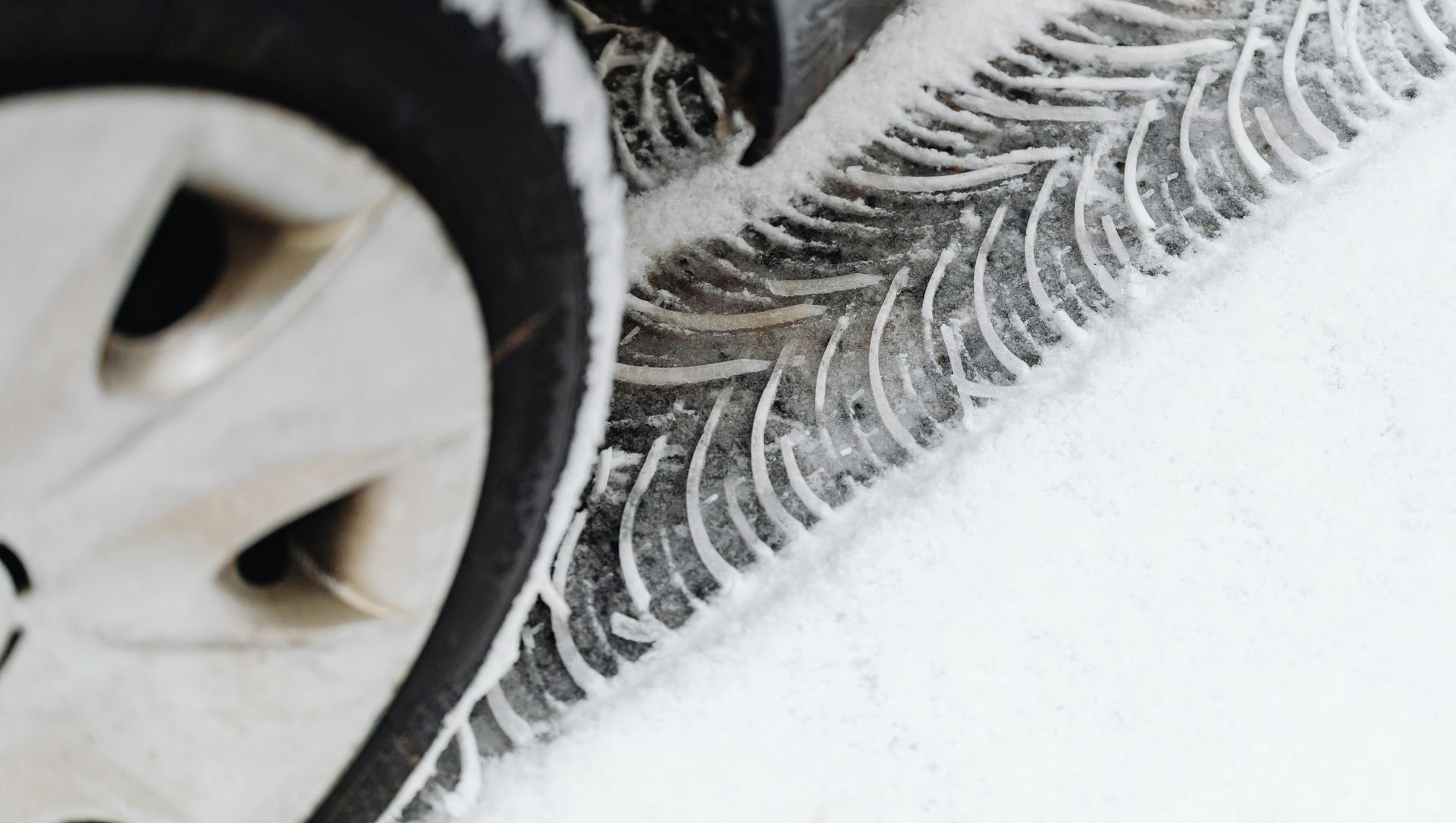
A car tire with a deep, directional tread pattern driving through fresh, white snow, leaving a clear track behind it.

Why Tires Wear Unevenly

Tires do not wear at the same rate because each position on a vehicle places different demands on them. Front tires are often subjected to more stress due to steering and weight distribution. Rear tires may experience less wear but still face unique forces depending on the type of vehicle.


Driving habits also influence tire wear. Frequent braking, sharp turns, and rapid acceleration can cause certain tires to wear more quickly. Road conditions, including rough pavement and potholes, also contribute to uneven wear patterns.


Without regular rotation, these differences can become more pronounced over time.
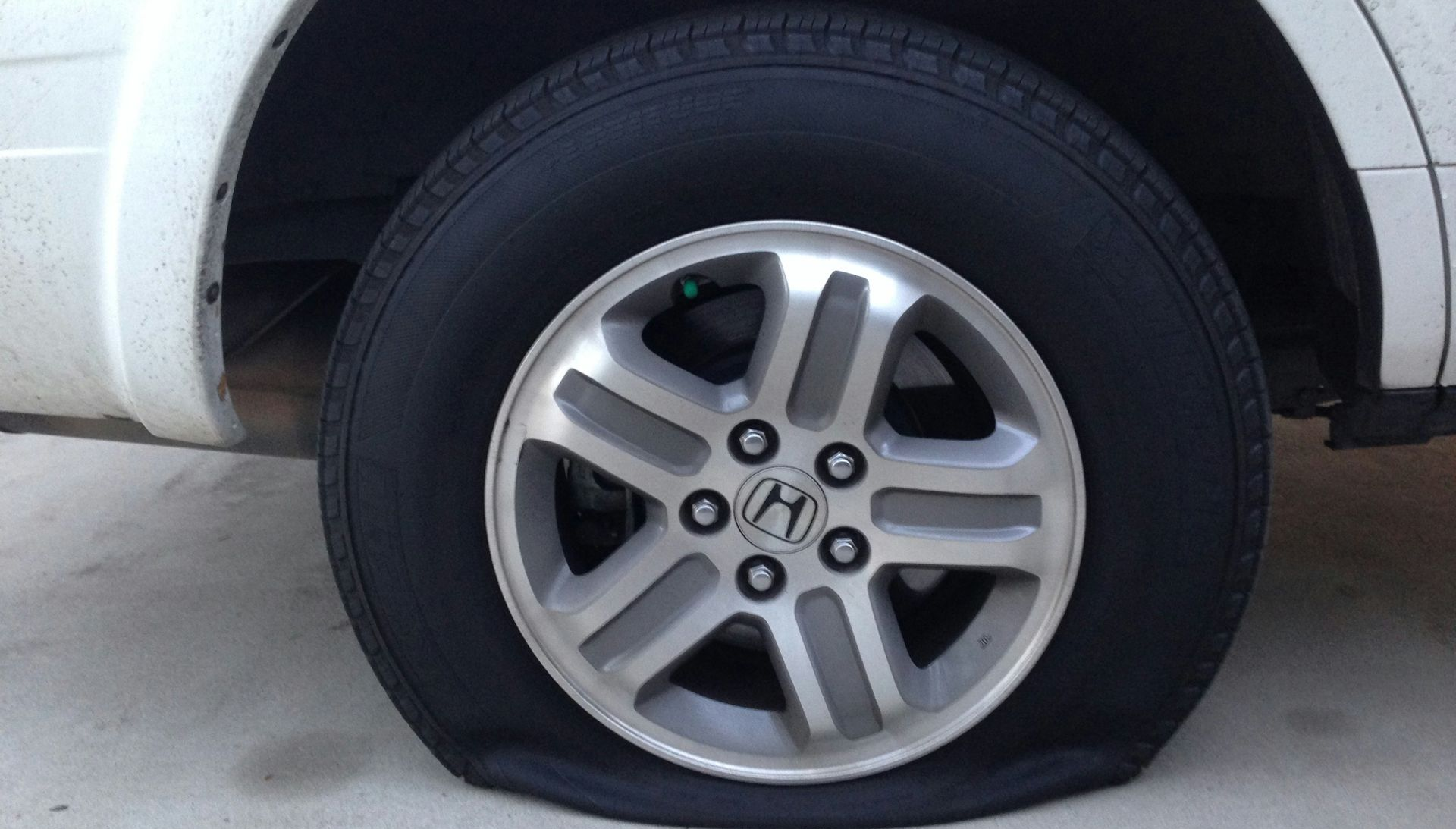
A white vehicle with a flat tire resting on a concrete surface.

The Benefits of Even Tire Wear

Even tire wear is essential for maintaining consistent performance. When all four tires wear at a similar rate, the vehicle maintains balanced traction and handling.


Uneven wear can lead to reduced grip on the road, especially in wet or slippery conditions. It may also affect braking performance, making it harder for the vehicle to stop quickly and safely.


By rotating tires regularly, drivers can help ensure that all tires contribute equally to the vehicle’s performance.


Extending Tire Lifespan

One of the most practical benefits of tire rotation is extending the lifespan of the tires. When wear is distributed evenly, no single tire becomes excessively worn before the others.


This allows drivers to replace all four tires at the same time rather than replacing individual tires prematurely. Over time, this can lead to cost savings and more predictable maintenance schedules.


Regular rotation helps maximize the value of each tire by ensuring that it wears evenly throughout its lifespan.
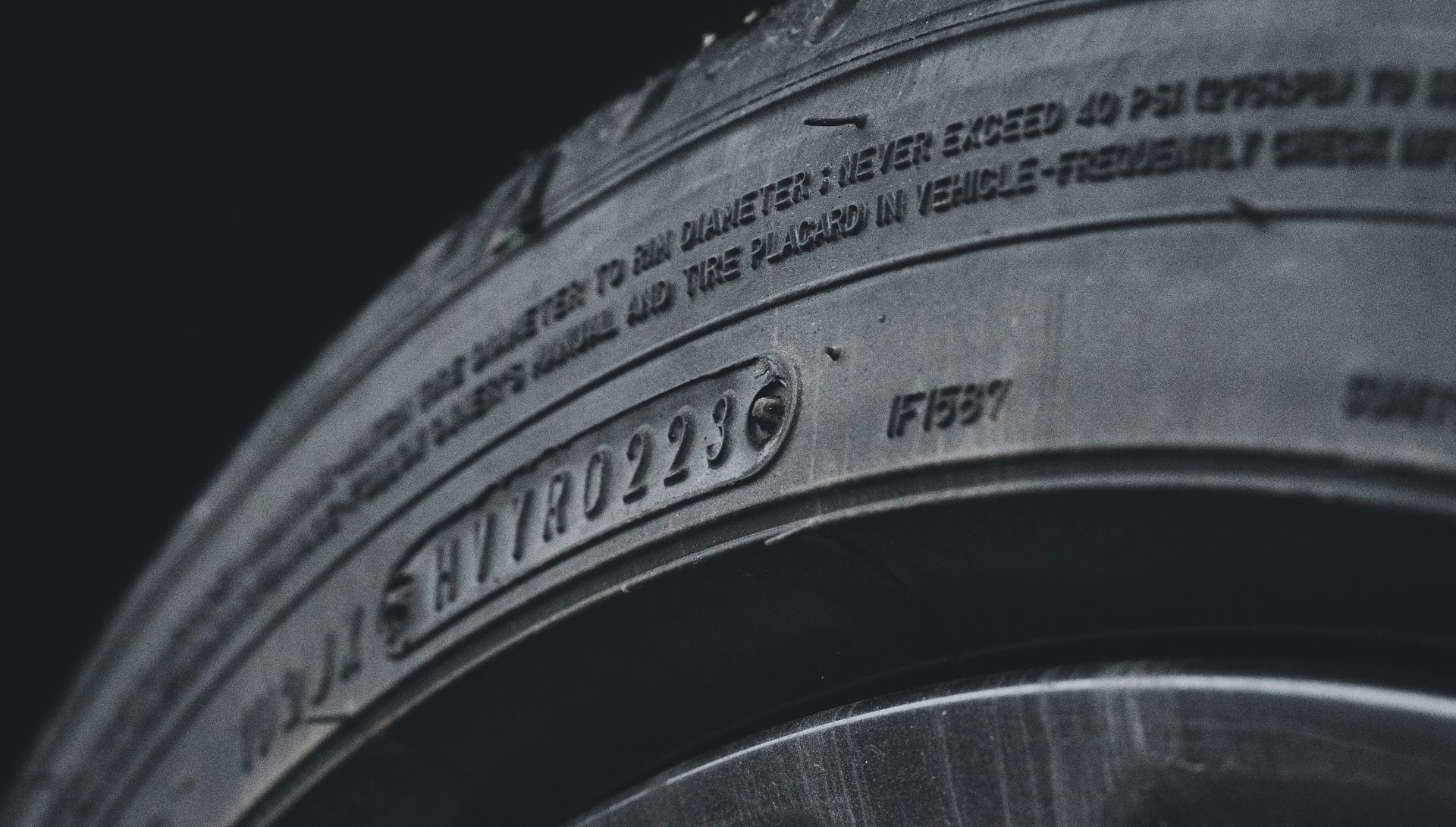
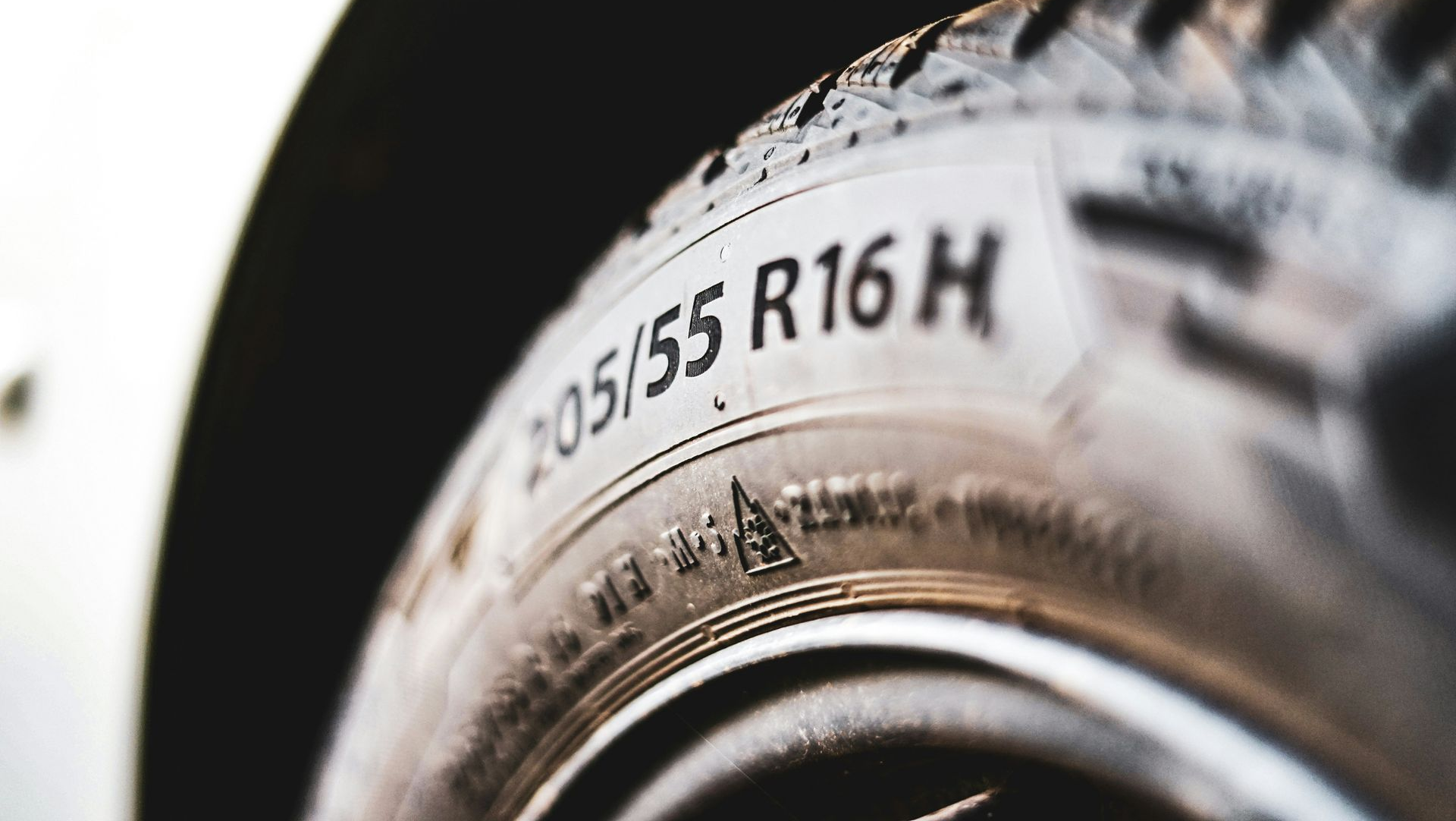
Close-up of a black tire sidewall highlighting the alphanumeric manufacturing and safety code markings.

Supporting Overall Vehicle Performance

Tires play a direct role in how a vehicle handles, accelerates, and stops. Maintaining even wear helps ensure that the vehicle performs consistently in all driving conditions.


When tires wear unevenly, it can place additional strain on other components such as the suspension and alignment systems. Over time, this may lead to additional maintenance needs.


Regular tire rotation supports the overall health of the vehicle by reducing unnecessary stress on these components.


When to Rotate Tires

Most manufacturers recommend rotating tires every 5,000 to 7,500 miles, although this can vary depending on the vehicle and driving conditions. Many drivers choose to rotate their tires during routine maintenance visits, such as oil changes.


Following a consistent rotation schedule helps prevent uneven wear from developing and keeps tires performing as intended.
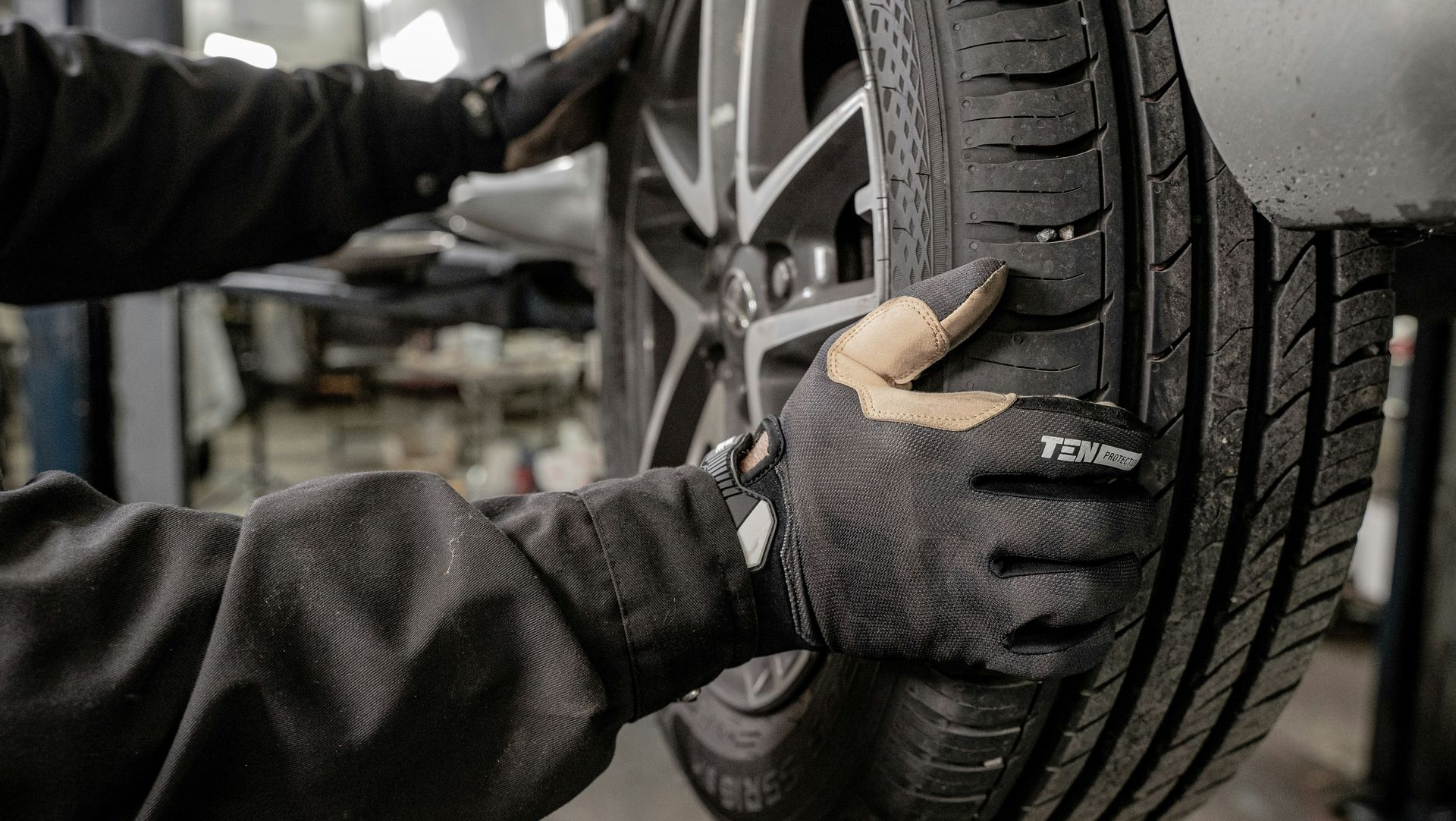
A mechanic in black workwear and gloves inspecting a car tire at a repair shop.

Professional Tire Service Matters

While tire rotation is a straightforward process, it is important that it is performed correctly. Different vehicles require different rotation patterns based on factors such as tire type and drivetrain configuration.


At Raymond’s Tire Shop, we provide professional tire rotation services designed to keep your tires wearing evenly and performing at their best. Our team ensures that each tire is positioned correctly and inspected for signs of wear or damage during the process.


A Simple Step with Lasting Benefits

Tire rotation is a simple maintenance task, but it has a lasting impact on safety, performance, and cost. By keeping wear even across all four tires, drivers can extend tire life, improve handling, and maintain a smoother ride.


Regular rotation is a small investment of time that helps protect one of the most important parts of your vehicle.
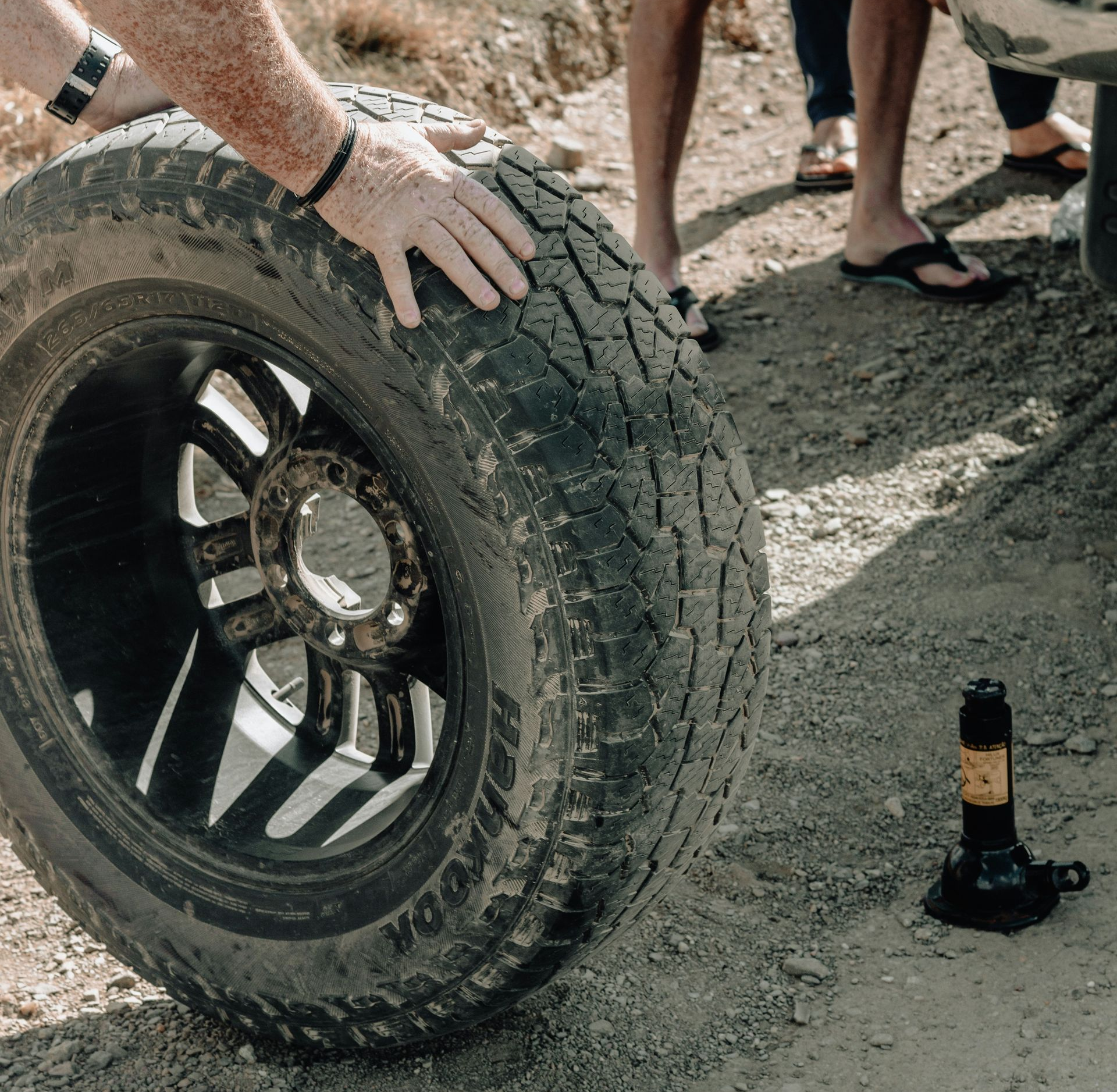
Two people changing a vehicle tire on a dirt road, with a jack positioned on the ground nearby.
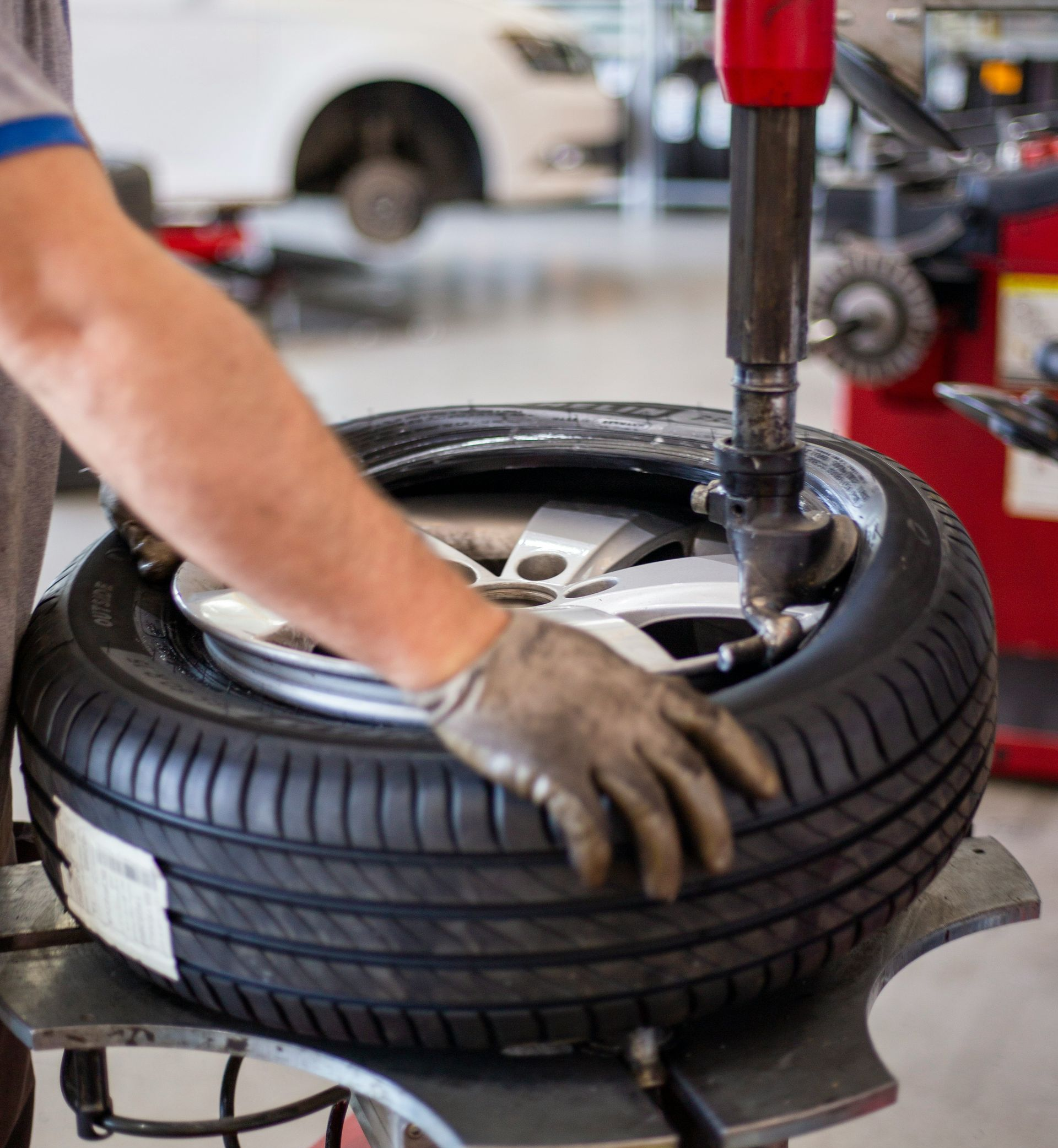
A technician wearing a glove uses a tire changing machine to mount a tire onto a car wheel in a workshop.
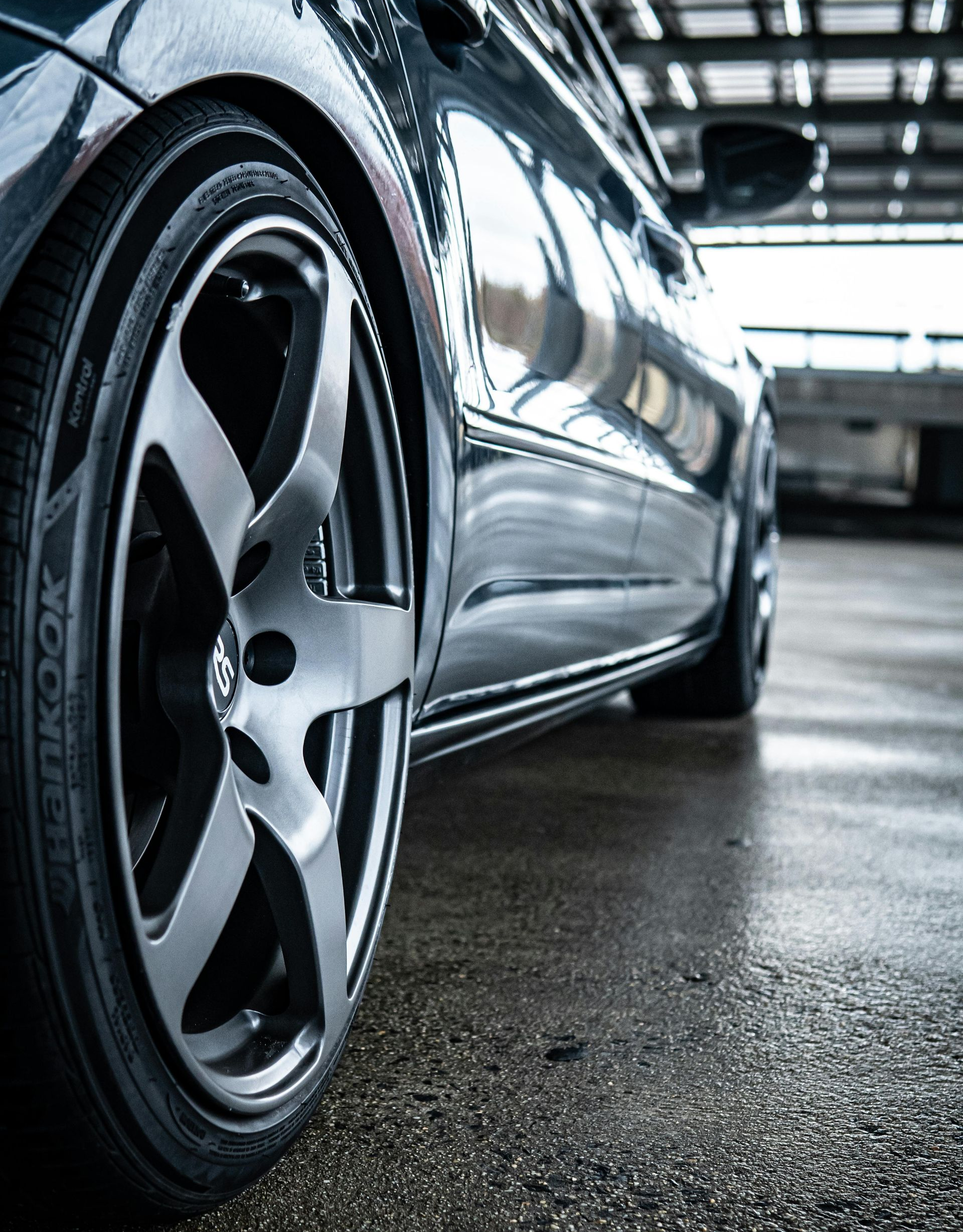
A low-angle, close-up shot of a dark car wheel with a metallic rim parked on a wet, grey concrete surface.
A black and white close-up of a stacked pile of used vehicle tires.
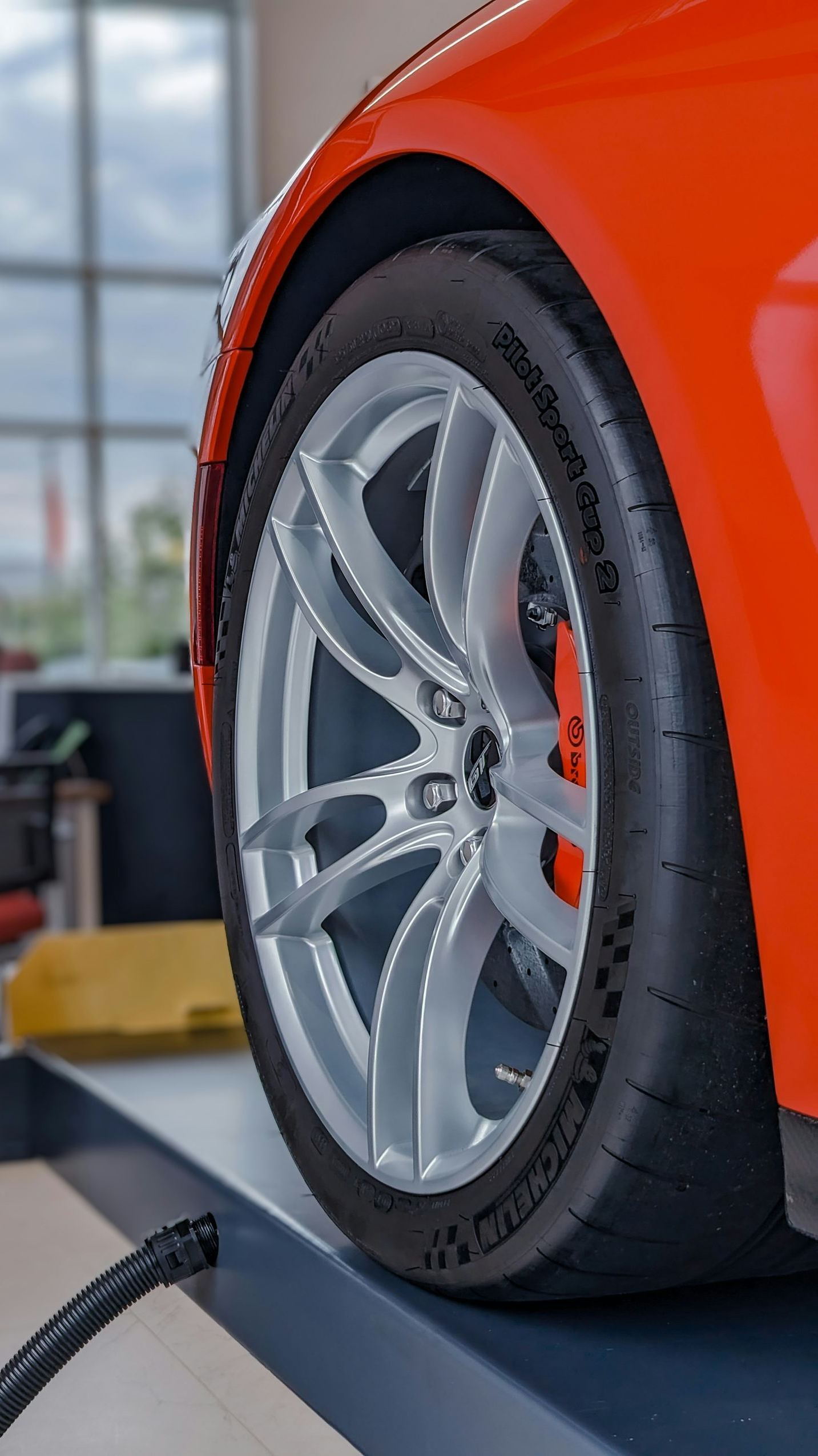
A bright orange car on a mechanic’s lift, showcasing a silver alloy wheel and high-performance tire in a shop.
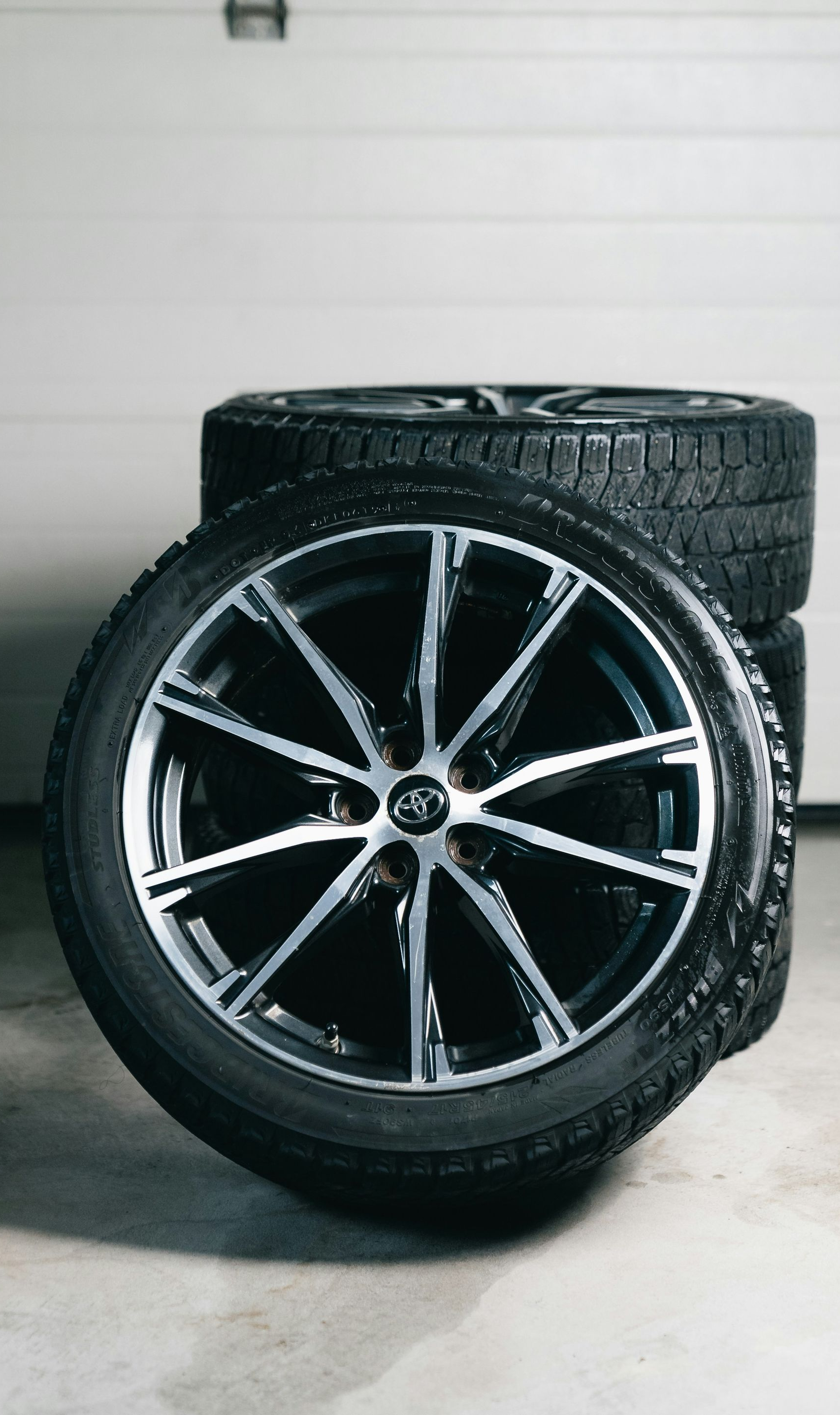
A stack of black tires with sleek, silver-accented alloy rims resting on a concrete floor in a garage.
September 23, 2026
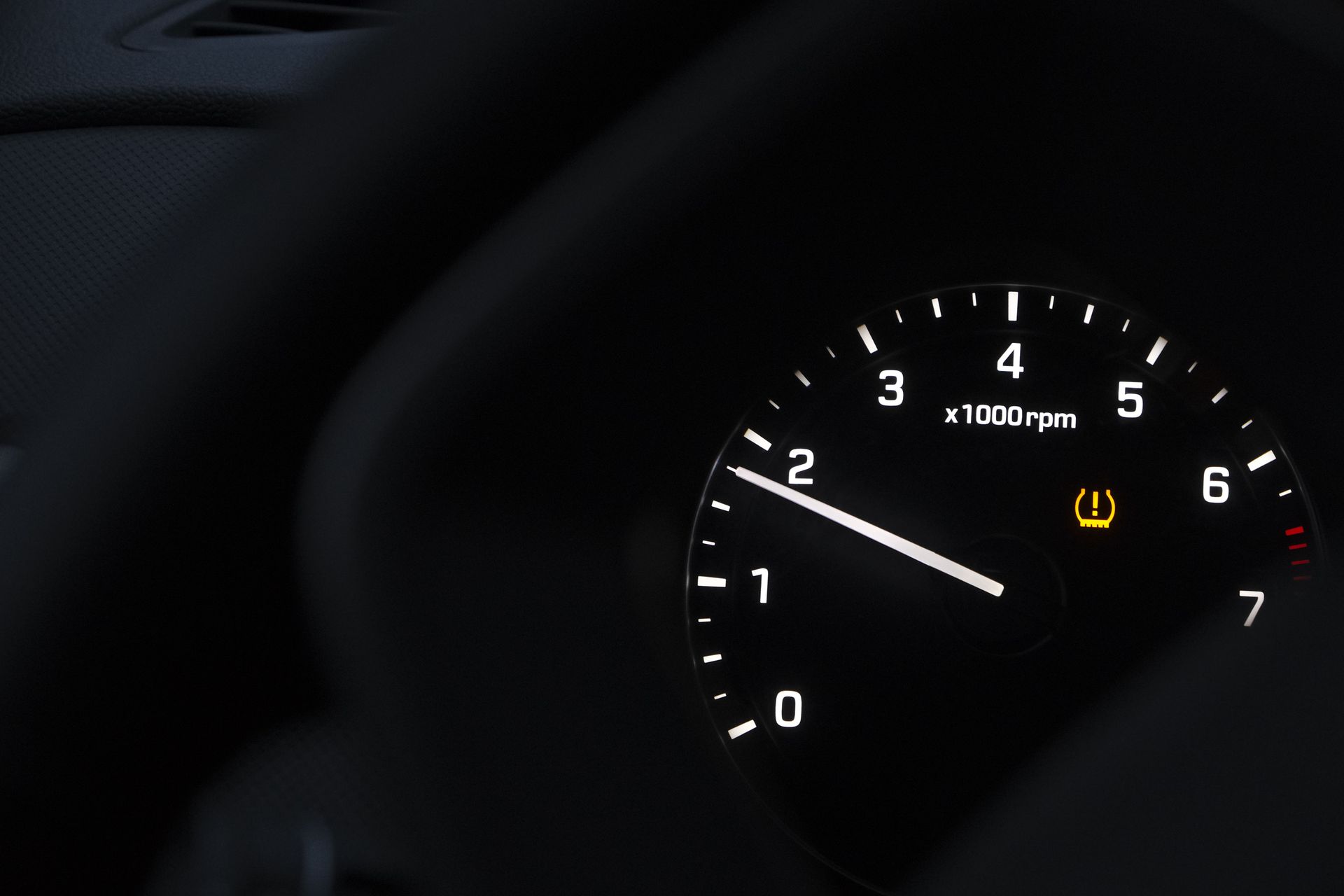
Most drivers are familiar with the tire pressure monitoring system , or TPMS, warning light. When it stays on steadily, it usually means one or more tires may be underinflated. A flashing TPMS light often means something different. Instead of simply warning about low tire pressure, a flashing light can indicate a problem with the monitoring system itself. That could involve a sensor, sensor battery, communication issue, or another TPMS-related fault.  Knowing the difference can help drivers avoid assuming that adding air will automatically solve the problem.
September 22, 2026
Tread depth is one of the first things drivers look at when deciding whether a tire still has life left. Deep grooves can make a tire appear healthy, especially if the vehicle is not driven very often. But tread is only part of the picture. Tires age even when they are not being used heavily. Over time, rubber compounds can harden, dry out, and become less flexible. That means an older tire may still have plenty of tread while no longer performing the way it did when it was newer. Rubber Changes With Age Tires are constantly exposed to oxygen, heat, sunlight, moisture, and changing temperatures. Those conditions gradually affect the rubber. As a tire ages, the material can lose some of its elasticity. That may reduce its ability to flex properly as it rolls and responds to the road. A tire that looks acceptable at a quick glance may therefore be significantly older than its appearance suggests. This is especially important for vehicles that accumulate very few miles each year.
September 11, 2026
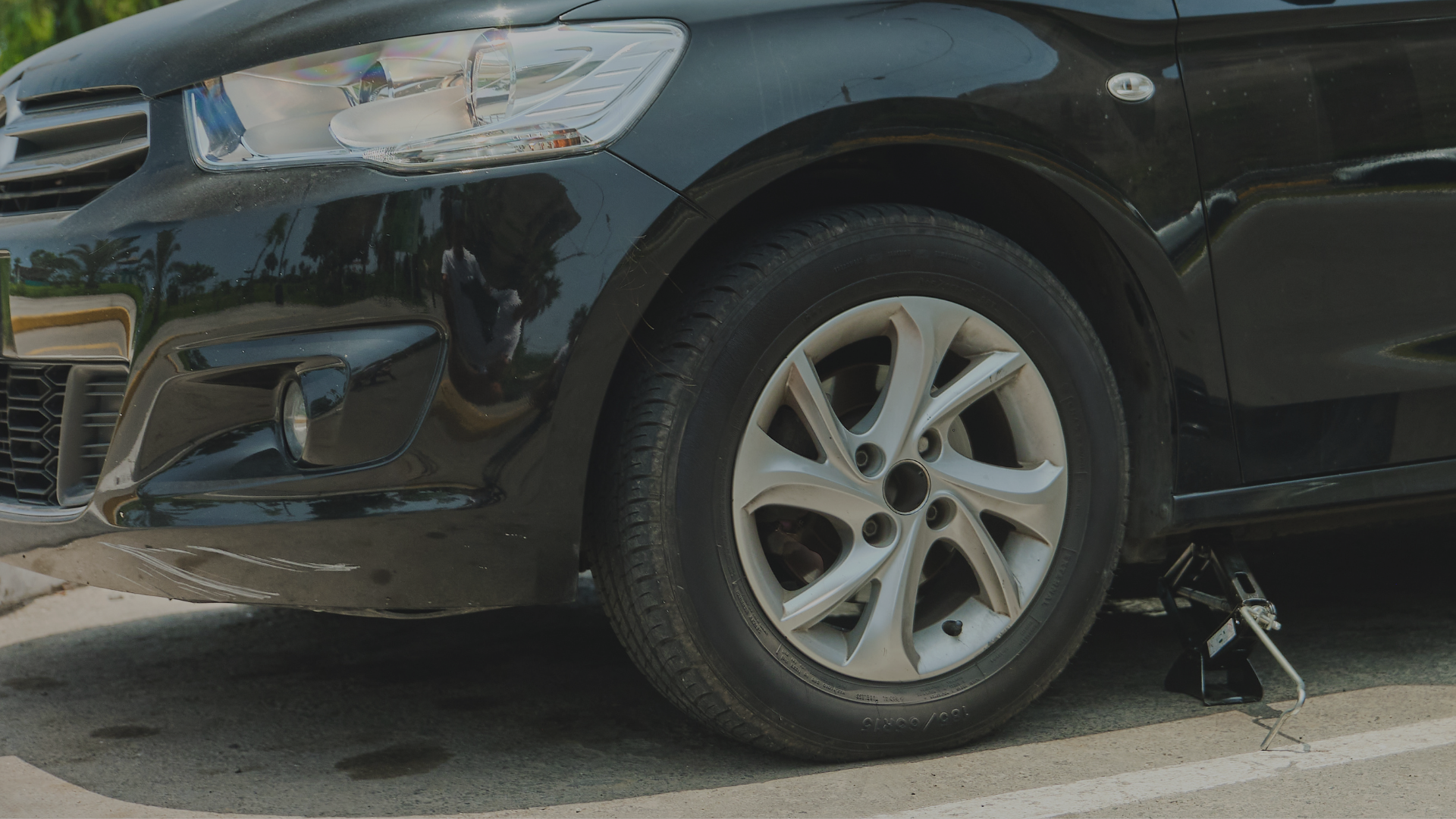
A flat tire does not always mean the tire has to be replaced. In many cases, a small puncture can be repaired safely and returned to service. The key is where the puncture occurred, how large it is, and whether the tire suffered additional damage while losing air. That is why a professional inspection matters. Two punctures that lo ok similar from the outside may require completely different solutions once the tire is removed and examined internally. Location Matters Most One of the first things a technician looks at is where the puncture is located. Damage in the central tread area is often the best candidate for repair. This part of the tire is designed to handle contact with the road and can sometimes be repaired when the puncture is small and otherwise straightforward. Punctures near the shoulder or sidewall are much more concerning.  These areas flex significantly while the tire is moving and cannot usually be repaired safely using standard puncture-repair methods. If a nail, screw, or other object damages the sidewall or outer shoulder, replacement is often the safer option.
September 6, 2026
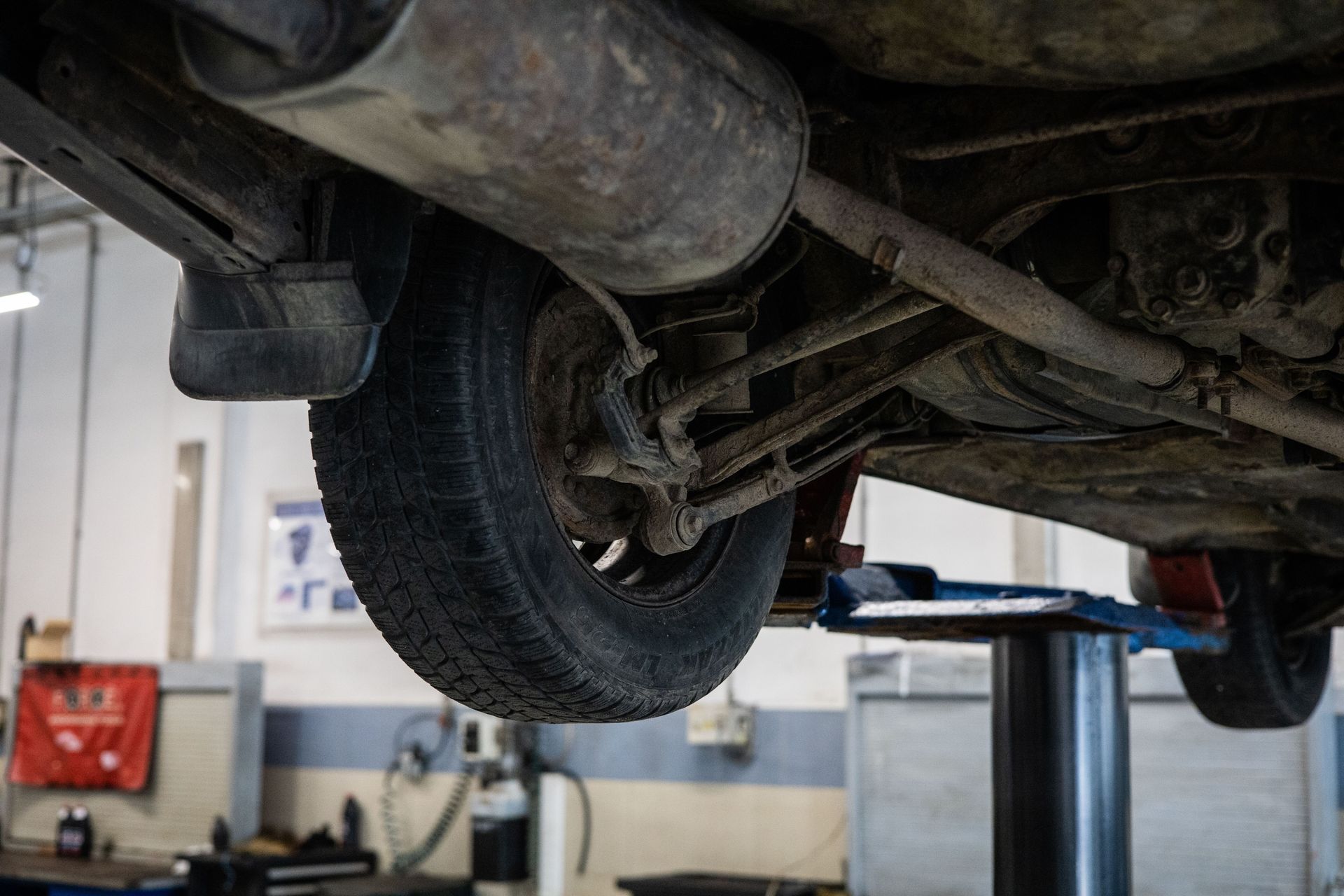
A wheel alignment can correct important steering and tire-angle settings, but the alignment itself depends on the suspension being in good mechanical condition. If ball joints, tie rods, control arm bushings, wheel bearings, or other components are worn, the wheels may not stay in the position the technician sets.  That is why some vehicles continue pulling , wearing tires unevenly, or developing an off-center steering wheel even after an alignment. In those cases, the problem may not be the alignment machine or the adjustment. It may be worn suspension or steering components underneath the vehicle.
August 28, 2026
When a tire repeatedly loses air but there is no obvious nail, screw, or visible puncture, the problem may be where the tire meets the wheel. This area is known as the tire bead, and a poor seal between the bead and the rim can allow air to escape gradually. Tire bead leaks are a common cause of slow pressure loss. Understanding why they happen can help drivers recognize when a tire needs professional inspection rather than repeatedly adding air. What Is the Tire Bead? The bead is the reinforced inner edge of the tire that sits tightly against the wheel rim. When a tire is properly mounted and inflated, air pressure helps hold the bead securely against the wheel, creating an airtight seal. If that sealing surface becomes damaged, dirty, corroded, or distorted, a small pathway can develop for air to escape.  Because these leaks may be very small, the tire can lose pressure over several days or weeks rather than going flat immediately.
August 23, 2026
A pothole impact can feel like a quick jolt, but the forces involved can affect several parts of the tire and wheel assembly. The faster the vehicle is moving, the less time the tire has to absorb the impact. In some cases, the damage is immediately obvious. In others, problems may not become noticeable until later. Raymond’s Tire Shop helps drivers inspect tires, wheels, balancing, and alignment after hard road impacts. Understanding what can happen during a pothole strike can make it easier to recognize when a tire needs professional attention. The Tire Is Compressed Extremely Quickly When a tire drops into a pothole and strikes the far edge, the sidewall and tread can be compressed between the road and the wheel. Tires are designed to flex, but a severe impact can exceed what the internal structure can safely absorb.  The risk can be greater when tire pressure is too low because there is less air cushioning between the road surface and the wheel. However, even a properly inflated tire can be damaged by a deep pothole at sufficient speed.