O que geralmente significa uma luz do TPMS piscando?

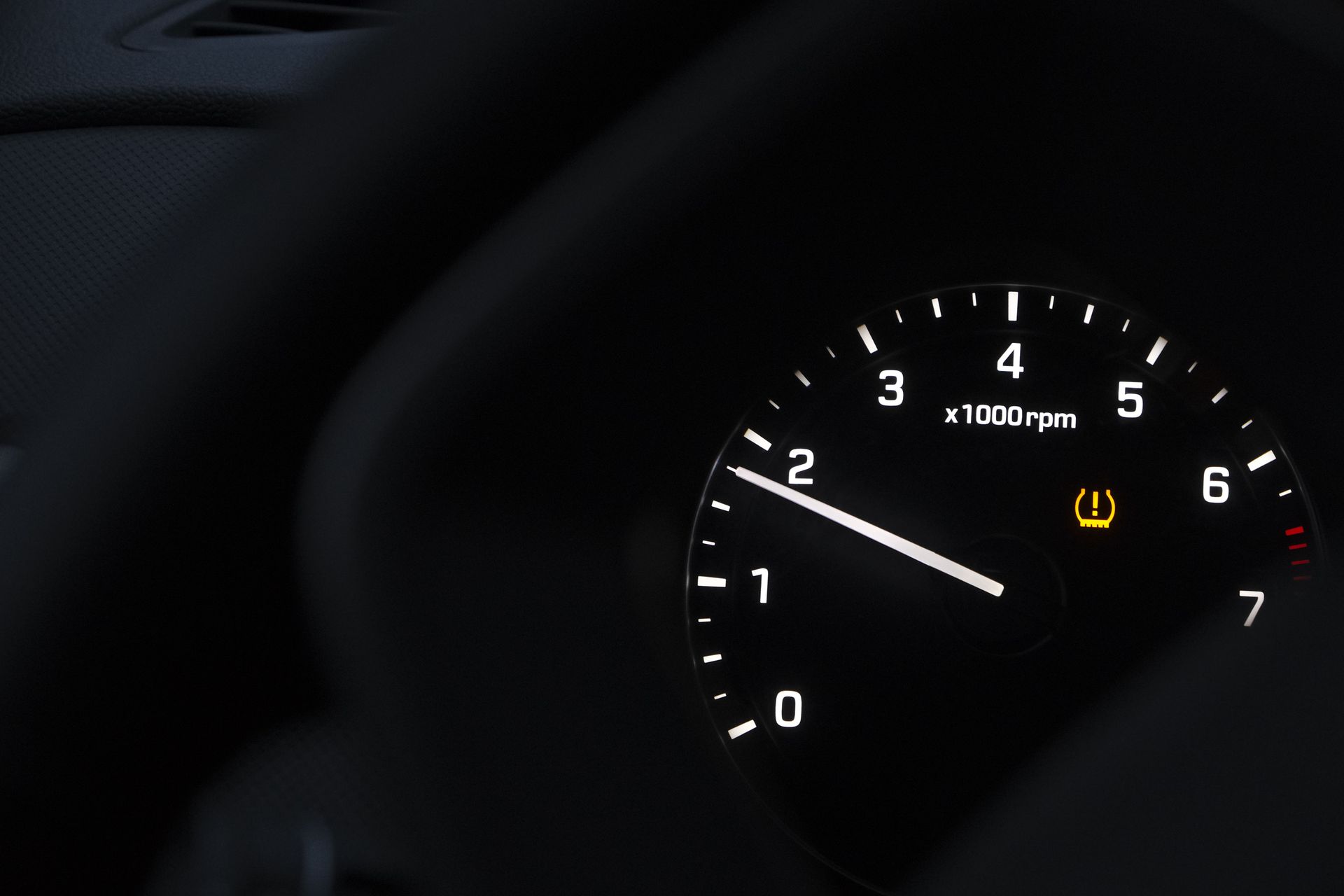
A maioria dos motoristas está familiarizada com a luz de advertência do sistema de monitoramento da pressão dos pneus, ou TPMS. Quando ela permanece acesa continuamente, geralmente significa que um ou mais pneus podem estar com a pressão abaixo do recomendado.


Uma luz do TPMS piscando geralmente significa algo diferente.


Em vez de simplesmente alertar sobre a baixa pressão dos pneus, uma luz piscando pode indicar um problema com o próprio sistema de monitoramento. Isso pode envolver um sensor, a bateria de um sensor, um problema de comunicação ou outra falha relacionada ao TPMS.


Conhecer a diferença pode ajudar os motoristas a evitar a suposição de que adicionar ar resolverá automaticamente o problema.
Assorted metallic flash drive connectors on a black reflective surface, with blue, silver, and gold accents

Uma luz acesa continuamente geralmente indica um problema de pressão dos pneus

Uma luz de advertência do TPMS que permanece acesa geralmente está associada à pressão dos pneus ter caído abaixo do limite programado pelo veículo.


O tempo frio, um vazamento lento, uma perfuração ou a perda normal de pressão ao longo do tempo podem ativar o alerta.


Nessa situação, verificar os quatro pneus com um medidor de pressão preciso é um bom primeiro passo.


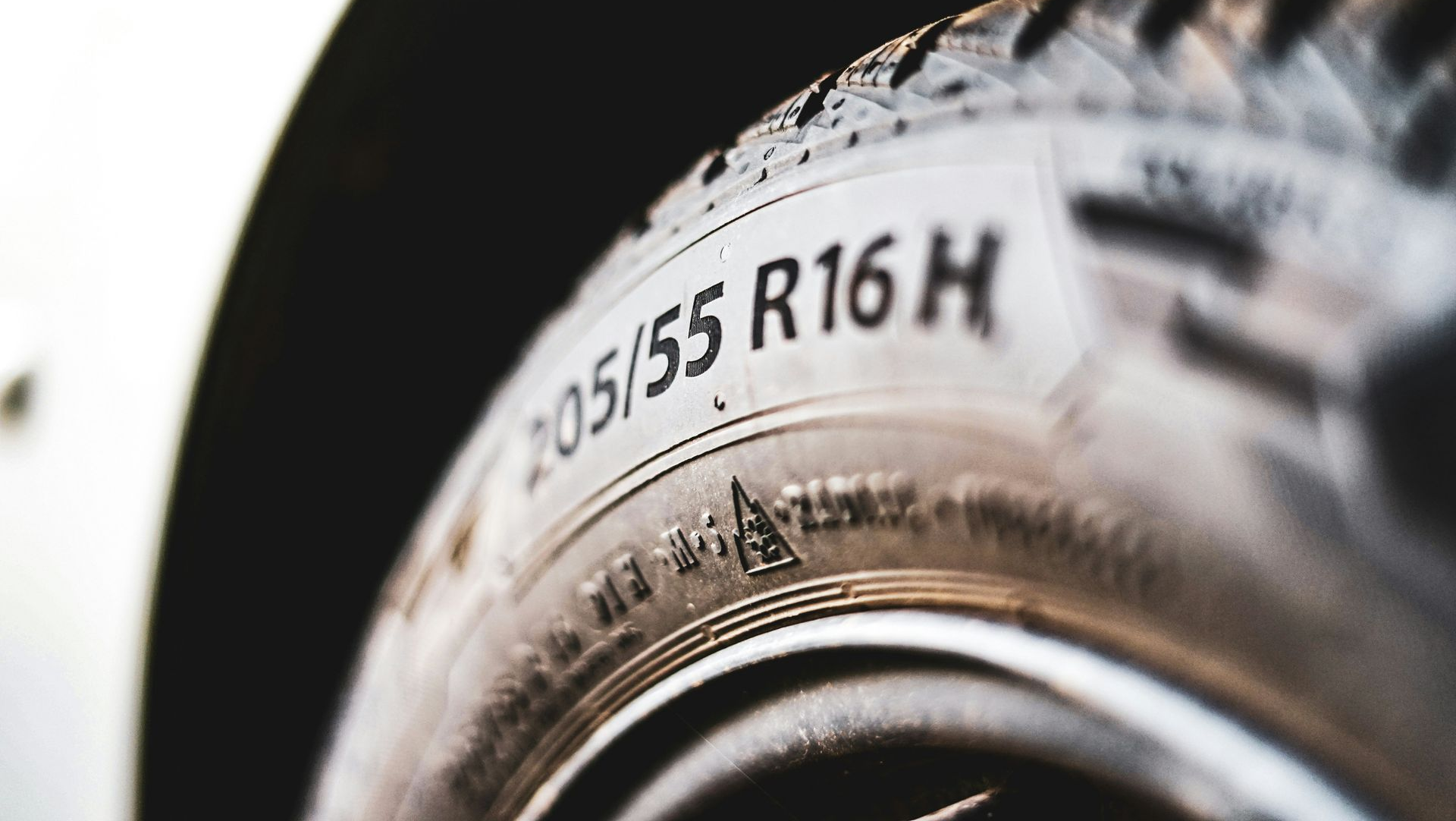
A pressão de calibragem recomendada geralmente está indicada na etiqueta localizada na porta do lado do motorista ou no manual do proprietário.

Car wheel with silver rim mounted on a balancing machine in a workshop, with a green bin and red tool chest nearby

Uma luz piscando geralmente indica uma falha no sistema

Se a luz do TPMS piscar por algum tempo e depois permanecer acesa, o sistema pode estar tendo dificuldades para se comunicar com um ou mais sensores.


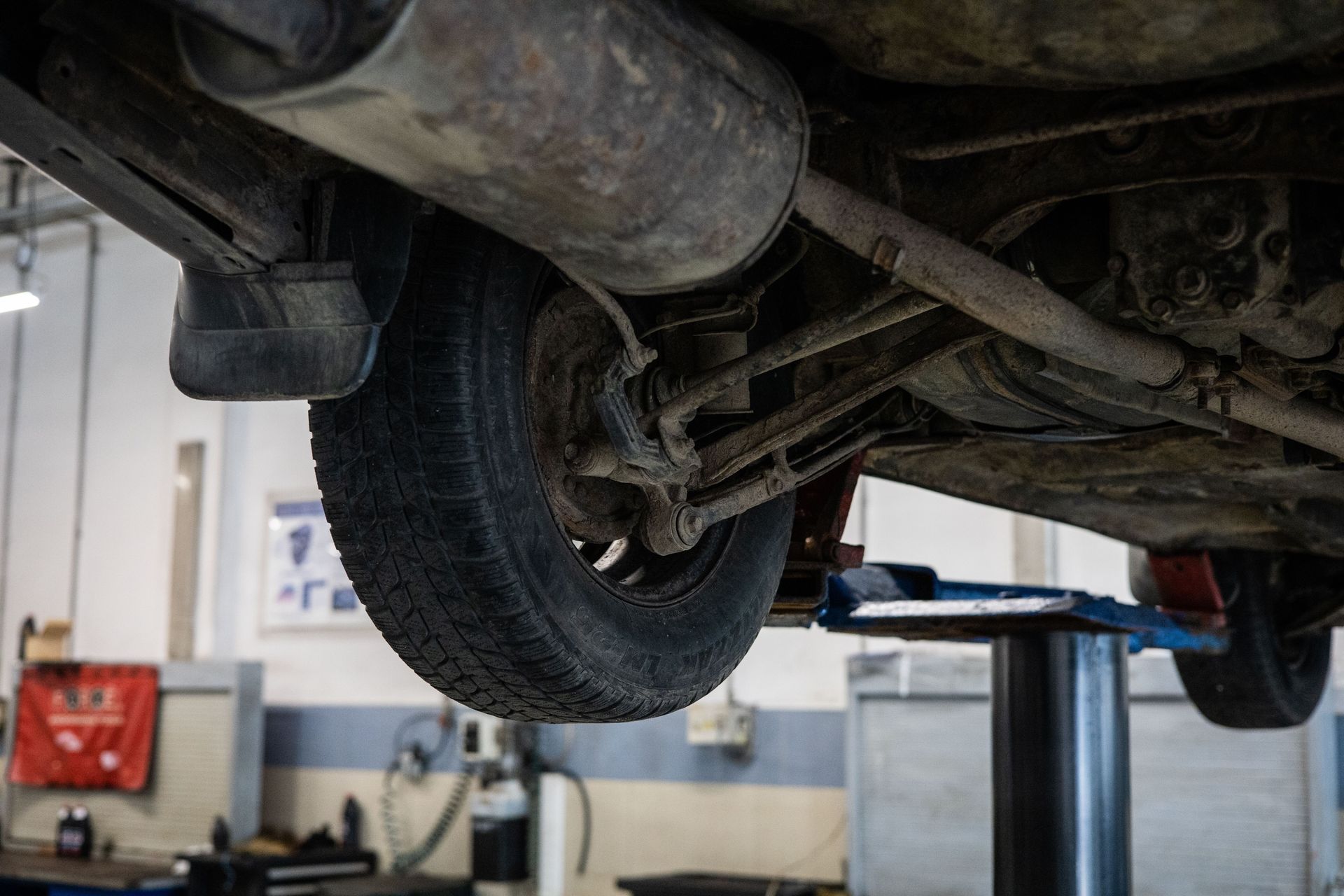
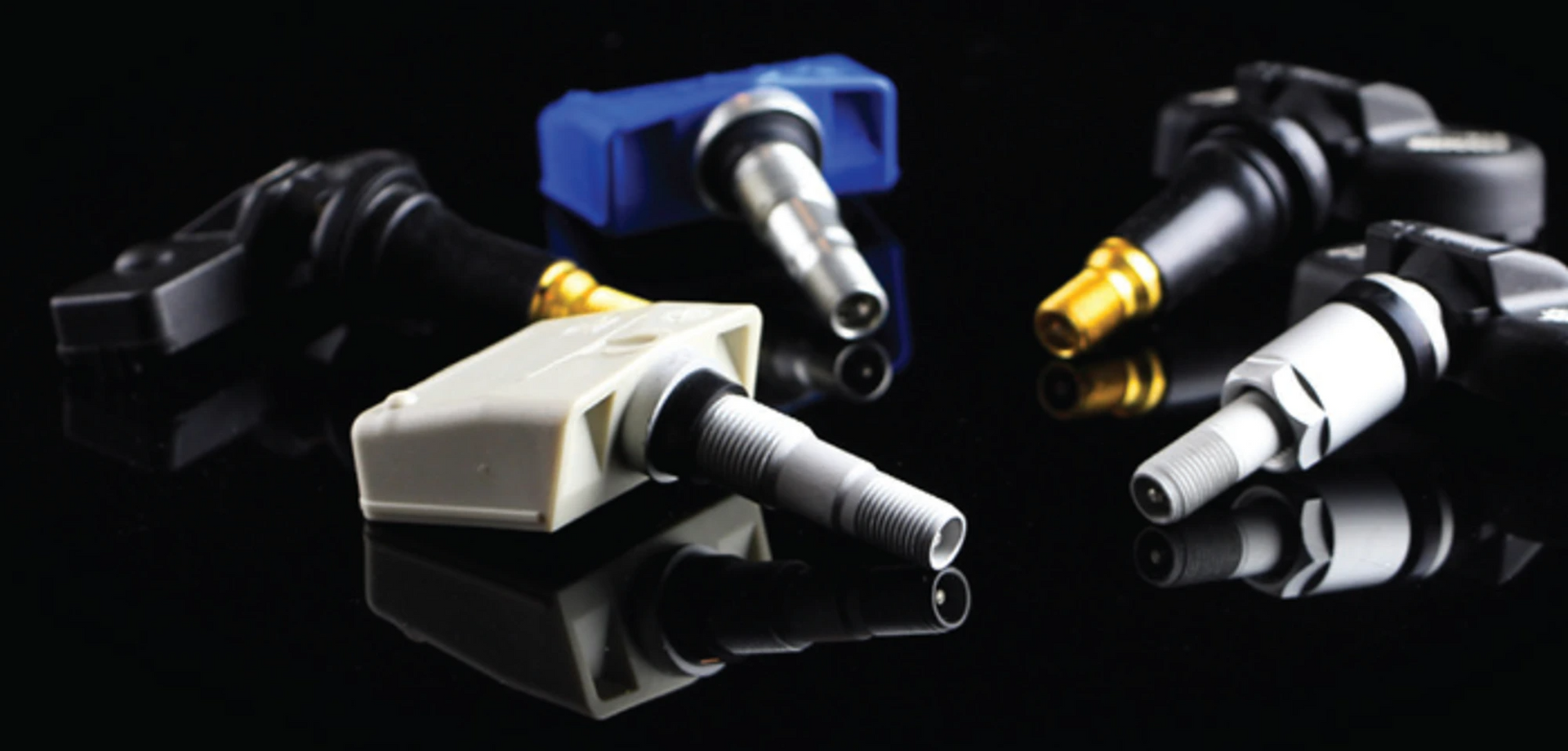
Cada roda normalmente contém um sensor que monitora a pressão do pneu e envia informações ao veículo.


Quando um desses sensores deixa de responder corretamente, o sistema pode acionar uma luz de advertência piscando.


Isso é diferente de uma simples condição de baixa pressão, pois o veículo pode não estar mais recebendo informações confiáveis da roda afetada.
Close-up of a car’s rear wheel and chrome hubcap parked by a curb.

As baterias dos sensores não duram para sempre

Os sensores do TPMS são alimentados por pequenas baterias internas.


Essas baterias normalmente não são projetadas para serem substituídas separadamente. Quando a bateria fica fraca ou deixa de funcionar, pode ser necessário substituir o próprio sensor.


Como essas baterias podem durar vários anos, os motoristas às vezes encontram esse problema pela primeira vez em um veículo mais antigo ou após vários anos de uso normal.


Um único sensor com defeito pode ser suficiente para acionar o alerta.

Close-up of a car tire on a road at sunset, with trees and grass in the background

O serviço dos pneus às vezes pode revelar problemas no TPMS

Uma luz do TPMS piscando também pode aparecer após a substituição dos pneus, a substituição das rodas, o rodízio dos pneus ou um serviço nos sensores.


Alguns veículos exigem que os sensores sejam reaprendidos ou reprogramados após determinados procedimentos.


Se um sensor foi danificado durante um serviço anterior nos pneus ou se um sensor novo não foi reconhecido corretamente pelo veículo, o alerta pode permanecer ativo.


Por isso, o serviço do TPMS geralmente exige mais do que apenas verificar a pressão do ar.


Um técnico pode precisar escanear os sensores e verificar se cada um está transmitindo corretamente.

Close-up of a car tire with low tread, resting on rough pavement.

A troca das rodas pode afetar o sistema

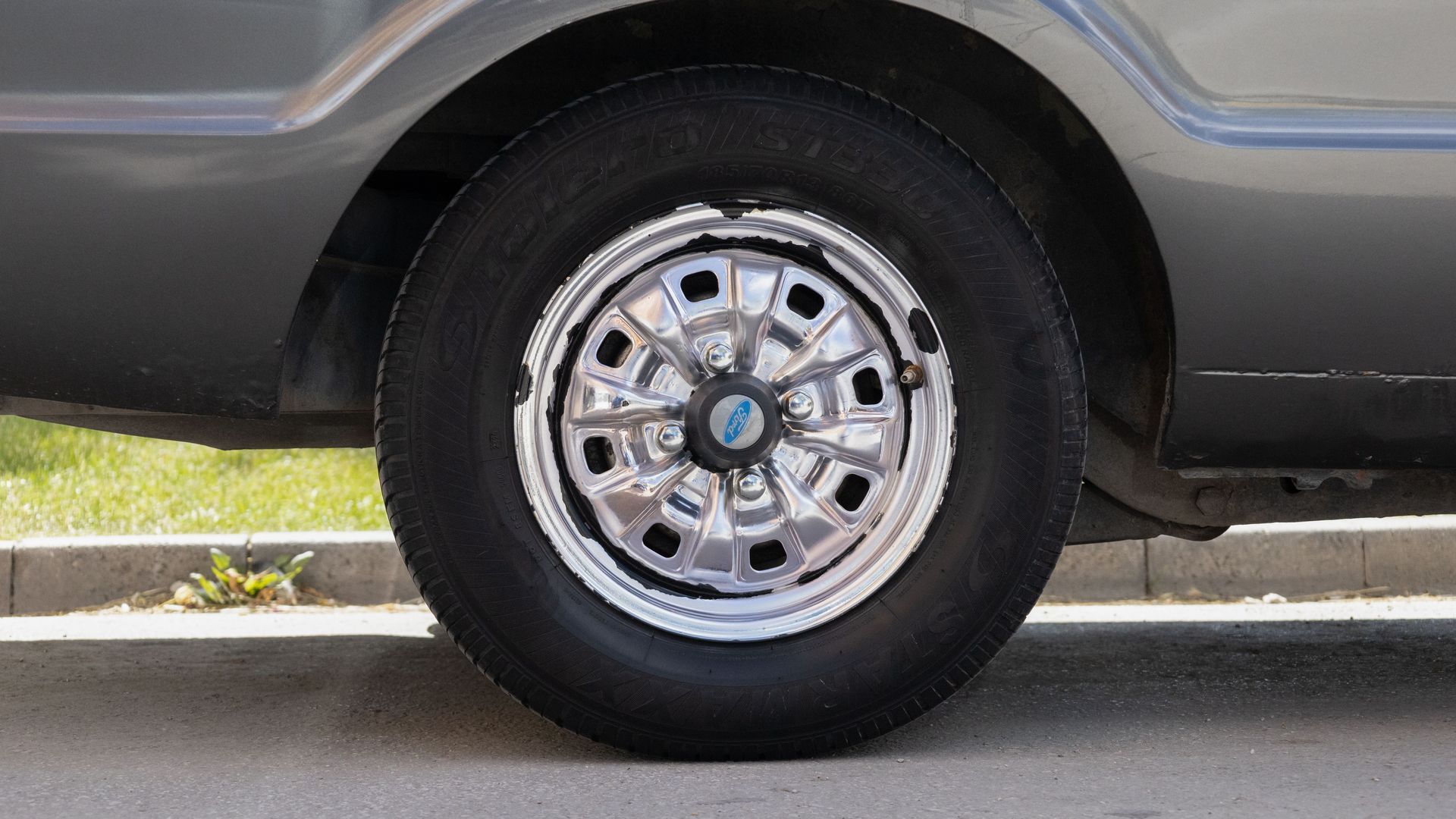
Motoristas que alternam entre diferentes conjuntos de rodas também podem encontrar alertas do TPMS.


Se as rodas alternativas não tiverem sensores compatíveis ou se o veículo não tiver aprendido os novos IDs dos sensores, o sistema pode não funcionar normalmente.


Isso é especialmente comum quando são instaladas rodas sazonais ou rodas de reposição.


Os próprios pneus podem estar devidamente calibrados, mesmo quando o sistema de monitoramento está indicando uma falha.

Close-up of a worn black tire with visible tread and cracks on a vehicle

Não ignore a pressão real dos pneus

Uma luz de advertência piscando não significa que a pressão dos pneus possa ser ignorada.


Se o sistema TPMS estiver com defeito, ele pode não ser capaz de alertar você quando um pneu realmente estiver com baixa pressão.

Isso torna as verificações manuais da pressão ainda mais importantes até que o sistema seja reparado.


Dirigir com um pneu com pressão insuficiente pode aumentar o acúmulo de calor, acelerar o desgaste, afetar a dirigibilidade e reduzir a eficiência de combustível. O TPMS é útil, mas nunca deve substituir a inspeção regular dos pneus.


Um diagnóstico pode ajudar a identificar o problema

O diagnóstico de uma falha no TPMS geralmente envolve verificar mais do que apenas a luz no painel.


Um técnico pode verificar a pressão dos pneus, escanear os sensores individualmente, inspecionar se há hastes de válvula danificadas, confirmar a comunicação dos sensores e determinar se o veículo precisa passar por um novo processo de reconhecimento ou programação.


Isso ajuda a evitar a substituição desnecessária de sensores e permite identificar se o problema realmente está no sistema TPMS.
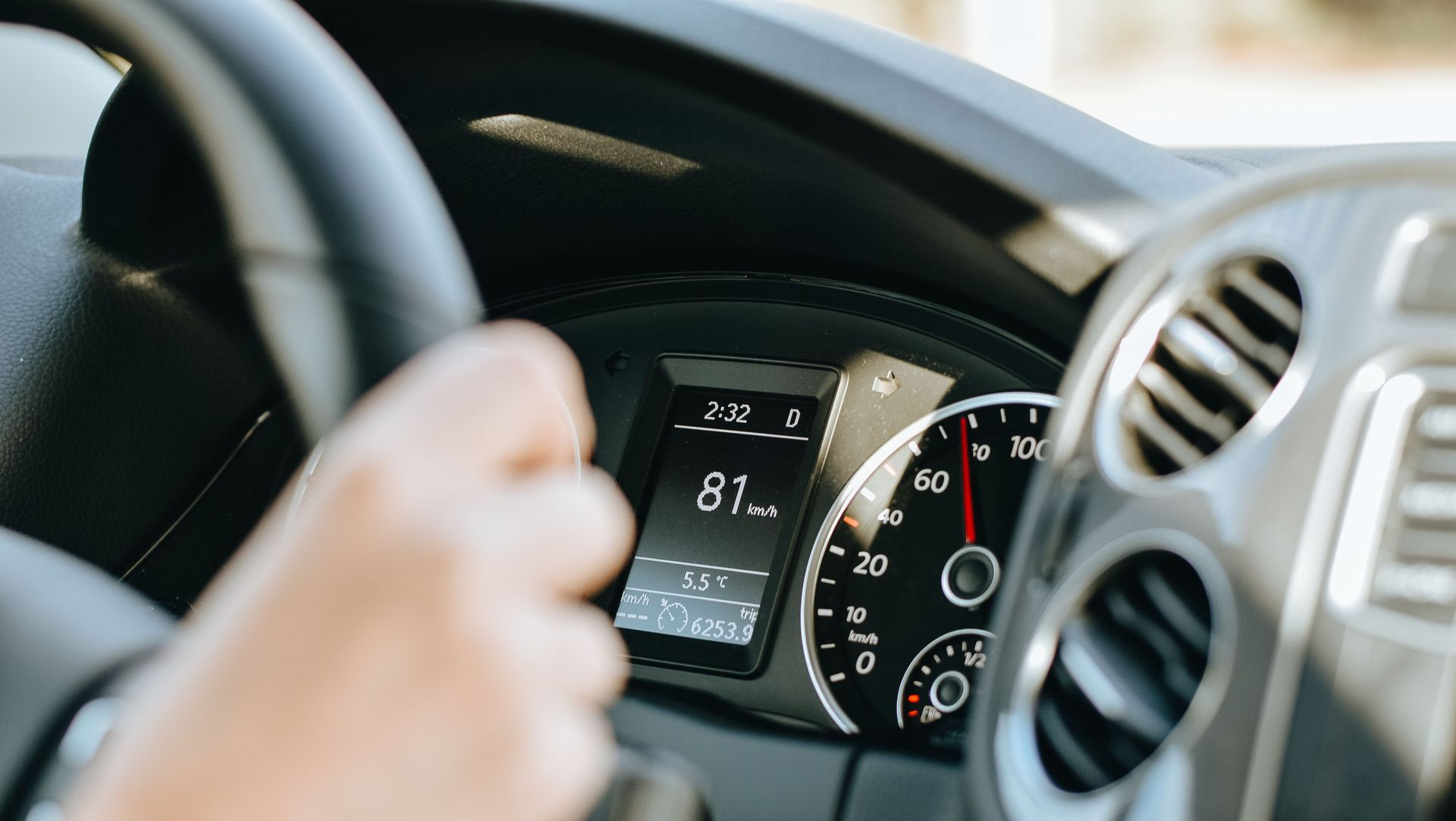
Driver holding steering wheel inside a car, with dashboard speedometer and air vent visible.

Faça uma verificação do alerta

Uma luz do TPMS piscando geralmente merece mais atenção do que simplesmente adicionar ar e continuar dirigindo.


Ela pode indicar que um ou mais sensores não estão mais se comunicando corretamente, o que significa que o sistema pode não ser capaz de monitorar a pressão dos pneus com precisão.


A Raymond’s Tire Shop oferece serviços para pneus, verificações de pressão, diagnóstico do TPMS, balanceamento, alinhamento, reparo de pneus furados e serviços para rodas.


Se a luz do TPMS estiver piscando ou voltar a aparecer repetidamente depois que você ajustar a pressão dos pneus, entre em contato com a Raymond’s Tire Shop para realizar uma inspeção. Identificar a causa pode ajudar a restaurar o funcionamento do sistema e garantir que você receba alertas confiáveis sobre a pressão dos pneus quando precisar deles.
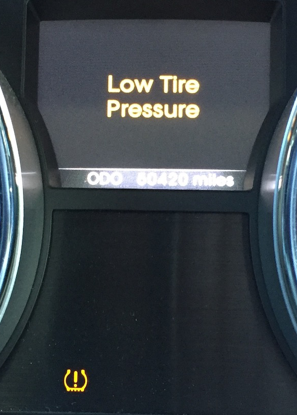
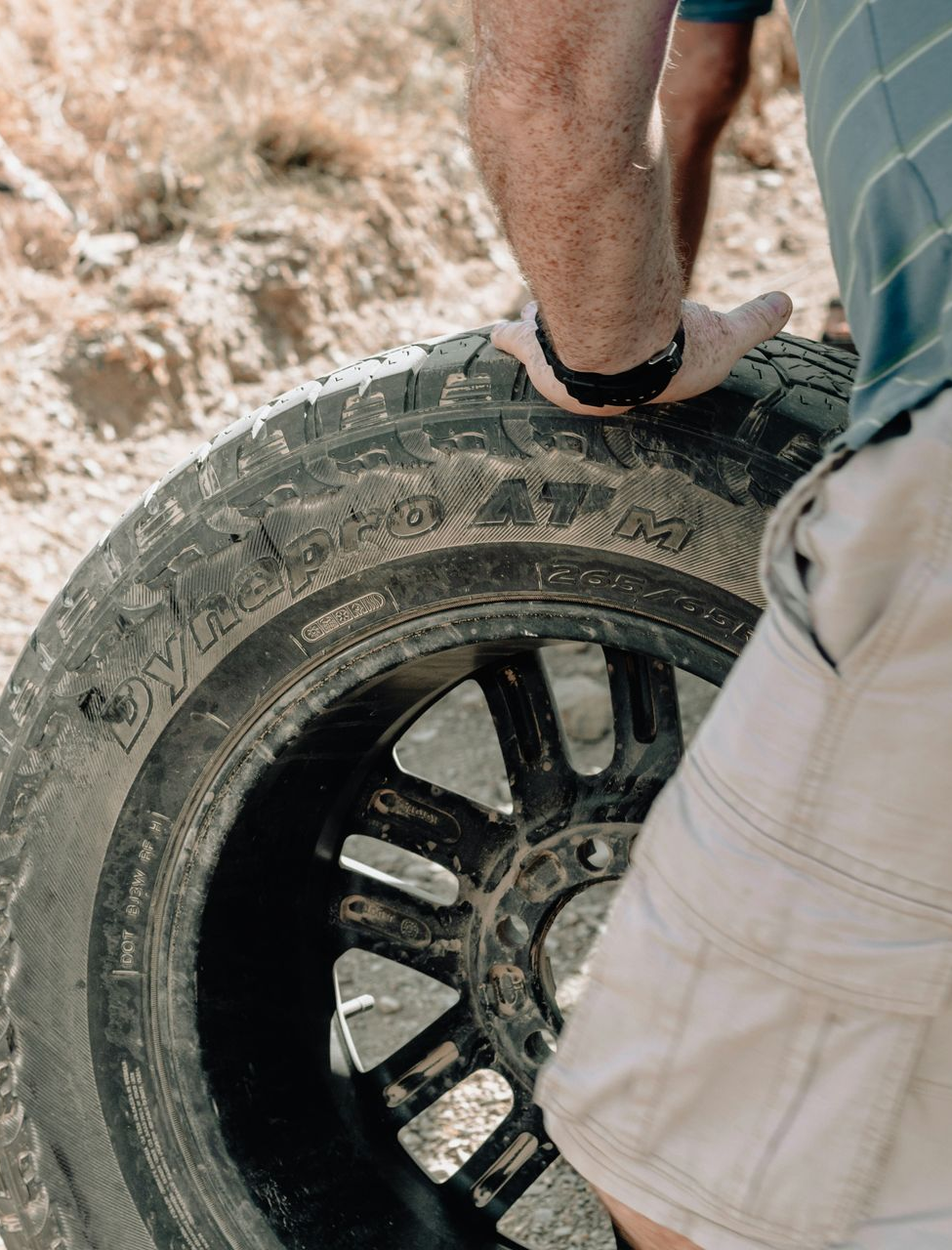
Car dashboard warning light and display reading “Low Tire Pressure” in yellow.
Person mounting a black tire on a vehicle wheel in a dusty outdoor setting
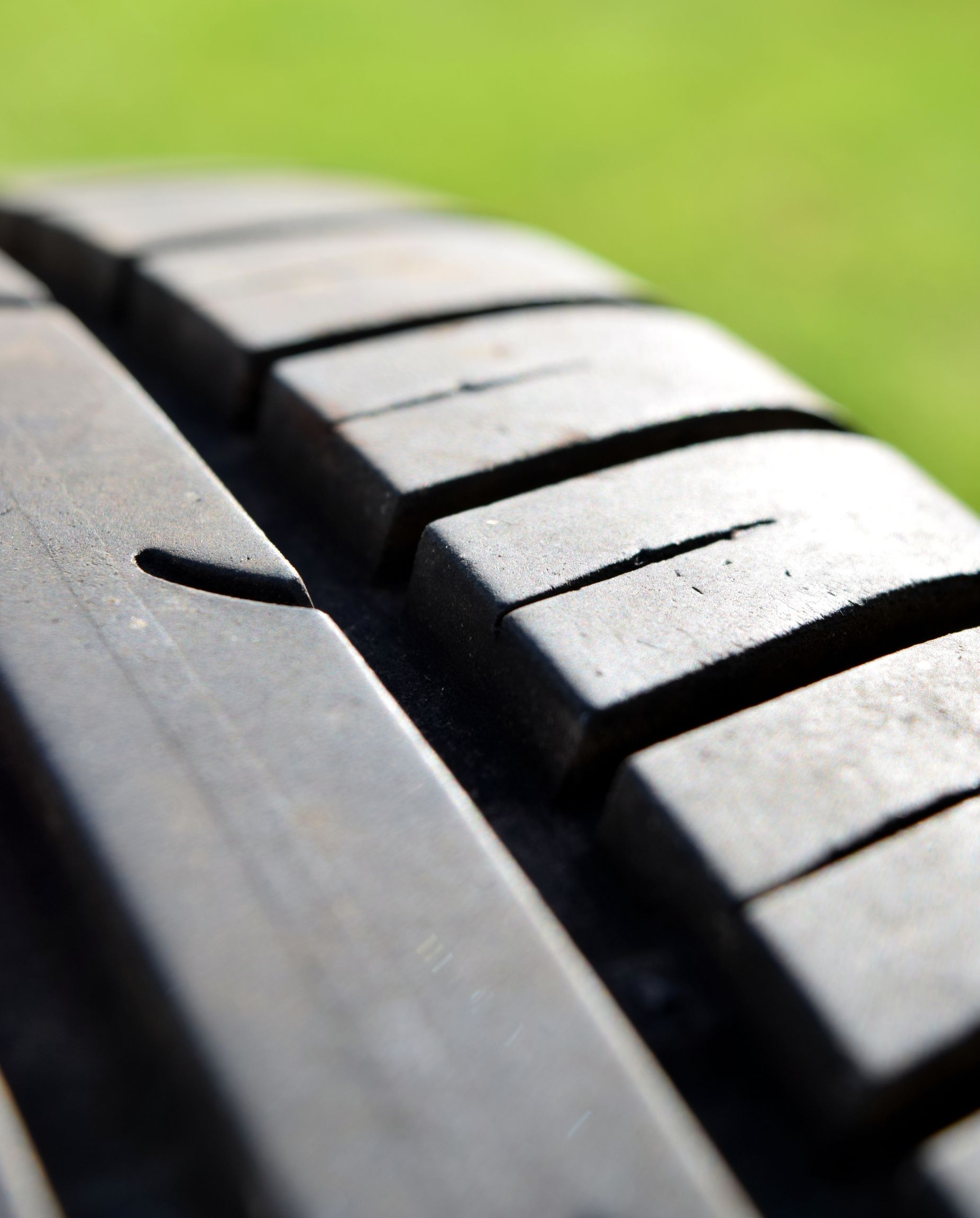
Close-up of a black tire tread with grooves, against a blurred green background
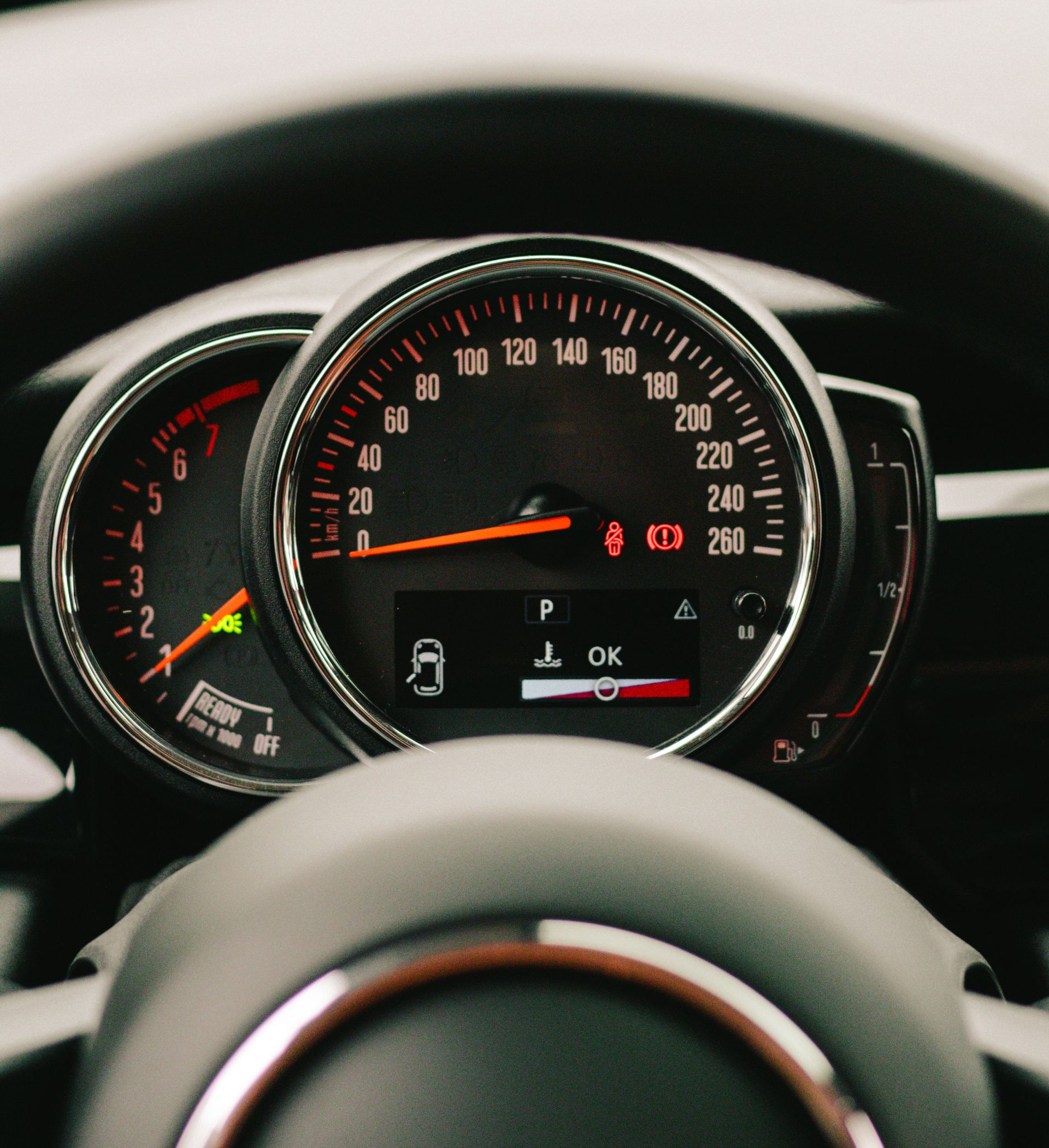
Car dashboard with illuminated speedometer and gauges behind the steering wheel
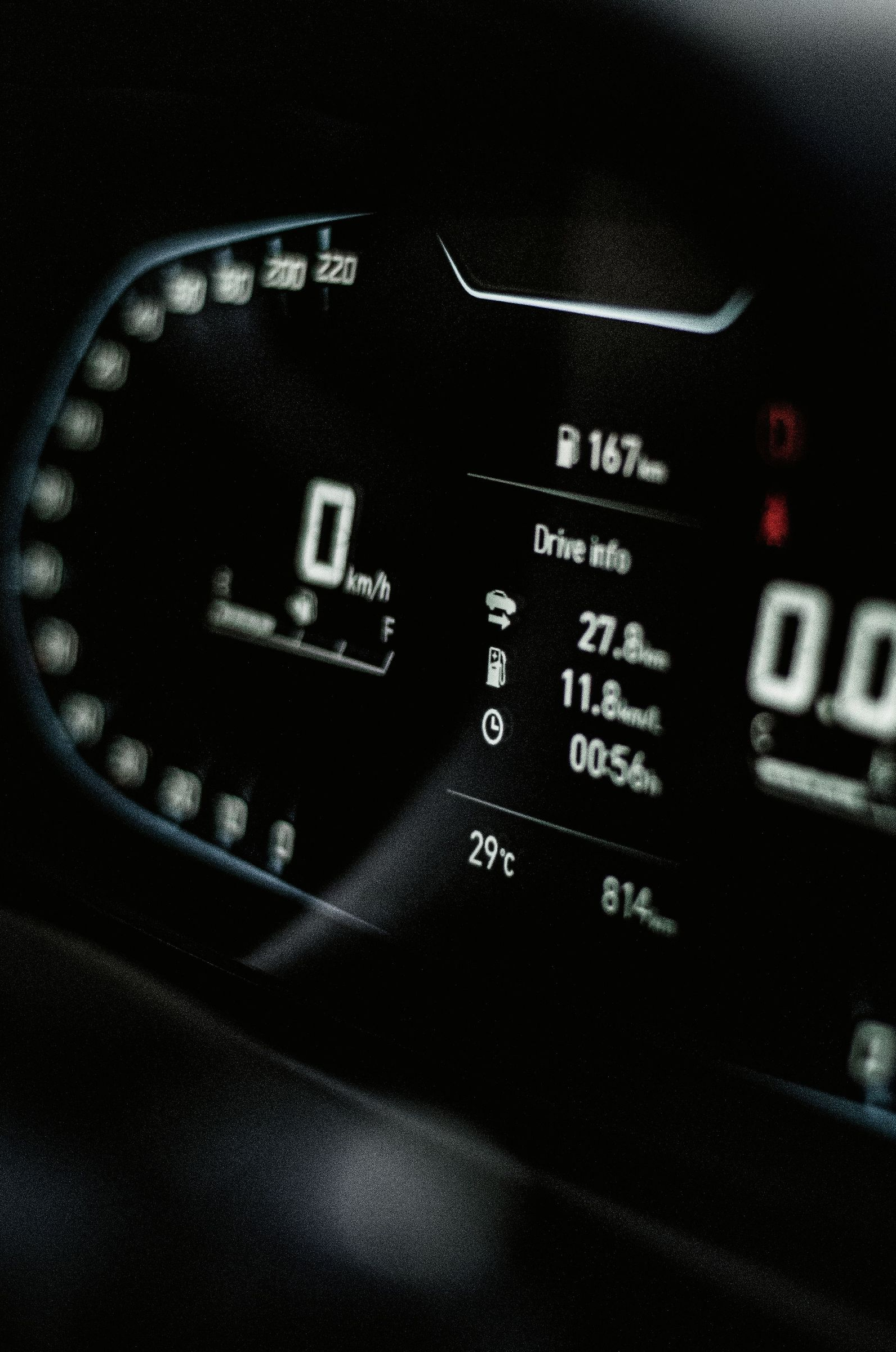
Car dashboard digital instrument cluster showing speed, fuel, and driving range at night
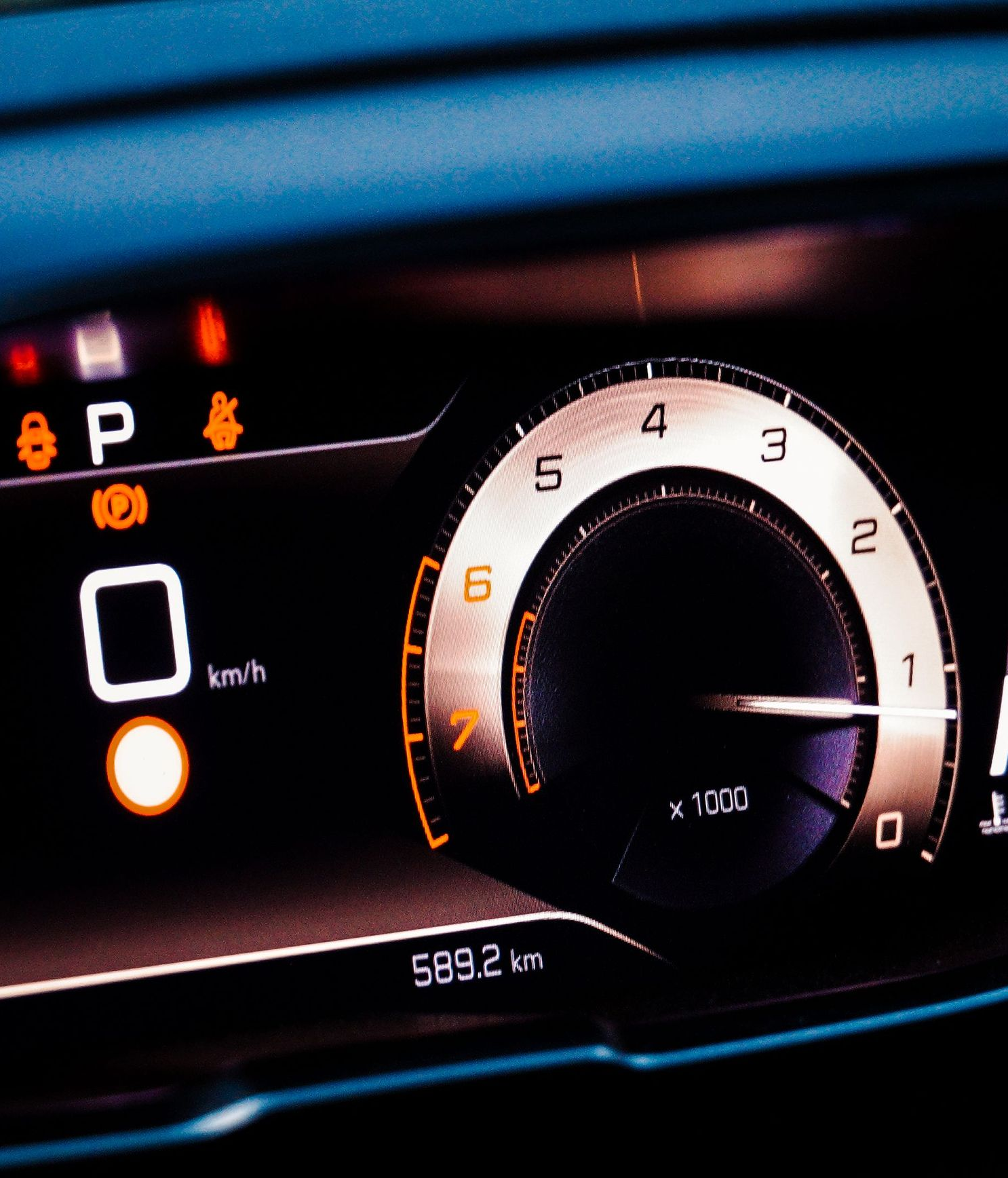
Car dashboard at night showing speedometer, warning lights, and gear in park, with 59,212 km on odometer
Close-up of a black car tire and silver alloy wheel rim
Stacks of used car tires piled in rows outdoors.
September 23, 2026
Most drivers are familiar with the tire pressure monitoring system , or TPMS, warning light. When it stays on steadily, it usually means one or more tires may be underinflated. A flashing TPMS light often means something different. Instead of simply warning about low tire pressure, a flashing light can indicate a problem with the monitoring system itself. That could involve a sensor, sensor battery, communication issue, or another TPMS-related fault.  Knowing the difference can help drivers avoid assuming that adding air will automatically solve the problem.
September 22, 2026
Tread depth is one of the first things drivers look at when deciding whether a tire still has life left. Deep grooves can make a tire appear healthy, especially if the vehicle is not driven very often. But tread is only part of the picture. Tires age even when they are not being used heavily. Over time, rubber compounds can harden, dry out, and become less flexible. That means an older tire may still have plenty of tread while no longer performing the way it did when it was newer. Rubber Changes With Age Tires are constantly exposed to oxygen, heat, sunlight, moisture, and changing temperatures. Those conditions gradually affect the rubber. As a tire ages, the material can lose some of its elasticity. That may reduce its ability to flex properly as it rolls and responds to the road. A tire that looks acceptable at a quick glance may therefore be significantly older than its appearance suggests. This is especially important for vehicles that accumulate very few miles each year.
September 11, 2026
A flat tire does not always mean the tire has to be replaced. In many cases, a small puncture can be repaired safely and returned to service. The key is where the puncture occurred, how large it is, and whether the tire suffered additional damage while losing air. That is why a professional inspection matters. Two punctures that lo ok similar from the outside may require completely different solutions once the tire is removed and examined internally. Location Matters Most One of the first things a technician looks at is where the puncture is located. Damage in the central tread area is often the best candidate for repair. This part of the tire is designed to handle contact with the road and can sometimes be repaired when the puncture is small and otherwise straightforward. Punctures near the shoulder or sidewall are much more concerning.  These areas flex significantly while the tire is moving and cannot usually be repaired safely using standard puncture-repair methods. If a nail, screw, or other object damages the sidewall or outer shoulder, replacement is often the safer option.
September 6, 2026
A wheel alignment can correct important steering and tire-angle settings, but the alignment itself depends on the suspension being in good mechanical condition. If ball joints, tie rods, control arm bushings, wheel bearings, or other components are worn, the wheels may not stay in the position the technician sets.  That is why some vehicles continue pulling , wearing tires unevenly, or developing an off-center steering wheel even after an alignment. In those cases, the problem may not be the alignment machine or the adjustment. It may be worn suspension or steering components underneath the vehicle.
August 28, 2026
When a tire repeatedly loses air but there is no obvious nail, screw, or visible puncture, the problem may be where the tire meets the wheel. This area is known as the tire bead, and a poor seal between the bead and the rim can allow air to escape gradually. Tire bead leaks are a common cause of slow pressure loss. Understanding why they happen can help drivers recognize when a tire needs professional inspection rather than repeatedly adding air. What Is the Tire Bead? The bead is the reinforced inner edge of the tire that sits tightly against the wheel rim. When a tire is properly mounted and inflated, air pressure helps hold the bead securely against the wheel, creating an airtight seal. If that sealing surface becomes damaged, dirty, corroded, or distorted, a small pathway can develop for air to escape.  Because these leaks may be very small, the tire can lose pressure over several days or weeks rather than going flat immediately.
August 23, 2026
A pothole impact can feel like a quick jolt, but the forces involved can affect several parts of the tire and wheel assembly. The faster the vehicle is moving, the less time the tire has to absorb the impact. In some cases, the damage is immediately obvious. In others, problems may not become noticeable until later. Raymond’s Tire Shop helps drivers inspect tires, wheels, balancing, and alignment after hard road impacts. Understanding what can happen during a pothole strike can make it easier to recognize when a tire needs professional attention. The Tire Is Compressed Extremely Quickly When a tire drops into a pothole and strikes the far edge, the sidewall and tread can be compressed between the road and the wheel. Tires are designed to flex, but a severe impact can exceed what the internal structure can safely absorb.  The risk can be greater when tire pressure is too low because there is less air cushioning between the road surface and the wheel. However, even a properly inflated tire can be damaged by a deep pothole at sufficient speed.